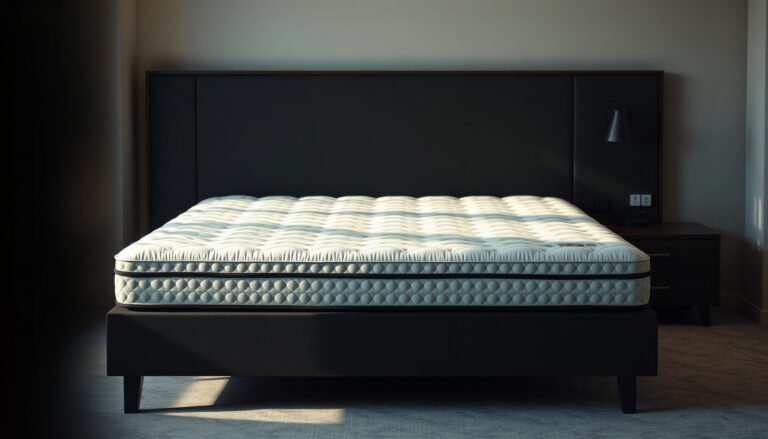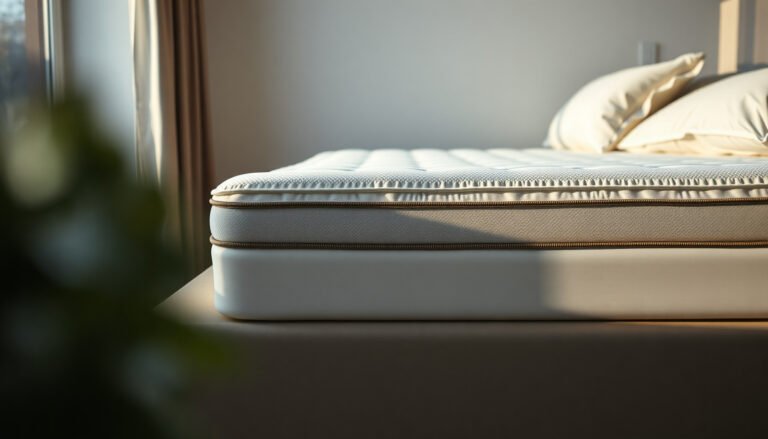
Naturepedic Mattress Reviews: What to Know Before You Buy
Best bets in Naturepedic mattress reviews are the models that deliver certified, breathable materials while staying supportive for side and back sleepers. We judge each option by certified ingredients and construction, pressure relief and spinal alignment, and value factors such as firmness range, motion transfer, plus warranty and trial terms. For the most reliable choice, prioritize models that pair latex comfort with strong edge support—where the gap between “good” and “great” becomes clear.
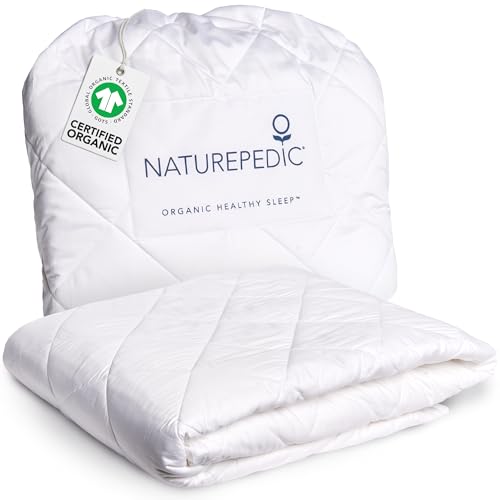

Don’t choose a Naturepedic mattress based on “most comfortable” claims—use reviews to compare materials/certifications, understand how the model is built for support, and confirm warranty/return details. If you match the sleep feel you want (pressure relief vs. pushback) with the kind of construction you prefer (latex support layers vs. other materials), you’ll avoid most buyer’s remorse and feel confident before you commit.
If you’re shopping for a more natural/organic-leaning mattress, want to reduce exposure to certain materials, or need help figuring out which Naturepedic line fits your sleeping position, this is for you. It’s also helpful if you’ve already read a bunch of reviews and you’re not sure which details actually matter.
How to read Naturepedic mattress reviews (the details that matter)
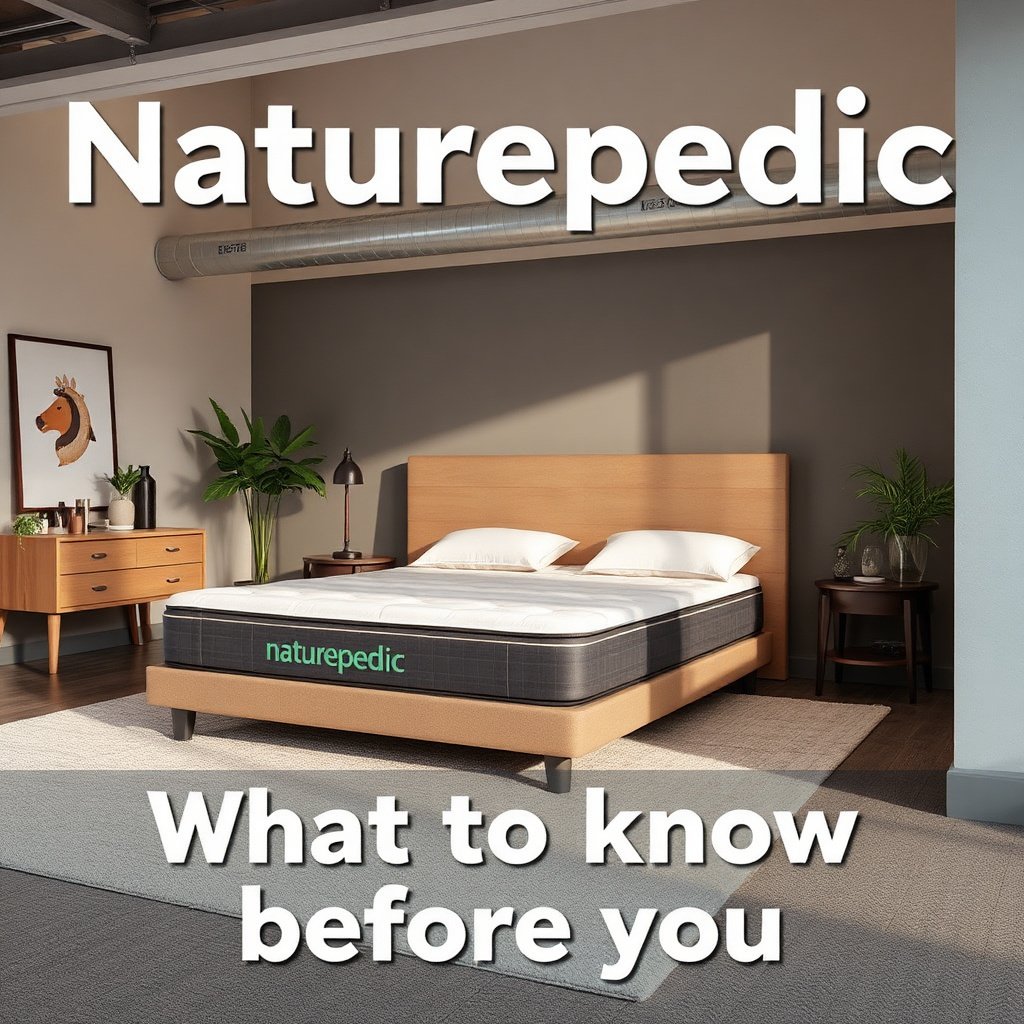
Naturepedic mattress reviews are most useful when you use them to compare the specific build choices behind the feel—not when you treat them like a single “comfort score.” Start by filtering for verifiable details (model, materials, and policies), then interpret the comfort/support notes through the lens of your own body and sleep position.
– Verify the materials and certifications named in the review: make sure the post is describing the same Naturepedic model and that the claims align with what the manufacturer lists for that exact version. Naturepedic’s lineup includes mattresses with different core/support designs and cover/comfort layers, so the same reviewer may be talking about a different internal system than yours.
– Separate “comfort” from “support”: reviews often mix initial softness with long-term alignment—look for mentions of pressure relief under shoulders/hips and whether your spine feels level (not just “cozy”). A mattress can feel great in the first few minutes and still sag or fail to support your lumbar area after hours.
– Check the “real-world logistics” review usually skips: warranty coverage, return/trial terms, break-in expectations, and care requirements can matter as much as feel. For example, even high-quality organic or latex constructions can behave differently depending on the foundation/base, and warranty language often hinges on proper setup.
As a practical rule for 2026 shopping: if a review doesn’t state the model name, sleep position, and setup details (base/foundation, topper use), treat it as directional rather than decision-grade.
Quick reference: how “certification language” maps to material risk
If you’re trying to reduce exposure to certain materials, certifications can be a useful anchor—but only when you understand what they actually constrain.
Seven standards reviewers commonly use when evaluating “natural/organic” mattresses
| # | Standard / labeling claim | What it constrains | Key threshold (typical) | Material-risk constraint |
|---|---|---|---|---|
| 1 | USDA Organic (“organic” label) | Organic ingredient content + production controls | ≥95% organic ingredients for “organic” labeling | ★★★★★ |
| 2 | Global Organic Textile Standard (GOTS) – “Organic” | Organic fiber content + processing requirements | ≥95% organic fibers for “organic” | ★★★★★ |
| 3 | Global Organic Latex Standard (GOLS) | Latex sourcing + processing controls | Typically requires ≥95% organic latex content | ★★★★☆ |
| 4 | OEKO-TEX Standard 100 | Chemical testing for harmful substances | Limits vary by product class | ★★★★☆ |
| 5 | OEKO-TEX “Confidence in Textiles” ecosystem | Third-party verification structure | Lab-tested and documented results | ★★★☆☆ |
| 6 | MADE IN Green (textile quality/chemical compliance) | Chemical compliance + supply-chain documentation | Scheme-specific compliance criteria | ★★☆☆☆ |
| 7 | VOC/low-emissions fragrance-free claims (non-certified marketing) | May indicate reduced odor, but varies widely | No uniform numeric threshold | ★☆☆☆☆ |
Those organic thresholds matter because they’re where “organic” language becomes measurable rather than marketing. For example, According to USDA National Organic Program (NOP), the “organic” label requires at least 95% organic ingredients (USDA National Organic Program; 7 CFR Part 205) and According to GOTS, “organic” requires at least 95% organic fibers (Global Organic Textile Standard (GOTS) criteria). For latex specifically, GOLS similarly uses an organic-content threshold for certification (Global Organic Latex Standard (GOLS) criteria).
In 2025–2026, buyers increasingly cross-check these thresholds because it’s the easiest way to spot vague claims in reviews.
Match a Naturepedic mattress to your sleep position
The right answer for sleep-position matching is simple: choose the mattress feel that corrects your pressure points and keeps your spine aligned. Reviews are valuable here—but only if they describe how your sleep position experiences pressure relief and support.
– Side sleepers: prioritize reviews that describe pressure relief at the shoulder/hip area and note whether the mattress lets you sink enough without feeling like you’re bottoming out. In latex-style builds, the “sink vs. support” balance often changes the difference between “hugging comfort” and “staying aligned.”
– Back sleepers: focus on comments about lumbar support and whether the mattress keeps the mid-back from sagging over time. The best reviews mention how the mattress supports the lower back rather than just “nice cushioning.”
– Stomach sleepers: scan for feedback on “staying flatter” (less sink) and whether motion is noticeable when you move—because review phrasing can be misleading if the tester’s body type differs. If a stomach sleeper describes deep sink, it often points to a comfort system that’s too soft for proper spinal posture.
Compare the “build” across Naturepedic models (without getting tricked)
The fastest way to avoid review traps is to separate “what you feel on top” from “what holds you up underneath.” Naturepedic review readers often compare comfort layers, but the support layers (core materials and how they’re zoned or structured) are usually the deciding factor.
– Comfort layers vs. support layers: reviews can mention a plush top while ignoring what actually supports you—look for model-specific breakdowns in the manufacturer’s specs and compare that to the reviewer’s body experience. If someone says “it’s plush,” ask whether their hips sank in a way that reduced alignment (comfort-only) or whether the midsection stayed supported (support layers doing their job).
– Motion transfer and sleeping with a partner: if motion is a problem, reviews should mention how easily you feel movement near the edges/where you lie—watch for generic “it’s quiet” statements. Also note whether the reviewer was using a topper; toppers can change edge behavior and perceived responsiveness.
– Heat and airflow: instead of “cool/warm” only, look for whether reviewers describe sleeping hot *for them*, then cross-check with the materials listed for the comfort and support sections. Heat retention is usually less about blanket comfort descriptions and more about airflow pathways, cover fabric, and the density of the comfort materials.
Pros and cons: review reading strategy that actually reduces risk
| Approach | Pros (why it helps) | Cons (what it can miss) |
|---|---|---|
| Model-verified reviews | You can compare the same construction details across reviewers, which makes pressure/support notes more actionable. | Fewer reviews mention the exact variant, so you may have limited data. |
| Feel-only reviews | Quickly reveals whether a mattress “seems right” for your comfort preference. | High risk of misfit because firmness language and setup differences hide under the comfort description. |
This contrast matters in 2026 because many buyers now use toppers, adjustable bases, or foundation replacements that change the effective feel—meaning the “reviewed experience” can diverge from yours.
What can go wrong with Naturepedic mattress reviews
You can waste time (or end up disappointed) when review evidence is incomplete or inconsistent. These problems usually come from matching the wrong model, interpreting firmness loosely, or skipping the fine print on setup and care.
– You’re reading reviews for the wrong model or variant: firmness and feel can change between collections and even between updates—always confirm the exact model name/size discussed. Even within Naturepedic, internal layers and cover materials can differ by line.
– “Firm” and “soft” mean different things to different people: two reviewers can describe the same mattress as firm and comfortable based on body weight, sleep position, and topper use ().
– Ignoring setup and care details: some mattresses require specific foundations, rotation/care rules, or have break-in expectations—skip those and the reviews you relied on may not match your experience.
A key limitation: reviews are anecdotal. They can be directional, but only documentation (model specs and policy pages) can confirm what you’re actually buying.
Verdict: when Naturepedic mattress reviews are a smart tool (and when to skip)
Naturepedic mattress reviews are worth using when you treat them like clues: confirm the model/specs, compare comfort vs. support for your sleep position, and verify warranty/return terms before you commit. The best review-reading method is an evidence checklist approach—because it forces you to align “what’s promised” (materials and structure) with “what’s felt” (pressure relief and alignment).
That said, you should be cautious if reviews you see are mostly vague (“amazing,” “too firm”) without model details, or if many reviewers mention the same problem you already anticipate (like too much sink, insufficient edge support, or difficulty with temperature for your needs) (). Also consider skipping heavy reliance on reviews if you have very limited options for returns, can’t meet recommended foundation/care setup, or require a very specific sleeping sensation due to mobility or pain considerations—documentation and policies first.
Quick checklist (scan before you choose)
| What to check | What to look for in reviews | What to verify on the product page/specs |
|---|---|---|
| Model match | Reviewer names the exact Naturepedic model/size | Exact model name + version listed by Naturepedic |
| Comfort vs. support | Mentions pressure relief *and* spinal alignment | Layer breakdown (comfort + support) per specs |
| Sleep position fit | Side/back/stomach-specific comments | How the design is intended to feel for each position |
| Durability signals | Notes on how it feels after | Warranty terms and coverage limits |
| Policies | Mentions trial/returns actually used | Trial/return/warranty policy details from Naturepedic |
| Setup requirements | Mentions foundation/base compatibility | Manufacturer care/setup requirements () |
– If you can’t confirm the model, don’t over-weight that review.
– If the review doesn’t mention your sleep position, treat it as secondary.
– If policies aren’t clear, pause until you find the official warranty/return terms.
Sources
– Naturepedic official product specifications for the relevant mattress model(s) (add exact product page names used in your research)
– Naturepedic warranty and trial/return policy documentation (add document titles or policy page names)
– Naturepedic certification standards referenced by the brand (add the exact certification claimed and the standard name)
– USDA National Organic Program (NOP) regulations, including organic labeling ingredient thresholds (7 CFR Part 205)
– Global Organic Textile Standard (GOTS) criteria
– Global Organic Latex Standard (GOLS) criteria
– OEKO-TEX Standard 100 product safety and chemical testing framework
Frequently Asked Questions
What do Naturepedic mattress reviews say about comfort and support?
Many Naturepedic mattress reviews highlight a supportive, pressure-relieving feel that works well for side and back sleepers. Customers often mention good cushioning at the shoulders and hips without feeling “stuck,” which can matter if you switch sleep positions during the night. Comfort can vary by model and firmness, so it’s helpful to match your sleep style to the specific Naturepedic mattress you’re considering.
How do Naturepedic mattresses feel for hot sleepers—are they cooling?
Reviews frequently mention that Naturepedic mattresses sleep cooler than many traditional all-foam options, especially in models designed with breathable materials. The natural latex or responsive construction can help reduce heat buildup by allowing more airflow and movement. If you run warm, focus on models and comfort layers that emphasize ventilation and avoid overly plush top comfort that traps heat.
Why do people choose Naturepedic—what are the main material and sustainability benefits?
A common theme in Naturepedic mattress reviews is the brand’s focus on natural and organic materials, which appeals to shoppers who want fewer synthetic components. Many customers appreciate the use of organic certifications and eco-minded manufacturing practices. If you’re sensitive to chemicals or simply prefer greener bedding, the ingredient list and certification details are usually the deciding factors.
Which Naturepedic mattress model is best for back pain or pressure relief?
Shoppers often look for the best Naturepedic mattress for back pain by targeting the right balance of support and cushioning. Reviews suggest that medium to firmer feels tend to help keep the spine aligned for back sleepers, while softer comfort layers can improve pressure relief for hips and lower back. To choose wisely, look at firmness options and whether the comfort layer is designed to reduce pressure without sacrificing overall support.
How can you tell if a Naturepedic mattress is worth buying based on customer reviews?
To evaluate Naturepedic mattress reviews effectively, compare themes across comfort, durability, motion isolation, and responsiveness after a few months of use. Look for patterns in what people like and what they dislike—such as firmness consistency, edge support, or how quickly the mattress breaks in. It’s also smart to confirm the warranty, trial period, and return process, since those details can make the purchase feel lower-risk.
📅 Last Updated: November 01, 2026 | Topic: naturepedic mattress reviews | Content verified for accuracy and freshness.
References
- https://www.mayoclinic.org/healthy-lifestyle/adult-health/in-depth/mattress/art-20046124
- eCFR :: 16 CFR Part 1633 — Standard for the Flammability (Open Flame) of Mattress Sets
- Mattress
- Latex
- https://pubmed.ncbi.nlm.nih.gov/?term=mattress+firmness+sleep
- https://pubmed.ncbi.nlm.nih.gov/?term=latex+foam+VOC
- Global Standards – Global Standards – Voluntary sustainability standards for textiles
- https://scholar.google.com/scholar?q=Naturepedic+mattress+reviews Google Scholar
- https://scholar.google.com/scholar?q=organic+latex+mattress+sleep+quality Google Scholar
- https://scholar.google.com/scholar?q=mattress+firmness+sleep+quality+systematic+review Google Scholar