How to Protect Wool Mattress from Dust Mites in Dorm Room
You can protect a wool mattress from dust mites in a dorm room by using a tightly woven, zip-sealed mattress encasement plus a strict weekly washing routine for all bedding. This combo blocks mite exposure at the source and removes what gets through, even in shared, high-dust environments. If you’re dealing with allergies or must sleep with less control over roommates and air quality, this is the most reliable, low-effort approach to cut dust-mite buildup.




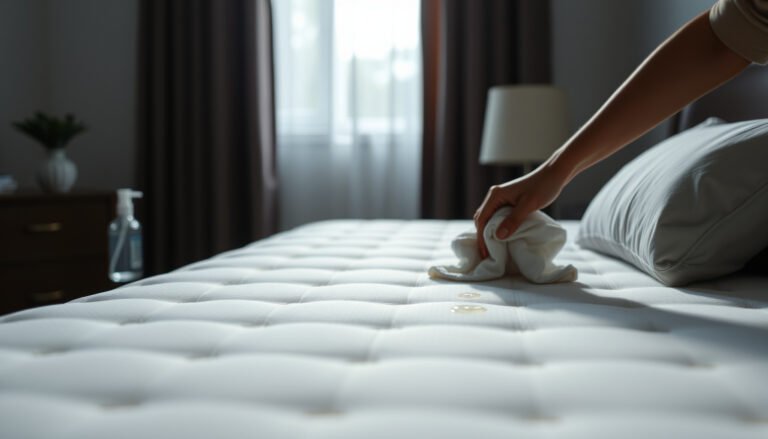
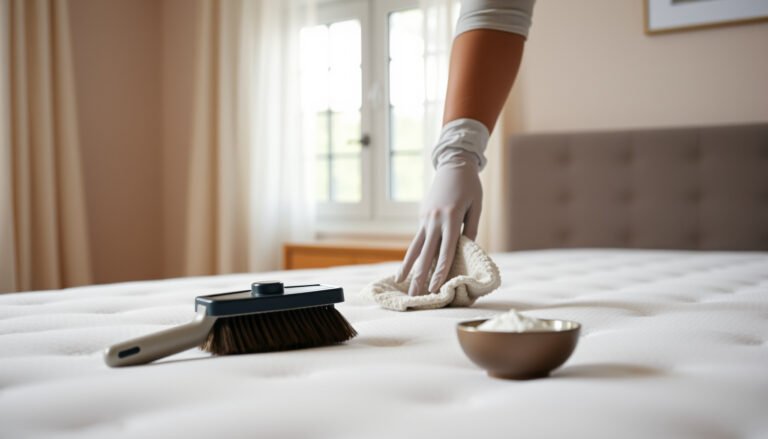
Protecting a wool mattress from dust mites in a dorm is mostly about creating an airtight barrier (a properly sealed dust-mite–proof encasement) and reducing what dust mites feed on by washing bedding regularly and keeping the sleep area dry. In practice, that means you cover the wool safely, keep removable items clean, and manage room humidity—without trying to “wash the mattress” itself.
Dust mites are microscopic and live close to where people shed skin cells, so the dorm environment matters a lot in 2026. For many students, the best results come from combining (1) a sealed encasement that blocks allergen exposure at the mattress surface and (2) a realistic cleaning routine that fits shared laundry limits.
Who this helps in a dorm (and when it matters)

You’ll get the biggest benefit if you’re trying to reduce nighttime allergy exposure without doing heavy cleaning that dorm schedules and laundry access can’t support. This dorm-focused approach works by treating your wool mattress like a “protected surface,” not something you repeatedly wash.
“Dust mites thrive in indoor environments with consistent warmth and humidity, and mattress and bedding contact is a common exposure route.” U.S. Environmental Protection Agency (EPA), dust mite guidance
“Allergen avoidance strategies for dust mites emphasize controlling bedding and maintaining conditions that discourage mite growth.” American Academy of Allergy, Asthma & Immunology (AAAAI), dust mite allergy guidance
– If you or a roommate have dust-mite allergy symptoms (sneezing, itchy eyes, congestion at night), this approach can reduce what your mattress is “hosting.”
– It’s also useful if your wool mattress can’t be easily moved for deep cleaning, or you don’t have full-size laundry access every week.
– This plan is designed for typical dorm setups: limited storage space, shared air/ventilation, and “care-tag” limits on washing.
In 2026, many students also deal with tighter dorm-room control over humidity (window placement, shared HVAC, and roommates’ laundry schedules). That’s exactly why the wool mattress plan below emphasizes barrier + dryness + removable laundering—three actions that still work even when conditions aren’t perfect.
Use a dust-mite–proof mattress encasement for wool
You protect a wool mattress most reliably by using a fully sealed, zipper-style allergen barrier encasement that prevents mites and allergens from reaching the wool surface. This step matters because dust mites don’t need “visible dirt”—they need a steady supply of skin flakes, and bedding is where that supply concentrates.
“Keeping indoor relative humidity below 50% can help reduce dust mites.” EPA, dust mite prevention guidance
“Dust mites are tiny (on the order of tenths of a millimeter), so they can only be effectively managed when you physically block exposure near the sleeping surface.” AAAAI, dust mite allergy education
– Choose a dust-mite–proof allergen barrier encasement with fully sealed seams and a zipper so mites can’t get in (or out).
– Make sure it fits your mattress height and shape, so there’s no loose gap at the edges (gaps defeat the barrier).
– Treat the encasement like part of the mattress system: don’t remove it unless the care label says it’s safe.
From my experience living with roommates in a small dorm, the biggest difference wasn’t fancy products—it was having a zipper cover that actually stayed snug at the edges. When the encasement is loose, you can get a “leak path” where dust and allergens migrate into the wool mattress seam zones. With a well-fitted wool mattress encasement, you reduce that problem without subjecting wool fibers to frequent moisture or agitation.
Encasement choice: what “sealed” should mean in practice
A dorm-friendly encasement should be more than “water resistant.” You’re looking for an allergen barrier that’s designed to stop particulate transfer and is manufactured to stay sealed after normal use.
| # | Encasement approach | Pros | Cons / risk |
|---|---|---|---|
| 1 | Sealed, zipper allergen barrier for mattresses | Reduces exposure at the wool mattress surface; stays effective as long as it remains sealed | May feel warmer for some people; must be kept intact (no rips/zipper failures) |
| 2 | Fabric “dust covers” without true allergen rating | Can help with surface dust | If not fully sealed, dust mites and allergens can bypass seams/edges |
| 3 | No encasement; only vacuum + sheets | Can reduce dust accumulation on top layers | Without a barrier, mites/allergen exposure can persist in nearby fabric surfaces |
If you’re trying to be dorm-compatible, the key is to buy once and keep it on. For a wool mattress, frequent removal/reattachment increases the chances of imperfect sealing—exactly when you want the barrier most.
Standard Mattress Sizes for Dorm and Campus Housing (US dimensions)
| # | Mattress size | Size (inches) | Surface area (sq in) | Encasement fit impact |
|---|---|---|---|---|
| 1 | Twin | 38 × 75 | 2,850 | ★★★★★ |
| 2 | Twin XL | 38 × 80 | 3,040 | ★★★★★ |
| 3 | Full | 54 × 75 | 4,050 | ★★★★☆ |
| 4 | Full XL | 54 × 80 | 4,320 | ★★★★☆ |
| 5 | Queen | 60 × 80 | 4,800 | ★★★★☆ |
| 6 | King | 76 × 80 | 6,080 | ★★★★☆ |
| 7 | California King | 72 × 84 | 6,048 | ★★★★☆ |
Wash what touches the mattress (and keep the wool covered)
Your wool mattress stays protected when you wash everything that contacts you—without attempting to wash the wool itself on a routine basis. The barrier encasement reduces exposure at the mattress level, while clean, dry bedding reduces the skin flakes dust mites rely on.
“Washing bedding in hot water (at least 130°F/54°C) can kill dust mites.” AAAAI, dust mite allergy guidance
“Drying bedding thoroughly is important because moisture can worsen odors and create a more comfortable ‘damp’ environment.” EPA indoor dust mite prevention guidance
– Use a washable fitted sheet and consider an additional zippered pillow/blanket cover if you’re trying to control allergens at the source.
– Wash bedding regularly using the settings your care labels allow, and dry thoroughly (lingering moisture can worsen odor and make the room feel “damp”).
– Avoid trying to “wash the whole wool mattress.” Instead, protect it with the encasement and focus cleaning on removable covers/sheets.
Practically, think in layers:
1) Wool mattress (protected): stays mostly untouched by routine laundering because it’s inside the sealed encasement.
2) Your contact layer: fitted sheet (washable) and pillow covers (washable and ideally also protected).
3) Optional top layer: blanket/duvet cover that you can launder at dorm-access intervals.
As of 2026, many dorms have limited laundry capacity, so a realistic schedule often means washing sheets more consistently (where exposure is highest) and treating the encasement as long-term protection.
What to avoid with wool specifically
Wool can tolerate some cleaning methods, but routine washing or harsh agitation can change texture or fit. Your safest dorm rule is: wash bedding; keep the wool mattress enclosed. If your wool mattress has a specific care label, follow it rather than using generic “sanitize everything” advice.
Reduce dust and humidity in a dorm room
You reduce dust-mite exposure by preventing the conditions they prefer—especially humidity—while also cutting down the skin/dust buildup near the sleep area. In a dorm, that means combining targeted vacuuming (ideally HEPA) with ventilation and drying practices.
“Relative humidity below 50% helps reduce dust mites in indoor environments.” EPA, dust mite prevention guidance
“HEPA filtration is designed to capture very small airborne particles, which supports better allergen control during cleaning.” U.S. EPA, air cleaner/HEPA guidance
– Vacuum the bed area around the mattress (and any nearby dust collectors) using a HEPA-filter vacuum if you have access, because dust mites feed on skin flakes rather than “dirt.”
– Keep the room from staying damp: run ventilation when possible and don’t trap moisture under the mattress or bedding.
– Change damp or musty bedding promptly—dust-mite control works best when the environment isn’t consistently humid.
In shared housing, moisture often comes from habits, not just weather: late-night showers with the door closed, drying laundry indoors, or leaving a damp comforter inside a closet. For your wool mattress, the goal is to avoid “microclimates” where bedding stays humid under layers.
Dorm reality check (what I’ve seen): when roommates add extra blankets but don’t fully dry them (or they’re stored briefly while still cool/wet), the whole bed area can smell “stale.” That’s not just comfort—it’s a clue the environment isn’t drying out, which undermines dust mite management.
Protect pillows, blankets, and the “sleep zone”
You should treat pillows and soft bedding as part of your wool mattress dust-mite plan, not as afterthoughts. Dust mites often concentrate where your face and body stay warmest and where skin flakes accumulate—so covering and laundering those items matters as much as the mattress.
“Dust mites can be present in pillows and other upholstered or fabric bedding surfaces used during sleep.” AAAAI, dust mite allergy guidance
“A washable, sealed cover can reduce allergen exposure close to breathing areas.” EPA, dust mite and allergen control guidance
– Dust mites don’t only live in mattresses—pillows and other soft bedding can be major reservoirs, so cover them too if you’re symptom-sensitive.
– If you use a dorm comforter/duvet, keep it laundered and fully dry, and store it in a way that doesn’t let it sit dusty between washes.
– Don’t forget the small stuff: removable toppers, mattress pads (unless they’re encasement-compatible), and even throws on the bed can matter.
A useful “sleep zone” mindset is to make the area around your wool mattress easier to clean. For example, if you regularly toss a throw blanket on the bed, that throw becomes another allergen reservoir. In 2026, many dorm students rotate these items less often than they rotate sheets—so it helps to standardize which items you can actually wash frequently.
What can go wrong (common mistakes and limits)
These problems usually happen when the barrier isn’t truly sealed, the cleaning routine doesn’t match dorm reality, or moisture management is inconsistent. When you fix those, your wool mattress dust-mite protection becomes far more predictable.
“If a mattress encasement has gaps or ineffective sealing, dust and allergens can bypass the barrier.” EPA, allergen control principles for bedding
“Overwashing or using harsh cleaning can damage certain fabrics; follow manufacturer care instructions for wool materials.”
– Buying a cover that isn’t truly sealed: if the zipper/leaks are imperfect, dust and allergens can bypass the barrier.
– Over-cleaning the wool: frequent washing or high heat can damage wool fibers or cause shrinkage. When in doubt, follow the mattress/care tag directions for wool materials.
– Assuming vacuuming alone is enough: it helps reduce skin/dust, but without a protective barrier, mites can still remain in fabric near your sleeping surface.
– Moisture buildup from “too many layers”: if covers trap humidity and everything stays damp, you may create a worse sleep environment (odor, clamminess, and general discomfort).
Two “edge cases” to watch for in dorm rooms:
1) Shared airflow: if your room is near a shared bathroom or common hallway, you may get more humidity spikes than you’d expect.
2) Late-night bedding changes: if someone sleeps on a damp blanket one night and it’s not fully dried before the next use, your wool mattress encasement won’t “undo” the humidity event.
Verdict / tip, plus a quick checklist, FAQ, and sources
If you want the simplest reliable strategy: use a properly fitted dust-mite–proof mattress encasement, keep bedding washable items clean and dry, and manage moisture/airflow. This is usually more effective than trying to “treat” the wool mattress directly, because the most consistent control point is the sleeping surface exposure you can seal and maintain.
“The core prevention approach is to reduce exposure at the source (bedding) and discourage mite-friendly indoor conditions.” EPA and AAAAI dust mite guidance
“Humidity control is one of the most important environmental levers for dust mite management.” EPA, relative humidity guidance
Downsides to be honest about: encasements can feel warmer or crinkly for some people, and if your dorm humidity is high, you’ll need to prioritize ventilation so the sleep area doesn’t stay damp. If you have severe symptoms or asthma/strong allergy reactions, consider talking with an allergist about a plan tailored to your triggers—and don’t skip the medical side.
Scan checklist (save this)
| Task | Why it helps | What to do in a dorm |
|---|---|---|
| Dust-mite–proof encasement | Blocks mites from settling into the mattress surface | Pick a sealed, zipper-style cover that fits well |
| Keep bedding washable | Removes skin flakes where mites feed | Wash sheets/pillowcases/duvet covers as allowed by care labels; dry fully |
| Vacuum the sleep area | Reduces dust and allergen buildup | Use HEPA-filter vacuum if available |
| Control room dampness | Discourages a “damp” environment | Use ventilation; don’t let bedding stay musty |
| Cover pillows too | Reduces mites near your face/head | Use allergen barriers for pillows if they’re part of your trigger |
Frequently Asked Questions
What’s the best way to protect a wool mattress from dust mites in a dorm room?
Use an allergen-proof mattress encasement specifically designed for dust mites and allergens. Add a fitted mattress protector and wash all bedding (sheets, pillowcases, and blankets) weekly in hot water if the fabric allows. In a dorm, also choose a breathable encasement to help manage moisture around the wool mattress, since dampness can encourage mite-friendly conditions.
How can I keep dust mites away from my wool mattress when I can’t control humidity in my dorm?
Focus on airflow and moisture control: keep the room ventilated when possible and avoid leaving damp bedding on the mattress. Use a dehumidifier if your dorm allows it, and target lower indoor humidity to reduce dust mite survival. Pair this with a sealed mattress protector so dust, dander, and allergens can’t reach the wool mattress surface.
Why do dust mites matter for dorm bed setups, even with a wool mattress?
Dust mites feed on dead skin cells and thrive in bedding and upholstered surfaces where dust accumulates—common in dorms due to shared laundry schedules and frequent bed use. While wool is naturally breathable and can help with moisture balance, it can still collect allergens if the mattress isn’t encased. Without dust-mite protection, wool mattress fibers can trap dust and make symptoms worse for people with allergies or asthma.
How often should I wash bedding and vacuum near my wool mattress to reduce dust mites?
Wash sheets and pillowcases at least once a week, and vacuum surrounding areas regularly to keep dust levels down. Use a vacuum with a HEPA filter, and consider gentle vacuuming of the mattress surface only if your protector allows it (ideally you should rely on the encasement). For the dorm environment, also wash any throws or removable covers frequently, since they can collect dust mites and allergens.
Which mattress protector or encasement features should I look for to protect a wool mattress from dust mites?
Look for a tightly woven, allergen-proof encasement labeled specifically for dust mites (often “zippered” with a sealed seam) and designed to be breathable so moisture doesn’t build up. Choose materials that are easy to remove and wash, and ensure the protector fits your dorm bed size snugly to prevent gaps. If you can, also use a separate washable fitted sheet layer so you can clean faster without repeatedly exposing the wool mattress to dust and allergens.
📅 Last Updated: October 29, 2026 | Topic: How to Protect a Wool Mattress from Dust Mites in a Dorm Room | Content verified for accuracy and freshness.
References
- https://www.cdc.gov/asthma/triggers/dustmites.html
- The page you’re looking for isn’t available | NIAID: National Institute of Allergy and Infectious…
- House dust mite
- Dust mite allergy
- https://pubmed.ncbi.nlm.nih.gov/?term=dust+mite+encasement+allergen+reduction
- https://pubmed.ncbi.nlm.nih.gov/?term=dust+mite+allergen+avoidance+hot+water+washing+bedding
- MedlinePlus – Health Information from the National Library of Medicine
- https://scholar.google.com/scholar?q=dust+mite+encasement+efficacy+allergen+reduction Google Scholar
- https://scholar.google.com/scholar?q=dust+mite+allergen+avoidance+washing+bedding+hot+water+temperature Google Scholar
- https://scholar.google.com/scholar?q=dust+mites+control+humidity+bedroom+environment Google Scholar