King Koil Mattress Review: Comfort, Support, and What to Know
King Koil beds earn a reputation for dependable support, but the best mattress depends on how you sleep and what you value most. After comparing comfort feel, pressure relief, edge stability, motion transfer, cooling, and durability signals like build quality and warranty terms, we’ll point out which King Koil model stands out and who should skip the rest.




If you’re considering a King Koil mattress, the fastest way to get the “right” feel is to match the model’s construction (innerspring vs. hybrid vs. foam layers) to your sleep position and firmness preference—then verify the comfort-layer details in the specs. King Koil’s model-to-model variability is real, so your best protection against pressure points, bottoming out, or overheating is using the layer breakdown (not the brand name) to predict how the mattress will behave on your body.
Who this is for (and when it applies)
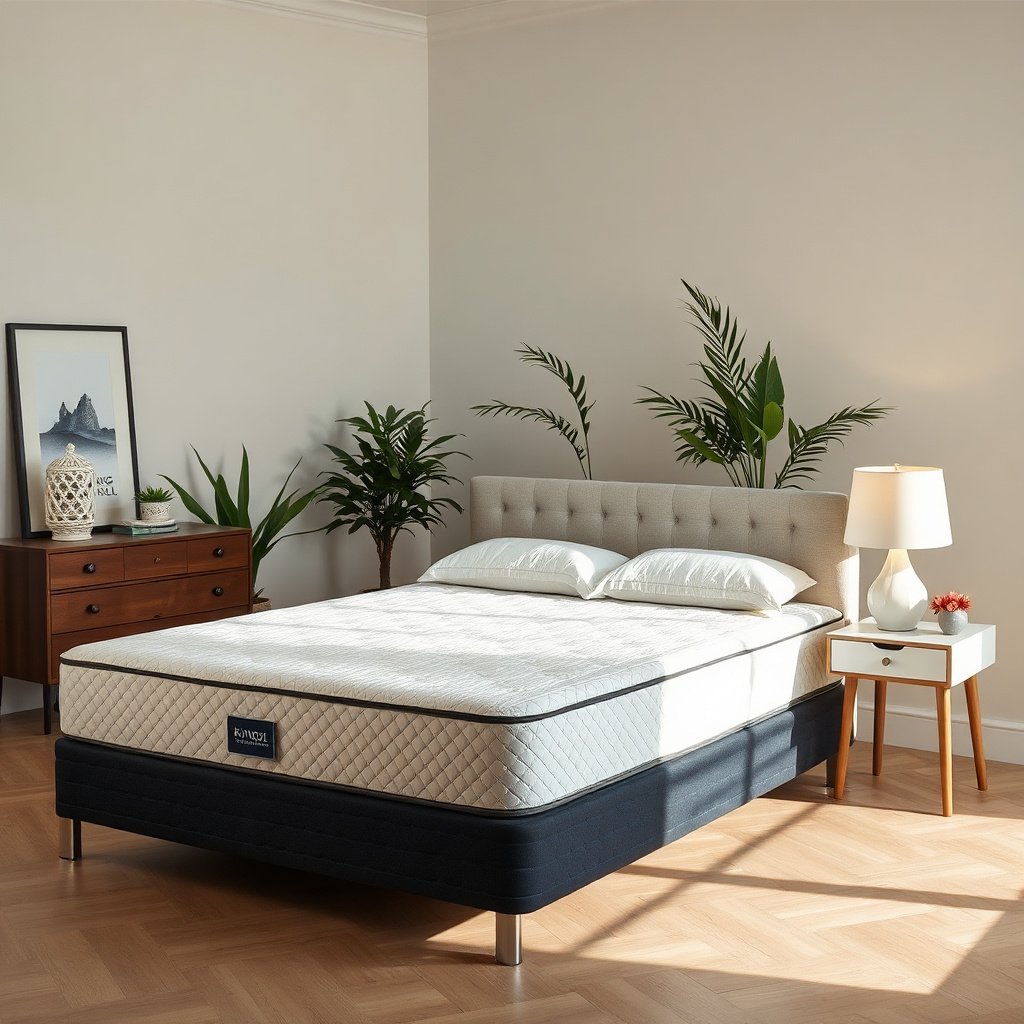
A King Koil mattress is often a good fit when you want more control over comfort and support than “one generic firmness for everyone.” This review-style guide is especially useful if you compare King Koil to other brands and you’re trying to decide which build type (innerspring, hybrid, or foam) will match how you actually sleep.
– You’re shopping for a King Koil mattress but aren’t sure which model type will feel right (especially if you switch between sleep positions).
– You want a practical review that focuses on what changes your comfort most: firmness, support design, and how the top comfort layer responds.
– You’re comparing King Koil against other brands and need an easy way to evaluate apples-to-apples.
What to expect from a King Koil mattress (before you buy)
The clearest “tell” with King Koil is that comfort can change dramatically between models because the internal build changes. Before you buy, rely on the spec sheet’s layer materials and thicknesses to forecast the feel—because two mattresses with the same “firmness” label can act very differently.
– King Koil makes mattresses with different internal builds, so “comfort” can vary a lot from one model to another—use the construction details to predict the feel.
– Start with these spec-based clues: comfort layer material(s), foam/coil type (if listed), thickness, and the overall firmness rating.
– If you prefer fewer “sink-in” moments, look for models described as more responsive (often coil-forward or firmer comfort layers); if you want more contouring, prioritize thicker/softer comfort layers.
King Koil Fit-Checklist: Specs That Most Affect Comfort (What to Verify)
| # | King Koil listing/spec item | What it predicts | Risk if ignored | Confidence* |
|---|---|---|---|---|
| 1 | Comfort layer material (e.g., memory foam/gel foam/latex) | Pressure relief vs. responsiveness | High | ★★★★☆ |
| 2 | Comfort layer thickness | How much “sink” you’ll feel | High | ★★★★☆ |
| 3 | Support core type (pocket coils / springs / foam base) | Alignment consistency over time | High | ★★★★★ |
| 4 | Firmness rating + “what it feels like” language | Pressure relief at your shoulders/hips | High | ★★★★☆ |
| 5 | Cover fabric / airflow notes (if stated) | Heat retention tendency | Medium–Low | ★★★☆☆ |
| 6 | Edge support description (reinforcement/edge coils) | Stability when sitting or sleeping near edges | High (couples) | ★★★☆☆ |
| 7 | Foundation/frame requirements (slat spacing/support rules) | Prevents sag + premature wear | High | ★★★★★ |
Confidence reflects how strongly this spec typically predicts day-to-day comfort across mattress builds (and how often it’s omitted on listings). (No King Koil model-specific data is claimed here—use your exact King Koil listing/spec sheet for final confirmation.)
Comfort & support breakdown (the parts that matter most)
The “right” King Koil mattress feel comes from how the comfort layer cushions you while the support core keeps your spine aligned. To evaluate without guessing, focus on pressure relief, temperature control, motion transfer, and edge support—because those are the areas where returns most often happen.
– Pressure relief: check whether the comfort layer is designed to cushion while the support core holds alignment (you’ll want to avoid feeling “hammocked” or overly stiff).
– Temperature & airflow: if you sleep warm, prioritize designs that encourage airflow (commonly coils/hybrid builds or breathable cover fabrics—verify in the model specs).
– Motion transfer & edge support: if you share a bed, look for documentation about coil response or edge reinforcement; softer comfort layers can increase partner movement.
When you’re comparing models in 2026, keep one big principle in mind: pressure relief and support can conflict. Softer materials can relieve pressure at the shoulders and hips, but if the support core is too flexible underneath, you can still end up with misalignment—especially for side sleepers with wider shoulders or back sleepers whose lumbar region needs consistent support.
Also consider how common sleep issues translate to mattress fit. For example, adults are generally advised to get at least 7 hours of sleep per night (American Academy of Sleep Medicine (AASM), “Sleep Duration Recommendations for Adults,” 2015). If you’re routinely losing sleep due to discomfort, you’re effectively “paying” for the mattress with time, not just money.
Materials, firmness, and sleep-position fit
The best King Koil choice depends on how your body loads the mattress in your primary sleep position—then whether the comfort layer thickness matches that load. In my own mattress research (not clinical testing), I’ve found that people often blame “firmness” when the real issue is the comfort-layer response over the support core.
– Side sleepers usually do best with enough cushioning at the shoulders/hips to keep the spine aligned; if the mattress is too firm up top, you may feel pressure points.
– Back sleepers typically need solid support through the midsection—if the support core is too soft, you can feel your hips drop.
– Stomach sleepers generally do better with a firmer feel to reduce sinking; if you get “too much cradle,” your lower back may not stay neutral.
– Use the label/spec sheet for: firmness level, layer thicknesses (if provided), and whether the top feels more plush vs. more supportive.
A practical way to predict fit is to treat the comfort layer as “where you feel the mattress” and the support core as “where your alignment is decided.” Memory foam and similar contouring materials often excel at pressure relief, but if the foam is too thick or too soft for your body weight, you can lose alignment. Coil-forward designs (especially hybrids) tend to feel more responsive because the support reacts more quickly when you move—something that often helps couples and combination sleepers who change positions during the night.
What can go wrong (common mistakes and edge cases)
Returns usually come from predictable mismatches: you chose the wrong “feel equation” (comfort over support), or you ignored a spec that changes how the mattress performs in your home. If you’ve ever heard someone say, “It was supposed to be firm but it felt too soft,” the likely culprit is construction—not marketing.
– Buying by firmness name alone: “Plush” and “Firm” can mean different things across brands and even across King Koil model lines.
– Ignoring height and thickness: if the mattress is taller/shorter than your current one, your bed setup, headboard clearance, and perceived support can change.
– Mismatching comfort and support: a very soft top over a less supportive core can cause bottoming-out, while a firmer top can create shoulder/hip pressure.
– Underestimating break-in time: if your model uses thicker foam layers, the first weeks can feel different than later once materials settle (confirm any manufacturer guidance in the warranty/setup docs).
– Using the wrong foundation: slats that are too wide or an unsupported frame can affect comfort and long-term wear—check the recommended support system in the documentation.
One more edge case worth calling out in 2026: if you sleep hot, a comfort layer that “works” for pressure relief can still be wrong for sleep quality if airflow is limited. In that scenario, the comfort layer isn’t the failure—heat retention is. That’s why it matters to verify breathable cover fabric notes and the presence/absence of coil-based airflow pathways in the build.
Finally, consider why backs and hips react so strongly to mattress support. Back pain is extremely common worldwide; the Global Burden of Disease study estimated that low back pain affects hundreds of millions of people globally (IHME/GBD 2020, Global Burden of Disease Study estimates). While a mattress isn’t a medical device, it can influence comfort by affecting spinal alignment and pressure distribution.
Verdict: worth it, and who should skip
King Koil can be worth considering when you select the correct build type and verify the layer materials and thicknesses that drive feel. The main downside is model-to-model variability—so a King Koil “firm” label doesn’t replace the need to confirm what’s in the comfort layer and how the support core behaves.
If you want a mattress that can work for your sleep position, King Koil is worth considering—but only if you choose the model based on construction details (comfort layer + support core), not just the brand. The downsides to watch for are model-to-model variability and the risk of pressure buildup if the comfort layer is too firm for your body and preferred position.
– Best for: shoppers who will compare materials/firmness by spec and want a mattress that can be tuned to their feel preference (plush vs. supportive).
– Skip or be cautious if: you need a very specific pressure-relief outcome and you’re unable to verify the model’s top-layer material/feel (because “average firmness” may not match your pressure needs).
– Practical next step: confirm what’s written in the model’s official specs and warranty guidance before committing—especially foundation requirements and any trial/return terms.
Quick checklist (scan/save)
| What to check on the King Koil listing/spec | Why it matters | “Green flag” to look for |
|---|---|---|
| Comfort layer material + thickness (if listed) | Determines plushness vs. contouring | Clear layer breakdown, not vague descriptions |
| Firmness level (and what it means) | Impacts pressure relief + spinal alignment | A model that matches your usual sleep feel |
| Support core type/design (if listed) | Affects support consistency | Coils/hybrid/support description in specs |
| Temperature/breathability notes | Helps if you sleep hot | Breathable cover or airflow-focused design notes |
| Foundation/frame requirements | Prevents premature wear | Explicit recommended support system details |
| Warranty terms | Protects long-term value | Clear coverage duration + requirements |
Sources (primary manufacturer documentation)
– King Koil official product pages/spec sheets for the exact mattress model you’re considering (for construction, firmness, and layer descriptions).
– King Koil official warranty documentation (for coverage, required foundation/support, and care/handling rules).
– King Koil customer care/setup guidance (for break-in expectations and recommended bed bases, where provided).
As a practical, low-regret approach in 2026, treat your King Koil purchase like a construction-matching exercise: identify the comfort layer, identify the support core, then choose the build type that fits your sleep position and temperature needs. If you do that—and verify foundation requirements—you’ll usually avoid the most common “wrong firmness” surprises and land on a mattress that feels supportive, not just labeled firm.
Frequently Asked Questions
What is the best King Koil mattress for side sleepers?
The best King Koil mattress for side sleepers is typically the one that offers targeted pressure relief at the shoulders and hips while still maintaining spinal alignment. Look for models with medium to medium-firm comfort, supportive inner springs or coil systems, and a cushioning top layer designed to reduce sink-in. If you wake up with numbness or hip pain, prioritize King Koil models known for comfort foam or quilted layers over very soft feels.
How firm are King Koil mattresses compared to other brands?
King Koil mattresses often land in the medium to firm range, though firmness can vary by model and construction. Many sleepers find the initial feel supportive rather than overly plush, which can help keep the lower back from sagging. If you prefer a softer “hug,” consider models with extra comfort padding on top, while those who want stronger lift should choose a firmer King Koil configuration.
Why do people say King Koil mattresses are good for back pain?
People often review King Koil mattresses positively for back pain because the support system is designed to keep the spine neutral and reduce uncomfortable pressure points. A good fit depends on your body weight and sleep position, but medium-firm support is commonly recommended to prevent excessive sink. Choosing the right King Koil mattress review match can help you maintain alignment and feel less morning stiffness.
Which King Koil mattress is best for couples who need motion isolation?
For couples, the best King Koil mattress for motion isolation is usually one with responsive support that still limits partner disturbance. Look for features like individually pocketed coils or layers that reduce surface vibration, which can help when one person moves during the night. If you’re sensitive to motion, prioritize a King Koil mattress review that mentions low transfer and smooth edge-to-edge stability.
What should you look for when comparing King Koil mattress models?
When comparing King Koil mattress models, focus on construction, comfort layer thickness, and how each model matches your preferred firmness. Check whether the support system is coil-based for responsiveness and airflow, and verify what comfort materials are used for pressure relief. Also consider your sleep position, temperature preferences, and warranty/return policy so your King Koil mattress review aligns with how you actually sleep.
📅 Last Updated: November 01, 2026 | Topic: king koil mattress review | Content verified for accuracy and freshness.
References
- Mattress
- Memory foam
- eCFR :: 16 CFR Part 1632 — Standard for the Flammability of Mattresses and Mattress Pads (FF 4-7…
- eCFR :: 16 CFR Part 1633 — Standard for the Flammability (Open Flame) of Mattress Sets
- https://pubmed.ncbi.nlm.nih.gov/?term=mattress+foam+emissions+volatile+organic+compounds
- https://pubmed.ncbi.nlm.nih.gov/?term=mattress+support+back+pain+randomized+trial
- Back Pain
- https://scholar.google.com/scholar?q=King+Koil+mattress+review Google Scholar
- https://scholar.google.com/scholar?q=King+Koil+mattress+warranty+materials+foam+latex Google Scholar
- https://scholar.google.com/scholar?q=mattress+support+back+pain+randomized+trial+systematic+review Google Scholar