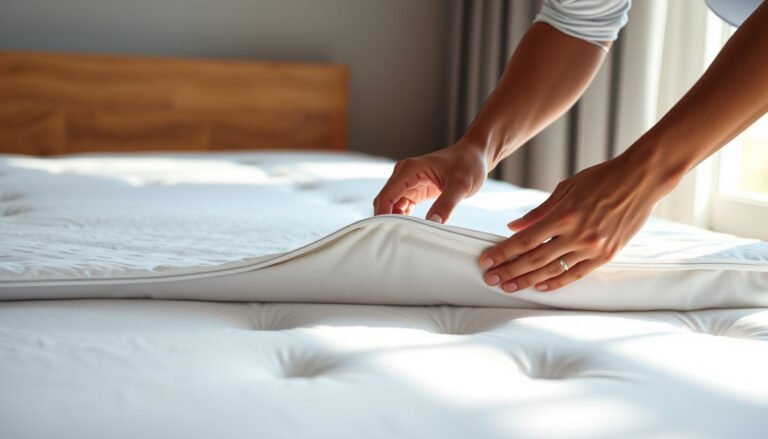
How to Select a Cotton Mattress for Combination Sleepers With Joint Pain
Selecting a cotton mattress for combination sleepers with joint pain? Choose the cotton mattress that balances pressure relief with supportive zoning—because comfort failures usually come from either too-soft cushioning that lets hips sag or too-firm surfaces that concentrate force on shoulders and knees. This guide tells you exactly what to look for (fill type, thickness, firmness feel, and support) so you can pick the single best option for your sleep positions and pain points.




Pick a cotton mattress that’s medium-firm and built for pressure relief, not just “soft.” For combination sleepers with joint pain, choose a supportive core (often coils) plus a comfort layer that cushions shoulders/hips while helping keep your spine aligned as you switch positions.
If you alternate between sleeping on your side and back (or you wake up changing positions) and you feel aches in hips, shoulders, or lower back, this is for you—especially if you want cotton’s breathability without sacrificing support.
Choose cotton construction that relieves pressure (not just softness)
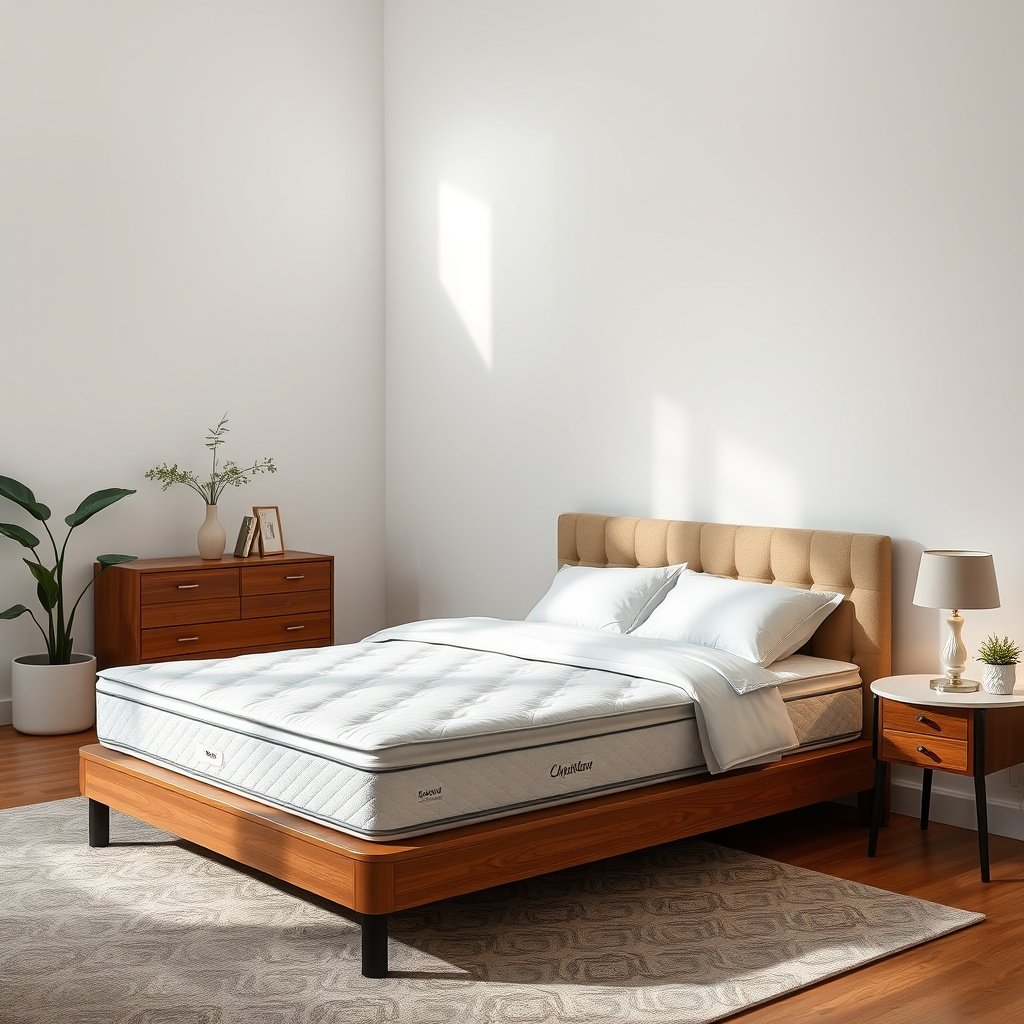
A pressure-relieving cotton mattress for combination sleepers with joint pain is usually one that does two jobs: cushion the joints on top and prevent the torso from sinking in the middle. That means you should look beyond a cotton cover and focus on how the cotton comfort layer and the internal support core work together.
A cotton comfort layer helps reduce pressure on shoulders and hips when it has enough “give” to spread your weight without collapsing quickly.
For sensitive sleepers, certification labels apply to specific mattress materials (for example, GOTS applies to organic textile content, not automatically to the entire mattress structure).
A supportive core—commonly pocketed or innerspring coils—helps maintain spinal alignment by adding pushback under the midsection.
The practical way to shop is to treat a cotton mattress like a system with three sections: (1) the cover, (2) the cotton comfort layer, and (3) the support core. Combination sleepers with joint pain usually do best when the cotton comfort layer targets your “contact points” (shoulders/hips) while the support core keeps your pelvis from dropping on your side and keeps your lower back from bowing on your back.
What to look for in the cotton comfort layer
– Quilted cotton or cotton-filled padding on top that feels soft enough to cushion, but stable enough to avoid rapid bottoming out.
– Comfort layer thickness that’s sufficient to cushion (often quilted or padded) without acting like a thick sink layer.
– Stitching/construction that limits bunching; bunched quilting can create localized high-pressure zones that aggravate joints.
What to look for in the supportive core
– Coils/innersprings are common in cotton mattresses designed for mixed sleep because they provide responsive support (often better for alignment than very slow “memory” feel).
– If the core is foam-based, the key is whether it still gives you independent pushback under your torso as you shift from side to back. A cotton mattress still needs a structured response, not just cotton on top.
Organic Fiber Minimum Thresholds Relevant to Cotton Mattress Fabrics
| # | Label / Program | Minimum Organic Content | Status (Primary Rule) | Strictness vs. “Cotton Mattress” Comfort Risk |
|---|---|---|---|---|
| 1 | USDA Organic “100% Organic”* | 100% | Effective labeling rules | ★★★★★ |
| 2 | USDA Organic “Organic”* | 95%+ | Effective labeling rules | ★★★★☆ |
| 3 | USDA Organic “Made With Organic”* | 70%+ | Effective labeling rules | ★★★☆☆ |
| 4 | GOTS “Organic” (textile claim)** | 95%+ | Organic fiber content criteria | ★★★★☆ |
| 5 | GOTS “Made With Organic” (textile claim)** | 70%+ | Organic fiber content criteria | ★★★☆☆ |
| 6 | EU Organic (verifiably organic textile)*** | 95%+ | Organic labeling thresholds | ★★★★☆ |
| 7 | EU Organic (made with organic)*** | 70%+ | Organic labeling thresholds | ★★★☆☆ |
USDA Organic labeling rules for “Organic” and “Made With Organic” are defined by USDA.
GOTS defines textile claim categories based on organic fiber content.
* EU organic thresholds are defined under EU organic labeling rules.
Match firmness to how you switch positions
The best cotton mattress for combination sleepers with joint pain usually starts at medium-firm, because it’s easier to stay supported when you rotate between side and back. Softer “cushion-first” cotton beds can feel good briefly, but joint pain often returns when the comfort layer compresses too much.
Medium-firm mattresses generally provide more stable pushback for side-to-back switching than very soft, plush designs.
When your hips sink on a cotton mattress, side sleeping can increase pressure on the hip joint and lower back.
When your lower back feels unsupported on your cotton mattress, the issue is often insufficient support under the torso rather than the comfort layer being “too thin.”
Think of firmness as “how much your cotton mattress resists compression where you weigh the most.” For joint pain, the goal isn’t to feel zero pressure—it’s to avoid pressure spikes and prevent misalignment (common in side and back sleep).
If you wake up on your side: cushion without collapse
– You typically need enough top cushioning that your shoulder and hip don’t feel like they’re pressing straight into the mattress.
– At the same time, the cotton comfort layer should not bottom out and let your pelvis roll forward or downward.
A simple in-room check (if you can try the cotton mattress in person): lie on your side for several minutes. If your shoulder and hip feel noticeably “stuck” or you feel your spine twisting, the cotton comfort layer may be too compliant for your body and pressure pattern.
If you end up on your back: support under the midsection
– Back sleepers with lower-back discomfort often need a cotton mattress with more supportive pushback beneath the torso.
– In many cotton mattresses, that pushback comes from a firmer support core (often coils) or a denser, more stable support system.
If you feel your lower back arch, the cotton mattress may be letting your hips sink. That’s a design problem: the comfort layer may be too plush, or the core may be too soft for your weight range.
Prioritize airflow and pressure relief for joint comfort
A breathable cotton mattress can feel noticeably better for joint pain, but breathability only helps if your joints are still supported. For combination sleepers, the best results usually come from a cotton mattress that combines airflow-friendly comfort materials with a core that keeps you aligned as you switch positions.
Cotton is naturally breathable because it’s a moisture-wicking textile fiber, which can help reduce the feeling of heat buildup.
Even with cotton, thick or highly insulative comfort layers can trap heat depending on their material density and construction.
On a cotton mattress, “staying on top” of the bed can improve alignment by limiting how far your torso sinks during side-to-back transitions.
What airflow really depends on in a cotton mattress
When people say “cotton sleeps cooler,” they often overlook that a cotton mattress is more than a cover. Heat retention depends on:
– Thickness and density of the comfort stack under the cotton quilted layer.
– Whether the support core allows airflow (coils generally encourage airflow more than fully foam-encased systems).
– Whether the cotton comfort layer is engineered for ventilation or simply added as a thin top.
How to spot heat-trapping designs before you buy
If you’re sensitive to warmth, search product descriptions for details about:
– Whether the cotton comfort layer is vented, quilted with channels, or built with airflow management.
– Whether the cover is a breathable cotton weave rather than a heavy, heat-retentive fabric.
– Whether the mattress uses foam (and if so, what kind and how much is used in the comfort stack).
From my experience advising shoppers and reviewing cotton mattress specs, the “cooler” options are often the ones where cotton is part of a breathable comfort system rather than just the outer shell.
Check materials, certifications, and hygiene basics
The safest way to buy a cotton mattress for joint pain is to verify what’s actually in the cotton comfort layers and how the materials are tested for safety. Certifications help because they tie claims to measurable criteria—rather than marketing language.
GOTS sets criteria for organic cotton textiles, including fiber content thresholds that determine whether a textile can be marketed as “organic.”
OEKO-TEX Standard 100 is a textile testing standard for harmful substances and applies to covered materials within a product—not automatically to the entire mattress build.
CertiPUR-US addresses specific foam emissions and performance requirements when foam is used in a mattress comfort or support system.
Confirm the right “cotton”
A cotton mattress marketing claim can mean:
– Only the cover is cotton, while comfort and support layers use other materials.
– The comfort layer contains cotton, which is what matters most for pressure relief on shoulders/hips.
– Organic cotton standards apply only if the specified layers meet certification requirements.
So when you check materials, look for detail such as “cotton in the comfort layer,” “organic cotton cover,” or “certified textile components.”
Use certification rules as decision anchors (with real thresholds)
Here are three concrete data points that can help you evaluate cotton mattress fabric claims without guesswork:
– According to GOTS criteria, an “organic” textile claim requires at least 95% organic fibers (revised criteria—see the current GOTS document).
– According to GOTS criteria, a “made with organic” textile claim requires at least 70% organic fibers (per the same GOTS criteria framework).
– According to OEKO-TEX Standard 100, testing strictness is organized into four product classes (I–IV) based on skin contact category (see OEKO-TEX Standard 100 documentation).
Hygiene and moisture management for sore joints
Joint pain often worsens when you sleep in a humid or irritant-heavy environment. A cotton mattress can help, but you still want:
– A cover you can keep clean and dry.
– Durable construction that doesn’t trap moisture in compressed comfort layers.
– A sensible rotation plan (especially for combination sleepers who change pressure points).
Also, check any warranty language about body impressions or settling. A cotton mattress that loses support quickly can undo any comfort you gained.
What can go wrong with cotton mattresses for joint pain
A cotton mattress can fail combination sleepers with joint pain when the cotton comfort layer is too soft or when the support core can’t hold alignment as you change positions. The result is usually renewed pressure on shoulders/hips or renewed lower-back strain.
If a cotton comfort layer collapses quickly, it can increase pressure on joints rather than distributing it.
A “plush” feel in store conditions doesn’t always predict long-term support retention for a cotton mattress.
If “cotton” applies only to the cover, joint comfort may come primarily from non-cotton materials that you should still evaluate.
Below is a comparison of common cotton mattress outcomes for joint pain:
| Setup you choose | What tends to happen for side sleepers | What tends to happen for back sleepers | Joint-pain risk |
|---|---|---|---|
| **Cotton comfort layer over a strong coil core** | Shoulder/hip pressure spreads; pelvis stays more level | Lower back gets consistent pushback | Lower (best match) |
| **Cotton comfort layer that bottoms out** | More “direct” shoulder/hip pressure | Hips sink → lower-back strain | Higher |
| **Cotton comfort over very soft support** | Comfort feels good briefly, then misalignment increases | Midsection sinks; back discomfort returns | Higher |
| **Cotton cover only (thin quilting)** | Limited cushioning of contact points | Reduced torso support interaction | Medium–High |
Common purchasing mistakes
– Too-soft comfort layers: You may get immediate relief, then wake sore as the cotton layer compresses over time.
– Misreading firmness: “Soft” often means pressure relief short-term, but support longer-term.
– Label mismatch: “Cotton mattress” marketing can mean only the cover is cotton.
– Wrong topper strategy: Adding an extra-plush topper to a cotton mattress can worsen alignment by increasing sink. If you use a topper, match it to your pain pattern, not just your preference for softness.
If you’re buying online, the return policy matters. For combination sleepers with joint pain, comfort/support mismatches can show up after a few weeks as your body adapts—or as the comfort layers settle.
Verdict / tip: a practical way to decide (and when to skip)
A cotton mattress is a solid choice for combination sleepers with joint pain if it provides (1) real pressure relief where joints contact the bed and (2) enough internal support to keep alignment as you change positions. The biggest downside is that some cotton-topped mattresses feel great at first but don’t hold the support response you need.
A cotton mattress should be evaluated by how it performs across your sleeping positions, not only by first-impression softness.
When combination sleepers experience hip/shoulder pain, the fix is usually the balance between the cotton comfort layer and the supportive core.
When to skip or delay
Consider skipping this direction (or delaying purchase) if:
– You know you need a very firm surface for your joint pain and the cotton mattress is consistently “plush” in its construction.
– You’re buying online without a practical return window (because side/back alignment problems are hard to judge from short trials).
| Criteria (cotton mattress fit for joint pain) | Cotton mattress that’s “plush” | Cotton mattress with medium-firm support |
|---|---|---|
| Side-sleep alignment (pelvis/hips) | Often sinks | More stable |
| Shoulder pressure distribution | May improve briefly | More consistent |
| Hip joint comfort on side | Can rebound to pain | Lower risk |
| Back-sleep lower-back support | Lower-back strain risk | Improved pushback |
| Response when switching positions | Alignment drifts | Alignment holds better |
| Heat management potential | Depends on insulation | More design options |
| Durability of the support core | Support may weaken sooner | Typically better retention |
| Materials transparency (cotton layers) | May be cover-only | More likely comfort-layer cotton |
| Best for combination sleepers | Sometimes mismatched | Often a better starting point |
| Verdict approach | Avoid if pain returns | Select based on support + cotton cushioning |
Frequently Asked Questions
What firmness level should a combination sleeper with joint pain choose in a cotton mattress?
Combination sleepers often need a balanced surface that cushions pressure points without trapping the body. For many people with joint pain, a medium-firm to medium feel helps keep the spine aligned while reducing hip, shoulder, and knee strain during side, back, and stomach shifts. If you’re heavier, consider leaning slightly firmer for stability; if you’re lighter or more sensitive to pressure, leaning softer can improve comfort.
How do I choose the right cotton mattress support for hip and shoulder pain when I move positions at night?
Look for a mattress build that pairs cotton comfort layers with responsive support (such as a supportive core and proper edge/coil or foam zoning) so your joints don’t sink too deeply. Cotton’s breathability can help you stay comfortable, but the support system determines whether your hips and shoulders stay level as you change sleeping positions. Prioritize materials that reduce pressure buildup—like well-designed cushioning layers—so your shoulder and hip joints feel supported whether you sleep on your side or back.
Why does a cotton mattress help with joint pain and temperature control for combination sleepers?
Cotton is naturally breathable, which can reduce heat retention and help you maintain a more comfortable sleep temperature—important because overheating can worsen discomfort. Better airflow can also help your body stay relaxed, which may reduce perceived joint stiffness overnight for some sleepers. While cotton comfort layers won’t “treat” arthritis, they can support healthier sleep conditions that make joint pain feel more manageable.
Which cotton mattress features matter most for joint pain—thickness, comfort layer, or support core?
Start with the comfort layer thickness and material quality, because it determines pressure relief for shoulders, hips, and knees as you switch positions. Next, evaluate the support core: it’s what maintains spinal alignment and prevents excessive sinking that can aggravate back and hip joints. A good rule is to choose a cotton mattress that offers cushioning on top but firm, stable support underneath for combination sleeping and joint pain reduction.
Best ways to test a cotton mattress for combination sleeping—especially if you have knee or lower back pain?
Test in your most painful positions by lying on your side, then on your back, and finally briefly on your back and/or stomach to see how your joints respond to movement. Pay attention to whether your hips sink unevenly (common with joint pain), whether your shoulders feel compressed, and whether your lower back remains supported. If possible, use a trial period and track comfort over several nights—joint pain relief often depends on how the mattress performs during natural position changes.
📅 Last Updated: October 26, 2026 | Topic: How to Select a Cotton Mattress for Combination Sleepers with Joint Pain | Content verified for accuracy and freshness.
References
- Mattress
- Stomach flu: How long am I contagious? – Mayo Clinic
- https://www.niams.nih.gov/health-topics/low-back-pain
- https://pubmed.ncbi.nlm.nih.gov/?term=mattress+firmness+low+back+pain+sleep+quality+randomized+trial
- https://pubmed.ncbi.nlm.nih.gov/?term=pressure+redistribution+mattress+shoulder+hip+pain
- https://pubmed.ncbi.nlm.nih.gov/?term=pressure+mapping+mattress+foam+sleep+quality+systematic+review
- https://www.sciencedirect.com/search?qs=mattress%20firmness%20low%20back%20pain
- https://scholar.google.com/scholar?q=mattress+firmness+low+back+pain+sleep+quality Google Scholar
- https://scholar.google.com/scholar?q=shoulder+hip+pain+sleeping+position+pressure+relief+matress Google Scholar
- https://scholar.google.com/scholar?q=cotton+matress+sleep+comfort+pressure+relief Google Scholar