
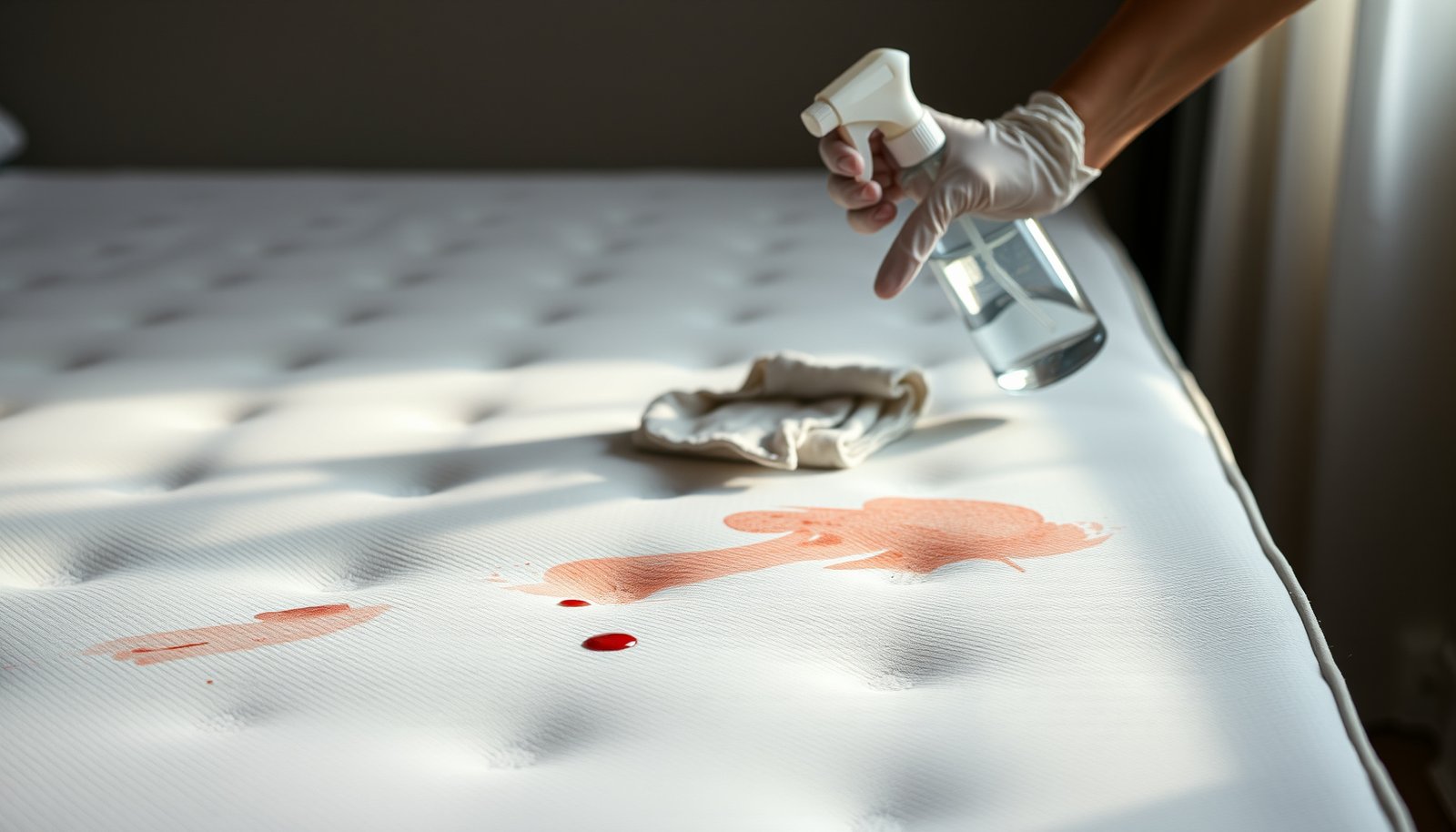
How to Clean a Memory Foam Mattress with Blood Stains Safely
You can clean a memory foam mattress with blood stains safely without damaging the foam—here’s the best method that actually works. This guide walks you through the correct way to remove fresh or dried blood using safe, non-saturating cleaning steps and the right disinfecting approach. You’ll know exactly what to do first, what to avoid, and how to get the mattress fully dry so it doesn’t smell or degrade.
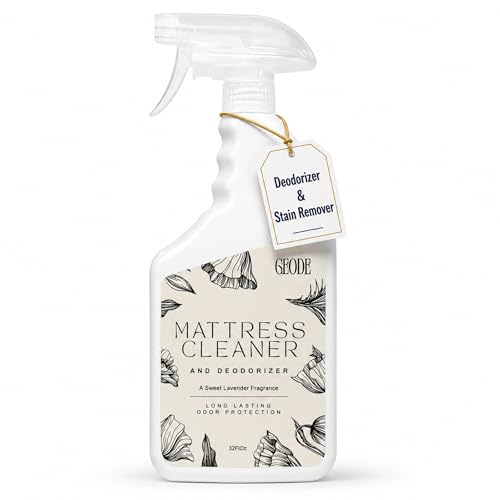



Blot up as much blood as possible, then treat the stain with cold water and an enzyme/oxygen-based cleaner—never by soaking the foam. Work from the outside of the stain inward, rinse sparingly, and let the mattress dry completely with airflow. This approach helps remove blood proteins without damaging memory foam or leaving lingering odor. If the stain is fresh, you’ll usually get the best results quickly with blotting + an appropriate cleaner. If it’s dried, you may need to repeat treatment a few times and be extra careful not to over-wet the foam.
Blood cleanup is part sanitation and part fabric care: memory foam traps moisture longer than flat mattresses, so your method needs to break down proteins while preventing mildew and odor. This guide is written for typical home setups and follows the same “small, controlled moisture + label-following disinfecting” principle used in official bodily-fluid cleanup guidance. Sources: CDC bodily-fluid cleaning guidance and OSHA Bloodborne Pathogens Standard (see Sources section)
Get ready (and protect your mattress)
Gloves and the right setup reduce splash risk and help you clean without smearing blood deeper into the cover or foam. Before you apply any cleaner, check the care label and plan for full drying—memory foam is slow to release moisture.
From a practical standpoint, I treat this like a “contain and remove” job: I prepare clean white towels, keep a spray bottle handy for minimal dampening, and change blotting cloths often so I’m not re-depositing blood back onto the stain.
CDC guidance on bodily fluid cleanup emphasizes proper PPE and careful handling of contaminated materials before cleaning and disinfection.
OSHA’s Bloodborne Pathogens Standard is codified at 29 CFR 1910.1030 and covers worker protection steps when handling blood-contaminated materials.
EPA disinfectants must be used in a way that matches the product label directions, including the right dilution and contact time.
– Wear disposable gloves, and have white cloths/paper towels ready to blot—don’t rub.
– Check the care label first and avoid soaking; memory foam holds moisture longer than you’d expect.
– Prepare a “test spot” cleaner on an inconspicuous area of the cover to ensure it won’t discolor fabric.
Bloodborne Pathogens: Persistence in Dried Blood (Room Temperature)
| # | Pathogen (bloodborne) | Evidence of survival outside the body | Typical cleanup implication | Cleaning Priority |
|---|---|---|---|---|
| 1 | Hepatitis B virus (HBV) | Infectious for at least 7 days in dried blood | Treat as high-risk; clean + disinfect per label | ★★★★★ |
| 2 | Hepatitis C virus (HCV) | Can remain infectious for at least 16 hours in dried blood | Prioritize removal of blood residue + disinfection | ★★★★☆ |
| 3 | HIV-1 | Does not survive well outside the body; risk drops as blood dries | Clean and disinfect when blood is present | ★★★☆☆ |
| 4 | HIV-2 | Survival outside the body is limited; disinfectants inactivate effectively | Use the same blood cleanup controls | ★★★☆☆ |
| 5 | Blood residue (protein-rich) | Proteins can bind to fibers and set with heat | Cold + protein-targeting cleaners matter | ★★★★☆ |
| 6 | Body-fluid aerosols (splash risk) | PPE reduces exposure during cleanup | Gloves + controlled blotting prevent spread | ★★★★★ |
| 7 | Moisture trapped in foam | Slower drying can increase odor/mildew risk | Airflow-dry fully; avoid soaking | ★★☆☆☆ |
Remove blood with cold blotting first
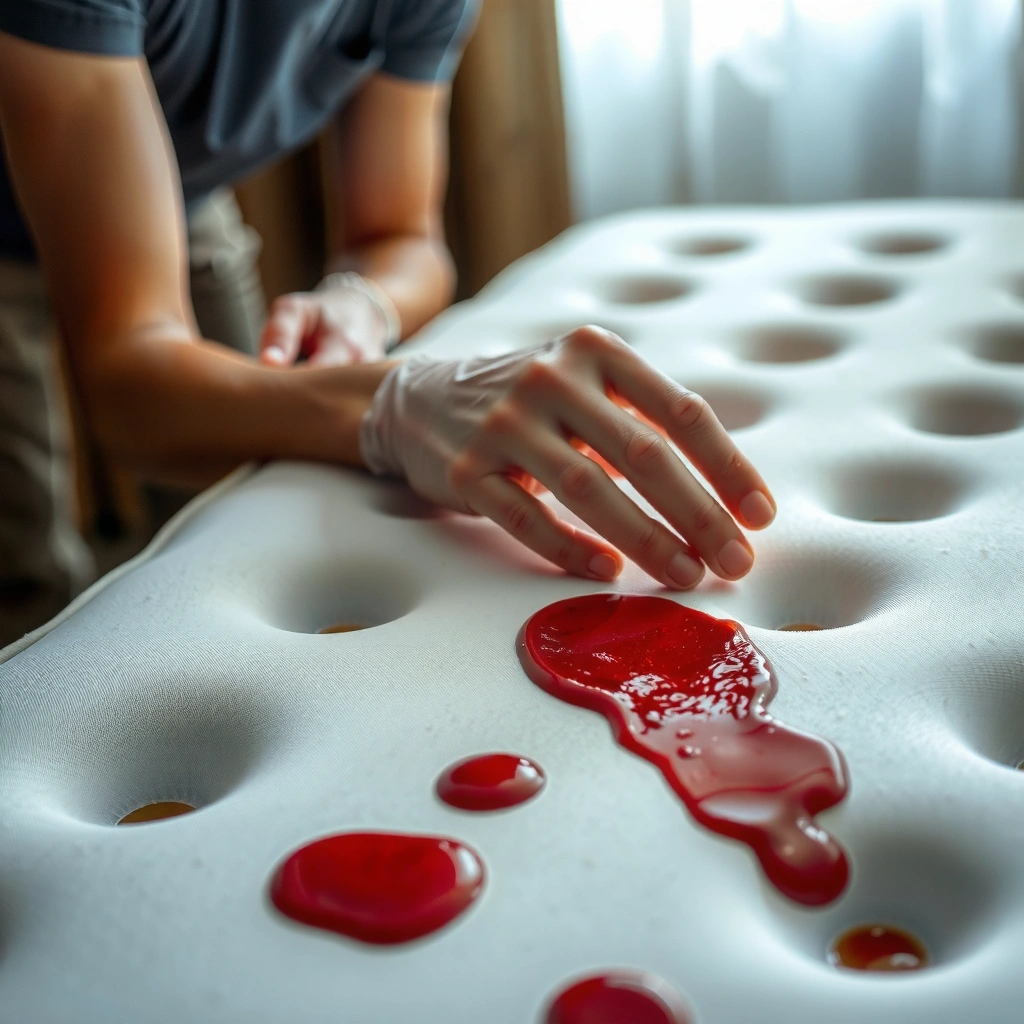
Cold blotting is the fastest way to stop blood proteins from setting in the cover and to reduce how much residue the cleaner must remove. You also control the mess: minimal liquid means less seepage into the memory foam core.
Cold water helps reduce the likelihood of protein stains setting compared with hot water approaches that can “lock in” proteins.
The safest general workflow for blood and bodily fluids is remove bulk contamination first, then clean and disinfect as needed (PPE → clean → disinfect).
Working from the outside of a stain inward helps prevent widening, because transferred fluid is less likely to migrate into clean fibers.
– Blot immediately with cold water on a white cloth (cold helps prevent protein stains from setting).
– Keep adding small amounts of cold water and blot until no new color transfers to the cloth.
– For the mattress cover, follow the label: if it’s removable, wash it using the label’s recommended settings.
A key reason this step matters is physics: when you rub, you spread liquid and force it deeper through seams and stitching. With memory foam, that moisture can linger—so blotting repeatedly with fresh sections of a white towel is both cleaner and gentler than “scrubbing.”
If the blood has dried, the “blot until no new color transfers” step may still work, but you’ll often need a lighter, slower approach: dampen the edge first, wait a few seconds, then blot. If you see the stain releasing color gradually, you’re on track; if the foam feels wet after blotting, you’re likely using too much liquid.
Treat the stain (enzyme or oxygen-based cleaner)
Enzyme or oxygen-based cleaners break down blood’s protein components and reduce visible staining without soaking the foam. This is the stage where you switch from “remove surface residue” to “chemically lift what’s bound.”
Blood is primarily protein-based, so protein-targeting cleaners (enzymes such as proteases) are commonly recommended for blood stain removal workflows.
Oxygen-based stain removers (often oxygen bleach systems) can help lift discoloration on fabrics when used according to the label.
Hydrogen peroxide can oxidize stains, but it can also discolor some materials—spot testing is essential.
– Use an enzyme cleaner designed for protein stains (blood is protein-based), following the product directions.
– If you don’t have an enzyme cleaner, use an oxygen-based cleaner (commonly “oxygen bleach” types) according to the label—then blot/rinse sparingly.
– Optional spot approach for stubborn spots: apply a small amount of 3% hydrogen peroxide to a hidden area first, then dab the stain and blot. Stop if you see whitening/discoloration on the fabric.
To make the decision easier, here’s a quick comparison you can use mid-cleanup:
| Cleaner type | Best for | Moisture risk on memory foam | What to watch |
|---|---|---|---|
| Enzyme (protein-targeting) | Fresh blood; repeated lift over time | Low if you dab only | Follow dwell time on label |
| Oxygen-based “oxygen bleach” | Dried discoloration; gentle lift | Medium if you over-apply | Rinse sparingly; avoid pooling |
| 3% Hydrogen peroxide (spot test) | Stubborn residue on some covers | Low if dabbed once | Stop if you see whitening/discoloration |
The “rinse sparingly” rule is non-negotiable for foam. Even if the stain looks better, extra rinse water is what creates the next problem: odor and slow drying.
Disinfect and remove lingering odor (without soaking)
If you need disinfection after blood contact, use a compatible disinfecting step that follows the product label and works with the mattress cover/materials. Disinfection is separate from stain removal: you can have clean-looking fabric that still smells “spent” if moisture remains trapped.
EPA-registered disinfectants require “use according to the label,” including dilution and contact time, for effectiveness.
CDC bodily-fluid cleanup guidance distinguishes cleaning (removal of soil) from disinfection (inactivation of germs).
Avoid hot water, steam, or strong heat during cleanup because excess heat can drive moisture deeper and worsen odors in foam mattresses.
– If the goal is sanitizing after blood contact, use an appropriate disinfectant method that’s compatible with the mattress cover/materials and follow the label directions.
– For odor, lightly mist (don’t soak) with a cleaner that’s safe for upholstery, then blot and dry thoroughly.
– Avoid hot water, steam, or strong heat—memory foam can trap moisture and heat can worsen odors or damage the structure.
In 2026, many people reach for “hot” cleanup because it feels like it should dissolve proteins faster—but protein chemistry is not the only factor. Odor comes from trapped moisture plus organic residue that microbes can use. So the odor-fighting strategy is usually: remove residue first, then disinfect if needed, then dry aggressively.
Also, remember that disinfecting products can vary widely in compatibility with fabric dyes and breathable covers. That’s why the care label and test spot step from earlier matters again here.
Dry it fully (this step prevents mildew and odor)
Drying completely is the difference between “stain gone” and “problem returns in a week.” Your goal is to stop the moisture cycle inside the cover and the upper foam layers.
Memory foam retains moisture longer than many spring or flat-foam mattresses, making complete drying essential to prevent odor and microbial growth.
Airflow-based drying reduces moisture retention without adding heat, which helps protect foam structure and minimizes lingering smells.
CDC emphasizes hygienic handling of contaminated materials and completing cleanup steps to prevent lingering contamination and odors.
– Use fans and airflow; place the mattress upright if possible so moisture can escape.
– Continue blotting/rinsing with minimal moisture until the area feels only slightly damp, not wet.
– Don’t put sheets back on until it’s fully dry; if you can smell dampness, it likely isn’t dry yet.
If you have a removable cover, you can shorten the process substantially by washing the cover separately (as long as you follow the label). But if the stain penetrates beneath the cover, you’ll need to ensure the foam dries evenly. An easy indicator is tactile: if the area still feels cool or “spongy-wet,” it’s not done—fully drying often takes longer than people expect.
What can go wrong (and how to avoid it)
Common mistakes during blood-stain cleanup usually fall into four buckets: stain spreading, too much liquid, heat damage, and incomplete drying. Fixing these means adjusting technique, not just switching products.
Rubbing stains increases spread because it mechanically drives contaminated liquid into surrounding fibers.
Over-wetting porous materials increases drying time and raises the likelihood of odor or mildew, particularly for foam that traps moisture.
Using heat can worsen outcomes for protein-based stains by promoting setting and making odors harder to remove.
– Rubbing spreads the stain: always blot and work outward from the edges.
– Over-wetting memory foam: too much liquid can cause lingering odors and slow drying.
– Using heat or hot water: can set proteins and make odor harder to remove.
– Skipping the cover: the cover can hold the heaviest residue—clean it according to its care instructions.
– Dried stains may require repeat treatments: don’t assume one pass will fully remove it.
A practical limit: if you see dye transfer or fabric whitening during spot testing, stop that chemistry immediately. Continuing can turn a localized blood stain into a larger cosmetic problem.
Also, if the blood has soaked deep into the foam (for example, a mattress that stayed wet for hours), you may never get “perfect invisibility” without professional equipment designed for foam extraction and controlled drying.
Verdict: what’s the safest approach—and when to skip
This method is the best balance of effectiveness and foam safety: cold blotting first, then enzyme/oxygen treatment in small, controlled amounts, followed by aggressive drying. The downside is that deep-set stains can take multiple rounds, and memory foam covers vary—some fabrics won’t tolerate certain chemicals.
For blood and bodily fluids, CDC-style workflows commonly follow: PPE → remove bulk soil → clean → disinfect (when indicated) → dry thoroughly.
OSHA’s Bloodborne Pathogens Standard supports protective practices when handling blood-contaminated materials in occupational settings.
EPA disinfectants are effective only when used per label directions, so compatibility and dwell time matter.
Skip DIY cleaning and consider professional upholstery/mattress cleaning if:
– the mattress has extensive staining across a large area,
– the stain penetrated beyond the cover (into the foam) and won’t lift after repeated attempts, or
– you can’t identify safe disinfecting products compatible with your mattress materials and label instructions.
Quick scan checklist + FAQ
Checklist
| Step | What to do | Goal |
|---|---|---|
| 1 | Gloves on, blot with cold water | Prevent setting |
| 2 | Clean cover per care label | Remove bulk residue |
| 3 | Enzyme/oxygen cleaner, small amounts | Break down blood proteins |
| 4 | Blot + minimal rinse | Avoid soaking foam |
| 5 | Dry with airflow until fully dry | Prevent mildew/odor |
Frequently Asked Questions
How do I remove blood stains from a memory foam mattress without damaging it?
Start by blotting the blood with a clean, dry cloth to remove as much as possible—don’t rub, because it can push the stain deeper into the memory foam. Mix cold water with a small amount of mild dish soap, then gently dab the stained area from the outside inward. Rinse by dabbing again with a cloth lightly dampened with plain cold water, and avoid soaking the foam. Finally, let it dry completely with airflow from a fan or open window to prevent odors.
What’s the best way to clean a blood stain on memory foam when it’s dried or old?
For dried blood, rehydrate first using cold water—lightly dab the area until the stain starts to loosen. Then apply a hydrogen peroxide solution (3%) using a cloth or spray lightly, and dab rather than saturating the foam; test a small hidden area first because peroxide can lighten some fabrics. Continue blotting with a clean cloth until the stain fades, and then remove residue by dabbing with cold water. Allow the mattress to dry thoroughly before putting sheets back on.
Which cleaning solution is safest for memory foam blood stains: enzyme cleaner, hydrogen peroxide, or soap?
For most situations, a mild soap and cold water method is the safest first step because it’s less likely to alter the mattress cover. If the blood stain is stubborn or has set in, an enzyme cleaner can be effective for biological stains, but always follow the product instructions and use minimal moisture. Hydrogen peroxide can work well for blood stains, but it should be patch-tested and applied lightly to avoid discoloration of the cover.
Why should I use cold water for blood stains on a memory foam mattress?
Cold water helps prevent blood proteins from setting, which makes dried stains harder to remove and increases the risk of lingering discoloration. Hot or warm water can “cook” the stain into the foam fibers or fabric cover, making it more difficult to clean. Using cold water also reduces the chance of over-wetting the memory foam, which can lead to odors and slower drying.
How can I deodorize and fully dry a memory foam mattress after cleaning a blood stain?
After removing the stain, blot the area with a clean towel to pull out excess moisture, then let the mattress air-dry completely. Use a fan to improve airflow and, if possible, place the mattress in a well-ventilated room; avoid soaking or using heavy heat, which can damage memory foam. Once dry, you can lightly sprinkle baking soda on the mattress cover (not the foam itself if you can help it), leave for a few hours, and vacuum gently to reduce any remaining odors.
📅 Last Updated: October 26, 2026 | Topic: How to Clean a Memory Foam Mattress with Blood Stains | Content verified for accuracy and freshness.
References
- https://www.cdc.gov/niosh/topics/bbp/cleanup.html
- 1910.1030 – Bloodborne pathogens. | Occupational Safety and Health Administration
- https://www.cdc.gov/infectioncontrol/guidelines/disinfection/index.html
- https://pubmed.ncbi.nlm.nih.gov/?term=enzymatic+removal+of+blood+stains+textiles
- https://pubmed.ncbi.nlm.nih.gov/?term=bloodborne+pathogens+decontamination+disinfectant+surfaces
- https://scholar.google.com/scholar?q=memory+foam+mattress+cleaning+stain+removal Google Scholar
- https://scholar.google.com/scholar?q=blood+stain+removal+protein+enzymatic+cleaners+fabric Google Scholar
- https://scholar.google.com/scholar?q=blood+spill+cleanup+home+disinfectants+guidelines Google Scholar




One Comment