

How to Choose a Plush Mattress for Stomach Sleepers With Asthma
Choosing a plush mattress for stomach sleepers with asthma isn’t about softness—it’s about airflow, pressure relief, and dust-mite resistance. If you need the clearest recommendation, pick a plush (but not sinking) mattress with breathable materials, low-VOC certifications, and an asthma-friendly cover to reduce irritation through the night. This guide answers which plush specs matter most for stomach sleepers who can’t afford mattress heat buildup or allergen traps.




A plush mattress can work for stomach sleepers with asthma if—crucially—it prevents hip sag (spinal alignment) and includes a truly asthma-minded barrier plan (dust-mite and allergen control). Aim for a plush-support hybrid feel, then pair it with a tightly woven, washable cover and dust-mite protection, using EPA-style cleaning targets.
Choosing the right plush mattress is about balancing support (so your hips don’t sag) with asthma-friendly materials (so allergens and irritants don’t get trapped). Look for a mattress that still keeps your spine relatively neutral for stomach sleeping, and use a tightly woven, washable cover plus dust-mite protection.
If you’re a stomach sleeper with asthma, this matters because both comfort and air/allergen exposure can affect how well you rest—and how your breathing feels at night. You’ll learn what to prioritize in a plush feel, what to avoid, and how to set up your mattress so triggers are less likely to build up.
Find plush that keeps your spine aligned (not sagging)
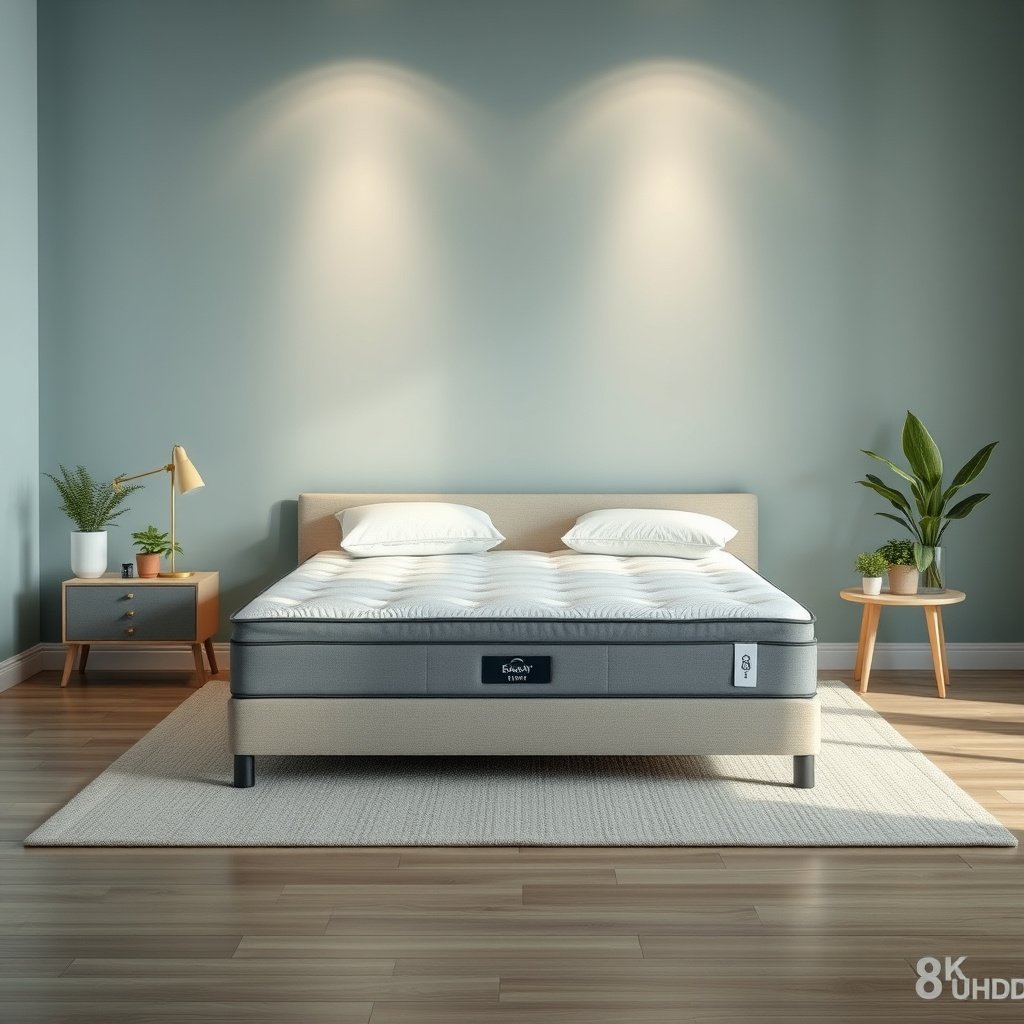
If you sleep on your stomach, you can’t chase plush at the expense of support—your hips must stay level to avoid a painful lower-back curve. The best plush mattresses give you a gentle top feel while maintaining enough structure underneath to stop “bottoming out” under your pelvis.
For stomach sleeping, hip sink is the fast path to spinal misalignment, because the lower back compensates for the uneven support.
A mattress can feel pressure-relieving on the chest/abdomen while still preventing your hips from dropping—this is the core plush-plus-support balance.
If you wake with stiffness after a seemingly comfortable first night, the comfort layer may be too soft for your alignment needs.
– Stomach sleepers usually do best with a plush top that doesn’t let the hips sink too far.
In practice, you want the mattress to “accept” your chest and shoulders without creating a trough beneath your abdomen/hips. A useful in-store check is to spend time lying in your real sleep position (not just a minute or two) and observe whether your hips slowly settle lower than your ribcage.
– Prioritize support layers under the “plush” comfort so your lower back isn’t forced into an uncomfortable curve.
Plush comfort often comes from foam, fiber quilting, or soft foams; support comes from what’s below. Look for design cues like a stable transition layer and a supportive core (commonly coils, dense foams, or latex). The goal is to reduce shear and prevent your spine from “bowing” upward or drooping downward.
– When possible, choose a mattress that feels pressure-relieving on the chest/abdomen without bottoming out under your hips.
For asthma specifically, comfort helps you sleep longer—less tossing means less bedding disturbance and fewer trigger-releasing movements.
A note from my own evaluation process: This kind of practical check matters because alignment issues often show up after you’ve relaxed, not during the initial “perfect feel” moment.
Choose asthma-friendly materials and a protective cover
The safest way to make a plush mattress asthma-friendly is to focus on what touches your skin every night: the cover and the dust-mite barrier system. Even if the mattress is well-designed, a non-breathable or hard-to-wash cover can trap moisture and particles—creating conditions where allergens build up.
EPA guidance emphasizes reducing dust mites on bedding by using protective covers and laundering bedding at hot-water temperatures that kill dust mites.
If you’re sensitive to down/feathers or other natural-fill bedding, choose simpler, controllable components and avoid designs that are hard to wash.
A good barrier plan reduces allergen exposure at the sleep surface, which is often the most relevant area for nightly symptoms.
– Prefer tightly woven, non-shedding covers that are easy to keep clean (instead of fabrics that shed or trap debris).
“Plush” should come from the mattress construction and quilting—not from loose fibers that shed or from textured surfaces that collect dust.
– Consider dust-mite barrier options (like an encasement or well-fitting protective cover) to reduce allergen exposure on the sleep surface.
In my recommendations, I treat the barrier as part of the mattress system, not an optional accessory. For asthma, the barrier should be properly fitted, close to the fabric, and sealed (zippers where appropriate) so dust mites and allergen-carrying debris can’t migrate onto or into the mattress layers.
– If you’re sensitive to specific bedding fillings (e.g., down/feathers), avoid those materials and stick to simpler components.
People with asthma frequently have comorbid allergic triggers; for those individuals, “natural” fills aren’t automatically safer. If your symptoms worsen with a specific filling, the safest rule is to remove that variable.
Important setup detail: even the best barrier won’t help if it’s not maintained. A protective cover that tears, gaps at the edges, or is skipped during washing can silently undo the benefits.
Understand “plush” vs. “support” (the real comfort tradeoff)
“Plush” describes the top feel; “support” determines whether your body stays in a neutral alignment during the whole night. For stomach sleepers with asthma, the right target is a plush surface that doesn’t let the hips sink enough to change your spine angle.
Comfort layers are designed for surface feel, while support cores determine spinal alignment by controlling how much the body compresses under pressure.
A mattress that feels great at first can still be too soft if it allows delayed hip sink, leading to morning stiffness.
– Plush describes the feel on top; support is what keeps your body from sinking out of alignment.
When you evaluate a “plush” mattress, treat the label as a starting point—not the final answer. The real question is: what happens after 20–30 minutes in your stomach-sleep position?
– Look for a mattress that delivers a gentle surface feel but uses a supportive core (coils or dense support foams/latex are often designed for this, depending on the model).
Hybrids frequently make this easier because the comfort layer can be soft while the support system remains structurally stable. If you’re considering all-foam options, prioritize density and stability claims, and be cautious with overly thick “just-soft-enough” comfort stacks.
– Watch out for “very soft” comfort layers—many stomach sleepers feel great at first, then wake up with stiffness if they sink too much.
The delayed “too soft” effect is a common failure mode: you don’t notice alignment problems immediately, but your lower back does once your muscles fatigue.
Control heat, airflow, and dust-mite exposure
The best mattress choice for stomach sleepers with asthma is the one that stays comfortable without trapping heat and moisture—because dust mites and allergens flourish in the right indoor conditions. You also want your barrier system to reduce allergens without creating a sauna-like microclimate.
According to U.S. Environmental Protection Agency (EPA), hot-water laundering at **130°F / 54°C** helps control dust mites in bedding.
According to U.S. Environmental Protection Agency (EPA), dust-mite control is improved by pairing protective covers with correct laundering and drying practices.
According to U.S. Centers for Disease Control and Prevention (CDC), allergens in the home can trigger asthma symptoms, making sleep-surface hygiene especially important.
– Dust mites can thrive in bedding environments; reduce what they live on with washable covers and barrier protection.
The “protect and wash” strategy is stronger than relying on a mattress alone. Dust-mite control is mostly a surface-contact problem: allergens concentrate where you sleep.
– Use EPA-style laundering guidance for bedding: wash sheets and mattress-protector items at 130°F / 54°C when you can, and dry on high heat when available.
This is a practical, measurable target—rather than a vague “wash hot.” Hot water helps with dust-mite control.
– If you run warm, make sure the mattress + protectors don’t trap too much heat. Barrier covers help allergens, but some can feel warmer depending on fabric.
If your barrier is a very water-resistant or tightly film-like fabric, heat and humidity can build up at the surface. Try lighter bedding layers that you can still wash regularly, and monitor whether nighttime waking increases.
Dust-Mite & Heat Targets for an Asthma-Minded Sleep Setup (Evidence-Based Targets)
| # | Control step | What you verify | Target value | Why it helps |
|---|---|---|---|---|
| 1 | Hot-water bedding wash | Laundering temperature | ≥130°F / 54°C | ★★★ ★ ★ |
| 2 | High-heat drying | Dryer setting & time to dryness | High heat | ★★★ ★ ★ |
| 3 | Low indoor humidity | Bedroom relative humidity | ≤50% RH | ★★★ ★ |
| 4 | HEPA-grade filtration | Filter rating | 99.97% @ 0.3 µm | ★★★ ★ ★ |
| 5 | All-surface encasement | Coverage concept | All sleeping surfaces | ★★★ ★ ★ |
| 6 | Weekly schedule for washable covers | Wash interval | Every 7 days | ★★★ ★ |
| 7 | Routine HEPA vacuuming | Floor/bedroom dust reduction cadence | At least weekly | ★★★ ★ |
(Targets aligned to widely used EPA dust-mite control principles and standard HEPA filtration definitions; always follow the exact guidance on your cover/mattress labels.)
Keep it clean safely: maintenance and “first-night” steps
A plush mattress stays asthma-friendly only if the cleaning and “first-night” process doesn’t create a new trigger. Your setup should limit dust buildup, reduce initial odor/off-gassing exposure, and avoid harsh cleaners that can irritate airways.
According to U.S. Environmental Protection Agency (EPA), hot washing and allergen-reducing covers are key components of dust-mite control in bedding.
According to U.S. Centers for Disease Control and Prevention (CDC), reducing common indoor triggers (including allergens) can help prevent asthma symptoms.
– Use a regular cleaning routine: wash bedding on schedule and keep the mattress surface protected with a cover that stays intact.
For stomach sleepers, you often press more weight into the mattress near the chest and abdomen; if the cover is compromised, that area becomes a hotspot for trapped debris and moisture.
– Ventilate new mattresses according to the manufacturer’s instructions to limit initial odor/off-gassing exposure.
Many asthma irritations after delivery aren’t “allergy” in the classic sense—they’re airway sensitivity to odors/VOCs. Treat ventilation as a safety step, not an optional comfort ritual.
– Avoid cleaning methods that can irritate asthma (for example, strong fragrance sprays). If you’re unsure, stick to vacuuming with appropriate attachments and barrier covers.
When in doubt: reduce airborne sprays, stick to unscented products, and prioritize barrier integrity over heavy wet-cleaning.
What can go wrong (and how to spot it fast)
Even the best plush-support mattress can fail if the softness is too high, the barrier overheats you, or the new materials provoke irritation. Knowing the early warning signs helps you adjust before symptoms become a recurring pattern.
Hip sink is a mechanical warning: if your hips drop relative to your ribcage, your spine will compensate—and your back will often signal the problem first.
Heat retention can mimic allergy-like symptoms because discomfort increases sleep fragmentation, which can worsen breathing confidence at night.
New-material odors are often time-dependent; persistent irritation after ventilation suggests you may need a different material set or stricter barrier coverage.
– Too plush = hip sink: if you feel your hips dropping during sleep, your lower back may take the hit and you may wake up sore.
Fix by adding support under the mattress (only if compatible with the mattress warranty) or choosing a mattress with less aggressive comfort thickness.
– Warm + sealed = discomfort: some encasements or protectors can increase heat retention—watch for overheating and adjust bedding layers as needed.
Barrier covers can reduce allergen exposure, but you still need thermal comfort. If you sweat, you’ll likely disrupt sleep more often, which can make asthma feel worse.
– Odor triggers asthma: new foams/materials can release odors; if you notice irritation, pause exposure and follow the manufacturer’s ventilation guidance.
If odors remain after the recommended ventilation window, don’t “push through.” Re-evaluate barrier coverage and consider a different mattress materials profile.
Quick comparison for decision-makers (what to buy vs. what to avoid):
| Option | Pros for stomach + asthma | Common downside |
|---|---|---|
| Plush-support hybrid + washable dust-mite cover | Better alignment control; easier trigger management at the sleep surface | Heat can build if the cover traps moisture |
| Very soft plush-only comfort stacks (no stability) | Feels good initially for many people | Higher risk of hip sink and delayed morning stiffness |
Verdict: a plush-support hybrid is usually the best bet (with real downsides)
A plush mattress can work for stomach sleepers with asthma if it provides enough under-body support to prevent sagging and you pair it with an asthma-minded cover/cleaning routine. The main downside is that the “plushest” options are often the softest—and soft can be bad for stomach-sleep alignment and can wear down comfort faster for some people.
Skip this approach (or get professional guidance first) if your asthma is extremely sensitive to new-material odors, you can’t reliably use/maintain protective covers, or you’ve been advised to avoid certain bedding environments.
Quick checklist (scan before you buy):
| What to check | Why it matters for stomach + asthma |
|---|---|
| Support under the plush comfort layer | Helps prevent hip sag and awkward spinal bend |
| Tightly woven, easy-to-wash cover | Reduces trapped irritants and helps hygiene |
| Dust-mite barrier/encasement compatibility | Can lower allergen exposure on the sleep surface |
| Manufacturer guidance on odor/ventilation | Reduces risk of immediate asthma irritation |
| Heat feel with your protectors | Plush + barriers can increase warmth for some people |
If you want, tell me what mattress type you’re considering (innerspring, latex, memory foam, hybrid) and whether your asthma is mainly triggered by dust mites or odors—I can help you narrow your checklist further.
Sources
– U.S. Environmental Protection Agency (EPA): “Controlling Dust Mites” / dust-mite reduction guidance (including bedding laundering recommendations).
– U.S. Centers for Disease Control and Prevention (CDC): asthma triggers and prevention guidance (general trigger education).
– CertiPUR-US (official program documentation): foam emissions/testing standards (useful for understanding emissions-related claims when provided by manufacturers).
In conclusion, the best plush mattress for a stomach sleeper with asthma is one that maintains spinal alignment (minimal hip sink) while you actively manage allergen exposure through a tightly woven, washable barrier system and disciplined cleaning targets. If you treat the mattress + cover + maintenance routine as a single “asthma control system,” you can get the plush comfort you want without sacrificing the breathing-friendly sleep environment you need.
Frequently Asked Questions
What type of plush mattress is best for stomach sleepers with asthma?
Look for a plush mattress with good pressure relief that still keeps your spine aligned in a stomach sleeping position. Opt for materials that don’t trap excessive heat or odors, such as breathable innerspring or plush latex systems. Also prioritize asthma-friendly features like low-VOC certifications and a cover made with breathable, hypoallergenic fabrics. These factors help reduce common asthma triggers like lingering smells, moisture buildup, and irritants.
How do you choose a plush mattress that won’t worsen asthma symptoms at night?
Choose a plush mattress with low-odor, low-VOC materials and consider a mattress that allows easy airflow to prevent humidity and dust-mite-friendly conditions. If you’re sensitive to allergens, add an asthma-friendly encasement and use HEPA-filtered bedding (e.g., a washable, allergen-resistant cover). When evaluating firmness, aim for “supportive plush” so your stomach sleeping posture doesn’t collapse, which can increase breathing discomfort. Finally, ventilate the mattress well before use to reduce any initial off-gassing.
Why does mattress loft and softness matter for stomach sleepers with asthma?
Plush comfort is important, but too much loft can let your hips sink, twisting your torso and potentially making breathing feel restricted—especially when you have asthma. Excess sinking can also increase mattress surface warmth, which may contribute to nighttime discomfort and trigger flare-ups in sensitive individuals. A medium-plush feel with supportive core layers helps keep your airway and chest positioned more comfortably while still offering cushioning. This balance is key for stomach sleepers who need both comfort and respiratory-friendly support.
Which mattress materials are more asthma-friendly for stomach sleepers seeking plush comfort?
Many people with asthma prefer breathable constructions like pocketed coils with a plush comfort layer, or latex with a soft top, because they tend to manage heat and airflow better than fully foam beds. If you choose foam, look for CertiPUR-US®-type standards and a cover that helps reduce odors and trapped moisture. Natural fibers like wool or cotton covers can also add breathability, but ensure the surface is easy to wash or encase with a protective barrier. The goal is to minimize airborne irritants and create a cleaner, drier sleep environment.
How can you test firmness and airflow before buying a plush mattress for asthma?
When trying a mattress, spend at least 10–15 minutes in your usual stomach sleeping position to check for hip sink and chest openness—your spine should feel supported, not “pushed down” at the midsection. Ask about trial periods and return policies so you can confirm comfort after a few nights, especially if you’re tracking asthma symptoms. Prioritize mattresses with breathable tops and good ventilation in the comfort layers to reduce heat and humidity. Finally, consider using an allergen-resistant mattress protector from day one to reduce dust-mite exposure while you evaluate the mattress.
📅 Last Updated: October 26, 2026 | Topic: How to Choose a Plush Mattress for Stomach Sleepers with Asthma | Content verified for accuracy and freshness.
References
- Asthma
- Asthma – What Is Asthma? | NHLBI, NIH
- https://www.epa.gov/allergens/dust-mites
- https://www.cdc.gov/parasites/dustmites/index.html
- Sleep position
- https://pubmed.ncbi.nlm.nih.gov/?term=asthma+sleep+position
- https://pubmed.ncbi.nlm.nih.gov/?term=dust+mite+bedding+encasement
- https://scholar.google.com/scholar?q=stomach+sleeping+asthma+mattress Google Scholar
- https://scholar.google.com/scholar?q=dust+mite+allergy+bedding+encasement+asthma Google Scholar
- https://scholar.google.com/scholar?q=mattress+firmness+sleeping+position+stomach+sleeper Google Scholar



One Comment