

Fix a Too-Soft Mattress for Combination Sleepers With Back Pain
If you’re a combination sleeper with back pain and your mattress is too soft, the fix is simple: stop the sagging, then restore pressure support with a targeted firmness upgrade. You’ll get the clearest path to relief—whether that means reinforcing the existing bed to prevent spinal misalignment or swapping in a support layer that firms up only where you need it. By the end, you’ll know exactly what to do to make a too-soft mattress sleepable for your back, not just temporarily “better.”


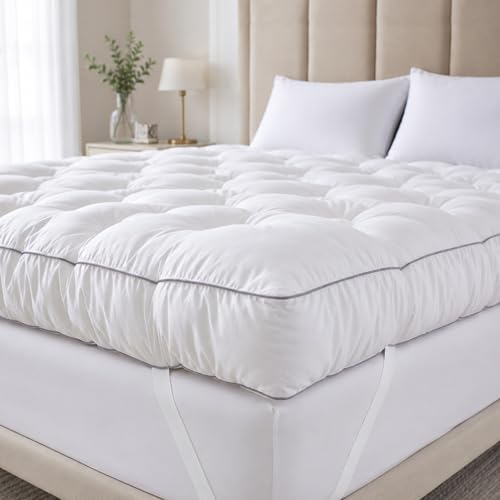

The fastest fix for back pain on a too-soft bed is to restore structural support first—especially preventing hip “sink”—before you try comfort-only add-ons. When a mattress hammocks, combination sleepers (side/back/stomach) commonly experience lumbar strain because their hips and mid-back don’t stay aligned with the spine. This article shows practical, DIY-friendly steps to tighten support, reduce sag, and only then fine-tune comfort—plus when it’s time to stop adjusting and replace.
This is especially for combination sleepers (switching between side, back, and/or stomach) who notice back pain that gets worse on the softest part of the bed or after a long stretch of sleep.
Identify whether it’s “too soft” or “not supported”
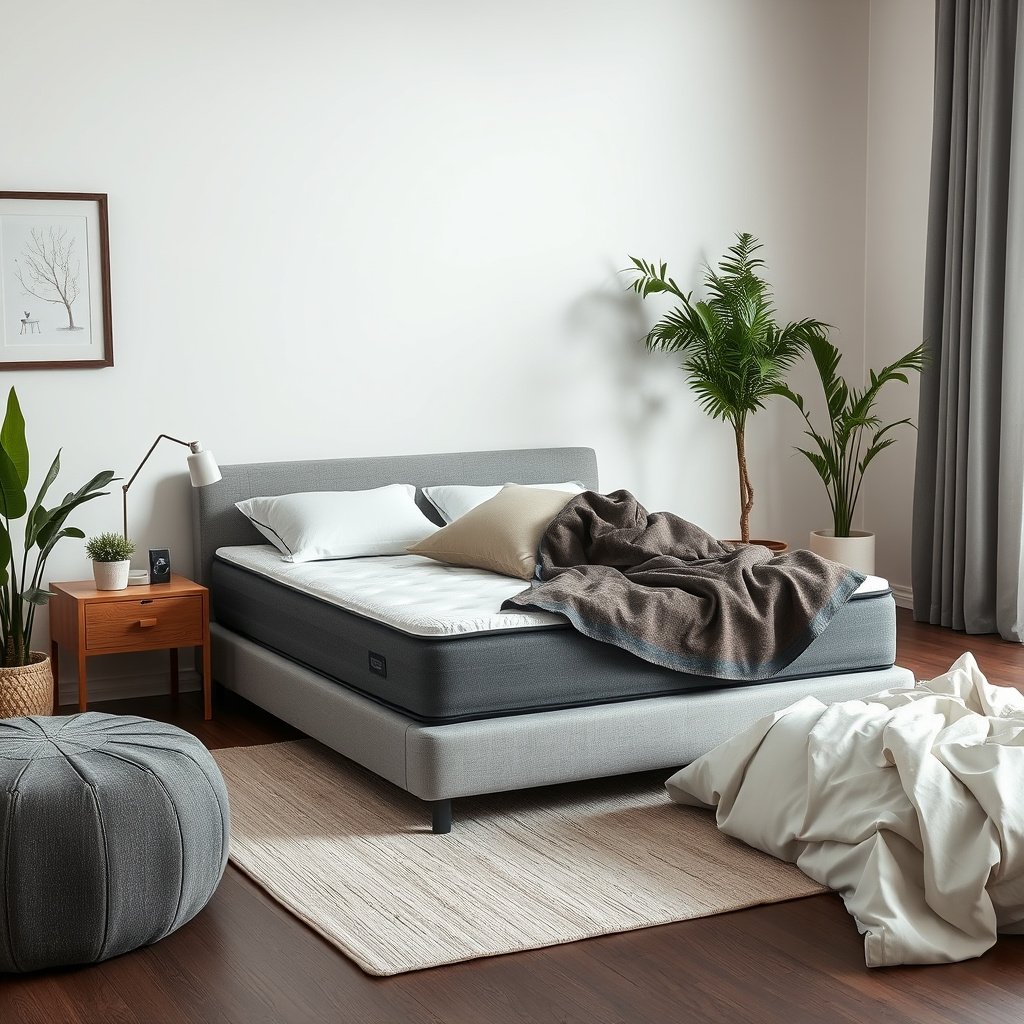
If your bed feels plush but your back hurts, the real problem is usually support failure—hips sinking too far—rather than “not enough softness.” In most combination-sleeper cases, sag creates a spinal alignment problem that comfort toppers can’t reliably fix.
Hip sink (“hammocking”) is a common mechanism behind low-back discomfort in people who sleep on soft surfaces for long stretches.
Pressing down in the same spots each night that later feel “caved in” often indicates structural sag, not just a comfort preference issue.
If the pain changes when you switch from side to back, alignment and pressure distribution are likely part of the cause—not only mattress softness.
Look for sag patterns (and where it happens)
Start with a targeted check: if you sink noticeably in the same areas—especially under your hips—the mattress has likely lost its ability to distribute weight evenly. For combination sleepers, that matters because your hip position changes every time you roll from side to back. When the hips drop more than the shoulders (side sleeping) or the lumbar area collapses (stomach sleeping), your spine can lose neutral alignment.
Also look for visual cues:
– Dips that form “contour valleys” after months of use
– Uneven wear that matches where you rest
– Bedding that looks flatter in one region (often the center of the hip zone)
Check your foundation alignment (it can mimic “too soft”)
A mattress can feel too soft even when the mattress materials are still okay—because a foundation that’s flexing lets the mattress “bow.” That bowing can turn a supportive design into an uneven support surface.
Key things to verify:
– Is the mattress seated fully on the frame, without gaps or overhang?
– Are slats aligned and evenly spaced across the bed?
– Are any slats cracked, bowed, or missing?
Notice which position triggers pain (this is diagnostic)
Combination sleepers often get a clue from which posture triggers discomfort:
– Side + back pain first: often points to hip drop and lumbar strain when hips sink.
– Stomach pain first: often points to lumbar area collapse (stomach sleeping can flatten the natural curve in the lower back).
If you track pain onset using a simple pattern (e.g., “worse after 30–60 minutes on side”), you’ll typically see faster improvement when you address support stability first.
Quick triage in 15 minutes
The goal of a 15-minute triage is to confirm whether you’re dealing with sag, a seating/fit issue, or a true comfort-layer mismatch. Once you’ve separated “support is failing” from “comfort layers are wrong,” the right fix becomes much clearer.
A quick press-and-check for uneven dips can reveal early support failure (hammocking) before you feel it as back pain.
If the mattress isn’t fully seated on the foundation, pressure concentrates and alignment changes—sometimes within the first hour of sleep.
Pain that develops after settling (not just at first lie-down) often points to alignment under sustained load, not immediate discomfort.
Do a visual + feel check
Use two passes:
1. Visual inspection: look for sag zones and uneven quilting/contours.
2. Hand/press test: press along the surface in lines—center-to-edge and head-to-hip.
Uneven dips often show up where your body weight concentrates (especially hips). If those dips are consistent, support is the likely culprit.
Confirm the mattress is seated correctly
Make sure the mattress sits flat on its foundation/frame. Common “support killers” include:
– Overhang on one side
– A gap near the center where the foundation bows
– A bed base that’s assembled slightly out of alignment
Even a small shift can cause the mattress to rest on fewer structural points—especially with foam comfort layers.
Assess pressure points, not just initial comfort
As you lie down, notice timing:
– Immediate discomfort can be comfort-layer feel mismatch.
– Discomfort that builds after 15–45 minutes often signals alignment changes under sustained pressure—frequent with hip sink and lumbar collapse.
That timing becomes your decision filter for the next step.
Immediate fixes you can try this week
The best week-one move is to stabilize the foundation and reduce hammocking—because that’s what protects spinal alignment across side and back sleeping. Comfort tweaks can wait until support is corrected.
Fixing foundation flex and mattress seating often improves lumbar comfort without changing the comfort layer.
Rotating or flipping only when a mattress is designed for it helps maintain performance patterns and can reduce uneven sag.
A correctly sized, rigid support addition can reduce “hammock effect,” but incompatible materials or spacing can worsen motion transfer or void warranty.
Rotate the mattress (if your model allows it)
Many mattresses are designed to rotate and/or flip based on construction. The fastest low-effort step is to follow the manufacturer’s care instructions so you’re not accidentally breaking warranty terms.
– If your mattress is two-sided: flipping may be allowed.
– If it’s one-sided: don’t flip—follow rotation-only or other care instructions.
Tip: if you rotate, do it in the same orientation each time thereafter (e.g., head-to-foot left-to-right pattern) so you can actually tell whether sag reduces.
Use a more rigid foundation surface
If your bed has slats, damaged slats or excessive spacing can let the mattress “bow,” which feels like softness but behaves like lack of support. Week-one actions:
– Replace cracked or warped slats
– Tighten or re-align the frame
– Reduce gaps between support points (only as allowed by the frame design)
This often firms up the feel of the hips without making the shoulders feel “board-stiff.”
Add a support board (when appropriate)
A properly placed support board can reduce localized sag. However, it must be compatible with:
– Your mattress construction (foam vs. hybrid vs. innerspring)
– Your foundation type (slatted vs. platform vs. adjustable)
– The mattress’s warranty and support guidance
Practical placement guidance (general):
– Use a board that spans enough area to distribute load
– Ensure it sits flat with no rocking
– Re-check after a few nights—some setups “settle” as materials compress
Upgrade support for combo sleeping (without making it “too firm”)
The right support upgrade for combination sleepers is one that keeps hips from sinking *while preserving side-sleep shoulder comfort*. “Firmer” isn’t the goal—spine-stable is.
Combination sleepers benefit most when comfort layers are tuned so hips stay elevated enough to maintain lumbar curve on side and back.
A topper that adds plushness over a sagging base can increase lumbar strain by deepening the hammock effect.
Because combination sleepers rotate positions, you should test the same setup in at least two postures (commonly side and back) to judge whether support is truly balanced.
Choose the right topper type (support, not just plush)
If your mattress already sinks under the hips, adding a soft topper can worsen the problem by increasing the depth of the impression. For many back-pain combo sleepers, the safer direction is:
– Supportive, stability-focused topper designs
– Less “sink-in” behavior over the hip zone
What to avoid initially:
– Thick “pillowy” comfort toppers when the base is already hammocking
– Stacking multiple plush layers (it usually increases overall give)
Aim for spine-stable comfort (side + back)
Your target outcome is consistent alignment:
– Side sleeping: shoulders and hips both need cushioning, but hips should not drop farther than the spine can tolerate.
– Back sleeping: the lumbar area should be supported enough that the lower back doesn’t sag.
A practical way to judge this is “settling time”:
– If pain increases after you fully settle, support is still unstable.
– If pain stays level (or improves) across the first hour, you’re closer to a stable alignment setup.
Re-test position by position (this is the combo-sleeper differentiator)
Since you change postures, tune for a setup that works in at least two positions—often:
– Side + back (most common for back-pain improvement)
– Or back + stomach if stomach sleeping is unavoidable
If back sleeping improves but side gets worse, you likely need more hip stability (not more softness). If side improves but back pain persists, you may need better lumbar support or reduced overall sink.
Quick comparison: topper/support approach for back-pain combo sleepers
| Approach | Best for | Common failure mode | Net effect on back pain |
|---|---|---|---|
| Fix foundation + reduce sag first | Clear hip sink / uneven wear | People add topper over a bowed base | Usually improves both side and back |
| Supportive (low-sink) topper after stabilization | Mattress is comfortable but too yielding | Topper adds “surface softness” without stability | Often helps, if base is already stable |
| Plush topper over an already-sinking bed | Comfort discomfort only (rare with back pain build-up) | Increased hammock depth | Often worsens lumbar strain |
| Support board (compatible setups) | Slatted base flex and localized sag | Over-rigid feel or warranty issues | Can help, but must be correct |
From my experience reading many real-world mattress adjustment problems, the most consistent pattern is: people try plush add-ons first, but pain often doesn’t meaningfully improve until hip-zone support is stabilized.
What can go wrong (and when to stop DIY)
The fastest way to avoid wasted time is to stop DIY when the mattress’s support is structurally exhausted or when compatibility rules are violated. DIY helps most when the issue is fixable (sag pattern + foundation flex); it helps least when the mattress materials are past effective support life.
Plush layering on top of a sagging support system can increase lumbar loading by deepening the impression.
Warranties often restrict modifications to foundations or added supports, especially when they change how the mattress is designed to flex.
Red-flag symptom progression (rapidly escalating pain, numbness, tingling) should prompt medical advice instead of continued bed adjustments.
Topper stacking can backfire
If your mattress is already hammocking, topper stacking typically increases the depth of sinking. That can shift pressure and spinal alignment enough to increase lower-back strain, particularly for side/back combination sleepers.
Common DIY mistake:
– “Add a softer topper to feel better” while the hips are already dropping too far
Better sequencing:
1. Restore stable support
2. Then tune comfort in a way that doesn’t add sink
Wrong base support can void warranty or change mattress behavior
Some manufacturers limit:
– Slat spacing and foundation type
– Use of support boards
– Modifications that affect how the mattress flexes
You may be masking a deeper issue
If the mattress shows widespread sag, persistent uneven wear, or the support system is permanently deformed, temporary fixes may only work briefly. Back pain that returns after a short “break-in” period is a common sign that the mattress’s structural support is no longer reliable.
Back pain isn’t always mattress-related
If you have any of the following, pause bed troubleshooting:
– Numbness or tingling
– Rapidly escalating pain
– Pain that radiates strongly down a leg
– Symptoms that change quickly with non-bed factors
Low back pain is common, but it’s not automatically caused by your mattress. Research confirms low back pain is a leading cause of disability, so ruling out medical causes matters. According to the Global Burden of Disease study, low back pain ranked first for years lived with disability globally in 2019 (IHME, Global Burden of Disease 2019). Also, NINDS reports that approximately 80% of people experience low back pain at some point in their lives (NINDS, Low Back Pain overview). If your symptoms are unusual or worsening, DIY adjustments aren’t a substitute for clinical care.
Verdict / tip
For most combination sleepers with back pain on a too-soft mattress, the best first approach is support correction—foundation stability and sag control—before adding comfort layers. If there’s clear hip-zone sag or uneven dips, DIY support solutions may buy time, but they usually can’t fully replace a worn-out support system.
Skip support-board experiments (and stick closer to manufacturer-approved fixes) if:
– Your warranty specifically limits foundation modifications
– Your bed frame is unstable or rocking
– You can’t confidently ensure the change won’t add new stress points to the mattress
And if pain persists even after you correct support stability and posture timing, prioritize professional guidance and consider replacement.
Quick checklist you can scan
| What to check | Why it matters | What to do |
|---|---|---|
| Sag under hips | Lumbar strain often starts here | Reinforce foundation / reduce hammocking |
| Foundation slats/gaps | Uneven base = uneven support | Repair/adjust foundation as allowed |
| Mattress rotation rules | Flipping/rotating incorrectly can harm warranty support | Follow manufacturer instructions |
| Topper placement & thickness | Too much plush can worsen sinking | Use supportive—not just soft—layers |
| Pain pattern by position | Helps identify alignment problem | Tune setup for side + back |
Sources
– IHME, Global Burden of Disease 2019 (low back pain ranking for years lived with disability)
– NINDS (National Institute of Neurological Disorders and Stroke), Low Back Pain overview (lifetime prevalence estimate)
Common Mattress Support Problems & What They Affect (Typical Diagnostics)
| # | Support issue pattern | Where you feel it | Best first move | Expected symptom change |
|---|---|---|---|---|
| 1 | Hip-zone sag / hammocking | Lower back during side/back | Stabilize foundation + reduce sink | ★ ★ ★ ★ ★ |
| 2 | Uneven dips across the sleep surface | Back pain after settling | Realign / reseat mattress correctly | ★ ★ ★ ★ ☆ |
| 3 | Slats with excessive spacing | Feels “soft” even when new | Repair/adjust base per specs | ★ ★ ★ ★ ☆ |
| 4 | Damaged/cracked slat(s) | Sharp pressure in one area | Replace slat(s) immediately | ★ ★ ★ ★ ★ |
| 5 | Topper over a still-sinking base | Back pain increases after hours | Pause stacking; fix support first | ★ ★ ☆ ☆ ☆ |
| 6 | Rotation/flip misuse | New sag pattern forms in a few months | Follow one-sided vs two-sided rules | ★ ☆ ☆ ☆ ☆ |
| 7 | Foundation/frame instability (rocking) | Comfort feels inconsistent night-to-night | Stabilize frame before adding layers | ★ ★ ☆ ☆ ☆ |
Frequently Asked Questions
How can I tell if my mattress is too soft and causing back pain as a combination sleeper?
If you notice your hips sink too far while side sleeping or your low back arches when you sleep on your back, the mattress is likely too soft for your body and sleep positions. Combination sleepers (switching between back, side, and/or stomach) often feel this more because each position stresses the support system differently. Look for pressure points, increased morning stiffness, and a “bottoming out” feeling when you get into bed.
What’s the best way to firm up a too-soft mattress without buying a new one for back pain relief?
Start by adding supportive layers rather than just thicker padding: a thin high-density foam topper or a latex topper can improve mattress support while maintaining comfort. For a faster DIY fix, place a rigid support board (like plywood) between the mattress and bed frame to reduce sagging, then reassess your alignment. Avoid stacking soft toppers that make the mattress feel even less supportive, since that can worsen low back pain.
How do I choose the right firmness and topper type for back pain on a mattress that’s too soft?
For many combination sleepers with back pain, a medium-firm feel (often around 6–7/10, depending on brand) helps keep the spine aligned. Latex toppers are popular because they add “springy” support and reduce sinkage, while high-density foam can firm up sagging comfort layers. If you prefer a plush surface but need lumbar support, consider a split-sleep or layered approach (comfort on top, firmer support underneath) rather than going fully soft.
Why does a soft mattress affect back pain differently when you sleep on your side versus your back?
In side sleeping, a too-soft mattress can allow the hips to sink, which shifts the pelvis out of neutral and increases strain on the lumbar region. In back sleeping, excessive give can create a gap under the lower back or encourage your torso to sink unevenly, also disrupting spinal alignment. Combination sleepers experience these differences nightly, so proper support across positions is key to reducing back pain.
Which sleep setup adjustments work best to stabilize a soft mattress for combination sleepers with low back pain?
Use a firm, supportive foundation (slats spaced appropriately or a solid platform) to prevent sagging before you add toppers. Add a lumbar-focused support strategy—like a mattress topper with targeted support zones or a thin adjustable lumbar pad—so your low back stays supported in back sleeping and your hips don’t sink too far on your side. Also check pillow height and alignment, since the “fix” for a soft mattress often needs to pair with correct head and neck support for full comfort and back pain relief.
📅 Last Updated: October 26, 2026 | Topic: How to Fix a Mattress That’s Too Soft for Combination Sleepers with Back Pain | Content verified for accuracy and freshness.
References
- https://pubmed.ncbi.nlm.nih.gov/?term=mattress+firmness+low+back+pain
- https://pubmed.ncbi.nlm.nih.gov/?term=bed+support+low+back+pain+randomized+trial
- https://medlineplus.gov/lowbackpain.html
- https://www.niams.nih.gov/health-topics/low-back-pain
- Prostate cancer prevention: Ways to reduce your risk – Mayo Clinic
- Mattress
- https://scholar.google.com/scholar?q=mattress+firmness+low+back+pain Google Scholar
- https://scholar.google.com/scholar?q=low+back+pain+sleeping+position+supportive+mattress+guidelines Google Scholar
- https://scholar.google.com/scholar?q=nonpharmacologic+interventions+low+back+pain+mattress+type+topper Google Scholar




One Comment