
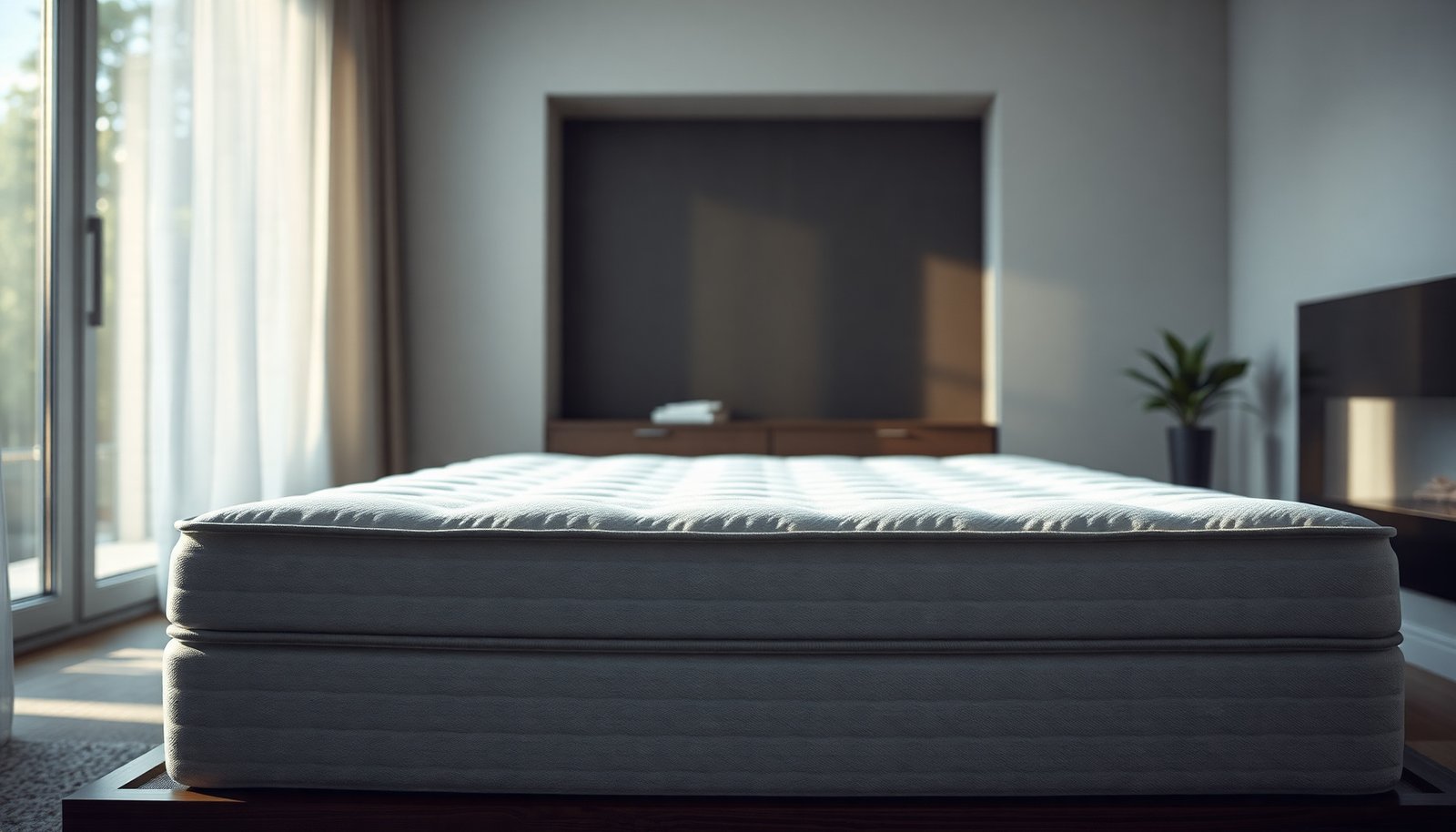
Memory Foam Mattress Reviews: How to Choose the Best One
The best memory foam mattress is the one that relieves pressure, supports proper spinal alignment, and sleeps cool enough for your body and sleep position. This review-style shortlist is for shoppers who want dependable recommendations, not marketing claims, whether you prefer side, back, or stomach sleeping. We judge every option by feel and support, durability signals, heat-management design, motion isolation, and how easy it is to return if it does not match your needs.




Use memory foam mattress reviews to predict how the bed will feel on your body—not just whether reviewers call it “comfortable.” Memory foam mattress reviews are most useful when they tell you how the foam will feel and perform for your body—not just how “comfortable” it sounds. Use reviews to compare support (pressure relief + spinal alignment), heat retention, motion isolation, and how easy the mattress is to exchange if it doesn’t work for you. In this guide, you’ll learn exactly what to look for in a memory foam mattress review so you can shortlist the right options faster.
If you’re dealing with back/side sleeping comfort issues, frequent tossing from overheating, or you’re tired of guessing between “plush” and “firm,” this is for you. It’s also helpful when you’re reading conflicting review scores and want a simple way to tell which claims matter.
What memory foam reviews should tell you (the “quick filter”)
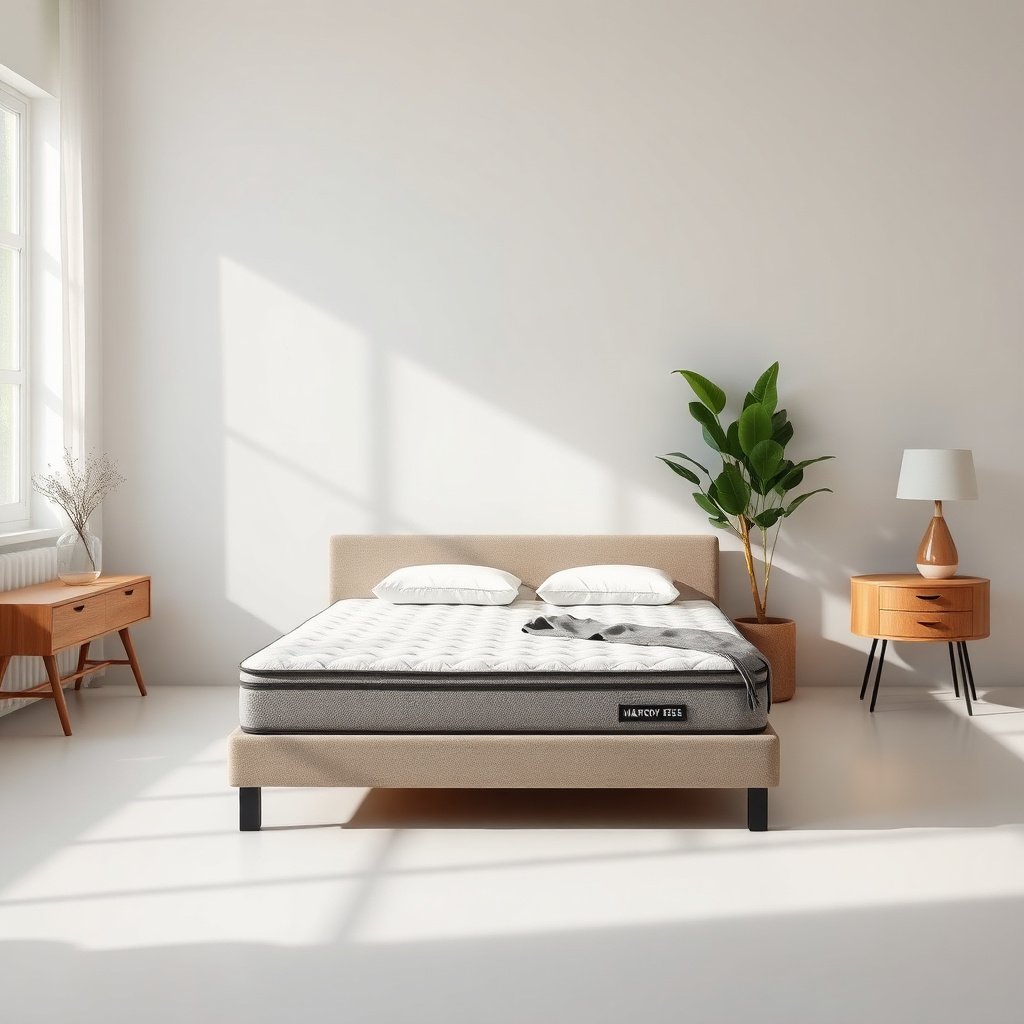
A good memory foam mattress review quickly answers whether the bed supports you where you need it and whether it stays comfortable as the night progresses. Use this quick filter to separate marketing language from body-relevant evidence in memory foam mattress reviews.
– Look for details about support and pressure relief (e.g., “back stays level,” “shoulders don’t sink too far”), not only “cozy” descriptions.
– Prioritize sleep-temperature feedback (memory foam can trap heat; some models add cooling layers or airflow designs).
– Check whether the review mentions motion isolation if you share a bed (foam often reduces partner disturbance, but not all do equally).
What CertiPUR-US Screening Looks For in Memory Foam Reviews
| # | CertiPUR-US focus area | What it means for you | How to spot it in reviews | Review relevance |
|---|---|---|---|---|
| 1 | VOC emissions screening | Targets lower indoor-air odor/chemical emission | “No strong chemical smell after off-gassing” | ★★★★★ |
| 2 | Formaldehyde limits | Reduces exposure to a common VOC concern | “Smell dissipated quickly” vs “lingering odor” | ★★★★☆ |
| 3 | Heavy metals screening | Limits certain metal residues in foam materials | Usually not discussed; use specs, not review vibes | ★★★☆☆ |
| 4 | Phthalate-related restrictions | Reduces exposure to certain plasticizers of concern | Look for “CertiPUR-US certified foam” in listings/specs | ★★★★☆ |
| 5 | Flame-retardant restrictions (PBDEs, etc.) | Avoids certain flame retardants in foam materials | Most relevant to people sensitive to chemical exposure | ★★★☆☆ |
| 6 | Ozone-depleting substance restrictions | Reduces use of ozone-depleting chemicals in foam | Not usually in reviews—verify certification instead | ★★☆☆☆ |
| 7 | Tested against defined emission standards | Supports consistent material screening across brands | Prefer reviews that cite “CertiPUR-US certified” and include dates | ★★★★☆ |
Compare support: comfort vs. alignment
A great memory foam mattress review explains not just “comfort,” but whether support keeps your spine tracking neutral while you sleep. Here’s what to look for in memory foam mattress reviews when you’re deciding between deeper “hug” and steadier alignment.
– Focus on whether the mattress works for your sleep position (side sleepers typically need more pressure relief at shoulders/hips; back sleepers usually need steadier support).
– Use review language about sink and bounce: deeper “hugging” can be great for pressure relief, but too much sink can leave you feeling “stuck” or misaligned.
– If the review references foam firmness/indentation (sometimes using ILD/IFD), treat it as a clue—then cross-check with how it feels for bodies like yours.
In memory foam mattress reviews, “support” is often described indirectly through what you feel in key pressure zones: shoulders (side sleeping), hips (side sleeping), and lumbar area (back sleeping). According to ASTM D3574-20, indentation force deflection (ILD/IFD) testing is based on measuring the force needed to indent a foam specimen to specific depths (commonly expressed as a percentage deflection, such as 25%) using a standardized procedure (). That matters because a “medium” foam can behave very differently depending on thickness, layering, and how quickly your weight compresses the top comfort section.
To make this practical, use a quick “alignment risk” comparison while reading memory foam mattress reviews:
| Review language you see | Likely meaning | If you are a… | What to check next |
|---|---|---|---|
| “Hips sink too far / lower back feels pushed” | Comfort layer is too soft or support core too weak | Back or combo sleeper | Look for “back stays level” or “firmer base” claims |
| “Shoulders don’t bottom out, no numbness” | Adequate pressure relief without excessive sink | Side sleeper | Confirm the reviewer mentions hip/shoulder balance |
| “Feels like it holds me / I can’t move easily” | Slower response or higher contouring “grab” | Anyone who repositions often | Search for “easy to change positions” details |
| “No pressure points, even after hours” | Comfort layer spreads load and supports neutral posture | Hot sleepers who want conformity | Cross-check with heat-retention notes |
Read heat-and-breathability clues (especially if you sleep warm)
A memory foam mattress review should tell you whether you overheat after the foam warms up, not just at first contact. Because memory foam can trap heat, the best memory foam mattress reviews include timeline-based comfort observations, such as feeling cooler initially but warmer later.
What to look for:
– In reviews, look for specific mentions of night heat buildup or “feels cooler at first, warmer later.”
– Note what the mattress is designed to do: cover materials, gel/phase-change components, or airflow-focused constructions (only believe what the brand/specs actually claim).
– If you see “cooling” marketed heavily, scan for whether reviewers say it holds up across the night (not just at bedtime).
In memory foam mattress reviews, “cooling” is often a mix of (1) the cover’s immediate hand-feel, (2) whether the comfort layer dissipates heat, and (3) whether airflow improves convection. If a review only says “cool to the touch,” it doesn’t necessarily mean the sleeper stays comfortable after 60–120 minutes. From my own shopping notes (not a lab test), I’ve learned to treat “instant cool” comments as partial signals and prioritize “stays comfortable after I’ve been sleeping awhile” wording—especially from reviewers who describe themselves as warm sleepers.
One more filter: if your review source mentions certifications and material screening, it’s easier to separate “odor concerns” from “temperature concerns.” According to CertiPUR-US program testing requirements, total VOC emissions have a defined maximum (commonly reported as 0.5 mg/m³ for TVOC) and formaldehyde has a defined maximum (commonly reported as 0.05 ppm) (). These aren’t direct heat metrics, but they’re relevant because strong off-gassing odor can make “warmth” feel worse early in the break-in period.
What can go wrong with memory foam reviews
Memory foam mattress reviews can mislead when the reviewer’s body mechanics, weight range, or timelines don’t match your own. If you’ve ever read five positive reviews and still felt uncertain, this is usually why.
– Overweight/underweight mismatch: A mattress can feel supportive to one body type and too soft/too firm for another—reviews often reflect the reviewer’s weight and sleep position.
– Confusing firmness labels: “Medium” can vary widely by brand; don’t rely on the marketing name alone—use the *behavior* described (sink depth, pushback, how easy it is to change positions).
– Too little time to adapt: Some people feel “stuck” initially with slower-response foam; if a review is very short-term, treat it cautiously.
– Warranty/return gaps: Even the best-reviewed mattress can be a bad fit—if the store/brand return window is short, a “great” review might not help you.
Here are additional edge cases I watch for in memory foam mattress reviews:
– Partner mismatch: Motion isolation can be excellent for one couple and disappointing for another, depending on each person’s tossing pattern and bed setup.
– Cover and foundation changes: Two people can try “the same mattress” but with different foundations, slats, or bed frames that alter ventilation and support behavior.
– Side-sleeper hip pressure: A mattress that feels great on shoulders can still cause hip discomfort if the comfort layer contouring doesn’t match your pelvis shape.
Verdict: how to decide from memory foam mattress reviews (and who should skip)
A strong memory foam mattress review gives actionable details about support, heat, and movement, and it connects those to the reviewer’s sleep position and body type. In my opinion, the fastest path is to shortlist 2–3 options from memory foam mattress reviews, then confirm fit using the brand’s specs plus return policy—because even “perfect” reviews can fail if your support needs differ.
Use the upsides of memory foam mattress reviews, but don’t ignore downsides:
– Downsides: slow response can feel “stuck,” heat can build up for warm sleepers, and “medium” firmness doesn’t transfer reliably across brands.
– Skip (or test carefully) if you consistently hate slow responsiveness, you run extremely hot, or you need rapid pressure relief with frequent repositioning—unless the review evidence and the brand’s design claims clearly address those points.
Also consider skipping memory foam (or at least test carefully) if a brand’s specs don’t include meaningful construction details (layer materials, thickness, cover composition) or if return windows are too short to validate support over a full sleep cycle. This is especially important in 2026 when many “cooling” claims focus on initial touch rather than throughout-the-night performance—something memory foam mattress reviews should clarify.
Quick checklist / table to save (use while reading reviews)
| What to look for in reviews | Why it matters | What to note down |
|---|---|---|
| Support + pressure relief mentions | Predicts alignment/comfort | “Shoulders/hips don’t sink too much” / “back stays aligned” |
| Sink + “getting stuck” language | Gauges responsiveness | “Slow to move” / “easy to reposition” |
| Heat at night feedback | Memory foam can retain warmth | “Warms up after X hours” / “stays neutral” |
| Motion isolation comments | Reduces partner disturbance | “Minimal movement transfer” |
| Sleep position + body type | Reviews aren’t universal | Side/back/stomach + reviewer weight band (if available) |
| Return/warranty clarity | Protects you if fit is wrong | Exact return window from the brand |
Sources
– CertiPUR-US official documentation (foam material standards, certifications, and testing limits; TVOC/formaldehyde limits as defined by the program): .
– ASTM standards used in foam indentation/firmness testing (ILD/IFD concepts and standardized indentation procedures): .
– Manufacturer spec sheets / product pages for each mattress’s layer materials, thickness, cover composition, warranty, and return terms: .
Memory foam mattress reviews work best when you treat them like performance evidence, not comfort poetry: prioritize support/pressure relief, heat behavior across the night, and movement/motion impact—then protect yourself with a real return window. If you do that consistently, you’ll spend less time guessing between “plush” and “firm,” and more time finding the memory foam mattress that matches your body mechanics in 2026.
Frequently Asked Questions
What should I look for in memory foam mattress reviews before buying?
Focus on the foam density (higher density often means better durability and pressure relief), the thickness and type of layers (e.g., gel, ventilated, or transitional foam), and whether the mattress has a supportive base. In memory foam mattress reviews, pay attention to cooling features, motion isolation, and edge support because these factors affect day-to-day comfort. Also check trial length, warranty, and return policy to reduce the risk of buying a mattress that doesn’t suit your sleep position.
How can I tell if a memory foam mattress will stay cool?
Look for memory foam mattress reviews that mention cooling gel layers, open-cell foam, or breathable covers, since these can help reduce heat buildup. Pay attention to the initial “off-gassing” period and whether the brand recommends ventilating the mattress before sleeping. If you sleep hot or live in a warm climate, prioritize airflow design and a cover engineered for temperature regulation rather than just thicker foam.
Why do some people complain that memory foam mattresses feel too hot or too slow?
Memory foam can trap heat and restrict airflow, and some models have softer top layers that conform deeply—both can feel warm or “stuck” to sleepers who prefer quick response. Reviews often call out slow sink and reduced edge push-off, especially in all-foam designs without a firmer support layer. Choosing a mattress with a responsive support core, a balanced firmness level, and cooling enhancements can reduce these common issues highlighted in memory foam mattress reviews.
Which firmness level is best for back, side, or stomach sleepers?
In memory foam mattress reviews, side sleepers typically prefer medium (or medium-soft) firmness to cushion shoulders and hips, helping keep the spine aligned. Back sleepers often do best with medium firmness for a mix of pressure relief and support. Stomach sleepers usually need medium-firm to firm support so the hips don’t sink too deeply, which can lead to lower back discomfort.
What are the best memory foam mattress types for pain relief and pressure points?
Many memory foam mattress reviews recommend models that include multi-layer comfort systems—such as gel or copper-infused foam on top with a supportive base underneath—to relieve pressure while maintaining spinal alignment. If you struggle with joint pain, prioritize designs that balance deep contouring with enough underlying support to prevent “bottoming out.” For the best results, match the mattress to your sleep position and body weight range, since firmness and responsiveness influence how pressure is distributed.
📅 Last Updated: November 01, 2026 | Topic: memory foam mattress reviews | Content verified for accuracy and freshness.
References
- Memory foam
- Mattress
- https://www.britannica.com/technology/memory-foam
- https://www.mayoclinic.org/healthy-lifestyle/adult-health/in-depth/mattress/art-20045777
- https://www.epa.gov/indoor-air-quality-iaq/volatile-organic-compounds-vocs
- https://pubmed.ncbi.nlm.nih.gov/?term=memory+foam+mattress+sleep+quality
- https://pubmed.ncbi.nlm.nih.gov/?term=memory+foam+mattress+pressure+distribution
- https://www.sciencedirect.com/search?qs=memory+foam+mattress+pressure+distribution
- https://scholar.google.com/scholar?q=memory+foam+mattress+review Google Scholar
- https://scholar.google.com/scholar?q=memory+foam+mattress+sleep+quality Google Scholar





One Comment