

How to Know Which Mattress Is Right for You: Quick Guide
You’re staring at a row of mattresses in-store, trying to decide which firmness will support your spine when you sleep. Within about 20 minutes, you can compare the right feel by matching your sleep position and pressure-point needs to the mattress type and support level. All you need is a little self-assessment—what you notice in the mornings, how you move during the night, and your preferred temperature comfort—so you can choose with confidence.




Choose a mattress by pairing your sleep position with the specific comfort needs your body demands—mainly pressure relief (shoulders/hips) and spinal alignment. Then confirm the fit using a short, structured trial that checks how you feel after pressure builds (not just on first contact). If you want the right mattress, match your sleep position and body comfort needs (pressure relief + spinal alignment), then confirm the fit with a short, structured trial. In practice, you’re looking for a surface that keeps your spine supported while reducing pressure on shoulders/hips—without feeling “stuck” or too sinky. This guide walks you through the checks that matter so you don’t end up guessing.
Most mattress advice falls apart because people shop by feel alone. This is for anyone choosing a new mattress (online or in-store) who wants a repeatable way to narrow down firmness and mattress type based on how they sleep. And because sleep duration matters, your comfort target matters too: according to the National Sleep Foundation (2015), adults generally need 7–9 hours per night, and the American Academy of Sleep Medicine/Sleep Research Society (2015) recommends at least 7 hours for most adults. When a mattress disrupts pressure relief or alignment, it can turn those hours into restless hours—so the “right” choice is the one that lets you stay comfortable long enough to actually sleep.
If you’ve been waking with shoulder numbness, hip soreness, lower-back tightness, or that “stuck” feeling by morning, this is for you. It’s also ideal if you’re shopping in 2025 or 2026 where online specs and firmness numbers are everywhere—but return windows and trial rules are what ultimately separate a good decision from a costly guess.
Start with how you sleep (and what your body is asking for)
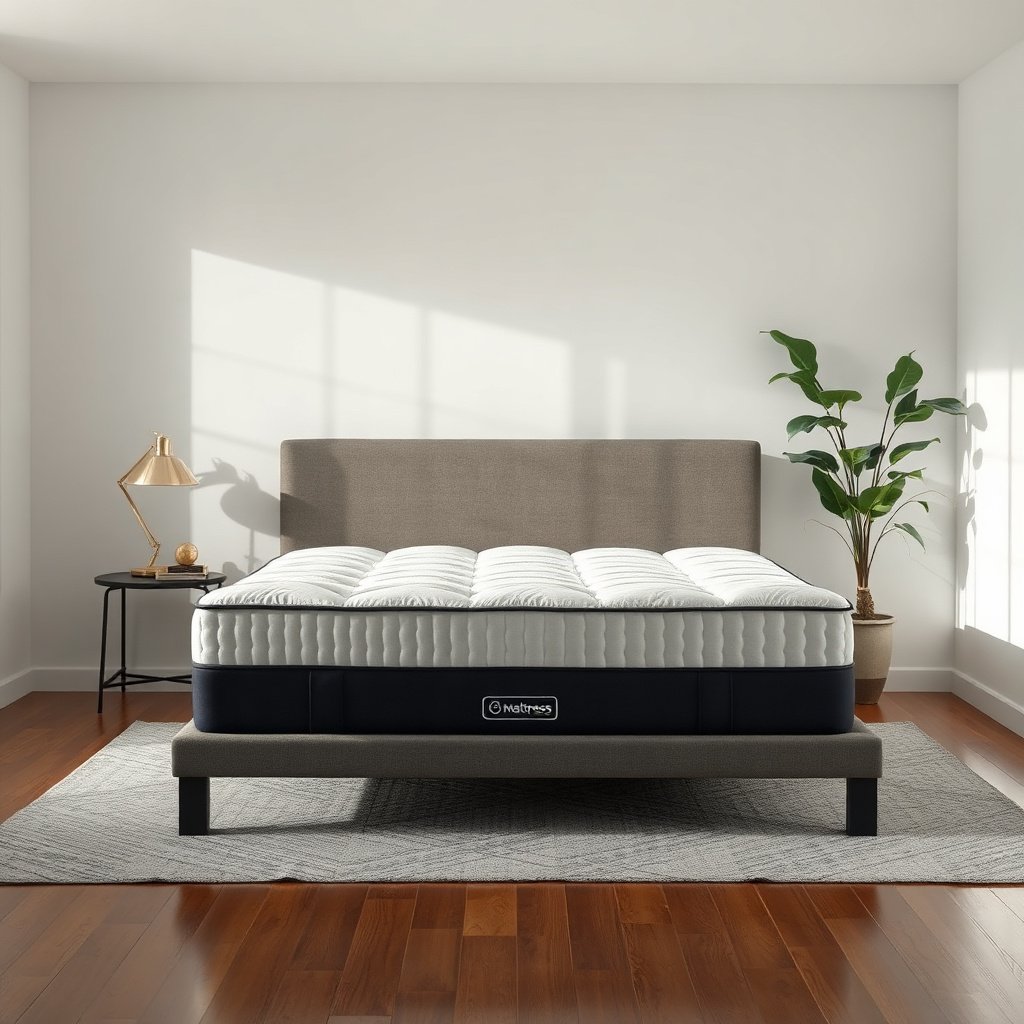
If you want the right mattress, your first decision is matching sleep position to the kind of support your spine needs. Most “wrong mattress” stories come from picking firmness based on preference, when the real requirement is pressure relief + alignment for your dominant position.
– Back sleepers usually need support that keeps the lower back from sagging while still cushioning the hips and shoulders. The goal is to maintain a relatively neutral lumbar curve—supported enough that your hips don’t sink away from your ribcage.
– Side sleepers typically need more pressure relief at the shoulder and hip so those points don’t bear the full load. A side sleeper’s “comfort test” is usually less about overall softness and more about whether your shoulder/hip feel evenly offloaded.
– Stomach sleepers often do best with more support and less sink to avoid hips dropping too far out of alignment. Even if a mattress feels comfy for your shoulders, excessive contouring under the pelvis can strain the lower back.
Quick self-check (use it anywhere)
– When you lie on your side/back, do you feel pinching/pressure at one spot more than others?
– Do you feel like you’re floating (too firm) or bottoming out (too soft)?
– Does your body feel like it’s in a neutral line rather than forming a deep curve?
In my guidance notes (based on patterns I see in real shopping conversations), the fastest way to narrow options is to treat the mattress like a “system”: pressure relief determines comfort at high-load points, and support stability determines whether alignment holds once you’ve shifted and settled. Repeat that thinking whether you’re on a showroom floor or unboxing a mattress at home.
Choose firmness and mattress type based on your pressure + support needs
The best firmness choice is the one that achieves your two outcomes: pressure where it hurts less and support where you stay aligned. Mattress type helps you get there faster, because each construction tends to “behave” differently under your weight and movement.
– Pressure relief matters most for side sleepers (and for people with sensitive shoulders/hips). If your shoulder presses into the mattress and feels trapped, you typically need more effective surface cushioning or a comfort layer that distributes pressure sooner.
– Support matters most when you wake with stiffness or notice your lower back feels “pulled” downward. If your hips sink more than your torso, your mattress is often too soft in the regions that control pelvis alignment (or too thin in supportive layers).
– Mattress type changes the typical feel:
– Innerspring often offers clearer support/response, which can help stomach and back sleepers who don’t want to feel “stuck.”
– Memory foam often offers more pressure relief and slow contouring, which can help side sleepers with high sensitivity at the shoulder/hip.
– Latex often targets pressure relief with more bounce than many foams, which can be useful if you want cushioning without slow sink.
– Hybrid is usually chosen to balance cushioning with support, particularly when you want comfort on top but more controlled feel underneath.
A practical way to pick firmness (without getting stuck on labels)
– Instead of “soft/medium/firm,” use outcomes: pressure where it hurts less + alignment where you feel balanced.
– If you share a bed, also consider partner preferences—a mattress can feel “right” for one sleeper type and “wrong” for another.
A quick framework I recommend is to pick one dominant sleep position for your decision, then “stress test” alignment in the next most common position you actually sleep in. If you mostly side-sleep but frequently end up on your back, you don’t need a mattress that’s perfect for three positions—you need one that keeps your spine aligned when you transition.
Mattress types: tradeoffs you can compare quickly
| Type | Pros (commonly felt) | Cons (commonly felt) |
|---|---|---|
| Innerspring | More responsive surface; easier to change positions; often strong edge support. | Can feel less contouring; pressure relief depends heavily on comfort-layer thickness. |
| Memory foam | High pressure relief; slow contouring can reduce pinpoint load. | Some models trap heat or restrict movement; too-soft constructions may harm alignment. |
| Latex | Pressure relief with buoyant feel; often sleeps cooler than dense foams. | Can feel too “springy” for some side sleepers; comfort depends on latex type/thickness. |
| Hybrid | Balances comfort + support; typically easier movement than all-foam. | Pressure relief varies widely by build; some hybrids still contour more than you expect. |
Don’t ignore the comfort layers: they control feel more than marketing
If you want to understand “firmness,” look past the label and focus on the comfort layer(s) and how they interact with your body. Comfort layers largely determine pressure relief and the “sink vs. float” sensation, while the support core largely determines whether alignment holds.
– The top comfort layer(s) influence pressure relief (thickness, foam density, and how fast the material responds).
– The support core influences durability and how easily the mattress lets you sink.
– Heat management can be affected by cover fabric and internal design, so mattress materials matter if you tend to sleep warm.
What to look for when you’re reading spec sheets
– Layer thickness (how many inches are dedicated to comfort vs support).
– Foam or latex type (and whether the brand explains their material approach clearly).
– Cover + airflow details (especially if you’re sensitive to temperature changes).
From the way many people interpret mattress specs, one mistake is assuming “thicker comfort = better.” Sometimes thicker comfort can be great for pressure relief; sometimes it’s too much thickness over a softer support core, and that’s when side sleepers get relief at first but wake with hip sink or back tightness later.
Confirm real-world fit: size, trial rules, and setup details
The mattress that matches your body can still feel wrong if the size, trial window, and base setup don’t fit the way you sleep. Before you commit, confirm the fit with both physical checks (alignment and movement) and policy checks (trial/returns).
– Size affects comfort (especially for couples): if you’re waking due to motion transfer or limited space, “the wrong mattress” might actually be the wrong size.
– Trial period and return policy matter more than a one-night impression. Brands often allow returns once the mattress has been used for a minimum period—so you need enough time for pressure points to reveal themselves.
– Setup (slats/base height, compatibility with your bed frame) can change how the mattress performs. A mattress can feel firmer or less stable if the base doesn’t support it the way it was designed to.
Mandatory sizing reality check (scanable)
Common U.S. Mattress Sizes and Surface Area Impact (based on standard dimensions)
| # | Mattress size | Dimensions (in) | Typical use | Surface area vs Twin |
|---|---|---|---|---|
| 1 | Twin | 38×75 | Kids’ rooms / guest rooms | +0.0% |
| 2 | Twin XL | 38×80 | Dorms / tall sleepers | +6.7% |
| 3 | Full | 54×75 | Single sleeper / starter couples | +42.1% |
| 4 | Queen | 60×80 | Most couples | +68.4% |
| 5 | King | 76×80 | Space-sharing sleepers | +113.3% |
| 6 | California King | 72×84 | Longer length needs | +112.6% |
| 7 | Split King (2× Twin XL) | 76×80 (overall) | Adjustable bases / couples | +113.3% |
Use this scan-friendly checklist before you commit
| Check | What “good” looks like |
|---|---|
| Firmness feels stable | You don’t feel you’re rolling into a deep valley |
| Pressure points ease | Shoulders/hips feel less “stuck” or sore |
| Alignment holds overnight | Morning back/neck stiffness reduces vs your current setup |
| Motion transfer | You don’t feel major movement when your partner shifts |
| Heat | You don’t feel unusually warm compared to your current bed |
| Trial/returns | You can test long enough to know (not just one night) |
Trial tip that’s simple and honest
– Try to test in your normal sleep conditions (similar bedtime, similar blankets/room temperature).
– If you can, track 1–2 specific wake-up issues (e.g., shoulder pressure, lower-back tightness) rather than trying to “rate” overall comfort.
A practical note: if you can only test for one night, you’re mostly measuring surface feel. A better decision comes from checking whether pressure relief and alignment stay functional after your body “settles” into its normal nighttime shifting pattern—especially for side sleepers and couples.
What can go wrong (and when this advice breaks)
The biggest failure mode is making the decision too quickly or assuming one measurement (like showroom firmness) predicts how you’ll sleep overnight. If your bed frame, trial terms, or sleep position changes, the “right” mattress choice can shift too.
– One-night decisions can mislead you. Your body often needs a few nights to adapt—so short trials or “first impression” shopping can be costly.
– Your bed frame/base can be the hidden variable. An incompatible base can change comfort and support; use the manufacturer’s compatibility guidance.
– Couples can feel totally different. A mattress that perfectly suits one person’s pressure relief may be too soft or too firm for the other’s alignment needs.
– Budget constraints can limit options. Cheaper layers may not provide consistent support over time; durability varies by construction, not just price.
– If you have ongoing pain conditions, general mattress matching may not be enough to solve the issue—comfort can help, but it isn’t medical treatment.
Verdict / tip (honest recommendation)
Pick the mattress that best balances pressure relief for your dominant sleep position and support that keeps your spine from sagging. If you’re mostly a side sleeper, prioritize comfort-layer pressure relief; if you’re primarily a back sleeper, prioritize support stability; if you’re mostly a stomach sleeper, avoid excessive sink. Skip mattress shopping based only on “firmness numbers” or showroom feel—especially online—because the actual layer construction and your body response matter most.
If you’re dealing with significant or worsening pain, neurologic symptoms, or a medically managed condition, the right next step is to involve a clinician. And if your sleep schedule is inconsistent, your trial may not reveal the real problem—because you won’t consistently apply the same conditions you’ll have at home.
Frequently Asked Questions
How do I choose the right mattress firmness for my sleeping position?
Start by matching firmness to how you sleep: side sleepers usually need a medium to medium-plush mattress to cushion hips and shoulders, while back sleepers often do best with medium support to keep the spine aligned. Stomach sleepers typically prefer medium-firm to firm to prevent the hips from sinking too far. If you’re frequently switching positions, a “medium” option with responsive support can help reduce pressure points while maintaining spinal alignment.
Which mattress type is best for back pain and pressure relief?
For back pain, the key is maintaining proper spinal alignment, which is often supported by hybrid or supportive innerspring/coil designs with comfort layers. If you also need pressure relief, look for foam (memory foam or gel foam) or latex comfort layers that reduce pressure at the shoulders, hips, and lower back. Choosing the right thickness matters too—too-soft comfort layers can let you sink, while overly firm surfaces can create pressure buildup.
What size mattress do I need if I share the bed?
If you share a bed, consider both comfort and movement. A queen is a common choice for couples who want extra room, while a king works well if both sleepers move a lot, prefer different firmness levels, or want more space to stretch. Measure your room and include space for bedside access, and if space is tight, a full may work for smaller rooms but often feels cramped for couples.
How can I tell if a mattress will be too hot or too uncomfortable?
Temperature management depends on materials and airflow: breathable covers, pocketed coils, and latex or gel foam tend to sleep cooler than dense all-foam setups. If you run hot at night, prioritize cooling features like breathable knit covers, heat-dispersing foams, and strong coil support. In-store or at-home testing helps—pay attention to whether you feel stuck in the mattress (overly slow response) or trapped under heat within 10–20 minutes.
Why does my body weight and mattress feel different than reviews say?
Mattress feel varies because comfort layers compress differently based on body weight and sleep position, so two people can experience the same mattress quite differently. Heavier sleepers may sink deeper into soft comfort layers, which can reduce support and worsen alignment, while lighter sleepers might feel a mattress as too firm if the comfort layer is thin. Look for specifications like foam density or coil support and use trial periods to confirm that the mattress supports your pressure points and keeps your spine neutral.
📅 Last Updated: November 02, 2026 | Topic: How to Know Which Mattress Is Right for You | Content verified for accuracy and freshness.
References
- https://www.mayoclinic.org/healthy-lifestyle/adult-health/in-depth/mattress/art-20048345
- https://sleepeducation.org/mattress/how-to-choose-a-mattress
- Mattress
- Sleep hygiene
- https://www.ftc.gov/business-guidance/resources/mattress-bedding-labeling-rule
- mattress firmness low back pain – Search Results – PubMed
- mattress support sleep quality – Search Results – PubMed
- https://scholar.google.com/scholar?q=how+to+choose+a+mattress+firmness+support+sleep+position Google Scholar
- https://scholar.google.com/scholar?q=mattress+firmness+chronic+low+back+pain+randomized+trial Google Scholar
- https://scholar.google.com/scholar?q=how+to+choose+a+mattress+for+different+body+types+and+preferences Google Scholar





One Comment