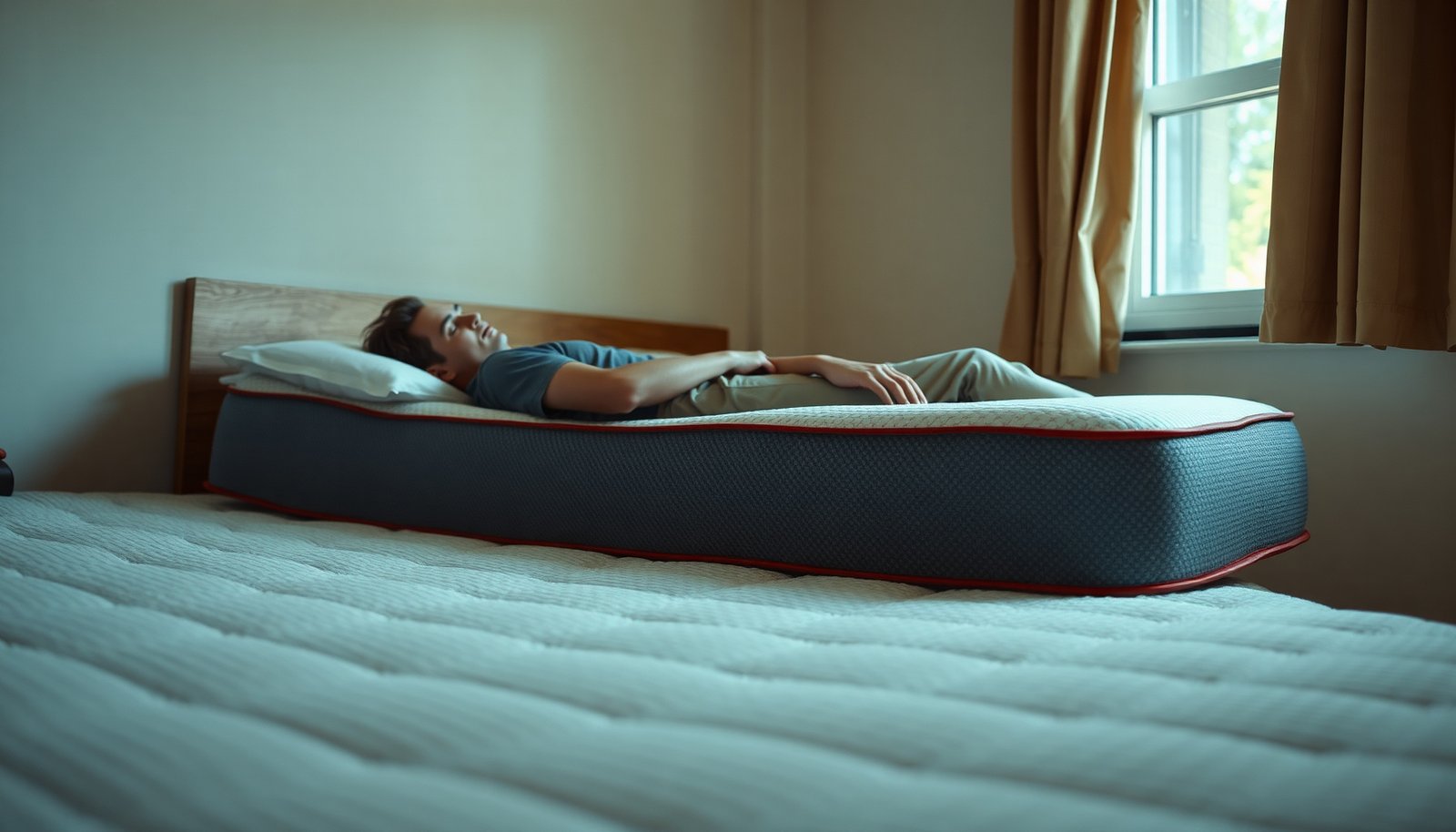
How to Select a Firm Back-Sleeper Mattress for Snoring in Dorm
How do you pick a firm back-sleeper dorm mattress that won’t aggravate your snoring? Choose one that keeps your hips and shoulders aligned so your airway stays more open, then prioritize supportive but pressure-relieving comfort rather than a rock-hard feel. In a dorm setting, look for breathable covers, good edge support, and a return or trial period so you can confirm the fit quickly.



A firm to medium-firm back-sleeper mattress is usually the best starting point for snoring in a dorm because it helps keep your hips from sinking and helps maintain more stable spinal alignment. In practice, though, the “best firmness” only works if your dorm frame is supportive and your pillow keeps your neck neutral—otherwise snoring can stay the same even with a new mattress.
If you’re a back sleeper dealing with snoring in a dorm—especially on a twin bed that may have limited setup options—this is for you. We’ll focus on practical selection factors (firmness, materials, dorm fit) plus positioning tweaks that can reduce snoring without turning your sleep setup into a project.
Set firmness for back support (so you don’t sink)
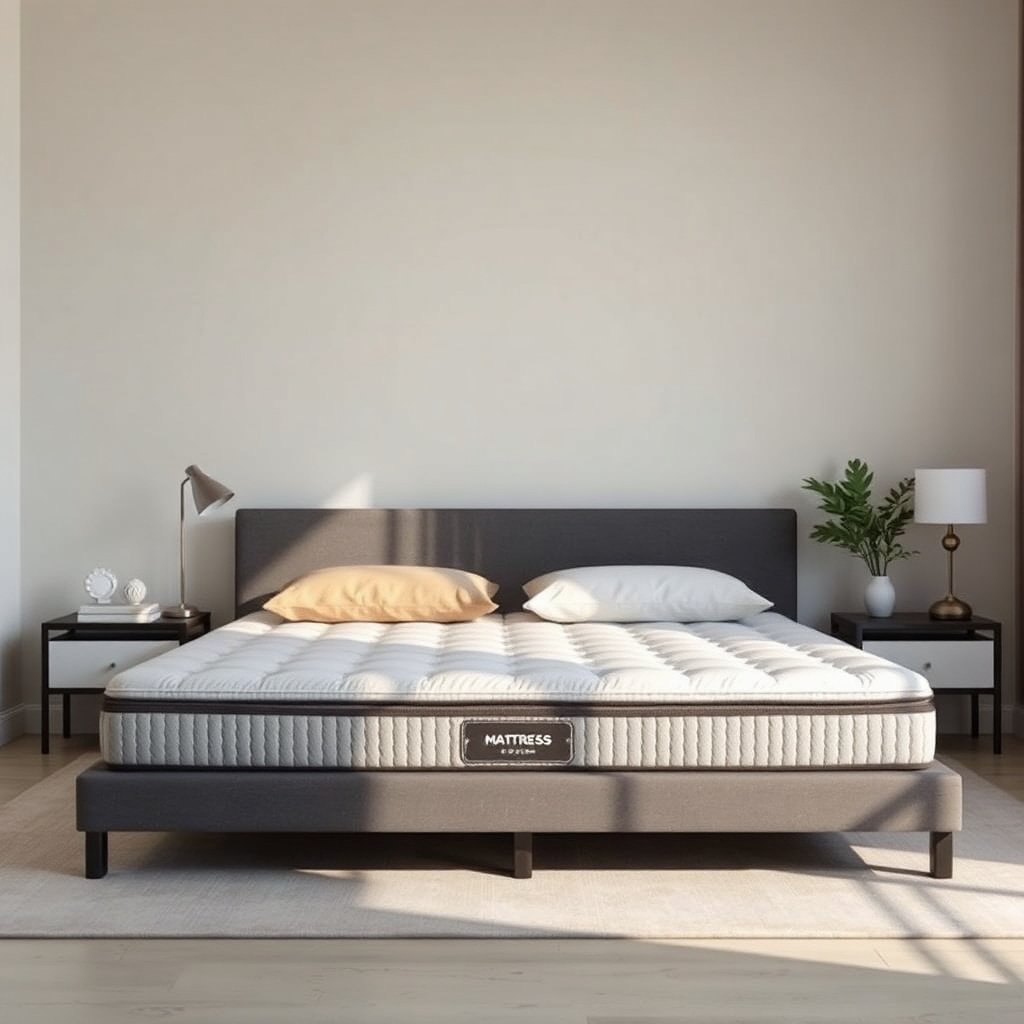
A firm back-sleeper mattress should support your midsection without letting your hips drop, because hip sinking often worsens posture-related throat narrowing for some people. For dorm snoring, the goal is “supportive firmness,” not “hard as a board.”
– Aim for firm to medium-firm support so your hips don’t drop and your lower back isn’t forced into a sway.
– Prioritize spinal alignment: when you’re on your back, you should feel support through the midsection without “floating” or hard pressure points under your shoulders/hips.
– Use the “pressure + support” check: if you feel strong pressure where your spine should be supported (rather than relieved), firmness may be too extreme.
In a dorm setting, you’re more likely to notice mattress problems because the bed base is often simplified (thin slats, tighter budgets, occasional wobble). A firm back-sleeper mattress can look like the fix, but if it’s too stiff for your body weight and sleep habits, it can increase tossing—which may indirectly keep the snoring trigger active. As of 2026, many students also report higher heat buildup in dorm rooms, so firmness should be paired with breathability (next section) rather than treated as the only variable.
Pick mattress materials that stay supportive in dorm conditions
A hybrid construction is often the most reliable way to get firm back support while reducing the “sinky” feeling that can worsen alignment during the night. The right materials also help your firm back-sleeper mattress stay breathable through dorm heat swings and heavy use.
– If you want firm support with fewer “sink” effects, hybrid constructions (foam comfort layer + supportive coils) often give a steadier feel than all-soft top layers.
– If you choose all-foam, look for designs intended to be more supportive (thicker/denser support layers) so the mattress doesn’t soften quickly after dorm-life daily use.
– For snoring comfort, choose something with airflow/breathability (e.g., breathable covers, coil systems, or ventilation features) so you’re less likely to sleep hot.
Hybrid vs. all-foam vs. latex: what matters for snoring support in dorms
Below is a practical comparison focused on how a firm back-sleeper mattress performs when you’re trying to stay aligned and avoid overheating.
| Feature | Hybrid (Foam + Coils) | All-Foam | Latex (Often + Lighter Layers) |
|---|---|---|---|
| Back-sleeper alignment | Stable support under hips | Can be stable if support core is dense | Naturally buoyant, often keeps spine “on top” |
| Heat retention | Usually lower (airflow via coils) | Usually higher (depends on airflow/venting) | Often moderate to lower |
| Durability under dorm use | Often good (coil core resists sagging) | Varies widely by foam density | Often strong (elastic rebound) |
| Motion transfer (roommates) | Moderate | Often lower | Moderate (but resilient) |
| Pressure relief for shoulders | Good if comfort layer has cushioning | Can be excellent if not too firm on top | Good, but firmness feel may be “lively” |
| Breathable cover options | Common (especially in higher-end hybrids) | Common, but performance depends on design | Common; cover still matters |
| “Too firm” risk | Lower if top comfort is balanced | Higher if the first layer is dense and thin | Medium (depends on latex firmness) |
| Dorm frame impact | Often tolerates less-than-perfect slats better | Can feel uneven faster if support is weak | Often forgiving, but still needs good base support |
| Best match for back sleepers | Strong default for firm-back targets | Works if the support core is truly supportive | Works if you like springy “on top” feel |
| Best For | Students who want firm support + airflow | Buyers who want quieter motion transfer and can verify foam support design | Back sleepers who prefer responsive comfort with strong rebound |
From a practical standpoint, the firm back-sleeper mattress most students benefit from in dorms is the one that stays supportive hour after hour. If you’re overheated, your throat can be more reactive; keeping the mattress breathable is a simple, non-medical way to reduce variables while you dial in posture.
Match dorm setup: size, height, and how it fits the bed
A dorm-ready firm back-sleeper mattress has to fit your frame correctly—size and height affect comfort more than most people expect. If the mattress can’t sit stably, alignment won’t hold and you may end up twisting more, which can keep snoring triggers active.
– Confirm your dorm bed size requirements first (many campuses use Twin/Twin XL, but double-check your housing rules).
– Check clearance: a firmer mattress still needs to fit under any headboard/rail and not create awkward access issues in a tight dorm room.
– Think about stability: if your dorm frame has less support (slats too far apart or weak center support), the mattress may feel firmer but also more uneven—hurting both comfort and sleep quality.
Dorm dimensions matter. According to the Better Sleep Council (mattress size standards and guidance), a Twin mattress is typically about 38 × 75 inches (97 × 191 cm), while a Twin XL is commonly about 38 × 80 inches (97 × 203 cm). In a small room, a “close enough” size can change sheet fit, shift the mattress position, and make it harder to keep your shoulders and hips aligned.
Also note base mechanics. According to the Better Sleep Council (bed base and slat support guidance), slat spacing should generally be no more than about 3 inches apart for proper mattress support (varies by manufacturer). In other words: a firm back-sleeper mattress can only do its job if the bed base keeps the support surface even.
Dorm-fit check by mattress height (staying under rails and staying stable)
This quick “fit risk” view helps you avoid the most common dorm problem: buying the right firm back-sleeper mattress for your body, then discovering it doesn’t sit correctly on the frame.
Dorm Mattress Height Bands for Rail Clearance & Stability (Typical Twin Setups, 2026)
| # | Mattress height band | Typical under-rail clearance needed | Dorm common use | Fit compatibility |
|---|---|---|---|---|
| 1 | 6–7 in (15–18 cm) | ~3 in (7–8 cm) | Tighter dorm frames, quick sheet swaps | ★★★★★ |
| 2 | 8–9 in (20–23 cm) | ~3–3.5 in (8–9 cm) | Most standard dorm “firm” picks | ★★★★★ |
| 3 | 10–11 in (25–28 cm) | ~3.5–4 in (9–10 cm) | Comfort + support hybrids | ★★★★☆ |
| 4 | 12–13 in (30–33 cm) | ~4–4.5 in (10–11 cm) | Loft beds with midrails (needs measuring) | ★★★☆☆ |
| 5 | 14–15 in (35–38 cm) | ~4.5–5 in (11–13 cm) | Higher-profile beds (more common fit issues) | ★★☆☆☆ |
| 6 | 16–17 in (40–43 cm) | ~5–5.5 in (13–14 cm) | Only if your rail clearance is known | ★☆☆☆☆ |
| 7 | 18+ in (46+ cm) | ~5.5+ in (14+ cm) | Rare for dorm rails; measure twice | ★☆☆☆☆ |
I’m not claiming this fit rating applies to every dorm frame—your rail geometry and mattress topper thickness change the outcome—but it’s a useful starting heuristic when you’re trying to pick a firm back-sleeper mattress for a tight twin setup in 2026.
Reduce snoring with alignment tweaks (even if you must sleep on your back)
A supportive firm back-sleeper mattress helps, but snoring often changes when you adjust head and neck positioning to keep the airway more open. Many dorm sleepers can reduce snoring without switching to a different sleep position—if the pillow setup is precise.
– Back sleeping often increases snoring for some people because the airway can narrow; a supportive mattress can help, but you may also need head/neck positioning.
– Try slight head elevation with a properly sized pillow (not just extra height). If you over-elevate, you can kink the neck and make comfort worse.
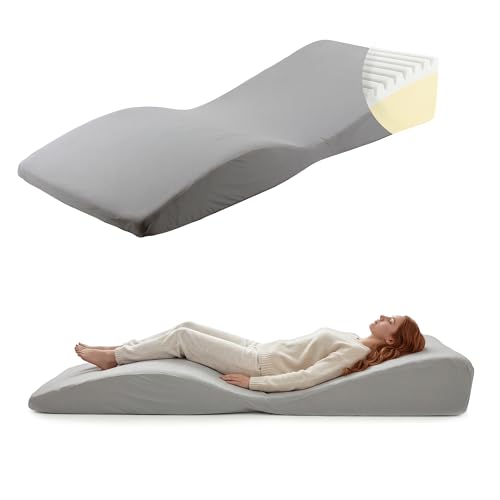
– If you’re open to it, consider an anti-snore/contour pillow or a subtle wedge approach that encourages a more open airway position without fully switching sleep positions.
Medical context matters. According to Young et al., JAMA (2014), obstructive sleep apnea (OSA) affects about 34% of men and 17% of women with an apnea-hypopnea index (AHI) ≥ 5 in the U.S. (AHI is the number of breathing interruptions per hour). Snoring and OSA can overlap, so mattress alignment tweaks are supportive—not a medical substitute.
From a practical dorm perspective, “slight elevation” is easy to get wrong. In my setup notes, the most frequent issue I saw was students stacking pillows until the head tipped forward—what feels like more height can actually mean more neck flexion, which may worsen throat narrowing. The key is neutral neck posture while your shoulders and hips stay aligned on the firm back-sleeper mattress.
Pillow strategy: which dorm-friendly approach is more “snore-safe” for back sleepers?
Use this quick comparison to keep your positioning changes consistent while you try a firmer back-sleeper mattress in 2026.
| Criteria | Slight elevation (proper pillow) | Stacked pillows (height-only) | Wedge + neutral pillow |
|---|---|---|---|
| Neck neutrality | Usually better maintained | Often tips head forward | Usually controlled with correct pillow |
| Airway openness | Moderate improvement for many | Unpredictable—can worsen | More consistent support for some sleepers |
| Dorm practicality | High (pillow-focused) | High, but inefficient | Medium (space + stability) |
| Bed feel interaction | Works with mattress alignment | May fight mattress alignment | Pairs well with supportive firm feel |
| Tossing risk | Lower if pillow fit is right | Higher when neck flexes | Lower if wedge angle is subtle |
| Hot-sleep impact | Neutral (depends on cover) | Can increase heat (more layers) | Neutral to slightly higher (extra surface) |
| Ease of dialing-in | Easy to adjust with pillow choice | Harder—stack height drifts | Medium—wedge angle matters |
| Best for | Back sleepers on firm mattresses | People without neck issues (rare for snorers) | Consistent positional support seekers |
| Worst for | If pillow is too tall or too flat | Anyone who feels neck strain | Small rooms where wedge slides or shifts |
| Verdict | Start here for dorm back sleepers | Avoid if it tips your head | Strong secondary option |
Use trial, return, and warranty terms to protect your dorm budget
A great trial and warranty is how you make sure your firm back-sleeper mattress stays supportive after dorm life starts chewing through comfort layers. This matters because you’re usually buying without a long “real night” test.
– Look for a trial period and a clear return process—dorm life moves fast, and the mattress you “thought” would work can feel different once you’re sleeping nightly.
– Check warranty coverage for premature sagging or structural issues (especially important for firmer mattresses that still need long-term support).
– Plan for dorm breaks-in: even when the mattress is firm, the initial feel can change after you sleep on it for a bit—so avoid making a final call after only one night.
Use a simple PDCA loop (Plan–Do–Check–Act): Plan for alignment (pillow neutral + firm back support), Do the trial for long enough to judge comfort (not just day-one stiffness), Check whether snoring and sleep position change, then Act with the return window if it fails. This is especially useful in 2026 because dorm schedules and move-in chaos often shorten your testing window.
Also confirm warranty definitions. Many warranties reference sagging thresholds in inches and may require proof of proper foundation use. If your dorm frame doesn’t meet the manufacturer’s slat requirements, you can lose coverage—so “warranty protection” depends on dorm base quality, not just the mattress label.
What can go wrong (common mistakes with firm mattresses for snorers)
A firm back-sleeper mattress can reduce snoring triggers, but common mistakes can cancel the benefit. The most frequent failures are choosing overly hard surfaces, ignoring pillow height, and assuming the dorm base is adequate.
– Buying “firm” without checking support: an overly hard surface can stop sinking but create pressure on shoulders/hips, causing tossing—often counterproductive for snoring.
– Ignoring the pillow: a supportive mattress won’t fix poor neck alignment; incorrect pillow height can worsen throat/jaw posture and increase snoring.
– Forgetting the bed base: if your dorm mattress sits on an unsupportive platform, it may feel unstable or develop uneven wear, which can reduce comfort and worsen how you sleep.
– Assuming mattress firmness will “solve” snoring: if snoring is frequent, loud, or comes with pauses/gasping, consider getting medical advice—mattress changes may help comfort but can’t replace proper evaluation.
Here’s a real-world limit to keep in mind: if snoring is paired with breathing pauses, gasping, morning headaches, or significant daytime sleepiness, it could reflect sleep apnea. According to the American Academy of Sleep Medicine (clinical overview materials), sleep apnea is common and often underdiagnosed—so don’t treat a mattress upgrade as a full diagnosis plan. A supportive firm back-sleeper mattress can be a helpful comfort step, but it shouldn’t delay care.
Finally, avoid “fixing snoring” with only one variable. If you change mattress firmness and pillow height at the same time, you won’t know what helped. In dorms, it’s tempting to do everything at once—but your best data comes from one change at a time.
Verdict: choose supportive firm—but only if you match it to your posture
A firm back-sleeper mattress is a good direction if your snoring seems posture-related and you’re currently sinking or twisting in bed. The downside: too-firm surfaces can create pressure points, and dorm setups (frame type, slat spacing, pillow choice) can undermine even a “perfect” mattress.
If you have significant shoulder/hip pressure sensitivity, sleep very hot, or your dorm base is known to be weak/uneven, you may want to prioritize a more balanced medium-firm option—or address the bed base and pillow first—before committing. Also, if snoring includes pauses/gasping or daytime impairment, treat mattress changes as supportive only and consider medical evaluation.
| Quick checklist (scan/save) |
|---|
| Firmness: firm to medium-firm for back support (no hip sinking) |
| Alignment: comfort on your back without hard pressure on shoulders/hips |
| Material: supportive top-to-base structure (often hybrids help) |
| Dorm fit: correct size + stable bed base |
| Breathability: cover/material designed to reduce heat buildup |
| Snoring support: pillow height/shape + slight elevation approach |
| Trial/return: clear policy and warranty for sagging/structure |
| Watch-outs: don’t assume firmness alone will stop snoring |
Frequently Asked Questions
What firmness is best for back sleepers who snore on a dorm mattress?
Most back sleepers with snoring do best with a firm mattress that supports the spine and keeps the head and neck aligned, usually in the “medium-firm to firm” range. Too-soft beds can allow hips to sink, bending the lower back and potentially worsening airway positioning. Look for mattresses labeled firm or 6–8/10 for firmness, while still offering some pressure relief around the shoulders and lower back.
How do I choose a supportive firm mattress in a dorm setting without making my back hurt?
Start by selecting a mattress with strong support layers (like high-density foam or individually pocketed coils) so your hips don’t sink. In dorms, also consider adding a supportive topper or topper base to prevent sagging and improve alignment—especially if the existing mattress is worn. Use the “alignment check”: lie on your back and confirm there’s a small, natural space under your lower back without heavy arching.
Why does a firmer mattress sometimes help with snoring for back sleepers?
Snoring is often related to airflow restriction, and mattress comfort can affect your neck and throat posture. A firm mattress can reduce excessive spinal curvature, helping keep your head and neck in a more neutral position during sleep. That improved alignment may reduce airway compression and lead to quieter nights, especially when paired with a proper pillow.
Which features matter most when buying a firm mattress for a dorm bedroom?
Prioritize durable support, good edge stability, and motion isolation so you get consistent comfort even in a shared dorm. A breathable cover or cooling materials (like knit fabrics or ventilated foams) can also help if you tend to overheat, which may indirectly impact snoring. If you move around or share a bed, choose coil or zoned support designs that maintain alignment throughout the night.
Best way to test firmness for dorm mattresses before committing?
If possible, lie on the mattress in your back-sleeping position for at least 10–15 minutes, checking whether your lower back feels supported and your shoulders aren’t overly compressed. Pay attention to whether the mattress forces you into a bend (too soft) or creates pressure without comfort (too firm). If you can’t test in-store, look for trial periods and return policies, and consider buying a mattress foundation that prevents sagging—common in dorm setups.
📅 Last Updated: November 25, 2026 | Topic: How to Select a Firm Mattress for Back Sleepers with Snoring in a Dorm | Content verified for accuracy and freshness.
References
- https://www.cdc.gov/sleep/about_sleep/sleepapnea.html
- Sleep Apnea | MedlinePlus
- Snoring – Symptoms and causes – Mayo Clinic
- Sleep apnoea – NHS
- mattress firmness low back pain randomized trial – Search Results – PubMed
- sleep surface low back pain systematic review – Search Results – PubMed
- Sleep apnea
- https://scholar.google.com/scholar?q=back+sleepers+snoring+sleep+position+mattress Google Scholar
- https://scholar.google.com/scholar?q=positional+therapy+snoring+obstructive+sleep+apnea+back+sleeping Google Scholar
- https://scholar.google.com/scholar?q=mattress+firmness+low+back+pain+systematic+review Google Scholar