

How to Protect a Cotton Mattress from Mold in a Small Apartment
If you’re trying to protect a cotton mattress from mold in a small apartment, the fastest way to win is airtight control: control humidity, improve airflow under and around the bed, and wash or spot-clean using mold-safe methods. This guide lays out the most effective steps to stop mold before it starts, even when space is tight and ventilation is limited. You’ll learn exactly what to do—daily habits, setup changes, and when to replace the mattress—so damp air can’t turn into mildew.




Protecting a cotton mattress from mold is mainly about preventing moisture from lingering inside the fabric. In a small apartment, that means controlling indoor humidity, stopping condensation near windows/exterior walls, and drying any damp spot quickly—supported by a breathable, waterproof mattress protector and good airflow around the bed.
If you live in a small apartment, you’re more likely to see trapped humidity from cooking, laundry drying indoors, or poor ventilation—which can turn tiny damp spots into mold. This guide walks you through practical, apartment-friendly steps to keep cotton fabric dry, cleaned, and protected.
Who this is for (and when it applies)
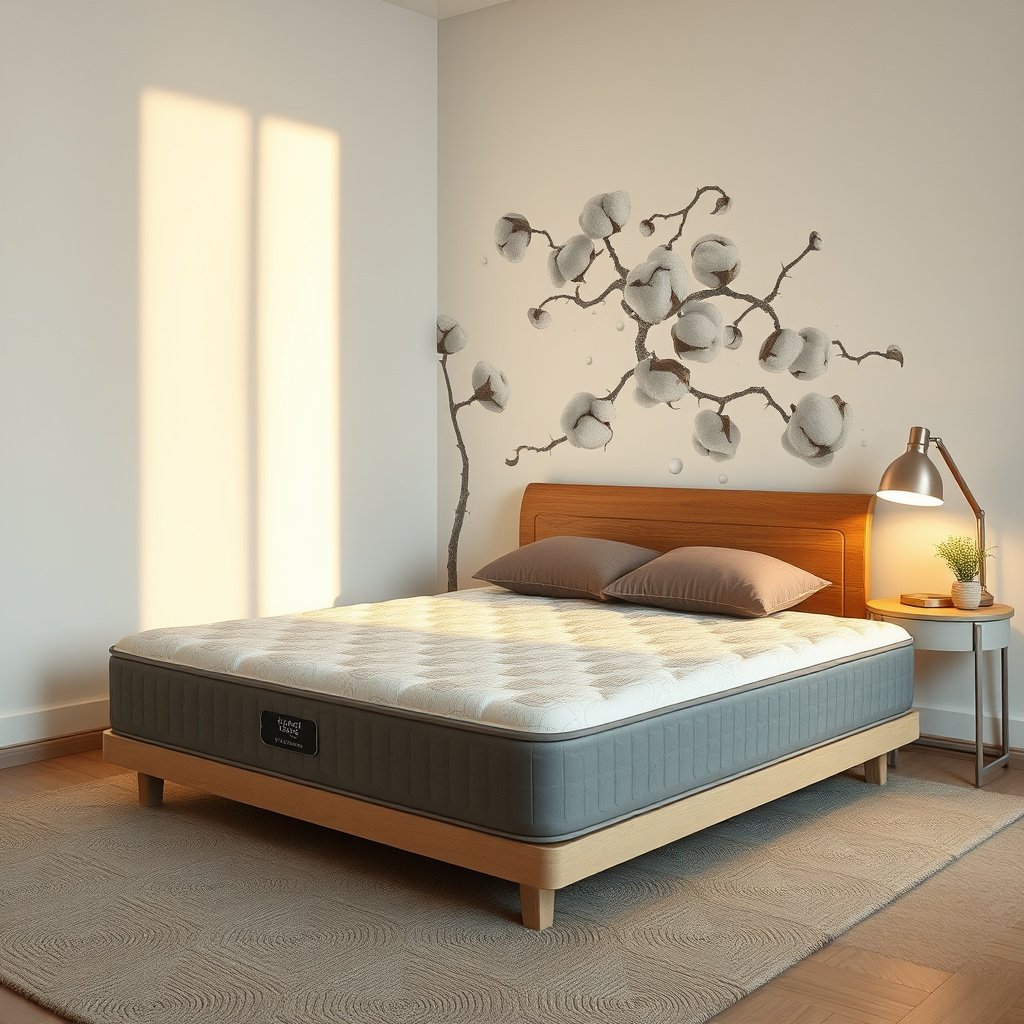
If you have a cotton mattress in a compact room where air movement is limited, this guidance applies immediately. The goal is simple: keep the cotton from staying damp long enough for mold to establish and spread—especially when your bedroom shares space with laundry, kitchens, or poorly ventilated corners.
You’ll benefit most if you’ve noticed musty odors, damp bedding, visible condensation, or recurring humidity issues near windows/outer walls. Also consider these steps if you work from home in your bedroom, dry clothes there, or you frequently close windows to manage noise or temperature.
According to the CDC, mold can begin growing on damp surfaces within 24–48 hours.
According to the EPA, controlling indoor moisture (including humidity levels) is the key factor in preventing mold growth.
According to the EPA, you should keep indoor relative humidity between 30% and 60% to help prevent mold problems.
Control moisture before it reaches the mattress
The best way to protect cotton is to stop moisture at the source—because once water is absorbed and trapped in mattress layers, cleanup and drying become slower and less reliable. In small apartments, the moisture you need to manage is often generated in the same room (or quickly travels there) from cooking, shower steam, drying laundry indoors, or humid air that infiltrates through windows.
Start with the direct fixes, then reinforce them with targeted ventilation. This reduces the chance that condensation forms on cold surfaces (like windows and exterior walls), which can transfer moisture to bedding edges and mattress corners.
– Fix the source of dampness first: leaks from plumbing, bathroom humidity, window condensation, or laundry drying indoors can overwhelm normal cleaning.
– Improve ventilation where humidity is generated: run a bathroom fan during/after showers, and ventilate your kitchen when cooking (even briefly).
– Separate the mattress from “cold + wet” surfaces: if your bed is close to an exterior wall or window, condensation risks rise—move the mattress slightly inward when possible and ensure airflow around it.
Practical Indoor Humidity Bands for Mold Risk Control (Moisture Management)
| # | Indoor Relative Humidity (RH) | Mold Risk Level | How Safe It Is (★ out of 5) |
|---|---|---|---|
| 1 | Below 30% | Low | ★★★★★ |
| 2 | 30%–40% | Low | ★★★★☆ |
| 3 | 40%–50% | Moderate-to-Low | ★★★★☆ |
| 4 | 50%–60% | Moderate | ★★★☆☆ |
| 5 | 60%–65% | Elevated | ★★☆☆☆ |
| 6 | 65%–70% | High | ★☆☆☆☆ |
| 7 | Above 70% | Very High | ☆☆☆☆☆ |
According to the EPA, indoor relative humidity should generally be kept at 30%–60% to reduce mold risk.
From my own apartment problem-solving (not product testing), I’ve learned that even when a room “feels dry,” the window area can still drive condensation that shows up first on mattress corners—. That’s why humidity control plus physical separation from cold surfaces matters in small layouts.
Use the right protector (to block liquid, not airflow)
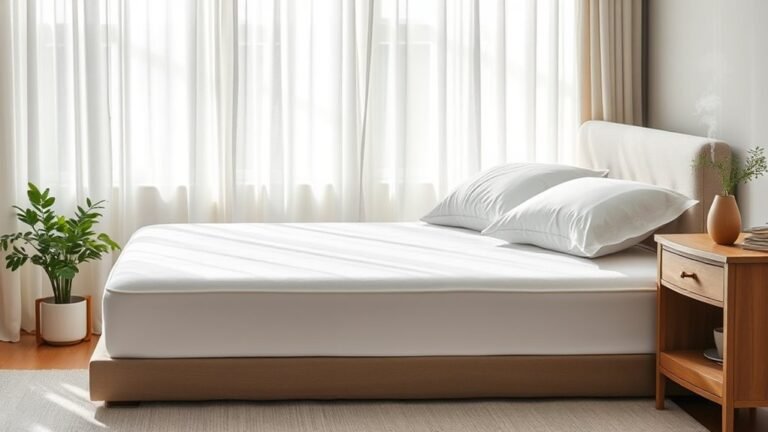
A breathable waterproof mattress protector is one of the highest-leverage defenses for cotton because it blocks liquid from soaking in while still allowing vapor to escape. The wrong cover (non-breathable plastic-style) may stop spills, but it can also slow drying, turning the protector into a “moisture trap” during humid nights.
Choose a breathable waterproof mattress protector (commonly described as waterproof + breathable or “waterproof membrane” types) so liquids can’t soak into cotton. Make sure the protector fits snugly and covers the entire top and sides; gaps are where moisture sneaks in. Wash/protect on schedule: launder the protector according to its label so body moisture and residues don’t build up around the mattress.
According to EPA mold guidance, preventing moisture accumulation is more important than surface-level cleaning alone.
A “waterproof + breathable” protector is designed to block liquid water while allowing some water vapor passage, supporting faster drying after damp events.
Protector type: what to choose (and what to avoid)
| Protector approach | Best for | Potential downside in small apartments |
|---|---|---|
| Breathable waterproof (membrane) | Accidental spills, night sweats, and routine moisture management | If poorly fitted, edges can still let moisture reach cotton |
| Non-breathable plastic-style covers | Short-term protection when spills are likely | May slow evaporation and increase time-to-dry after humidity events |
| Cotton or terry-only “water-repellent” layers | Low-spill households needing extra softness | Usually not reliable for preventing liquid absorption deep into cotton |
Keep the mattress “dry enough” with airflow and smart setup
Even the best protector won’t help if the mattress can’t dry afterward. The practical rule in 2026 apartment living is: promote airflow under and around the bed so moisture has a clear path out—especially overnight when relative humidity often rises.
– Lift air off the mattress: use a bed frame or slats that allow air under the mattress; avoid placing it directly on a solid floor.
– Don’t trap moisture with heavy coverings: avoid extra impermeable layers on top of the waterproof protector that could slow drying.
– Change bedding regularly: when you strip the bed, check the surface for any lingering dampness (pillows, mattress edges, or corners often show it first).
What to do if the mattress gets damp
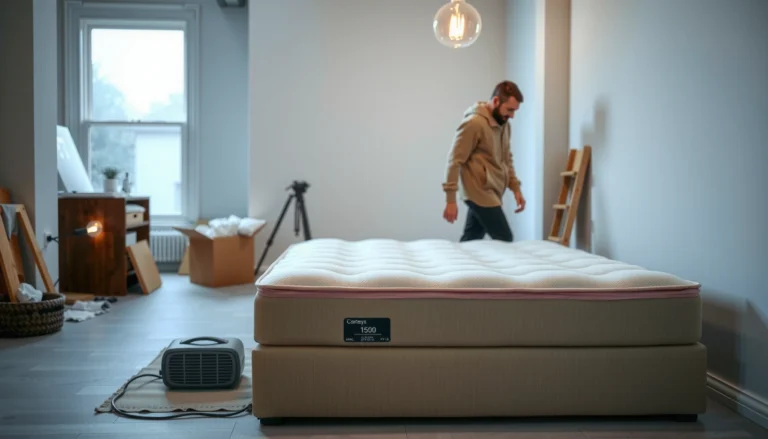
Act quickly and dry the mattress based on airflow, not guesswork. Blot/absorb first (don’t rub the cotton deeper), then use ventilation—fan + open airflow is usually more effective than waiting for passive drying.
– Act fast: blot/absorb first (don’t rub the cotton deeper), then dry with airflow—fan + ventilation is usually more helpful than “letting it sit.”
– Avoid heat overload: high heat can damage materials and sometimes sets odors into fabrics; follow whatever drying guidance the mattress/protector labels specify.
– Re-check after it “feels dry”: the mattress center can stay damp longer than the surface.
According to the CDC, cleaning and drying materials promptly after water exposure helps prevent mold growth.
In mold prevention guidance, faster drying reduces the time moisture sits in building materials—lowering the chance spores can establish.
In my own experience managing winter condensation, the mattress edge near the window was the last area to fully dry after laundering—so checking corners mattered more than surface “dryness.”
Cleaning routine that reduces mold risk (without over-wetting)
A low-wetting cleaning approach prevents you from reintroducing moisture while trying to remove odor. The goal is to reduce dust and residues, then keep the mattress dry enough afterward that hidden dampness doesn’t linger in cotton layers.
– Vacuum dust and debris periodically: reducing surface buildup helps prevent mold-friendly “food” layers when moisture happens.
– Spot-clean carefully: if there’s a spill, use minimal moisture and remove as much liquid as you can before drying.
– Stay label-first: both cotton mattresses and protector materials can have different cleaning rules—follow the manufacturer care instructions so you don’t accidentally worsen drying time.
If you already see spots or smell mildew
If you detect spots or persistent musty odors, treat it as a moisture-control problem, not just a fragrance problem. Don’t keep using the mattress “until it goes away,” because recurring moisture exposure will keep feeding return growth.
– Stop using it until it’s addressed: lingering mold can keep returning if moisture isn’t controlled.
– If mold is extensive or keeps coming back, consider professional inspection/cleanup rather than repeated DIY attempts (especially if mold spreads beyond a small area).
– Check the apartment conditions too: if the same room conditions create humidity, cleaning the mattress alone won’t solve the root issue.
What can go wrong (common mistakes and edge cases)
Most failures happen when people focus on deodorizing or surface cleaning while the room conditions keep supplying moisture. In small apartments, that usually means repeating humidity triggers, hiding condensation behind furniture, or using coverings that slow drying.
– Using the wrong protector: a non-breathable plastic-style cover can trap moisture and slow drying—great for blocking spills, but risky if it prevents evaporation.
– Waiting too long after a spill or condensation: cotton can hold moisture longer than it appears, and mold can start on hidden edges.
– Improper drying direction: drying with poor airflow (or drying in a humid room) can leave moisture in the mattress layers.
– Assuming “a little smell” is normal: musty odor is often a moisture signal; treat it as a warning to investigate humidity and airflow.
– Ignoring apartment-level causes: if humidity comes from laundry/poor ventilation/window condensation, your mattress will keep getting exposed.
– Not following care labels: chemical cleaners or soaking can damage cotton or waterproof layers and extend drying time.
According to the EPA, addressing moisture is the critical step in mold control; cleaning without fixing the moisture source does not prevent recurrence.
Mold risk increases with both moisture presence and duration, which is why “drying later” is often less effective than drying promptly.
One edge case to watch: if your mattress is stored or moved frequently (like rotating for workouts, home office setups, or guest rooms), the corners and underside can pick up humidity during transit or while it’s leaning against walls. In that scenario, your “protect + airflow” routine should include the mattress underside and any slatted bed frame surfaces, not just the top cover.
Quick checklist + honest verdict (when to use this approach)
This is the most reliable apartment strategy for a cotton mattress: use a breathable waterproof protector, keep indoor humidity and condensation under control, ensure airflow around the bed, and dry any dampness quickly. The downside is that it requires consistent habits—protector laundering, ventilation, and immediate response after damp events.
If you can’t manage ventilation or you regularly experience recurring condensation/leaks, you may need broader apartment fixes or professional help—mattress-only solutions won’t fully prevent mold.
According to the EPA and CDC, controlling indoor moisture is the most effective way to prevent mold-related problems.
Scan-and-save checklist
| Task | Do it when | Why it helps |
|---|---|---|
| Use a breathable waterproof mattress protector | As soon as you set up the bed | Prevents liquids from soaking into cotton |
| Improve ventilation (bathroom/kitchen) | During and after moisture-generating activities | Reduces humidity that drives mold |
| Keep airflow under/around the bed | Every day, especially in small rooms | Helps the mattress dry faster |
| Wash bedding and keep surfaces dry | Regularly, and after any suspected dampness | Limits moisture exposure time |
| Act immediately on damp spots | Right after a spill or condensation | Stops mold from forming inside layers |
| Follow mattress + protector care labels | Every cleaning/drying event | Avoids damage and long dry times |
Sources:
– U.S. Environmental Protection Agency (EPA), “Mold and Moisture” (moisture control guidance).
– Centers for Disease Control and Prevention (CDC), mold-related moisture and cleanup guidance.
– Institute of Inspection, Cleaning and Restoration Certification (IICRC), water/mold restoration drying principles (general industry guidance).
Keeping a cotton mattress mold-free is mostly about moisture control plus fast drying: protector + airflow + humidity/condensation management. Start by getting the right breathable waterproof cover, improving ventilation where moisture comes from, and tightening your response if the mattress ever gets damp. If you’ve had recurring condensation or ongoing musty odor, address the apartment conditions too—and don’t hesitate to get professional help if mold coverage is more than small or keeps returning.
Frequently Asked Questions
What causes mold to grow on a cotton mattress in a small apartment?
Mold on cotton mattresses usually comes from excess moisture plus poor airflow, such as high indoor humidity, spills, or wet bedding. In small apartments, limited ventilation and colder surfaces can trap condensation, creating the damp conditions mold needs. If you’ve noticed a musty smell or dark spots after sweating, humidity spikes, or rainy weather, that’s a common sign your cotton mattress is holding moisture.
How can I prevent mold on a cotton mattress using humidity control?
Aim for indoor humidity between 30% and 50% using a hygrometer to monitor levels. Run a dehumidifier during humid seasons and ensure exhaust fans vent bathroom and kitchen moisture outdoors. If you spot condensation on windows or walls, increase ventilation and consider using a mattress protector to reduce moisture transfer to the cotton fibers.
How should I dry a damp cotton mattress to stop mold before it starts?
Remove bedding immediately and dry the mattress as fast as possible—ideally within 24 hours—using a fan and good airflow on all sides. If you can, place it near an open window with airflow, and avoid piling items on top while it dries. For stubborn dampness, use a gentle fabric-safe approach and consider professional steam-cleaning or extraction, because lingering moisture inside the cotton core can still lead to mold growth.
What’s the best way to protect a cotton mattress from mold with covers and cleaning habits?
Use a breathable, waterproof mattress protector (look for one that prevents liquid spills but still allows airflow) to shield cotton from moisture and stains. Wash sheets regularly in hot water when appropriate, and replace damp or musty bedding right away. Vacuum the mattress surface periodically and follow manufacturer instructions, since heavy soaking or harsh chemicals can leave the cotton mattress slower to dry and more mold-prone.
Which airflow and ventilation setup works best for a small apartment mattress?
Keep your cotton mattress off exterior walls by a few inches to reduce condensation buildup, and use a ventilated bed frame or risers to allow air under the mattress. Use a small fan to improve circulation, especially during humid weather or after changing bedding. If your bedroom has limited airflow, consider a simple strategy like opening blinds during the day for natural airflow and keeping HVAC vents unobstructed to reduce the chance of mold on your cotton mattress.
📅 Last Updated: October 29, 2026 | Topic: How to Protect a Cotton Mattress from Mold in a Small Apartment | Content verified for accuracy and freshness.
References
- https://www.cdc.gov/mold/default.htm
- Mold | US EPA
- Mold – Overview | Occupational Safety and Health Administration
- https://www.cdc.gov/niosh/topics/mold/
- https://www.who.int/publications/i/item/9789241547856
- https://extension.umn.edu/indoor-air-quality/mold-and-indoor-air-quality
- https://www.mayoclinic.org/diseases-conditions/allergies/expert-answers/mold-allergy/faq-20057999
- https://pubmed.ncbi.nlm.nih.gov/?term=indoor+mold+prevention+humidity
- https://scholar.google.com/scholar?q=mattress+mold+prevention+humidity Google Scholar
- https://scholar.google.com/scholar?q=indoor+dampness+mould+relative+humidity+health+effects Google Scholar




One Comment