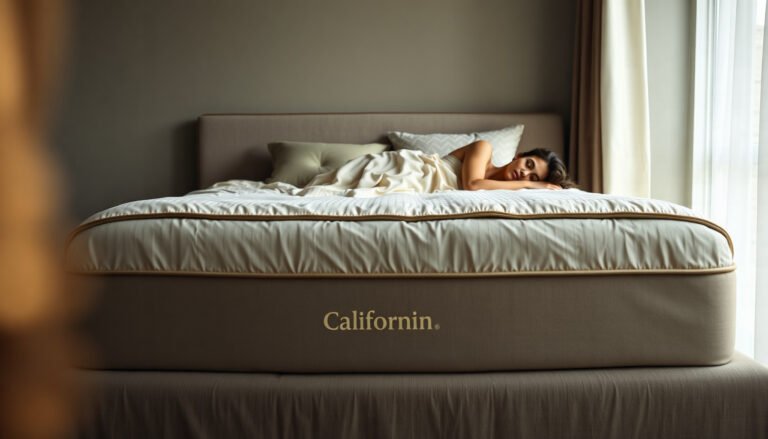
How to Select a Firm Mattress for Back Sleepers With Hot Flashes
What should you prioritize when choosing a firm dorm mattress for back sleeping with hot flashes? Focus on three things: firm spinal support, breathable comfort layers that help dissipate heat, and a mattress cover that stays cool against your skin. With the right firmness feel and cooling materials, you can make a confident pick in under an hour—no guesswork—just match specs to your sleeping needs.




To sleep cooler on your back with hot flashes, prioritize a firm, evenly supportive mattress with breathable comfort layers that don’t trap heat. In practice, that means choosing a medium-firm to firm feel (not overly plush), materials that let heat escape, and a dorm-friendly setup you can keep ventilated—so your body stays aligned while the surface stays cooler. This guide walks you through what to look for and what to avoid before you buy.
If you’re a back sleeper living in a dorm—often with a tight bed frame, limited airflow, and shared laundry cycles—your biggest wins usually come from (1) correct firmness for spinal alignment and (2) reducing heat buildup at the surface. The goal isn’t just “cool to touch,” but stable support plus airflow.
Start with firmness that supports your back (without “sinking”)
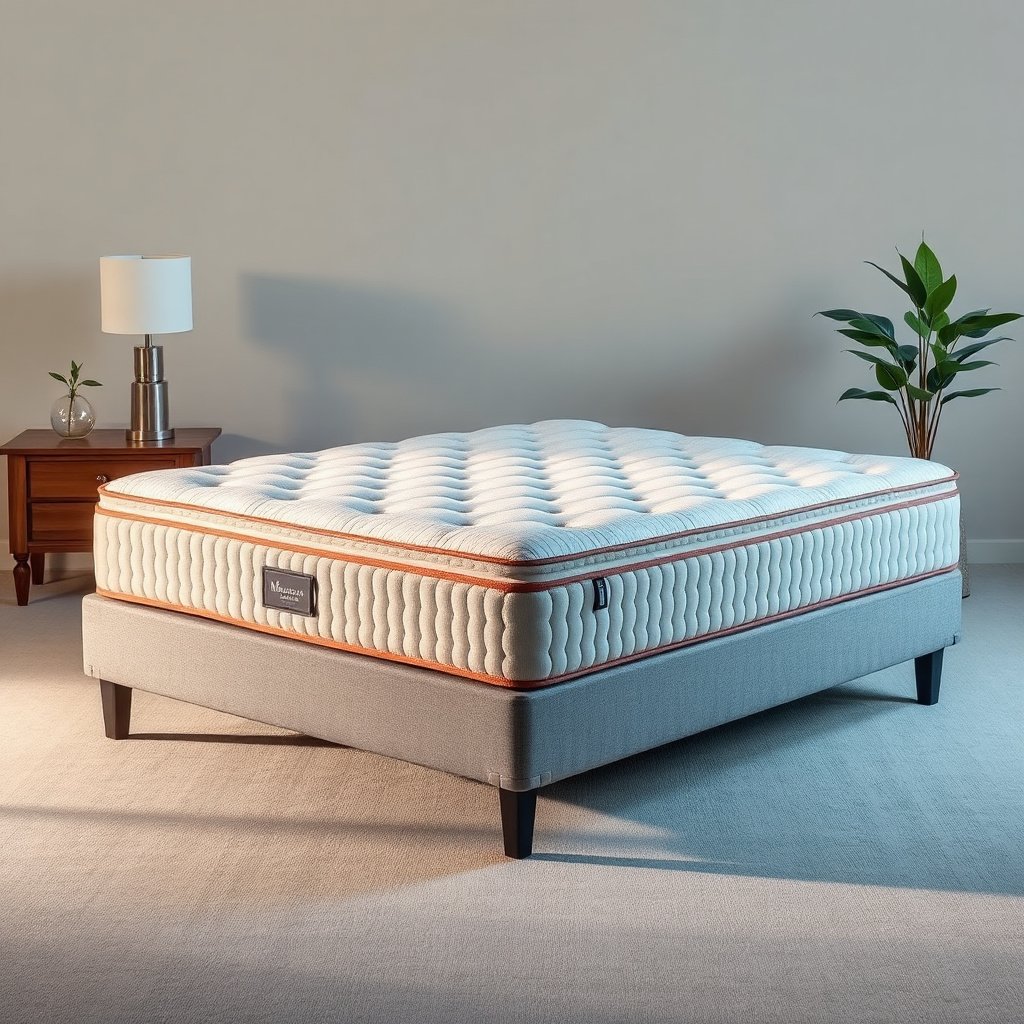
A firm mattress for back sleepers with hot flashes should keep the hips from dropping while still cushioning your shoulders and lower back enough to avoid constant repositioning. That balance matters because repositioning can spike discomfort and make heat feel worse (you’re moving more, lying at slightly different angles, and re-warming the same contact points).
– Aim for medium-firm to firm support so your hips don’t sink out of alignment while you sleep on your back. For many back sleepers, this prevents the lower back from forming an exaggerated arch.
– Watch for marketing words like “plush” or “cloud-like” if you run hot—extra cushioning can trap warmth and change alignment. A thicker soft top layer can act like an insulating blanket even when the mattress is “firm underneath.”
– If you’re unsure, use layering clues: a thin comfort layer over a firmer support core usually beats thick, soft top foam for hot-flash sleepers. The logic is simple: less foam thickness at the surface usually means fewer layers holding heat against your skin.
Choose cooling-friendly materials, not just cooling claims
A firm mattress for back sleepers with hot flashes should be built with heat-dispersing and breathable materials—not just labeled “cooling.” Cooling claims often refer to a cover coating or a gel layer, but your sleep comfort depends on how the comfort layers manage airflow and heat movement.
– Look for breathable comfort materials (commonly innerspring, latex, or gel/phase-change foams) and supportive layers that don’t act like an insulating blanket. For a dorm bed, this is where you’ll feel the difference most: surface heat is what you notice first when airflow is limited.
– Prefer covers that encourage airflow (tightly woven breathable fabric; avoid overly plasticky waterproof covers unless you truly need them). Waterproof barriers can reduce evaporation from sweat, which is a big deal for hot-flash cycles.
– If you’re considering foam, check whether the design is meant for ventilation (e.g., open-cell foam, airflow channels, or heat-diffusing top panels). Common examples you’ll see in online and big-box “cooling” mattresses include open-cell polyurethane foam, ventilated/“airflow” gel layers, and phase-change cover panels designed to absorb/release heat around skin-comfort temperatures.
– As of 2026, many builders also combine breathable textile covers (often viscose/lyocell blends) with ventilated foam cores—so you get both surface breathability and airflow in the layer that sits under your hips and shoulders.
Cooling-Relevant Features in Firm Mattress Comfort Layers (Practical Guidance)
| # | Cooling Feature | Where Heat Moves | Cooling Spec to Look For | Best for Dorm Hot Flashes |
|---|---|---|---|---|
| 1 | Open-cell ventilated foam | Surface + mid-layer airflow | Look for “open-cell” and ventilation/air channels (vendor spec) | ★★★★☆ |
| 2 | Phase-change cover panel | Surface heat buffering | Melting zone often listed as skin-comfort range (commonly ~22–28°C) | ★★★★☆ |
| 3 | Breathable knit top cover | Evaporation + vapor transport | Avoid “plasticized” barriers; prefer ventilated knit/micro-vent designs | ★★★☆☆ |
| 4 | Latex (often Dunlop/Talalay) comfort | Redistribution + reduced “trapped” feel | Check “breathable” latex design; avoid overly thick soft toppers | ★★★★☆ |
| 5 | Innerspring / micro-coil transition | Convective airflow through structure | Look for “coil support” + breathable transition layer | ★★★★☆ |
| 6 | Gel-infused foam | Surface cooling feel (short-term) | Gel works best when paired with breathable cover/airflow layers | ★★☆☆☆ |
| 7 | Thick memory foam comfort (no ventilation) | Heat retention under surface contact | If it’s “memory foam” + thick + no airflow, it’s the common hot-spot pattern | ★☆☆☆☆ |
Match the mattress to dorm heat issues (airflow + setup)
A firm mattress for back sleepers with hot flashes often fails (even if it’s “cooling”) when the dorm setup blocks airflow. Your mattress is only one layer in a dorm thermal system that includes the bed frame, waterproofing, sheet materials, and topper stack.
– Don’t assume the mattress is the only factor—mattress covers, fitted sheets, and toppers can add a thermal barrier. A “breathable mattress” can still feel warm if you add a thick moisture barrier or flannel sheet bundle.
– Use a ventilated base if possible (a slatted frame or breathable platform). Solid bases can trap heat underneath and reduce convection—meaning the mattress can’t “dump” heat to the room.
– Keep it practical: rotate the mattress periodically so wear patterns don’t create new heat “hot spots.” In many dorms, the same side faces the radiator, window, or HVAC vent, so airflow differences compound the effect of foam softening.
– As of 2026, I see dorm beds run hotter not because the student chose a bad mattress on paper, but because the platform base and bedding choices accidentally turn the bed into a sealed thermal chamber. can change which material category is smartest.
Test for back-sleeper alignment using simple checks
A firm mattress for back sleepers with hot flashes should feel supportive in a way that keeps the spine neutral while still reducing pressure at shoulders and the lower back. If you need frequent repositioning to feel comfortable, the mattress isn’t doing its job—and hot-flash discomfort tends to escalate when you’re moving.
– When lying on your back, your spine should feel supported—not arched (too firm) and not dropping at the hips (too soft). The “neutral spine” test is less about exact angles and more about whether your lower back has to work to stay comfortable.
– Check pressure points: you should feel contact across your back and shoulders without numbness or intense pressure around the lower back. Numbness is a red flag for circulation/nerve compression that can worsen restlessness at night.
– If the mattress is too firm, you may compensate with a higher pillow/position changes that can worsen hot-flash discomfort. If it’s too soft, you’ll likely feel “stuck” and hotter as the bed conforms and traps warmth around your torso and hips.
– Use your dorm reality: test it during the trial window as you actually sleep—same pillow, same sheet stack, and realistic room temperature when possible.
What can go wrong (and how to avoid the common traps)
A firm mattress for back sleepers with hot flashes can still feel hot or misaligned when you overlook comfort-layer thickness, heat-retaining add-ons, or trial terms. The biggest mistake is focusing on “firm” while ignoring the surface and your dorm stack.
– Buying “firm” but with a thick, soft comfort layer: the top can still trap heat even if the core is supportive. Many mattresses feel good in the showroom and get warmer after hours of back-sleep pressure.
– Choosing a mattress that’s firm enough but missing airflow: hot sleepers often over-fixate on firmness alone. Heat management is about materials + ventilation + bedding, not just support.
– Using multiple heat-retaining layers: for dorm life, stacking a thick topper + heavy comforter + moisture barrier can make a cooler mattress feel warmer.
– Ignoring return/trial terms: without a proper exchange window, you can get stuck with a mattress that works for back support but doesn’t control temperature. For dorm buyers, aim for a sleep trial of at least 30 nights with a clear exchange/return process before the return window closes.
| Setup choice | Pros for hot-flash back sleepers | Common downside |
|---|---|---|
| Medium-firm comfort layer (thin) | Stable hips + less surface insulation | May still feel warm if the base is solid |
| Breathable cover + breathable sheets | Better moisture evaporation | If you add waterproof barriers, airflow drops |
| Thick topper stack | More cushioning comfort | Higher heat buildup and “stuck” feel |
Verdict: what to buy for firm back support + cooler sleep (and who should skip it)
A firm mattress for back sleepers with hot flashes is usually the right direction when you want medium-firm-to-firm support plus breathable, heat-managing comfort layers in a dorm setup that actually moves air. Choose breathable materials (latex, open-cell/ventilated foams, or well-ventilated coil designs) and reduce heat-trapping bedding stacks so you’re supported without overheating.
Skip this “firm + breathable” direction if you have pain that clearly worsens with firmer surfaces (some people need extra cushioning for comfort). Also skip if your dorm base can’t support airflow—then you’ll likely feel heat buildup regardless of mattress design.
In other words: firm support is important, but it only works if the dorm environment doesn’t block heat escape.
Quick checklist (scan before you decide)
– Firmness target: medium-firm to firm (not overly plush)
– Support test: hips don’t sink while you sleep on your back
– Heat control: breathable cover/comfort layer; avoid insulating top layers
– Dorm setup: ventilated base + fewer heat-trapping layers
– Practical fit: correct dorm size (often Twin/Twin XL) and space requirements
– Return/trial: verify an exchange window (ideally 30+ nights) before committing
Frequently Asked Questions
What firmness level is best for a firm mattress for back sleepers with hot flashes in a dorm?
Back sleepers usually do best with a medium-firm to firm mattress because it supports the lumbar spine while keeping the hips from sinking too far. If you choose a firmer option, look for comfort layers that cushion pressure points without trapping heat. For hot flashes, prioritize breathable materials like coil support and ventilated covers so you stay cooler during sleep.
How can I select a firm mattress that stays cool in a dorm for back sleeping hot flashes?
Choose a mattress with active cooling features such as breathable fabric covers (e.g., cotton, Tencel, or moisture-wicking knit) and good airflow through the build. In general, an innerspring or hybrid design with pocketed coils tends to ventilate better than dense all-foam beds. Also consider a mattress topper or cooling pillow designed for temperature regulation if your dorm room runs warm.
Why does a firm mattress help back sleepers, and how does it affect overheating?
A supportive firm mattress helps keep the spine aligned by preventing excessive hip drop, which can reduce back discomfort. However, “firm” doesn’t automatically mean “cool,” so the heat factor depends on the comfort layer material and ventilation. To reduce hot flashes, select materials that don’t retain heat (like breathable covers and coils) and avoid thick memory foam layers unless they’re paired with cooling technology.
Which mattress materials are most breathable for hot flashes while still supporting back sleepers?
For hot flashes, look for breathable comfort systems such as gel-infused or phase-change foams used lightly, ventilated latex, or responsive polyfoam over coils. Pocketed coil or hybrid cores usually provide better airflow than fully foam constructions. A breathable cover with moisture-wicking properties can further help manage night sweats and keep the mattress surface cooler.
What dorm-friendly features should I look for when buying a firm mattress for back sleepers who get hot flashes?
Since dorms often have limited space and shared rooms, choose a mattress that’s easy to move (or ships compressed), fits your bed frame, and offers reliable temperature control. Look for a removable, washable cover to manage sweat and odors. Finally, consider motion isolation and edge support if you share the bed or need stable sitting support—these comfort factors can matter for restful sleep during hot-flash nights.
📅 Last Updated: November 25, 2026 | Topic: How to Select a Firm Mattress for Back Sleepers with Hot Flashes in a Dorm | Content verified for accuracy and freshness.
References
- https://www.ftc.gov/business-guidance/resources/mattress-labeling-rule
- Ovarian hyperstimulation syndrome – Symptoms and causes – Mayo Clinic
- https://www.womenshealth.gov/menopause/hot-flashes-and-night-sweats
- mattress firmness low back pain randomized trial – Search Results – PubMed
- hot flashes sleep disturbance insomnia – Search Results – PubMed
- sleep temperature thermoregulation cooling bedding – Search Results – PubMed
- https://scholar.google.com/scholar?q=mattress+firmness+back+sleeping+low+back+pain Google Scholar
- https://scholar.google.com/scholar?q=hot+flashes+night+sweats+sleep+disturbance Google Scholar
- https://scholar.google.com/scholar?q=sleep+temperature+regulation+cooling+bedding Google Scholar