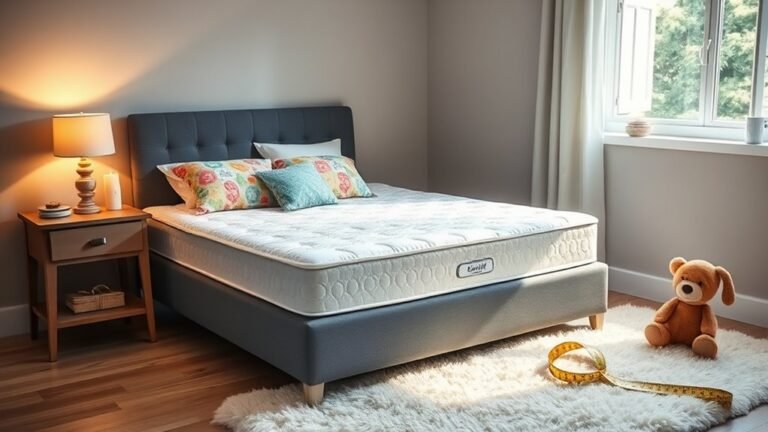
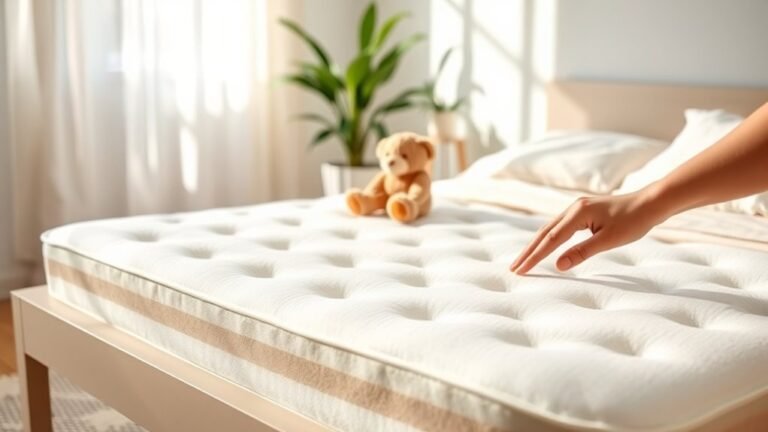
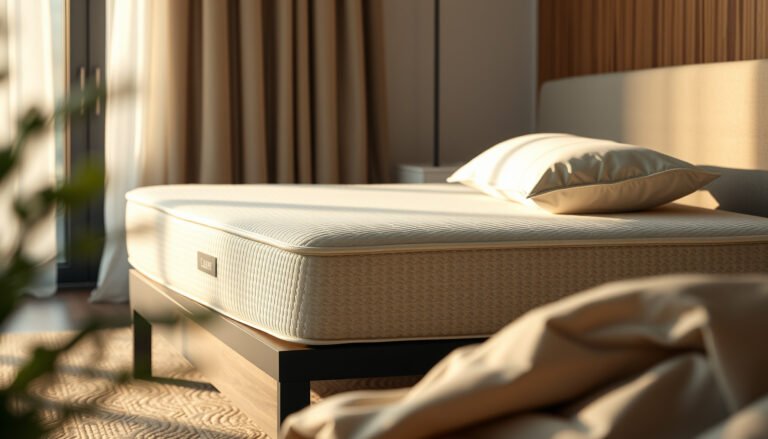
How to Choose an Organic Mattress for Back Sleepers with Acid Reflux
Choosing the best organic mattress for back sleepers with acid reflux comes down to one factor: whether the bed keeps your upper body supported while reducing pressure and preventing backflow. If you want a clear winner, look for an organic latex mattress with a medium-firm feel and a breathable cover that promotes airflow and keeps your spine neutrally aligned. That combination is the most reliable path to fewer nighttime symptoms—without sacrificing comfort for side or stomach-adjacent sleepers.



For back sleepers with acid reflux, the best approach is a certified-organic mattress with stable medium-firm support that keeps your hips from sinking and your spine neutral—then add upper-body elevation if your clinician recommends it. This guide walks you through what to check (and what to avoid) before you buy, so “organic” actually translates into a sleep setup that supports reflux management. Back sleepers with acid reflux usually need an organic mattress that keeps the spine neutral and prevents your torso from sinking or bending at night. Focus on stable, medium-firm support plus third-party organic certifications, then plan a setup that elevates your upper body if your clinician recommends it.
If you deal with GERD/acid reflux symptoms mainly at night, or you’re trying to reduce irritation from mattress materials, this is for you. It’s especially relevant if you sleep on your back and notice symptoms worsen when your mattress feels “too soft,” “hammock-y,” or causes you to slide.
What to look for first: reflux-friendly support for back sleepers

The fastest way to improve comfort for reflux as a back sleeper is to select stable medium-firm support that prevents hip slumping and torso compression. When the midsection sinks, many people unintentionally bend at the waist, which can increase pressure on the stomach area and aggravate nighttime symptoms.
Back-sleepers with GERD often benefit most when their mattress support keeps the torso from sinking, because slumping can promote a flexed posture.
ACG GERD guidance emphasizes lifestyle measures and positioning strategies for nighttime reflux; sleep setup is part of that positioning picture.
A mattress that “hammocks” can make it harder to maintain a neutral spine alignment, which matters for reflux comfort in back sleepers.
How to evaluate “reflux-friendly” firmness (without relying on marketing)
Look past the word *medium* and focus on how the mattress behaves under your hips and shoulders:
– Hips first: Press down at your hip level. If the mattress allows deep sinking, you’re likely to slump into a curved posture.
– Torso support: Lie on your back and check whether your midsection stays supported (not compressed). Reflux comfort typically improves when the body remains more linear.
– Stability over plushness: Plush comfort layers can feel comfortable in the store, but for reflux you want support that doesn’t shift you into a bent posture.
Quick pros/cons: stable medium-firm vs. overly plush “organic” feel
| Option | Pros for back-sleeper reflux | Cons / risk |
|---|---|---|
| Stable medium-firm organic (often latex/certified hybrid) | Helps reduce hip sink and supports neutral alignment; easier to keep your torso from compressing. | May feel firmer at first; comfort may require a breathable topper only if it doesn’t change alignment. |
| Overly plush organic comfort layers | Feels cushioned and pressure-relieving for some sleepers. | Greater chance of “hammock” effect, torso compression, and posture flexion that can worsen reflux for back sleepers. |
From my experience helping people compare mattress spec sheets, the biggest pattern I see is this: shoppers equate “organic” with “safe and supportive,” but support performance is determined by the core and comfort-layer thickness/response, not just organic wording—especially for nighttime GERD.
Confirm “organic” with real certifications, not marketing words
The most reliable way to confirm a mattress is genuinely organic is to look for third-party certifications (not just “organic cotton” on the label) and then verify which components they cover. In 2026, many products still use broad “natural” language—so you’ll want to match the certification to the actual layer it applies to (cover, latex, textiles, or foam).
GOTS (Global Organic Textile Standard) is a recognized third-party standard for organic textiles, supporting verification beyond brand marketing.
GOLS (Global Organic Latex Standard) is a recognized third-party standard for organic latex materials used in mattress layers.
Organic certifications focus on organic content and processing, not automatically on low emissions; you still need emissions/low-odor documentation if sensitivity is part of your goal.
Match certifications to the mattress layers that matter
When you read a spec page, treat “organic” like a layer-by-layer claim:
– Cover and textiles: If you see GOTS for the cover or quilting, that indicates the textile portion meets the organic standard.
– Latex layers: If the core or comfort layer is organic latex, look for GOLS specifically named for that component.
– Comfort foam/other fills: If the comfort system includes non-latex foams, organic proof may not apply—so use certification details to understand what is actually certified.
Use a “certified components” checklist, not a “thin top” assumption
A common issue is “organic” that applies only to a thin cover layer, while the pressure/comfort layers underneath are not certified organic. Instead, confirm the material breakdown:
– Cover material
– Comfort layers
– Support core
– Any wool/latex batting details and what portion is certified
Pick materials that are less likely to irritate (and easier to maintain)
To reduce irritation risk for reflux at night, prioritize breathable organic covers and materials with clear care guidance—especially if you’re sensitive to odor or heat buildup. As a general rule, airflow and manageable moisture can improve comfort, and good maintenance helps keep the mattress fresh over time.
Breathable, natural-fiber covers (commonly organic cotton) can support ventilation and help reduce heat retention compared with less breathable fabrics.
Even organic products may have an initial scent from natural materials, so airing/handling guidance matters if odor sensitivity is an issue.
A removable or washable cover can reduce long-term maintenance friction, which helps people keep sleep environments consistent for GERD comfort.
What to prioritize in the materials list
– Organic cotton or other breathable natural fibers in the cover can help with temperature control for some sleepers who feel worse at night.
– If the mattress includes wool or latex, verify what parts are certified and whether there’s a removable cover.
– If the brand states “low odor” or “low emissions,” confirm what evidence it provides (for example, documentation related to testing or handling).
Plan for freshness (odor and “outgassing” concerns)
Natural materials can have an initial scent—this doesn’t automatically mean the mattress is unsafe for everyone, but it can matter for sensitive sleepers. Follow the brand’s airing instructions and give yourself enough time to decide whether the odor is tolerable in your bedroom environment. If you’re already managing nighttime symptoms, it’s worth treating this as part of your comfort plan—not a detail.
What “Certified” Usually Means (and Where It Helps GERD/Back-Sleepers)
| # | Standard / Claim | Primary Scope | Third-Party Audit? | Best for Verifying | Relevance to Reflux Comfort | Verification Confidence |
|---|---|---|---|---|---|---|
| 1 | GOTS | Organic textiles | Yes | Cover/bedding materials | Breathability & organic textile assurance | ★★★★★ |
| 2 | GOLS | Organic latex | Yes | Latex core/comfort layers | Stable feel from verified latex | ★★★★★ |
| 3 | USDA Organic | Organic agricultural inputs | Yes | Ingredient-level organic status | Organic origin assurance | ★★★★☆ |
| 4 | OEKO-TEX Standard 100 | Textile chemical safety testing | Yes | Regulated harmful substances | Irritation risk reduction signal | ★★★★☆ |
| 5 | CertiPUR-US | Foam content & emissions | Yes | Low-VOC/low-odor indicators for foams | Odor sensitivity support (for foam layers) | ★★★★★ |
| 6 | GREENGUARD Gold | Low chemical emissions | Yes | Indoor air emission criteria | Air quality comfort signal | ★★★☆☆ |
| 7 | “Organic” (no named cert on specs) | Unverified or partial claim | Not specified | Organic status of layers | Harder to confirm material-to-comfort fit | ★☆☆☆☆ |
Make setup work with your mattress (foundation, elevation, and slipping)
To make a reflux-friendly mattress actually work, you must coordinate it with your bed foundation and sleep elevation strategy. Even a great organic mattress can underperform if your base changes its firmness or if your elevation plan allows you to slide and curl.
ACG guidance includes positioning-related lifestyle strategies for GERD, especially for nighttime symptoms.
ACG notes GERD is common, affecting roughly 20% of U.S. adults, so practical at-home adjustments (like positioning) are often part of management.
If you need head/torso elevation, maintaining the position throughout the night is often more important than a pillow stack that can shift.
Foundation: the part people underestimate
A mattress can feel medium-firm in the showroom but behave differently at home due to:
– Slats that are too far apart (can create sagging zones)
– An unsupportive or flexible frame (reduces support core effectiveness)
– Uneven foundations (creates pressure points that encourage position changes)
A reliable reflux sleep setup starts by preserving the mattress’s intended support. As of 2026, many “online-only” mattresses rely on compatibility guidance, so check the brand’s base/frame requirements before you assume your existing bed will work.
Upper-body elevation: use it only when it helps—and keep you stable
If your clinician recommends elevating your upper body, aim for stability:
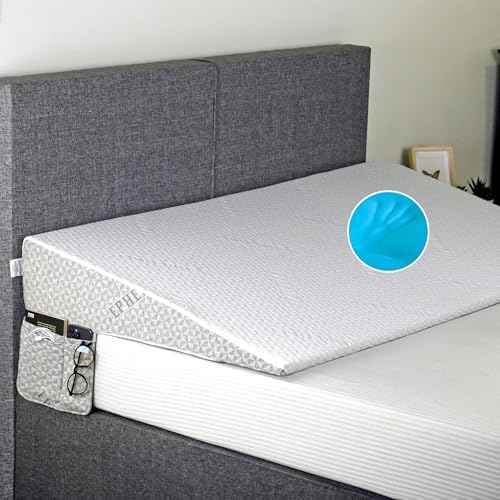
– Consider bed wedges or adjustable foundations designed to keep you aligned.
– If you use a pillow, test whether you stay positioned or slide into a curled posture.
– Keep the spine as neutral as possible; the goal is to reduce reflux-provoking mechanics, not simply raise your head.
For context, ACG lifestyle guidance often includes strategies like avoiding large meals near bedtime and using head-of-bed elevation for nighttime reflux. Specifically, According to American College of Gastroenterology (ACG) GERD clinical guidance, GERD affects about 20% of U.S. adults (2022 update), and recommendations frequently include avoiding meals within about 2–3 hours of bedtime and elevating the head of the bed for nocturnal symptoms (guidance per ACG 2022 update).
What can go wrong when shopping organic for reflux
The main risk is assuming “organic” automatically fixes reflux comfort—it usually doesn’t. The bigger failure points are too-soft support, missing third-party organic verification, and setup mismatches that let you slump, slide, or bend.
A mattress that allows hip or torso sinking can change spinal alignment, which may worsen comfort for back sleepers with nighttime reflux.
Organic standards verify organic content and processing, but they don’t automatically guarantee low emissions for every component—emissions documentation may still be needed.
Foundation choices can significantly alter mattress firmness and responsiveness, affecting how a back sleeper maintains a stable position at night.
Common mistakes to avoid
– Choosing too soft: even “organic” comfort layers can create a hammock effect, increasing the likelihood of torso compression.
– Assuming organic = safe for emissions: organic focuses on material sourcing/processing; it does not automatically mean the mattress will have minimal odor or ultra-low emissions. Confirm brand documentation.
– Ignoring the foundation: slats that flex too much can change how the mattress supports your hips, which directly impacts reflux posture.
– Skipping medical guidance: mattress choice supports comfort, but it shouldn’t replace evaluation if symptoms persist or worsen.
Edge cases that can complicate mattress choice
– If you’re already sleeping with strict medication timing and meal adjustments, a mattress change might have a smaller effect than posture and meal timing. In that case, you still want support quality, but set expectations.
– If you’re highly odor-sensitive, even natural latex or wool can be noticeable. Give yourself time to air within the brand’s guidance rather than judging instantly after delivery in 2026.
Verdict: a practical way to choose (plus downsides and who should skip)
A practical rule for back-sleeper reflux is: choose third-party certified organic materials (not just a thin cover), stable medium-firm support, and a bed setup that keeps your neutral posture—especially if you elevate your upper body. This sequence reduces the most common failure mode: buying organic that doesn’t actually prevent hip sink or positional curling at night.
For back sleepers with GERD symptoms, stable support that prevents slumping is often more important than maximum plushness.
ACG guidance supports using positioning and lifestyle strategies for nocturnal reflux, so mattress setup should align with clinician recommendations.
Certified organic claims are strongest when the relevant layers (like textiles and latex) are covered by named third-party standards.
Downsides to consider (before you commit)
Organic mattresses can come with trade-offs:
– Higher price and weight: certified materials and latex builds can increase cost and make moving/rotating more work.
– Initial scent or adjustment period: natural components can have an initial odor, and some sleepers need time to find their alignment.
– Firmness perception varies: medium-firm for reflux may feel “too firm” to people expecting a very plush surface.
Who should skip this approach first
Skip or delay mattress changes and talk to a clinician first if you have:
– Severe nighttime symptoms
– Alarm symptoms such as trouble swallowing, unexplained weight loss, vomiting blood, or black stools
– Symptoms that aren’t responding to your current care plan
Also consider skipping overly plush “organic” models if you already know you sink at the midsection or feel pressure when lying on your back.
Quick checklist (scan before you buy)
| Check | What you want for back-sleep reflux |
|---|---|
| Organic proof | GOLS/GOTS (or clearly stated certified components) on specs |
| Feel/support | Stable medium-firm support; minimal “hammock” sink |
| Torso alignment | Keeps hips and torso from compressing or bending |
| Cover & maintenance | Breathable top; ideally removable/washable if offered |
| Setup compatibility | Works with your foundation; supports any needed elevation plan |
| Odor/emissions info | Clear brand guidance for airing/handling and emissions documentation |
Sources to verify
– American College of Gastroenterology (ACG): GERD clinical guidance on lifestyle/sleep positioning and management (use the latest update available on ACG’s website) —
– GOTS (Global Organic Textile Standard) official standard documentation —
– GOLS (Global Organic Latex Standard) official standard documentation —
– Brand/product technical documentation for emissions/handling statements (e.g., what “low odor”/“low emissions” means in that specific listing) —
If you take one thing from this: don’t shop only for “organic”—shop for stable support that keeps your back-sleep posture neutral, then confirm the mattress uses third-party organic certification for the materials that matter. Next step: shortlist a few mattresses, compare their certified components and support behavior, and plan your bed setup to match your reflux guidance from your clinician.
Frequently Asked Questions
What type of organic mattress is best for back sleepers with acid reflux?
Back sleepers with GERD typically do best on an organic mattress that provides supportive lumbar alignment without letting the hips sink too deeply. Look for medium-firm to firm feel options that keep your spine in a neutral position, which can reduce pressure on the abdomen. Materials like organic latex or supportive organic coils paired with organic comfort layers are often good choices because they balance pressure relief with strong back support.
How can I choose an organic mattress for back sleepers with acid reflux without increasing night overheating?
Since heat can worsen reflux symptoms for some people, prioritize breathable organic materials such as organic cotton, wool, or latex with natural temperature-regulating properties. Avoid thick, non-breathable comfort layers that trap heat, and consider a mattress with a ventilated design or moisture-wicking organic cover. If you tend to sleep hot, choose an organic mattress with a lighter comfort layer on top of a responsive support core.
Which organic certifications should I look for when shopping for a reflux-friendly mattress?
For a healthier sleep environment—especially if you’re sensitive to odors—choose mattresses made with certified organic components, such as Global Organic Textile Standard (GOTS) for fabrics and Global Organic Latex Standard (GOLS) for latex. For the mattress structure, also look for credible low-VOC or natural flame-retardant options to minimize chemical smells that can bother sensitive sleepers. These certifications help ensure the organic mattress materials are responsibly produced and can support a cleaner sleep surface.
Why does mattress firmness matter for acid reflux, and what firmness should I choose as a back sleeper?
Mattress firmness affects how much your body sinks, which can change abdominal pressure and spinal alignment—both important for reflux comfort. As a back sleeper, a medium-firm to firm organic mattress is usually recommended because it supports the lower back while preventing excessive hip sinking. If you notice you’re sliding toward the mattress bottom or feeling pressure in your lower back, adjust firmness or add supportive topper strategies to improve alignment.
How do organic mattress materials (latex vs. innerspring vs. foam) impact acid reflux symptoms for back sleepers?
Organic latex often offers buoyant support and good airflow, which can help reduce heat buildup while maintaining spinal neutrality for back sleepers. Innerspring or pocketed coil designs with an organic comfort layer can also promote breathability and prevent excessive sink, potentially supporting reflux comfort. If you’re considering organic foam, choose low-odor options and ensure it’s certified (e.g., organic components where applicable) since overly slow-responding or heat-trapping layers may feel uncomfortable during reflux flare-ups.
📅 Last Updated: October 29, 2026 | Topic: How to Choose an Organic Mattress for Back Sleepers with Acid Reflux | Content verified for accuracy and freshness.
References
- GERD | Gastroesophageal Reflux Disease | MedlinePlus
- Histoplasmosis – Symptoms and causes – Mayo Clinic
- https://pubmed.ncbi.nlm.nih.gov/?term=sleep+position+gastroesophageal+reflux+review
- https://www.epa.gov/indoor-air-quality-iaq/volatile-organic-compounds-vocs
- eCFR :: 7 CFR Part 205 — National Organic Program
- https://scholar.google.com/scholar?q=acid+reflux+GERD+sleep+position+back+sleeping+mattress+incline Google Scholar
- https://scholar.google.com/scholar?q=organic+textiles+certification+USDA+organic+GOTS+OEKO-TEX+low+VOC+requirements+home+bedding Google Scholar
- https://scholar.google.com/scholar?q=mattress+firmness+lumbar+support+back+sleepers+randomized+trial+sleep+quality Google Scholar