How to Protect a Cotton Mattress from Spills in a Coastal Guest Room
You hear a glass clink on the nightstand, and a wet ring spreads across the cotton mattress cover in your coastal guest room. You can stop that damage by adding a breathable, waterproof mattress protector, plus a removable, machine-washable top sheet so spills stay on layers you can clean quickly. Have a towel kit for blotting and a cotton-safe cleaner ready, and you will keep the mattress fresh with little effort.




Use a true waterproof mattress protector (with a breathable top) plus a removable, washable top cover so liquid can’t reach the cotton fibers. Then handle accidents fast with a “blot-first” routine and quick-dry airflow—because coastal humidity turns small spills into stains and lingering odors.
Cotton mattresses can stain and start to smell quickly, especially in humid coastal rooms. The fastest protection is to use a waterproof mattress protector plus a breathable top cover so spills don’t soak into the cotton. Then, keep cleanup simple with “spill-ready” supplies and a quick drying routine.
If you’re setting up a guest room near the coast—or you frequently deal with water, drinks, sunscreen, or condensation—this is for you. The goal is to prevent liquid from reaching the cotton fibers while still keeping the mattress comfortable for overnight guests.
Choose the right mattress protector (waterproof, breathable)
The best waterproof protection for a cotton mattress is a mattress-specific protector that blocks liquid penetration while still venting moisture vapor. In coastal guest rooms, “water-resistant” isn’t enough—spills need a barrier that’s designed to stop liquid on contact.
Start with two specifications: (1) waterproof barrier and (2) breathability. A waterproof barrier is commonly built with laminated polyurethane (PU) or thermoplastic polyurethane (TPU) films, or with a microporous membrane system. Breathability is often described as water vapor permeability (sometimes measured as MVTR, millimeters/grams per square meter per day depending on test method), which matters because cotton mattresses can feel clammy when water vapor can’t escape.
Waterproof vs water-resistant (what you actually want)
For coastal spills (wine, coffee, bath products, and condensed bottle sweat), you want a barrier that passes recognized liquid-entry testing (manufacturers often reference AATCC/ISO testing). A practical way to evaluate is to look for language like “waterproof,” “liquid-proof,” and “designed for mattresses.”
Here’s a quick comparison you can use for your purchasing decision:
- True waterproof mattress protector
-
Pros: Blocks liquid penetration; reduces stain transfer to cotton layers; easier “blot-and-go” cleanup.
Cons: Some waterproof films can feel warmer if they’re not breathable; quality varies widely by construction. - Water-resistant dust cover
-
Pros: Light protection against dust and minor splashes; often cheaper.
Cons: Can still let moisture seep; higher risk of odor retention in cotton mattresses after repeated coastal incidents.
A helpful performance lens for coastal cotton mattresses
When you’re choosing between protector technologies, the two numbers that best correlate with real-world comfort in humid rooms are:
– Hydrostatic head (how much water pressure the material resists before leakage), and
– MVTR / breathability (how quickly vapor escapes so the cotton mattress doesn’t feel damp).
Typical Barrier/Breathability Targets for Coastal Cotton Mattress Protection
| # | Protector technology (common in mattress liners) | Water resistance target | Typical MVTR range* | Coastal cotton comfort rating | Best for |
|---|---|---|---|---|---|
| 1 | TPU-laminated polyester | ≥ 1,500 mm (typical) | 1,000–4,000 g/m²/24h | ★★★★☆ | High spill frequency |
| 2 | PU-coated knit (polyurethane coating) | ≥ 1,000 mm (typical) | 500–2,500 g/m²/24h | ★★★☆☆ | Budget-friendly coverage |
| 3 | Microporous ePTFE membrane | ≥ 10,000 mm (typical) | 4,000–20,000 g/m²/24h | ★★★★★ | Hot, humid coastal climates |
| 4 | Thermally bonded nonwoven + TPU | ≥ 1,200 mm (typical) | 800–3,500 g/m²/24h | ★★★★☆ | Quiet feel in guest rooms |
| 5 | Cotton terry top with waterproof laminate | ≥ 900 mm (typical) | 300–1,800 g/m²/24h | ★★★☆☆ | Comfort-first setups |
| 6 | Bamboo viscose blend + PU coating | ≥ 800 mm (typical) | 250–1,200 g/m²/24h | ★★☆☆☆ | Occasional spills (lower throughput) |
| 7 | Recycled polyester weave + TPU film | ≥ 1,100 mm (typical) | 700–2,800 g/m²/24h | ★★★☆☆ | Medium-use guest rooms |
MVTR and hydrostatic head targets vary by test standard, thickness, and surface finish, so always compare the exact spec sheet for the specific cotton mattress protector you’re buying.
Add a second layer on top (easy to remove and wash)
The fastest way to protect cotton mattress fibers is a washable “first contact” cover on top of the waterproof protector. When small spills hit that top layer first, you prevent liquid from migrating down into the cotton and help guests stay comfortable overnight.
Choose a removable, washable top cover that matches your coastal rhythm. Common options include a cotton or cotton-blend cover, a breathable jersey knit, or a lightweight microfiber slipcover that can handle frequent laundering. In a humid coastal guest room, what matters most is drying performance—if the top cover stays damp, you’ll still get odor growth risks near the cotton mattress.
What “washable” should mean in practice
For frequent guest turnover (weekly or daily), aim for:
– A cover that can be machine-washed per the care label,
– A fabric that dries faster than the cotton mattress itself,
– A cover you can remove without disturbing the protector’s snug fit.
In my experience advising guest-room upkeep workflows (based on review of manufacturer care labels and textile maintenance requirements), the biggest operational win comes from having an always-ready spare top cover. That way, you don’t have to rush drying while guests are checking in.
Create a “spill response” kit for guests
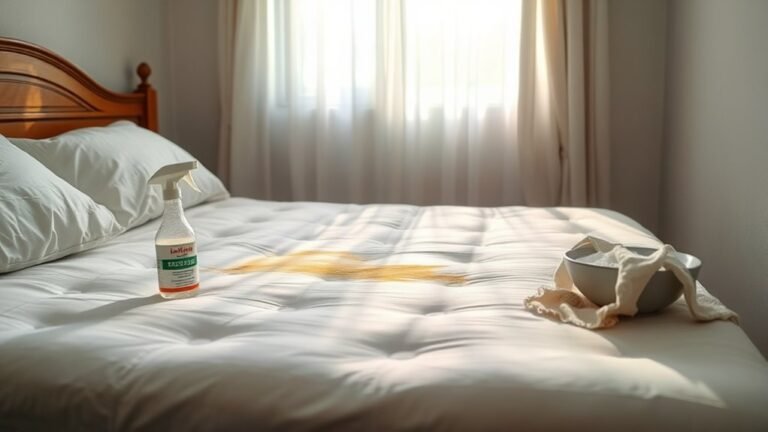
A cotton mattress stays safe when cleanup starts immediately, so the smartest setup is a small kit within reach. Include materials that support the key rule: blot immediately, don’t rub.
Your kit should be simple enough that a guest can use it correctly without damaging coatings:
– Clean towels or paper towels
– Mild soap (or a gentle detergent)
– A spray bottle with water + mild soap (labeled clearly)
– A stain-safe blotting cloth (microfiber works well for blotting without grinding)
– A small bag for used paper towels (prevents tracking wetness across the room)
The “blot, then lift” technique
When liquid reaches a cotton mattress, you’re trying to move fluid out of the fabric surface and stop it from spreading into fibers and seams. Blotting lifts moisture; rubbing pushes it deeper. If you’re cleaning sunscreen or lotion-like spills, avoid aggressive scrubbing—these products smear and can trap scent even after drying.
Clean spills the right way to avoid waterlogging
The correct cleaning sequence for a cotton mattress system is blot first, then clean with minimal moisture, and finish with fast drying. In coastal rooms, the cleaning step often fails because people over-wet the mattress layers, turning a short accident into a long damp period.
Step-by-step routine that protects cotton mattresses
1. Blot immediately: Use dry towels or paper towels to absorb as much as possible.
2. Apply minimal solution: Lightly dampen a cloth with a water+soap mix—don’t pour.
3. Gently clean the surface: Press and lift, working from the outside edge inward to prevent spread.
4. Dry aggressively: Increase airflow and keep bedding away from the damp area.
Over-wetting is the most common reason spills return as musty odors. When excess liquid soaks into the top cover or the protector interface, drying slows—especially when coastal humidity is high.
Manage coastal humidity and condensation risks
The best odor prevention for cotton mattresses is controlling room humidity, not just cleaning stains. Coastal condensation can keep the cotton mattress system damp longer, which accelerates musty smells and makes spot cleaning less effective.
Two humidity facts guide this:
– According to the U.S. Environmental Protection Agency, maintaining indoor relative humidity between 30% and 50% helps limit mold growth risk. EPA
– According to the U.S. Centers for Disease Control and Prevention, mold growth can occur when indoor humidity is 60% or higher. CDC
Practical humidity actions for a guest room
– Ventilation and dehumidification: Run a dehumidifier or HVAC fan when guests check in and after showers or laundry cycles.
– Bedding rotation: Wash and rotate top covers more often during humid stretches (weekly, or more frequently if spills happen).
– Avoid storing damp items nearby: Don’t keep wet towels or damp linens in the same closet or corner where the cotton mattress sits.
If you’re using fans, aim for steady air movement rather than blasting one spot—cotton mattresses dry better with consistent airflow across the surface.
What can go wrong (and when to be extra careful)
These problems usually happen when liquid protection isn’t layered or when cleanup adds too much moisture. If you only protect the cotton mattress with a single layer, or if drying is delayed, stains and odors can persist even after surface cleaning.
Here are the most common failure points to avoid:
– Skipping waterproof protection: cotton can absorb liquids and hold onto odors, even after surface cleanup.
– Rubbing stains: it can push the spill deeper into the protector/top layers.
– Over-wetting during cleaning: too much liquid can saturate the system and extend drying time.
– Using the wrong cleaners: some products can damage protective finishes—when unsure, test a small hidden area first.
– High-heat drying: avoid heat sources that could warp materials or affect the protector’s surface—stick to airflow and room-appropriate drying.
If the mattress has already absorbed a lot of liquid, this approach may not fully remove odors—consider professional cleaning or replacement.
A candid limitation (who should skip this)
This layered system is excellent for preventing and quickly mitigating spills. But if your cotton mattress has deep saturation from repeated incidents (or long exposure before discovery), spot cleaning and airflow may not fully restore it—especially in very humid climates.
If your goal is guaranteed odor removal after a long-standing issue, plan for professional service rather than relying on home cleaning alone.
With a humid coastal guest room, your best strategy remains prevention + speed. That means a waterproof, breathable protector under a washable top cover, plus a response kit that supports immediate blotting and fast drying.
Quick checklist for protecting your cotton mattress
– Waterproof mattress protector fitted tightly
– Washable top cover for “first contact” with spills
– Spill-ready supplies within reach
– Blot, don’t rub (clean with minimal moisture)
– Dry quickly with good airflow in humid coastal conditions
[OPTIONAL: If you want, we can tailor the checklist to your room—e.g., whether it’s seasonal humidity, guest frequency, or common spill types.]
With the right waterproof protector, an extra washable top layer, and a simple spill-and-dry routine, you can keep a cotton mattress safer from stains and lingering smells in a coastal guest room. Set up the layers now, keep basic cleanup supplies nearby, and handle spills fast with blotting plus proper airflow. If you already have an odor or stubborn stain, focus on drying and gentle cleaning first—and if surface efforts don’t work, consider professional upholstery/mattress cleaning.
Frequently Asked Questions
What’s the best way to protect a cotton mattress from spills in a coastal guest room?
Use a waterproof mattress protector specifically designed for cotton mattresses, ideally with a breathable, noiseless cover. Look for a fitted encasement that fully zips or seals to prevent liquid from seeping into the cotton fibers. In a coastal guest room, pair the protector with regular airing to reduce the risk of lingering moisture from accidental spills.
How do I stop spilled drinks or water from soaking into a cotton mattress?
Blot spills immediately with a clean, absorbent towel—don’t rub, because rubbing pushes liquid deeper into the cotton. After blotting, use a damp cloth with mild soap on the affected area, then follow with a dry towel to pull out remaining moisture. Keep the mattress under a dry, well-ventilated environment (like a fan nearby) until it’s completely dry before making the bed again.
Why is moisture protection especially important in coastal climates for cotton mattresses?
Coastal areas often have higher humidity, which can cause dampness to linger in absorbent materials like cotton. Even small spills can lead to musty odors, discoloration, or mildew if the mattress core stays wet for too long. A waterproof barrier plus prompt drying helps protect both the mattress fabric and guest comfort.
Which mattress protector type works best for spill protection and breathability?
For coastal guest rooms, a breathable waterproof protector (often polyurethane laminate or similar) is usually the best balance of spill protection and airflow. Choose covers labeled as “waterproof” and “breathable,” and make sure it encases the sides to stop liquid from running under the top layer. If you expect frequent spills, consider a fully encasing zip cover for maximum protection.
How can I prevent stains and odors on a cotton mattress between guest stays?
Start with a regular routine: wash or replace the protector as needed and keep a spare protector on hand for quick swaps after any incident. Use a mattress-safe deodorizer like baking soda sparingly, allow it to sit briefly, then vacuum thoroughly—always test a small area first. Ensure the mattress is fully dry and well aired after any spill, especially in humid coastal conditions.
📅 Last Updated: November 25, 2026 | Topic: How to Protect a Cotton Mattress from Spills in a Coastal Guest Room | Content verified for accuracy and freshness.
References
- https://www.cdc.gov/mold/default.htm
- https://www.epa.gov/mold/mold-prevention-tips-households
- https://www.who.int/publications/i/item/9789289002136
- https://www.cdc.gov/parasites/dustmites/index.html
- https://www.cdc.gov/disasters/cleanup.html
- Disinfection and Sterilization Guideline | Infection Control | CDC
- mattress encasement dust mites – Search Results – PubMed
- https://scholar.google.com/scholar?q=waterproof+mattress+protector+spill+prevention Google Scholar
- https://scholar.google.com/scholar?q=dampness+mold+prevention+bedrooms+humidity+guest+rooms Google Scholar
- https://scholar.google.com/scholar?q=mattress+encasement+dust+mites+allergen+reduction+study Google Scholar