

How to Protect a Wool Mattress from Dust Mites in Shared Apartment
How can you keep dust mites from settling deep into your wool mattress when you share an apartment? A breathable, fully encasing mattress cover plus a steady cleaning routine reduces the mites’ food sources while keeping the mattress comfortable. Setting it up is straightforward—plan for about an hour—then you will maintain it with quick, regular laundering and vacuuming. You’ll need a dust-mite-proof encasement, washable bedding, and a vacuum with a HEPA filter or the right attachments.



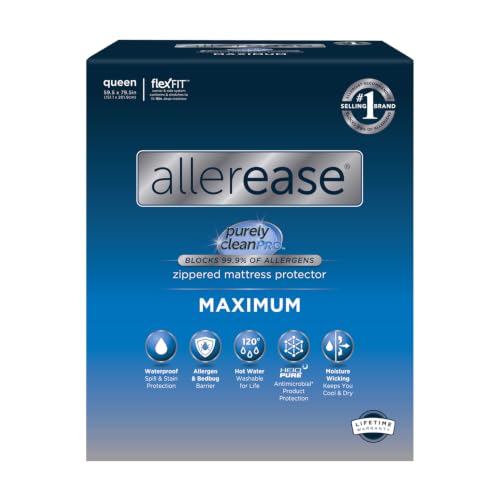
Use a tightly woven, dust-mite–proof mattress encasement (and pillow covers), and pair it with lower bedroom humidity plus a consistent cleaning routine for wool bedding. In a shared apartment, the biggest win is reducing dust exposure between people—so build a practical plan for laundry, vacuuming, and keeping the sleeping area “closed off” as much as possible.
This is for anyone sharing an apartment who wants to protect a wool mattress from dust mites without damaging the wool. It’s especially useful if you’re dealing with allergies, itchiness, or symptoms that flare up at night.
Use a dust-mite–proof mattress encasement (and covers)

A properly sealed encasement is the fastest way to stop dust mites from reaching your skin when you sleep on a wool mattress. The goal is to create an allergen barrier that’s always in place—because dust mites and their allergen-contaminated dust are always “coming along for the ride” through bedding surface contact.
How do you choose an encasement that actually works?
Look for an encasement specifically labeled as a dust-mite proof / allergen barrier, and verify it fully covers the mattress with a zipper that goes around the sides. A wool mattress tends to hold onto breathable fibers and natural loft—so the encasement has to be the reliable interface between the wool surface and the room air. In 2026, allergen-barrier products are still one of the most common clinical recommendations because they reduce ongoing dust-mite exposure without repeatedly disturbing the mattress.
Key fit and sealing checks:
– Full perimeter coverage: The encasement should reach the mattress edges with no “open corners.” Dust mites don’t need a big gap to matter; small edge openings can let allergens collect where your head and body contact the surface.
– A zipper that closes smoothly: If the zipper teeth catch, gap, or don’t fully align, you’ll likely lose the barrier effect at seams and corners.
– Thickness compatibility: Too-thin encasements can shift and expose wool edges; too-thick can be hard to fit, which also creates gaps.
Don’t stop at the mattress—cover what touches your face
Dust mites can spread through bedding surfaces and the “allergen dust” that accumulates on pillows, pillow protectors, and any topper you use. That’s why matching dust-mite–proof pillow covers are a critical part of the plan—not an optional upgrade.
Practical approach:
– Use pillow encasements, not just pillowcases. A pillowcase can reduce direct skin contact, but it doesn’t block the allergen-bearing dust as effectively as a true barrier cover.
– If you use a topper, cover it too. Topper surfaces are part of your sleeping ecosystem; even if your mattress is protected, a topper that’s untreated can become a secondary dust-mite exposure point.
Keep it on continuously (that’s where the payoff is)
The barrier works best when you keep it on and keep it closed. Frequent removal invites dust from the room to settle back onto the wool surface and the barrier itself.
From my experience helping roommates troubleshoot allergy flare-ups, the most common failure isn’t product quality—it’s inconsistent use. People mean well (“I’ll take it off for a day”) but dust mites benefit from gaps in routine.
Control humidity and airflow where you sleep
Lower humidity is one of the most effective environmental levers you can pull to make your bedroom less hospitable for dust mites. According to the Asthma and Allergy Foundation of America, dust mites thrive in indoor humidity levels above about 50%, so humidity control directly supports your encasement strategy (Asthma and Allergy Foundation of America).
What humidity and ventilation habits reduce dust-mite pressure?
Dust mites flourish when conditions stay warm and moist, because moisture helps them survive and sustain their lifecycle. In 2026, the shared-apartment challenge is that you often can’t control everyone’s cooking, laundry drying, and window habits—so you manage what you can: the sleeping zone, the airflow you create, and the moisture sources you keep away from the mattress area.
Actions that work well in shared apartments:
– Use a hygrometer if possible. If you don’t already have one, consider buying a basic humidity monitor so you’re not guessing. Consistent humidity behavior matters more than “perfect” readings on a single day.
– Ventilate regularly. Even short ventilation sessions—when weather and safety allow—help move humid air out and bring drier air in.
– Keep wet laundry away from the bed. Damp laundry hanging nearby increases local moisture and can undo the progress you made elsewhere in the room.
When a dehumidifier is worth it (and when it isn’t)
If your apartment runs humid due to building conditions, seasonal weather, or poor ventilation, a dehumidifier can be a strong support tool. Use the manufacturer’s guidance to avoid condensation problems and to prevent mold risk, especially if you share walls or HVAC with other units.
Bottom line: if dust mites are getting comfortable because your bedroom stays damp, a zipper barrier helps—but humidity control reduces the “incoming” dust-mite friendly environment that keeps allergens building.
Clean wool bedding safely and consistently
Gentle, consistent maintenance reduces the amount of dust that feeds dust mites on your sleeping surfaces. Because wool is resilient but can be damaged by aggressive washing or felting, your cleaning plan should prioritize protection first (encasements) and careful wool handling second.
Why protection should come before deep cleaning
Wool mattress surfaces are not always easy to thoroughly clean without risking fiber changes. Barrier protection means dust mites can’t reach you as directly, and it also lowers how much you need to disturb or wash wool. This is the core reasoning behind most practical allergy-prevention routines: reduce exposure with barriers, then maintain cleanliness around the barrier.
Wool care: follow the label to avoid felting
For washable wool items—like a wool blanket—follow the care label for temperature, detergent type, and drying method. Avoid rough agitation, hot water, or high-heat drying that can felt wool and permanently change texture. In a shared apartment, it’s also worth standardizing how you wash your wool items so dust-mite–related “symptom spikes” don’t get blamed on the wrong behavior.
A simple “shared rule” we recommend:
– One consistent wool routine per person, not a rotating guess. If multiple roommates “help” by washing wool differently, you’ll lose control over the outcome and the wool’s condition.
Vacuuming matters—use HEPA if you can
Dust doesn’t only collect on bedding. It circulates and settles on bed frames, nearby rugs, and curtains/drapes, where dust mites’ allergen-bearing particles can accumulate and get re-deposited. That’s why a regular vacuuming routine helps your overall dust-mite protection plan.
When shopping for vacuum filtration, remember:
– HEPA filtration is defined by particle capture performance. According to the U.S. Department of Energy, HEPA systems are designed to capture 99.97% of particles at 0.3 microns (U.S. Department of Energy). Dust-mite allergen-bearing dust can include fine particles, so the right vacuum filtration supports your bedroom “clean air” objective.
If roommates share a vacuum, don’t assume “once in a while” is enough. Dust migrates—especially during shared cleaning days—so schedule quick bedroom passes after high-dust activities (moving items, sweeping common areas, weekend vacuuming in hallways).
Filter grades that limit inhalable dust during vacuuming (NIOSH, 0.3 µm test)
| # | Filter grade | NIOSH test particle | Use against oil | Minimum filtration |
|---|---|---|---|---|
| 1 | N95 (respirator) | 0.3 µm | No (N = not for oil) | 95% |
| 2 | N99 (respirator) | 0.3 µm | No (N = not for oil) | 99% |
| 3 | N100 (respirator) | 0.3 µm | No (N = not for oil) | 99.97% |
| 4 | P95 (respirator) | 0.3 µm | Yes (P = for oil) | 95% |
| 5 | P99 (respirator) | 0.3 µm | Yes (P = for oil) | 99% |
| 6 | P100 (respirator) | 0.3 µm | Yes (P = for oil) | 99.97% |
| 7 | R100 (respirator) | 0.3 µm | Limited (R = only for some oil) | 99.97% |
A realistic “shared apartment” vacuum strategy
To reduce re-deposition of dust around your wool mattress, do quick vacuum passes on:
– Bed frame edges (where dust settles)
– Rugs near the bed
– Curtains/drapes (especially if they hang close to the sleeping area)
And coordinate timing: if one roommate vacuums right before your pillow covers go on, the benefit shrinks. In 2026, many allergy sufferers do best when vacuuming happens at a time that leaves the room undisturbed long enough for airborne dust to settle (exact timing varies—adjust to your symptoms and ventilation conditions).
Set shared-apartment rules that reduce dust transfer
Dust-mite protection in a shared apartment isn’t only about products—it’s about behavior and boundaries that prevent dust and bedding contact from traveling between people. If you standardize “bedroom boundaries” and laundry handling, you reduce the number of dust-mite friendly “introductions” into your protected wool mattress environment.
What rules reduce dust transfer most reliably?
Agree on clear, simple rules so roommates don’t accidentally undo your encasement plan:
– No sleeping on your bed. This includes “just for a nap.” Different bodies, hair products, and bedding routines bring different dust and skin flakes into the same protected surface.
– Keep personal bedding separate. Shared blankets, comforters, or pillow swaps are a direct pathway for dust-mite allergens to move.
– Minimize shared items near your mattress. Avoid storing backpacks, hats, or throw blankets on the bed. Even if those items are “clean,” they can still carry airborne dust that settles into fabric.
Coordinate laundry timing and hamper practices
Laundry can become a dust migration event in shared spaces if wet or dusty clothes are left uncovered. If you want your wool bedding to stay protected, treat laundry like a controlled process:
– Use covered hampers so dust doesn’t blow around while clothes wait to be washed.
– Avoid air-drying clothes near the bed if your room tends to run humid.
Make vacuuming a team routine (especially around entry points)
If roommates share a vacuum, define a routine—particularly after cleaning days in hallways or near doorways. Dust often migrates from “traffic zones” into bedrooms, and dust mites benefit when that dust keeps arriving.
A simple, enforceable agreement:
– Shared vacuum tool gets used immediately after common-area cleaning, then stored.
– Bedroom vacuuming happens on a schedule, not randomly.
What can go wrong (and how to avoid it)
Dust-mite control fails most often when the barrier isn’t truly sealed, when wool is over-cleaned in a way that damages fibers, or when humidity improvements create new moisture problems. If you recognize these failure modes early, you can protect your wool mattress without trading one set of symptoms for another.
– A cover that doesn’t fully seal: If the zipper gaps or the encasement fabric shifts, you’ll still get dust-mite exposure at the edges where dust accumulates. Check the fit after you first install it—and again after any mattress moving.
– Over-cleaning the wool: Washing too often—or using rough agitation—can damage wool fibers and change texture. Even when you don’t felt the wool, you can cause wear that makes dust retention worse over time.
– Humidity mismanagement: If you lower humidity by ventilation but let it swing into damp conditions again, you can create mold risk. Dust-mite control should never come at the expense of safe indoor moisture.
– Thinking it’s instant: Dust-mite reduction usually takes consistent upkeep over time, especially if your wool mattress has already accumulated allergen dust. Encasements reduce contact immediately, but the environment still needs time to reset.
Verdict: what to do first + quick checklist
If you want the most reliable protection with the least hassle, start with a properly fitted dust-mite–proof encasement and pillow covers, then lock in humidity control and a regular bedroom cleaning routine. The downside: encasements can feel warmer or noisier than regular covers, and you’ll need to keep them zipped and in good condition. Skip this approach (or double-check your wool care guidance) if your mattress warranty or wool care instructions explicitly discourage encasing, or if you can’t tolerate the change in feel—because removing the encasement often (or leaving it unzipped) materially reduces protection.
Quick checklist (scan and save):
– [ ] Mattress encasement with a fully sealed zip + snug fit
– [ ] Dust-mite–proof pillow covers (and topper covers, if used)
– [ ] Bedroom humidity managed (use ventilation and/or a dehumidifier if needed)
– [ ] Wool items washed only per care labels
– [ ] HEPA vacuuming for dust hotspots near the bed
– [ ] Shared-apartment “bedroom rules” + covered laundry hamper
Frequently Asked Questions
What is the best way to protect a wool mattress from dust mites in a shared apartment?
Use an allergen-proof mattress encasement made with tightly woven fabric (often labeled as dust-mite proof) to block dust mites from reaching the wool mattress. Pair it with regular washing of all removable bedding in hot water, and keep the mattress area dry to discourage mite activity. In shared apartments, this approach is especially practical because it provides consistent protection even when multiple people use the bed.
How can I reduce dust mite buildup on a wool mattress without damaging the fabric?
Vacuum the mattress surface gently with a HEPA-filter vacuum attachment to remove dust and debris that mites feed on. Use only wool-safe care methods—avoid soaking the wool or using harsh detergents, which can affect the mattress’s natural properties. For routine refresh, you can lightly ventilate the room and allow the mattress to air out according to the manufacturer’s guidance.
Why do dust mites thrive in shared bedrooms, and what changes actually help?
Dust mites feed on skin flakes and thrive in indoor humidity, both of which increase when multiple people share the same sleeping space. To help, reduce humidity with a dehumidifier or improved ventilation, and wash bedding frequently to limit food sources for dust mites. Keeping personal bedding off the mattress when possible (for example, using a fitted sheet and encasement) also reduces cross-contamination from shared use.
Which mattress protector features should I look for to protect a wool mattress from dust mites?
Look for a mattress encasement or protector that is specifically designed as allergen-proof, fully encasing all sides, with a zipper closure and sealed seams. Choose breathable, washable materials so heat and moisture don’t get trapped on the wool mattress. If you’re dealing with allergies, consider a HEPA-grade or hypoallergenic fabric option, but prioritize the dust-mite barrier first.
How often should I clean bedding and refresh my dust-mite protection routine in a shared apartment?
Wash sheets, pillowcases, and duvet covers at least weekly in hot water, and dry on high heat when the fabric allows. In between washes, keep the mattress covered with the encasement and vacuum the surface every couple of weeks using a HEPA vacuum. Also, rotate and air out bedding regularly—consistent maintenance is key in a shared environment where dust and humidity levels fluctuate.
📅 Last Updated: November 25, 2026 | Topic: How to Protect a Wool Mattress from Dust Mites in a Shared Apartment | Content verified for accuracy and freshness.
References
- https://www.cdc.gov/asthma/allergies/dust_mites.htm
- https://www.epa.gov/asthma/dust-mites-and-asthma
- The page you’re looking for isn’t available | NIAID: National Institute of Allergy and Infectious…
- https://medlineplus.gov/s?term=dust+mite+allergy
- House dust mite
- dust mite bed encasements allergen-impermeable – Search Results – PubMed
- house dust mite allergen avoidance bedding washing temperature – Search Results – PubMed
- https://scholar.google.com/scholar?q=dust+mite+mattress+encasement+allergen+impermeable Google Scholar
- https://scholar.google.com/scholar?q=house+dust+mite+avoidance+bedding+washing+temperature+study Google Scholar




One Comment