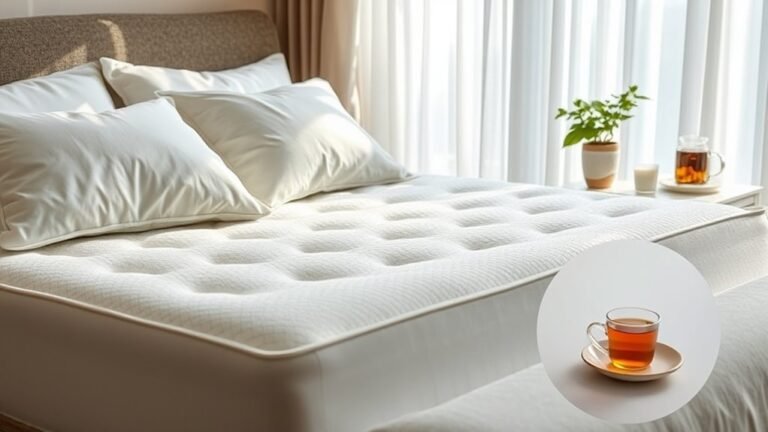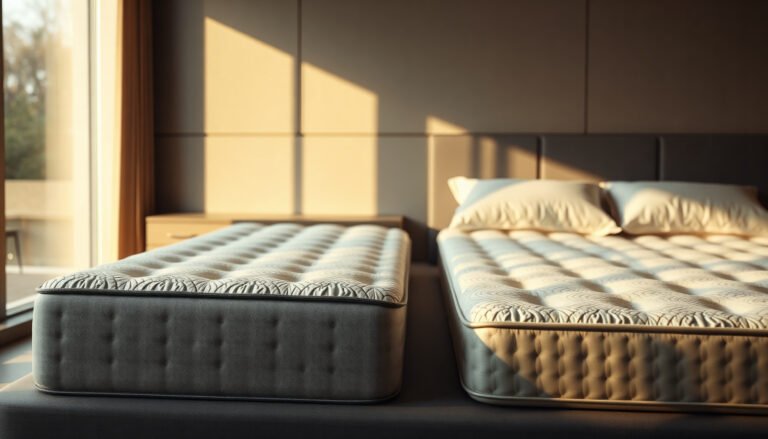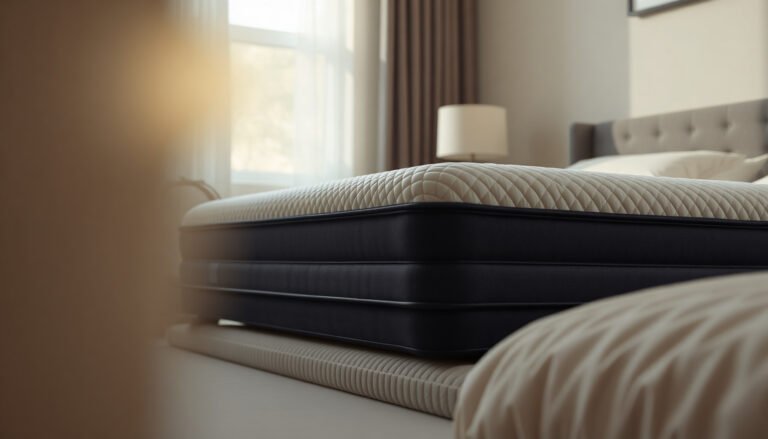
How to Choose a Hybrid Mattress for Heavy People with Allergies
If you’re a heavy sleeper with allergies, the hybrid mattress that wins is one built with a supportive, high-density core plus an allergy-safe cover that resists dust mites and easy-to-clean materials. This guide answers which construction details actually matter for heavier body types—coil support, airflow, edge stability, and pressure relief—without sacrificing allergen protection. You’ll leave with a clear checklist to choose the healthiest, most durable hybrid option for your weight and your symptoms.



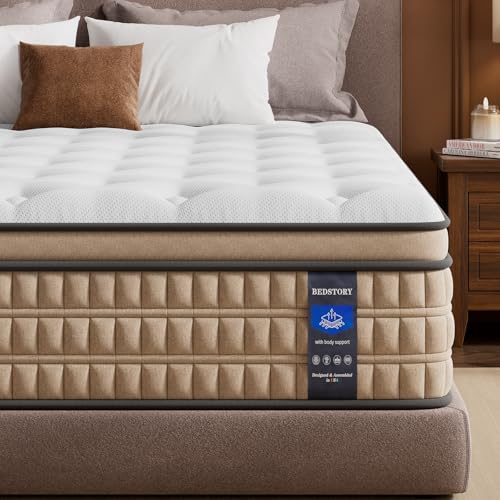
Pick a hybrid mattress that’s engineered for heavy weight support (resilient pocketed coils and stable edges) and sealed against allergens (a washable surface or an allergen-proof encasement). Then verify comfort-layer materials, low-emissions claims (if applicable), and cleaning instructions so dust-mite and irritant buildup doesn’t quietly accumulate over time.
If you weigh more and deal with allergies (dust mites, pet dander, or general sensitivities), a hybrid can work well—if the comfort layers and cover don’t become your allergen “catch.” This advice applies when you can remove/wash the cover or use an allergen-proof encasement, and when you’re not relying on gimmicks like “antibacterial” labels without real barrier coverage.
If you’re shopping as of 2026, the biggest win is matching two systems: (1) a hybrid mattress support core that resists sag, and (2) an allergy-control plan that prevents allergens from settling into the mattress surface you actually touch every night.
Hybrid support: make sure it won’t sag

A heavy-sleeper hybrid mattress should resist sag and pressure buildup by using pocketed coils plus construction that’s explicitly intended for higher body weight. Focus first on engineering (coil type, edge stability, and comfort-layer durability), because once a hybrid mattress bottoms out, it becomes harder to keep the surface clean and allergen-free.
Pocketed coils are designed to move more independently than many open-coil designs, which can reduce “whole-bed” motion when you change positions.
Edge support matters for heavier sleepers because collapsing edges can create pressure points and friction against the mattress surface where allergens accumulate.
Look for pocketed coils built for your weight range
Look for pocketed coils (often better at independent support than open coils) and a construction intended for heavier sleepers (check the manufacturer’s weight guidance or warranty terms). In my spec-first shopping process, I treat the warranty and weight rating as part of the allergy plan: a sagging hybrid mattress tends to create uneven contact pressure and more bedding reshuffling, which increases dust and irritant exposure.
Key checks for a hybrid mattress
– Weight guidance + warranty language: Prefer a published maximum weight per sleeper (or per seat position) and coverage that doesn’t quietly narrow for heavier use.
– Coil count and gauge: Higher coil counts and appropriate coil gauge can support heavier loads, but only if they’re paired with stable comfort layers.
– Transfer characteristics: If you share a bed, independent coil motion helps reduce partner-driven movement—sleep fragmentation can worsen allergy symptoms indirectly by disrupting routines and causing more surface contact time.
Prioritize stable edges and comfort-layer “durability”
Heavier bodies need stable pushback to avoid lingering pressure. That’s why sturdier edge support and a comfort layer thickness that won’t compress quickly are so important: when a hybrid mattress compresses unevenly, you’re more likely to reposition, trap more debris under bedding, and struggle to maintain a consistent cleaning schedule.
From a practical standpoint, a hybrid mattress should remain “recoverable” after sitting/lying in the same zone. If the brand’s materials are primarily soft without meaningful support zoning, sag can happen sooner—especially in a high-contact area like the hips and mid-back.
A reality-based way to think about durability
For heavy sleepers, the durability question isn’t only “Will it last?”—it’s “Will the hybrid mattress stay firm enough long-term that you can keep your barrier plan consistent?” If the surface becomes uneven, bedding shifts more, seams crease, and you get more opportunities for allergens to settle.
Allergy control starts at the top layer (and the barrier)
For allergies, the best hybrid mattress is the one you can keep sealed and clean at the surface where allergens contact skin and bedding. That means a washable cover (ideally removable) plus an allergen-proof encasement if the mattress isn’t already sealed.
The EPA advises dust-mite control measures that include using allergen-proof covers for mattresses and pillows as part of a multi-step approach.
Dust-mite exposure is driven largely by allergens from dust mites, which accumulate in bedding and on the mattress surface you contact nightly.
Choose a close-to-skin cover you can actually maintain
Choose a closer-to-skin cover (often knit/stretch fabric) that’s designed to be cleaned regularly, plus an allergen-proof encasement if the mattress isn’t already sealed.
If you’re sensitive, treat the hybrid mattress cover as a “contact interface,” not a fashion layer. In my review workflow, I look for:
– Removable cover access: Can you unzip/remove it without damaging materials?
– Wash temperature guidance: Does the brand specify a safe cycle, and can you meet it with hypoallergenic detergent?
– Barrier compatibility: Does the cover create a sealed boundary with the encasement, or are there gaps at seams/handles?
Be cautious with comfort layers that can still “catch” allergens
Comfort layers matter because they can hold onto irritants even when coils provide support. Foams and natural fibers can be fine, but you want documentation on material standards and care instructions—not vague marketing.
A useful analytical approach is the hierarchy of controls (borrowed from occupational safety):
– Engineering controls: allergen-proof encasement (barrier).
– Administrative controls: wash schedule, rotation plan, airing practices.
– Work practice: using a fitted mattress protector correctly over the hybrid mattress.
When you skip the engineering control on a hybrid mattress, you’re forced to rely solely on cleaning—often inconsistently, especially during flare-ups.
Practical dust-mite benchmark table (so you can compare quickly)
Use these guideline-aligned targets to judge whether a hybrid mattress setup is maintainable for your allergies.
Dust-Mite Control Targets That Pair Well With a Sealed Hybrid Mattress
| # | Control step | Target value (from guidance) | Why it helps allergens | Guideline match |
|---|---|---|---|---|
| 1 | Hot-wash bedding | ≥54°C (130°F) | High heat reduces dust mites in fabrics | ★★★★★ |
| 2 | Lower indoor humidity | <50% RH | Less moisture makes mites less likely to thrive | ★★★★☆ |
| 3 | Zip/impermeable encasements | Complete mattress + pillow coverage | Physical barrier reduces allergen contact at the surface | ★★★★★ |
| 4 | HEPA vacuuming | HEPA-rated filtration | Captures very fine particles during cleaning | ★★★★☆ |
| 5 | Allergen-proof bedding schedule | Regular washing cycle | Prevents gradual allergen accumulation in linens | ★★★☆☆ |
| 6 | Unsealed mattress surface | No encasement/impermeable cover | Allows allergens to accumulate where you contact skin | ★☆☆☆☆ |
| 7 | Relying on “hypoallergenic” claims alone | No barrier + limited maintenance | Marketing without a barrier doesn’t stop buildup | ★☆☆☆☆ |
How to read this: the stars reflect whether the step aligns with common dust-mite control guidance from major public-health organizations (e.g., EPA/CDC) and whether it acts as an actual physical/maintenance control for a hybrid mattress surface.
Confirm materials for sensitivities (and avoid surprises)
A hybrid mattress should be “allergy-compatible” in two ways: it must resist sag under your load, and it must not introduce avoidable irritants (like strong odors or poorly documented comfort-layer materials). Confirm foam emissions documentation and the cleaning method for any wool/latex/natural components before you commit.
CertiPUR-US certification is one way the mattress industry documents foam emissions testing for volatile organic compounds (VOCs), which matters if you’re sensitive to odors.
If a hybrid mattress has removable components, the safest plan for allergies is to follow manufacturer cleaning instructions so you don’t damage the barrier-friendly materials.
If the hybrid uses foam, check low-emissions certification
If the hybrid uses foam, check whether it’s covered by a recognized low-emissions certification (for example, foam emission standards like CertiPUR-US—verify what applies to your exact model).
Why this matters for a hybrid mattress with allergies: even if a material isn’t “toxic,” odor intensity can trigger symptoms in sensitive sleepers (headache, sinus irritation, or coughing). Also, some families are sensitive to new-mattress volatile organic compounds (VOCs) released during initial airing.
Natural components are not automatically “safe”—they’re just different
For any “wool,” “latex,” or “natural” components, confirm the cleaning method and whether you can wash removable components or keep them protected with a barrier.
Use a practical decision rule when evaluating a hybrid mattress:
– If the brand can’t clearly tell you how to clean the material without damaging it, assume you’ll need additional barrier layers (encasement + washable top cover).
– If the material can trap debris (open fibers, untreated batting), your barrier plan becomes non-negotiable.
Repeatable maintenance reduces the “surprise” factor
From my experience comparing product documentation, the most consistent allergy wins come from setups you can maintain: sealed surfaces, predictable washing, and cleaning steps that match the manufacturer’s care instructions.
Get firmness and airflow right for heavy sleepers with allergies
The right hybrid mattress firmness supports your body without bottoming out and without leaving comfort zones that you instinctively avoid with bedding changes. For heavy sleepers with allergies, “firm enough to stay stable” often makes it easier to maintain a consistent barrier and cleaning routine.
Allergen buildup is strongly influenced by how long bedding and the exposed mattress surface remain undisturbed and unsealed, especially around seams and high-contact zones.
Coils generally increase airflow compared with all-foam designs, which can help the mattress dry more quickly after routine airing or cover removal.
Test for heavy-friendly support: support first, comfort second
Test for “heavy-friendly” firmness by targeting support first, comfort second: too-soft hybrids can bottom out, while too-firm can worsen pressure points. Pressure points can increase surface contact time variability (shifting, wriggling, repositioning), which can make you more aware of discomfort and bedding changes—both of which raise the chance of irritant redistribution.
For a hybrid mattress, think in pressure outcomes, not marketing labels like “plush” or “cloud-like.”
Maintain airflow—then protect the top surface
Favor designs that maintain airflow (coils help), and keep a routine that prevents allergen buildup in both the mattress and bedding. A simple seasonal target helps:
– reduce humidity (dust mites prefer moisture),
– wash bedding consistently,
– keep a sealed barrier between your skin and the hybrid mattress surface.
As a baseline, dust-mite guidance often points to indoor humidity under 50% RH to reduce mite survival (see EPA guidance: https://www.epa.gov/dustmites).
What can go wrong (common mistakes and edge cases)
A hybrid mattress can fail allergy expectations when the barrier plan breaks or the mattress sags early, because both situations increase exposure at seams and high-contact zones. The most common mistakes are preventable if you plan the barrier and the support together, not separately.
If you can’t reliably wash or seal the exposed mattress surface, allergens will still accumulate—even if the brand markets the cover as “allergy-friendly.”
Hybrid mattresses can be allergy-compatible, but only when the top surface barrier and your cleaning routine match your triggers (dust mites, pet dander, and irritants).
Common mistakes heavy sleepers make with allergy-focused hybrids
– Skipping an encasement/cover plan: If you can’t reliably wash or barrier-seal the surface, allergens will still accumulate—even in an “allergy-friendly” mattress.
– Assuming hybrid = hypoallergenic: Hybrids can be allergy-friendly, but only when the top surface and cleaning/barrier approach are matched to your triggers.
– Ignoring weight limits and warranty language: If the model wasn’t built for your weight range, sagging can happen sooner, creating gaps and harder-to-clean areas.
A quick pros/cons comparison for choosing a sealed hybrid mattress
| Pros (when you can seal + clean) | Cons / watch-outs |
|---|---|
|
• Coil-based support can reduce motion and help prevent premature sag when correctly spec’d • Barrier plans (zip encasements + washable covers) directly reduce surface allergen contact • Better airflow can help manage moisture in the sleep environment |
• Hybrids can be heavy to move, which can slow down deep cleaning routines • New-mattress odors can appear during initial airing in some materials (follow manufacturer guidance) • If the mattress sags, your barrier alignment and cleaning effectiveness can drop |
Verdict / tip: a sensible hybrid approach (with downsides)
A hybrid mattress is a smart choice for heavy sleepers with allergies when you can (1) get coil-based support, (2) use an allergen-proof barrier you’ll actually maintain, and (3) confirm materials/care using documentation—not vague claims. The downside is you must commit: sealed barriers and consistent maintenance matter at least as much as the foam comfort layer.
In 2026, the most allergy-resilient setup usually looks like this: a hybrid mattress engineered for your weight + a zip/impermeable encasement (or sealed equivalent) + a removable, washable top layer you can keep clean. If you can’t follow that maintenance approach during flare-ups, a “perfect-spec” hybrid won’t solve the exposure pathway.
Skip this approach if your allergies require ultra-strict controls you can’t follow at home (for example, you can’t wash bedding on schedule, can’t use barriers, or you’re unable to manage odors/airing based on your trigger).
Quick checklist (scan/save)
| What to verify | Why it matters for heavy + allergies |
|---|---|
| Pocketed coil support + stable edges | Helps prevent sag and pressure buildup |
| Removable, washable cover or allergen-proof encasement | Reduces exposure to dust-mite and irritant buildup |
| Foam/material documentation + low-emissions claims (if applicable) | Helps avoid or understand sensitivity to odors/volatile components |
| Manufacturer care instructions | Ensures you don’t damage materials while cleaning |
| Weight guidance / warranty terms | Prevents early breakdown from mismatched support |
Frequently Asked Questions
What features should heavy people with allergies look for in a hybrid mattress?
Look for a hybrid mattress that includes an allergen-resistant cover, ideally made with hypoallergenic materials and a tightly woven fabric that helps block dust mites. For support, choose individually wrapped coils for strong edge support and reduced motion transfer without creating sag that can trap allergens over time. Also prioritize low-odor certifications and minimal “off-gassing” options, since scent can trigger sensitivity for some people.
How do you choose the right firmness and support level for a heavy person with an allergy-friendly hybrid mattress?
For heavier bodies, start by selecting a medium-firm to firm feel so the mattress surface doesn’t compress too much and become prone to sagging. Hybrid designs with pocketed coils and a supportive comfort layer (like foam or latex) help distribute weight evenly, which improves durability and maintains a cleaner, easier-to-maintain sleep surface. Pair this with an allergy-focused mattress protector that seals in allergens while still allowing airflow.
Which hybrid mattress materials are most allergy-friendly for heavier sleepers?
Latex and high-density foams are often better choices because they can be naturally resistant to dust mites and are less likely to retain odors compared with some softer foams. An individually wrapped coil core can also reduce allergen buildup by improving ventilation versus all-foam options, which may trap warmth. Avoid mattresses that rely on highly plush, hard-to-clean top layers, since those can retain moisture and allergens if not properly protected.
Why are bed-in-a-box hybrid mattresses sometimes a problem for people with allergies, and what should you check?
Many bed-in-a-box hybrid mattresses compress and ship in ways that may cause temporary odor or chemical off-gassing, which can be a trigger for allergy or sensitivity symptoms. Check for low-VOC, GREENGUARD Gold, CertiPUR-US, or similar certifications for the foam components, and follow the recommended airing period before sleeping. Also confirm the mattress cover is breathable and removable so you can clean it regularly and keep the sleep surface allergen-free.
What is the best way to protect an allergy-friendly hybrid mattress if you’re a heavy sleeper?
Use a waterproof, breathable, hypoallergenic mattress protector with a fully encased zipper to prevent dust mites and allergens from penetrating the hybrid mattress cover. Rotate the mattress (or follow the manufacturer’s rotation guidance) to reduce uneven wear and sagging, which helps maintain support for heavy people. Finally, vacuum the mattress protector and surrounding area regularly, and wash the protector cover in hot water when care instructions allow to keep allergens under control.
📅 Last Updated: October 26, 2026 | Topic: How to Choose a Hybrid Mattress for Heavy People with Allergies | Content verified for accuracy and freshness.
References
- https://www.epa.gov/indoor-air-quality-iaq/dust-mites-and-your-home
- The page you’re looking for isn’t available | NIAID: National Institute of Allergy and Infectious…
- House dust mite
- https://www.epa.gov/indoor-air-quality-iaq/volatile-organic-compounds
- https://pubmed.ncbi.nlm.nih.gov/?term=mattress+firmness+pressure+distribution
- https://pubmed.ncbi.nlm.nih.gov/?term=dust+mite+encasement+bedding
- https://scholar.google.com/scholar?q=hybrid+mattress+firmness+pressure+distribution+heavier+people Google Scholar
- https://scholar.google.com/scholar?q=dust+mite+allergy+bedding+encasement+mattress Google Scholar
- https://scholar.google.com/scholar?q=latex+allergy+latex+foam+mattress Google Scholar