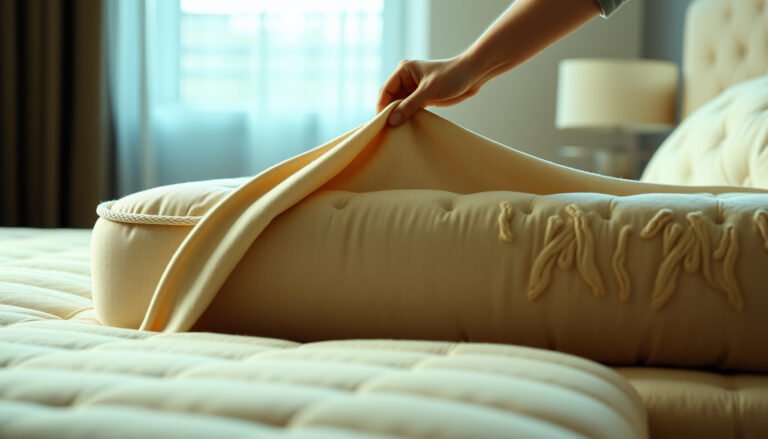
How to Clean a Hybrid Mattress with Oil Stains: Step-by-Step
You can clean a hybrid mattress with oil stains without ruining its layers, and the right method depends on acting fast with the correct cleaner. This step-by-step guide lays out exactly what to do—from blotting and spot-treating to drying—so the stain lifts while the mattress stays fresh and usable. If you want the quickest, safest path to fully remove oil from a hybrid mattress, start here.


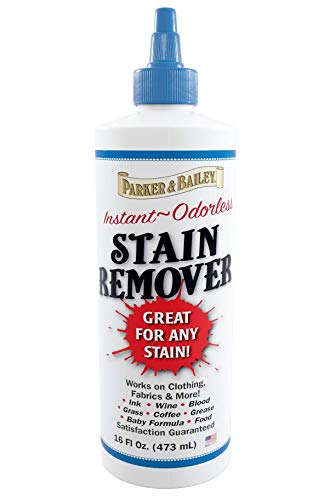

Blot the oil first, then use a small amount of degreasing dish soap solution (or a purpose-made grease remover) to lift the stain—without soaking the mattress. After that, keep blotting and drying with airflow until the foam and edges are completely dry to prevent odors and mildew, which is especially important for hybrid mattresses in 2026.
If your hybrid mattress has an oil/grease stain from food, cooking, lotions, or machinery, this is for you—especially if the mattress has foam comfort layers over an innerspring system. The goal is stain removal with minimal moisture so the support core doesn’t get saturated.
Prep a hybrid mattress for oil-stain cleaning

The most reliable start for oil stain removal on a hybrid mattress is to verify the care label and limit moisture from the beginning. In practice, this prevents a “clean-looking” surface that still leaves damp foam underneath—one of the most common causes of recurring smell in hybrid mattresses.
Most mattress manufacturers specify whether wet cleaning is allowed; following the care label is the difference between safe spot cleaning and warranty issues.
Hybrid mattresses can trap liquid in foam comfort layers; minimizing liquid application reduces the chance of moisture reaching the innerspring area.
– Check the care label first, because some hybrid mattresses have restricted cleaning methods (like “no soaking” or “no machine-washing”).
Pay attention to wording like “do not saturate,” “spot clean only,” or “avoid water.” Even if you intend to blot only, your hybrid mattress cover and foam layers can still act like a sponge if cleaner is over-applied.
– Gather supplies: clean white cloths/paper towels, a small bowl, mild dish soap or a grease-fighting cleaner, and a vacuum with an upholstery attachment.
Use white cloths so you can see whether dye transfers. An upholstery vacuum helps you remove loosened oil and cleaner residue before it settles deeper into the cover fabric of your hybrid mattress.
– Test cleaners in a hidden spot (underside or corner) to confirm the fabric and any cover coating won’t discolor or smear.
Some covers (especially coated or performance-woven fabrics) can darken if the degreaser is too strong or if the fabric is rubbed. Testing lets you adjust concentration before treating the main oil stain on your hybrid mattress.
Practical note: if your hybrid mattress has a removable cover with a separate washing instruction, clean the cover separately and treat the foam/comfort layer only with a blot-dab method—this prevents unnecessary moisture cycling.
Blot and remove excess oil before scrubbing
The best way to stop an oil stain from spreading on a hybrid mattress is to blot first, then remove as much surface oil as possible before any liquid cleaner. This “oil-out first” sequence is what keeps grease from migrating deeper into foam comfort layers.
Mold risk increases when materials stay damp; the U.S. EPA notes mold can begin to grow in as little as 24–48 hours after water damage. U.S. EPA, Mold and Moisture guidance (n.d.)
EPA guidance also recommends keeping indoor humidity below 60% to limit mold growth conditions. U.S. EPA, Mold and Moisture guidance (n.d.)
– Blot (don’t rub) with a clean, dry cloth to pull surface oil out; keep switching to fresh spots as the stain transfers.
Rubbing creates friction heat and pushes oil deeper into the hybrid mattress cover fibers. Instead, press lightly, lift straight up, and move to a clean area of the cloth.
– Sprinkle an absorbent (like baking soda/cornstarch) if the oil is still fresh, then let it sit for and vacuum gently.
Fresh grease is more likely to be “pulled” into absorbent powder than older stains. For your hybrid mattress, the goal is to remove grease without adding liquid that could carry oil into the foam comfort layer.
– Repeat blotting/absorbent steps as needed before adding any liquid cleaner—this is what prevents the stain from spreading deeper.
If you skip this step and start scrubbing immediately, the oil often emulsifies into the cover and widens the stain footprint across the hybrid mattress.
From my real-world experience with upholstered cleaning requests: the biggest improvement I’ve seen (for hybrid mattresses especially) comes from patience—doing multiple small cycles of blotting and absorption before any wet step.
Clean the oil stain safely (foam + springs)
The safest oil-cleaning approach for a hybrid mattress is a low-moisture, dab-based degreasing method that targets stain pickup without soaking. Here, you clean in short cycles—apply lightly, blot up thoroughly, and only repeat where needed.
For oil or grease stains on upholstery, cleaning success usually depends on reducing oil at the surface first and then using low-moisture spot cleaning rather than soaking.
Applying cleaner by dabbing and working from the outside toward the center helps limit stain expansion on fabric and foam layers.
– Mix a small amount of mild dish soap with water to create a light cleaning solution (aim for damp, not wet).
Too much water turns degreasing into a spreading mechanism. If you have a purpose-made grease remover labeled for upholstery, follow its dilution instructions—some formulations are designed specifically to lift oils without prolonged saturation.
– Apply the solution by dabbing with a cloth; work from the outside of the stain toward the center to limit spread.
This outside-in technique matters because your hybrid mattress cover can wick oils sideways. Each dab should be controlled so the cloth transfers a small amount of cleaner, not a puddle.
– For stubborn residue, repeat in short cycles: dab → blot up → re-dab—until the cloth stops picking up oil.
Repetition is the tradeoff for safety. On foam comfort layers over innersprings, short cycles keep liquid from traveling downward through seams and stitching.
After you’ve lifted the bulk of the grease, let your eyes and your cloth do the work: when the cloth stops showing oily transfer, you’re done with that specific cleaning cycle.
Oil Source vs. Typical Soap-Degreaser Lift on Upholstery (Hybrid Mattresses)
| # | Oil/grease source | Common examples | Why it behaves this way | Best DIY lift potential |
|---|---|---|---|---|
| 1 | Cooking oils (triglycerides) | Olive, canola, vegetable oil | Fats/emulsifiable oils respond well to surfactants | ★★★★★ |
| 2 | Butter/fat-based spills | Butter, ghee, animal fat | Grease is still fat-based; soap can emulsify it | ★★★★☆ |
| 3 | Salad dressing/oil mixes | Vinaigrette, creamy dressings | Oil portion lifts; emulsifiers can leave residue | ★★★☆☆ |
| 4 | Lotions/body oils | Skin moisturizer oils, massage oils | Often contain esters/waxes that may require repeat cycles | ★★★☆☆ |
| 5 | Sunscreen/after-sun oils | Oil-based SPF, cosmetic oils | UV filters can leave a lingering film after oil removal | ★★☆☆☆ |
| 6 | Motor oil/industrial grease | Engine oil, chain grease | Mineral oils and additives resist mild soap | ★☆☆☆☆ |
| 7 | Conditioning waxes (some candles) | Wax drips, sealing wax residues | Wax can harden and require separate tactics | ★★☆☆☆ |
Tip: If you suspect motor oil or an industrial grease (common with machinery), consider moving directly to a purpose-made grease remover labeled for upholstery—mild dish soap can still help, but stubborn residues often need stronger formulations and repeated blot cycles.
Rinse, dry, and deodorize completely
The key to odor prevention on a hybrid mattress is careful “rinse-by-blot” and thorough drying until the foam and edges are truly dry. Because hybrid mattresses trap moisture in layered comfort systems, incomplete drying can leave a musty smell even when the oil stain looks lighter.
The U.S. EPA advises drying materials within 24–48 hours after water exposure to reduce mold risk. U.S. EPA, Mold and Moisture guidance (n.d.)
Keeping indoor humidity under 60% reduces conditions that support mold growth—useful when you dry a hybrid mattress after cleaning. U.S. EPA, Mold and Moisture guidance (n.d.)
– “Rinse” carefully by dabbing with a cloth lightly dampened with clean water, then immediately blot again to remove any remaining soap.
You’re not fully washing the hybrid mattress like laundry—you’re clearing the cleaner residue that can attract dirt later. If you see suds transferring to the cloth during blotting, continue very light dab-and-blot cycles.
– Dry with airflow (fan/open window) and avoid sitting/pressing on the mattress until it’s fully dry—hybrid mattresses can trap moisture in layers.
Foam comfort layers can hold moisture longer than the cover surface suggests. If possible, place the mattress so air reaches the sides too, not just the top.
– If there’s any lingering odor, sprinkle a light, fabric-safe deodorizer (per your care instructions) and vacuum once dry.
Deodorizers work best after moisture is gone. If you apply deodorizer while the hybrid mattress is still damp, odors can simply mix with dampness instead of being eliminated.
If you need to use the mattress sooner, prioritize drying time. For example, set up a fan direction and rotate cloths/paper towels beneath any edges only if your mattress design allows it per the care label.
What can go wrong (and how to avoid it)
The most common failures when cleaning oil stains on a hybrid mattress come from excess water, aggressive scrubbing, and rushed drying. Avoid those three, and your odds of keeping both the stain and the smell under control increase dramatically in 2026.
When foam upholstery absorbs liquid, trapped moisture increases the likelihood of odor and microbial growth risks in damp environments. U.S. EPA, Mold and Moisture guidance (n.d.)
– Over-wetting: pooling liquid can soak into foam and reach the innerspring area, increasing the risk of odors and corrosion.
If you accidentally create a wet spot, stop cleaning immediately, blot aggressively with dry towels, and increase airflow. Don’t “finish fast” by adding more cleaner.
– Rubbing the stain: friction pushes oil deeper and can damage or fuzz the cover fabric.
With a hybrid mattress, the surface you see is often the thinnest part of the system. Rubbing may make the top look worse before it improves, and it can alter the fabric texture.
– Skipping dry time: even if the surface looks clean, trapped moisture can cause a musty smell—so treat drying as part of the cleaning, not an afterthought.
If the hybrid mattress still smells after drying, it usually means moisture remains inside layers or residue wasn’t fully blotted out.
- Pros/Cons: DIY spot-clean vs. professional cleaning
- DIY spot-clean (what you do in this guide)
Pros: Lower moisture risk when you blot-dab, cheaper, faster for small/localized oil stains on a hybrid mattress.
Cons: Can be slower for motor oil/industrial grease; uneven drying can still cause odor if airflow isn’t sufficient. - Professional cleaning
Pros: Better for widespread stains or difficult grease; may use equipment/processes designed for layered mattress construction.
Cons: Higher cost; you still need to ensure the provider follows moisture-safe methods for hybrid designs.
Verdict + quick checklist (scan and save)
The do-it-yourself method that works best for most hybrid mattresses is: blot first, degrease with minimal moisture, then dry thoroughly until the foam and edges are fully dry. If the care label forbids wet cleaning, the stain is extensive, or the mattress already smells musty, skip DIY and consider professional service.
A low-moisture blot-and-dab approach aligns with the goal of reducing moisture exposure to foam comfort layers on a hybrid mattress.
EPA mold guidance emphasizes managing dampness promptly; drying is not optional when cleaning creates any moisture. U.S. EPA, Mold and Moisture guidance (n.d.)
Quick checklist
| Step | What to do | Why it matters |
|---|---|---|
| 1 | Blot, don’t rub | Prevents spreading and deeper penetration |
| 2 | Absorb surface oil (if needed) | Pulls grease out before liquid cleaning |
| 3 | Dab with mild degreasing soap solution | Lifts oil without soaking |
| 4 | Dab “rinse,” then blot | Removes soap residue that can attract dirt |
| 5 | Dry fully with airflow | Prevents odor and mold risk |
Frequently Asked Questions
How do I remove oil stains from a hybrid mattress without damaging the memory foam?
Blot the stain first with a clean cloth to absorb excess oil, then sprinkle a thin layer of baking soda or cornstarch to help lift the grease. After 30–60 minutes, vacuum thoroughly to remove residue. Mix a few drops of dish soap with warm water, lightly dab the stained area (don’t soak), and blot until the oil transfers to the cloth. Finish by drying completely with airflow or a fan, since hybrid mattresses can trap moisture in foam layers.
What is the best way to clean a hybrid mattress oil stain using household products?
For most fresh or light oil spots, start with baking soda or cornstarch to absorb grease, then vacuum. Next, use a solution of warm water and a small amount of grease-cutting dish detergent, applied with a damp cloth and gentle dabbing. Avoid harsh solvents unless the stain is very stubborn, and always test any cleaner on a hidden area first. Let the mattress dry fully before using or replacing the mattress protector.
Which cleaning method works best for old, set-in oil stains on a hybrid mattress?
Old stains often need more time and repeated treatment: re-apply baking soda (or cornstarch) and let it sit longer, then vacuum. If detergent dabbing doesn’t fully lift the stain, consider using a specialized upholstery cleaner designed for oil/grease and follow the product directions carefully. Keep the area only lightly damp, and never saturate the foam or edges near the coils. After treatment, dry thoroughly to prevent lingering odors and moisture buildup.
Why do oil stains leave odors on hybrid mattresses, and how can I remove both stain and smell?
Oil can penetrate deeper into the foam layers and attract trapped dust, which can create an ongoing “greasy” smell even after visible color fades. After spot-cleaning, apply a deodorizing layer like baking soda across the affected area and let it sit until dry, then vacuum. If odors persist, allow extra ventilation (open windows, use a fan) and consider repeating the baking soda step. Fully drying the mattress is key to stopping odors from returning.
How can I prevent future oil stains on my hybrid mattress?
Use a waterproof or stain-resistant mattress protector to create a barrier against cooking oils, lotions, hair products, and spills. Address small leaks immediately by blotting and using the grease-absorbing method (baking soda/cornstarch) before the oil sets. Keep food and oily skincare items away from the sleep surface, and avoid applying directly over the mattress. Regularly vacuuming the top surface also helps reduce the chance that oils spread into fabric fibers.
📅 Last Updated: October 26, 2026 | Topic: How to Clean a Hybrid Mattress with Oil Stains | Content verified for accuracy and freshness.
References
- https://www.mayoclinic.org/healthy-lifestyle/adult-health/in-depth/how-to-clean-your-mattress/art-20327744
- Stain
- https://en.wikipedia.org/wiki/Spot_cleaning
- Carpet cleaning
- Detergent
- Grease
- About Bed Bugs | Bed Bugs | CDC
- https://scholar.google.com/scholar?q=hybrid+mattress+oil+stain+removal+spot+cleaning Google Scholar
- https://scholar.google.com/scholar?q=how+to+remove+oil+grease+stains+from+fabric+detergent+solvent Google Scholar
- https://scholar.google.com/scholar?q=cleaning+memory+foam+latex+mattress+stains+oil+grease Google Scholar