How to Clean a Memory Foam Mattress with Pet Urine Spills
Need to clean a memory foam mattress with pet urine spills fast and without ruining the foam? This guide delivers the clearest step-by-step method to neutralize the odor, lift the urine, and dry the mattress safely. Follow these instructions and you’ll know exactly what to do—and what to avoid—for a fully treatable spot.



Blot pet urine right away, use cool water sparingly, then treat the mattress with an enzyme cleaner and dry it completely with airflow. Memory foam can trap moisture and keep the odor for longer than you’d expect if you oversaturate the foam or skip the enzyme step.
This is for anyone dealing with a fresh pet urine accident (or a recent spill) on a memory foam mattress—especially when you want to remove the odor safely without damaging the foam. Always follow the mattress tag/care label first if it conflicts with anything below.
Act fast: blot and limit spread
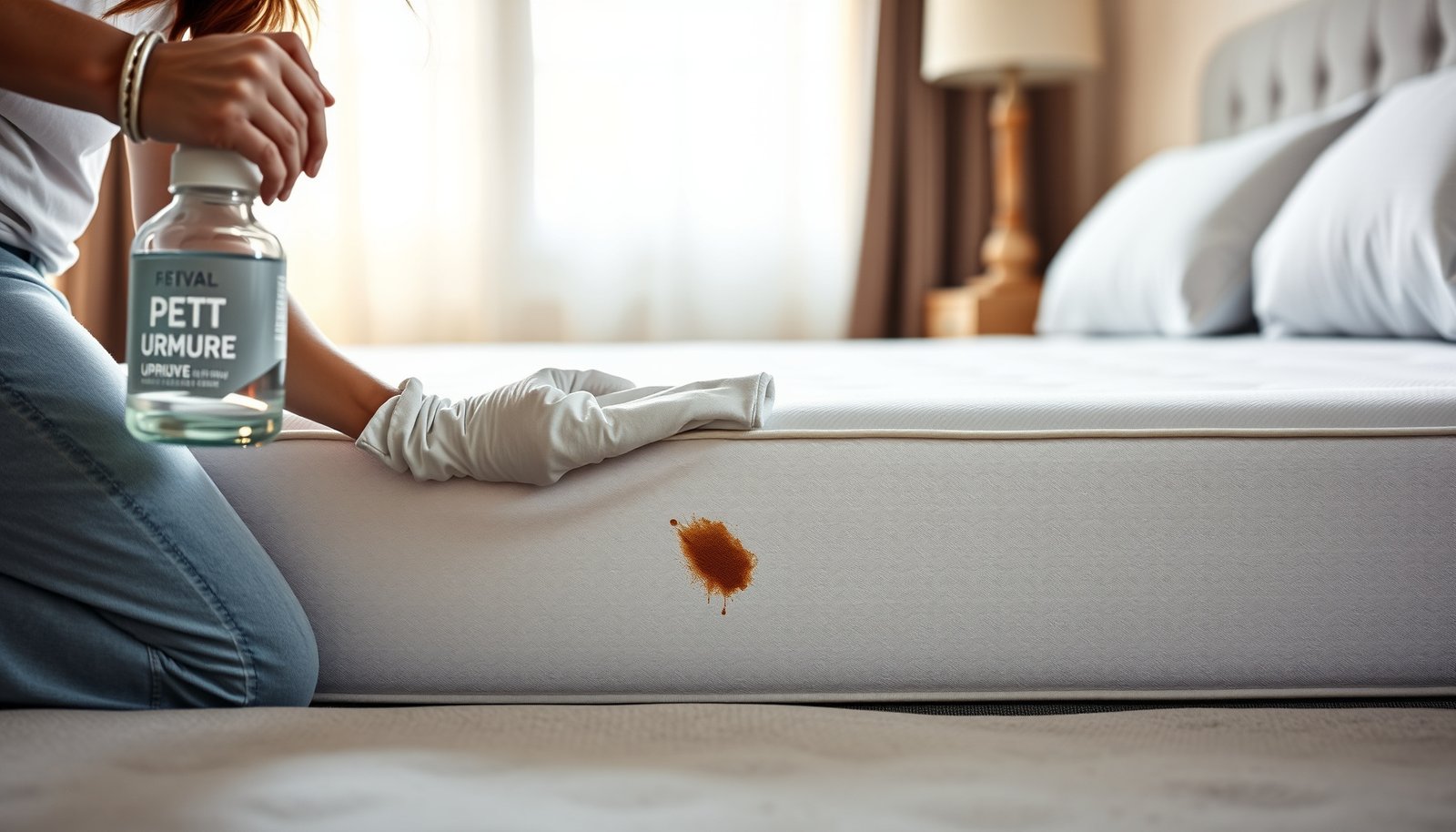
If you act within minutes, you can usually prevent deeper penetration into the memory foam mattress core. The goal is to absorb liquid at the surface without pushing pet urine deeper or spreading it outward.
Pet urine spreads quickly when you scrub; pressing towels directly onto the spot helps limit migration into upholstery and foam.
Removing a washable mattress cover immediately reduces how long pet urine contacts the foam and speeds up drying of the memory foam mattress.
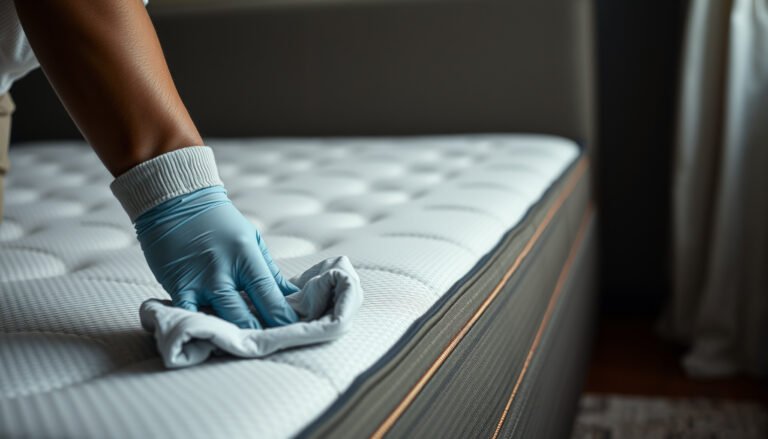
– Press clean towels onto the spot to absorb as much liquid as possible (don’t scrub, which pushes urine deeper).
– If there’s a removable cover, remove it immediately and set it aside for washing according to the label.
– Keep pets away from the area while you work to prevent the urine from being tracked or re-deposited.
– If the accident is on a topper (not the whole mattress), treat the topper the same way—memory foam rules apply just as strongly.
Why this matters for a memory foam mattress: memory foam is viscoelastic, meaning it softens under pressure and can “hold” contaminants. Aggressive movement increases the chance that pet urine moves past the top comfort layer into deeper foam cells.
Clean the foam safely (cool water + cover handling)
You can safely “reset” the affected area by dabbing with cool water in small amounts, not soaking. For a memory foam mattress, minimal dilution plus blotting is safer than pouring water—because trapped moisture is what often prolongs odor.
Cool water is preferred because hot water can set some stains and increases the risk of driving moisture deeper in foam-based bedding.
For dried urine, you typically need to rehydrate lightly before applying an enzyme cleaner so the active enzymes can reach the odor-causing residues.
– Lightly dab with cool water to dilute residue—use only small amounts so you don’t soak the foam core.
– Blot again until towels come away with less wetness; repeat only as needed.
– If the urine has dried, rehydrate the area with minimal cool water before enzyme treatment (otherwise the cleaner can’t work effectively).
– While you work, keep the surface as “damp” rather than “wet.” A good rule for a memory foam mattress is: if you can see a pool forming, you used too much water.
Practical handling tip for the memory foam mattress: If the mattress has visible seams, avoid saturating along the edges. Pet urine can wick into stitching, and foam can’t “evaporate” from the inside as quickly as fabric upholstery.
Use an enzyme cleaner for urine odor
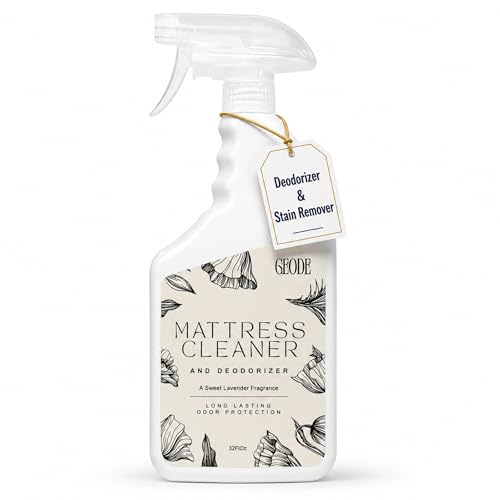
For pet urine odor removal on a memory foam mattress, an enzyme cleaner is usually the decisive step—not masking. Enzymes are designed to break down odor-causing compounds rather than just covering the smell.
Enzyme-based cleaners are formulated to target urine-specific components (commonly urea and uric-acid-related residues) so odors don’t simply return after drying.
Most enzyme products require a wet dwell/contact time; treating “lightly and immediately blotting” can reduce odor removal performance.
Before you apply any cleaner, remember why odor lingers. Pet urine contains compounds that don’t rinse away easily once they’ve dried—especially those related to uric acid, which can be stubborn and may crystallize in porous materials. For context:
– According to , uric acid’s water solubility at room temperature is very low (reported on the order of ~0.06 g/L at 25°C), which helps explain why dried pet urine can keep smelling.
– According to , normal urine is often described as acidic to near-neutral, commonly in the approximate range of pH 4.5–8.0, which affects how residues behave on fabric and foam.
– According to , many pet-urine enzyme cleaners specify a contact time in the neighborhood of 10–30 minutes (varies by brand and formula).
Now, apply the enzyme cleaner correctly:
– Apply an enzyme cleaner specifically labeled for pet urine (follow the product’s directions for how much to use and contact time).
– Work from the outside of the affected area toward the center to avoid spreading.
– Let it sit for the time stated on the label—then blot to remove excess, rather than forcing it deeper.
– Do not combine enzyme cleaners with bleach, ammonia, or other strong disinfectants unless your enzyme product label explicitly says it’s compatible. Many cleaners can neutralize or reduce enzyme activity—and bleach can create harsh residues.
Which chemistry should you avoid on a memory foam mattress? Here’s a quick contrast that’s useful when you’re deciding what *not* to do:
| Cleaning approach | What it usually does to pet urine odor | Main downside for a memory foam mattress |
|---|---|---|
| Enzyme cleaner (pet-urine specific) | Breaks down urine odor compounds | Requires correct contact time + thorough drying |
| Bleach | Often targets stains/disinfection, not urine chemistry | Can damage materials, and odor can return if uric-acid residues remain |
| “Masking” sprays / heavy fragrance | Covers odor temporarily | Odor typically returns after airflow dries the scent off |
Dry fully to prevent lingering moisture and smell
You can’t “finish” odor removal on a memory foam mattress until it’s truly dry. Complete drying prevents the trapped moisture that can cause lingering smell and, in some situations, mildew risk.
Memory foam retains moisture longer than many fabrics because it’s made to soften and rebound, which slows evaporation inside the foam core.
Airflow-driven drying (fans and circulation) is generally safer than high heat for foam mattresses that are sensitive to temperature and adhesives.
– Drying is the make-or-break step for memory foam: use fans and keep air moving across the surface.
– Avoid heat sources (like hair dryers, radiators, or high dryer settings) unless the mattress manufacturer explicitly allows it.
– If possible, elevate the mattress slightly so air circulates under it, and wait until it’s truly dry before remaking the bed.
– If you used a removable cover, make sure it’s fully dry before putting it back on the memory foam mattress.
A realistic timeframe (important): For a memory foam mattress, drying time depends heavily on room humidity, airflow, and how much liquid got into the foam. Instead of guessing, aim for “no cool dampness” plus visibly dry surfaces and a smell-free check.
What can go wrong with memory foam urine cleanup
The most common failure is not the first clean—it’s oversaturation, incorrect chemistry, or incomplete drying. If the odor returns, it usually means urine residue is still present in deeper foam or moisture is trapped in the memory foam mattress.
Oversaturating foam increases both residue depth and drying time, which is why odor can return after you think it’s gone.
Skipping an enzyme step often leaves urine odor compounds behind, so fragrance-only solutions don’t solve the root cause.
– Oversaturating the foam: too much liquid increases the chance of lingering odor and slow drying.
– Using the wrong chemicals: avoid bleach and strong cleaners on memory foam unless the care label says they’re safe; they can damage materials or set odors.
– Skipping enzymes: masking smells with air fresheners rarely removes the uric-acid source—especially for dried urine.
– Failing to blot after contact time: enzyme cleaners need time to work, but excess liquid left inside the memory foam mattress can prolong moisture.
– Not following the mattress tag: some memory foam mattresses limit liquids, cleaning methods, or heat—always treat the tag as the authority.
Verdict: what to do, downsides, who should skip this
This approach is usually the safest route for a memory foam mattress: blot fast, minimal cool-water dab, pet-urine enzyme cleaner, and thorough drying with airflow. Here’s why it works: it reduces the amount of pet urine that migrates, targets the odor chemistry, and then prevents trapped moisture from keeping the smell active.
The most reliable workflow for pet urine on foam is mechanical removal (blotting), then enzymatic breakdown, then airflow drying.
Even with correct cleaning, odor can reappear if the memory foam mattress core stayed damp or if urine penetrated deeply.
Downside(s) to be aware of
– Enzyme cleaning can take time because you must respect the product’s contact/dwell period and then allow full drying.
– “Smell gone” is not always immediate—if pet urine penetrated deeper into the memory foam mattress, you may need repeat enzyme treatment.
Who should skip DIY and consider professional cleaning
– The mattress is heavily soiled or the accident is recurring.
– The foam shows damage/warping, persistent staining, or areas that feel permanently damp.
– The odor returns quickly after drying.
– Your mattress tag has restrictions you can’t follow with the steps above.
Quick checklist (save this)
| Step | What to do | Goal |
|---|---|---|
| 1 | Blot immediately (no scrubbing) | Stop spreading |
| 2 | Remove washable cover (if present) | Cleaner surface + faster drying |
| 3 | Dab with cool water sparingly | Dilute residue without soaking |
| 4 | Use pet-urine enzyme cleaner | Break down odor-causing compounds |
| 5 | Blot excess; dry with airflow | Prevent trapped moisture + repeat odor |
Enzymes Commonly Used in Pet-Urine Cleaners and What They Target
| # | Enzyme type | Primary urine component targeted | Role in odor control | Practical fit for pet urine |
|---|---|---|---|---|
| 1 | Urease | Urea | Converts urea into breakdown products that reduce odor | ★★★★★ |
| 2 | Protease | Protein-based residues | Breaks down remaining biomolecules tied to lingering smell | ★★★★☆ |
| 3 | Lipase | Fatty/greasy residues | Helps reduce odor that clings to organic films | ★★★☆☆ |
| 4 | Amylase | Carbohydrate residues | Supports deeper breakdown when urine mixes with food traces | ★★☆☆☆ |
| 5 | Oxidoreductases (e.g., peroxidases) | Odor molecules via oxidation | Helps neutralize stubborn odor compounds after enzymatic breakdown | ★★★★☆ |
| 6 | Catalase / related enzymes | Residual peroxide/hydrogen peroxide balance | Can help stabilize certain oxidative systems used in formulations | ★★★☆☆ |
| 7 | Uric-acid targeted enzymes (varies by product) | Uric-acid-related residues | Designed for the “why it comes back” component in dried urine | ★★★★★ |
Frequently Asked Questions
How do I clean a memory foam mattress after a pet urine spill?
Start by blotting up as much urine as possible with clean towels, pressing firmly to absorb moisture without rubbing. Mix cold water with a small amount of mild detergent, lightly dab the affected area, and then blot again until no more liquid transfers to the towel. For odor control, apply an enzymatic cleaner designed for pet urine, let it dwell per label directions, and allow the mattress to fully dry before using it again.
What is the best way to remove urine odor from memory foam?
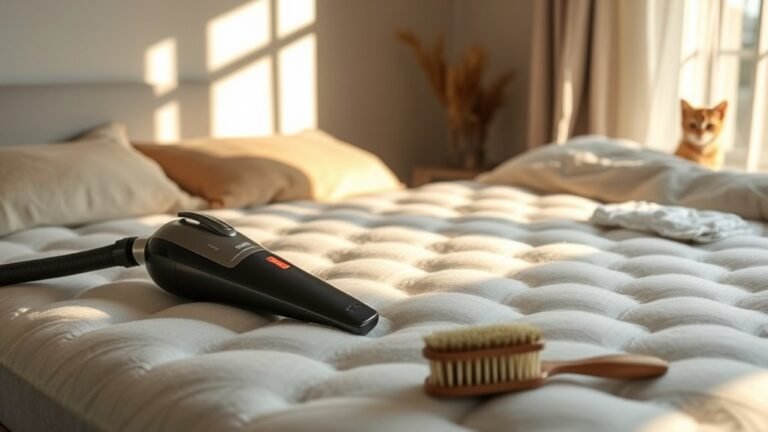
The best approach is using an enzymatic pet urine cleaner because it targets the uric acid crystals that cause lingering smells. After blotting and gentle cleaning, saturate the urine-affected area lightly with the enzymatic product (don’t soak the foam), then let it sit until dry. Once dry, check the area for remaining odor and repeat the enzymatic step if needed, then vacuum or brush lightly to restore the foam’s surface texture.
Which cleaning solution should I use for pet urine on memory foam—vinegar or enzyme cleaner?
For pet urine spills, enzyme cleaner is usually the most effective because it breaks down odor-causing compounds rather than just masking them. Vinegar can help neutralize some odors and loosen residue, but it may not fully remove uric acid from deep memory foam. If you want to use vinegar, treat it as a preliminary step for light odor, then follow with an enzymatic cleaner for best results.
How can I safely dry a memory foam mattress after treating pet urine?
To protect memory foam from trapped moisture, dry the mattress as thoroughly as possible and avoid soaking the core. Use towels to blot, then increase airflow with a fan and, if possible, a well-ventilated room; direct heat like hair dryers or high-temperature vents can damage foam. Wait until the mattress is completely dry to prevent mildew, and consider using a waterproof mattress protector for future accidents.
Why does pet urine smell come back even after cleaning memory foam?
Memory foam can trap urine deep within the foam layers, and odor may resurface when moisture or humidity reactivates dried urine components. If you only use soap or general cleaners, you might remove surface stains but not the uric acid that causes a persistent smell. Using a pet-specific enzymatic cleaner and allowing proper dwell time helps ensure odor removal reaches beyond the top layer.
📅 Last Updated: October 27, 2026 | Topic: How to Clean a Memory Foam Mattress with Pet Urine Spills | Content verified for accuracy and freshness.
References
- https://www.cdc.gov/coronavirus/2019-ncov/community/clean-disinfect.html
- Memory foam
- Urine
- https://support.casper.com/s/article/Cleaning-Instructions-for-Casper-Mattresses
- How to Get Stains Off and Clean a Mattress – Amerisleep
- https://scholar.google.com/scholar?q=memory+foam+mattress+cleaning+pet+urine Google Scholar
- https://scholar.google.com/scholar?q=enzymatic+cleaners+urine+stain+odor+removal Google Scholar
- https://scholar.google.com/scholar?q=urine+uric+acid+removal+enzymes+cleaning Google Scholar