
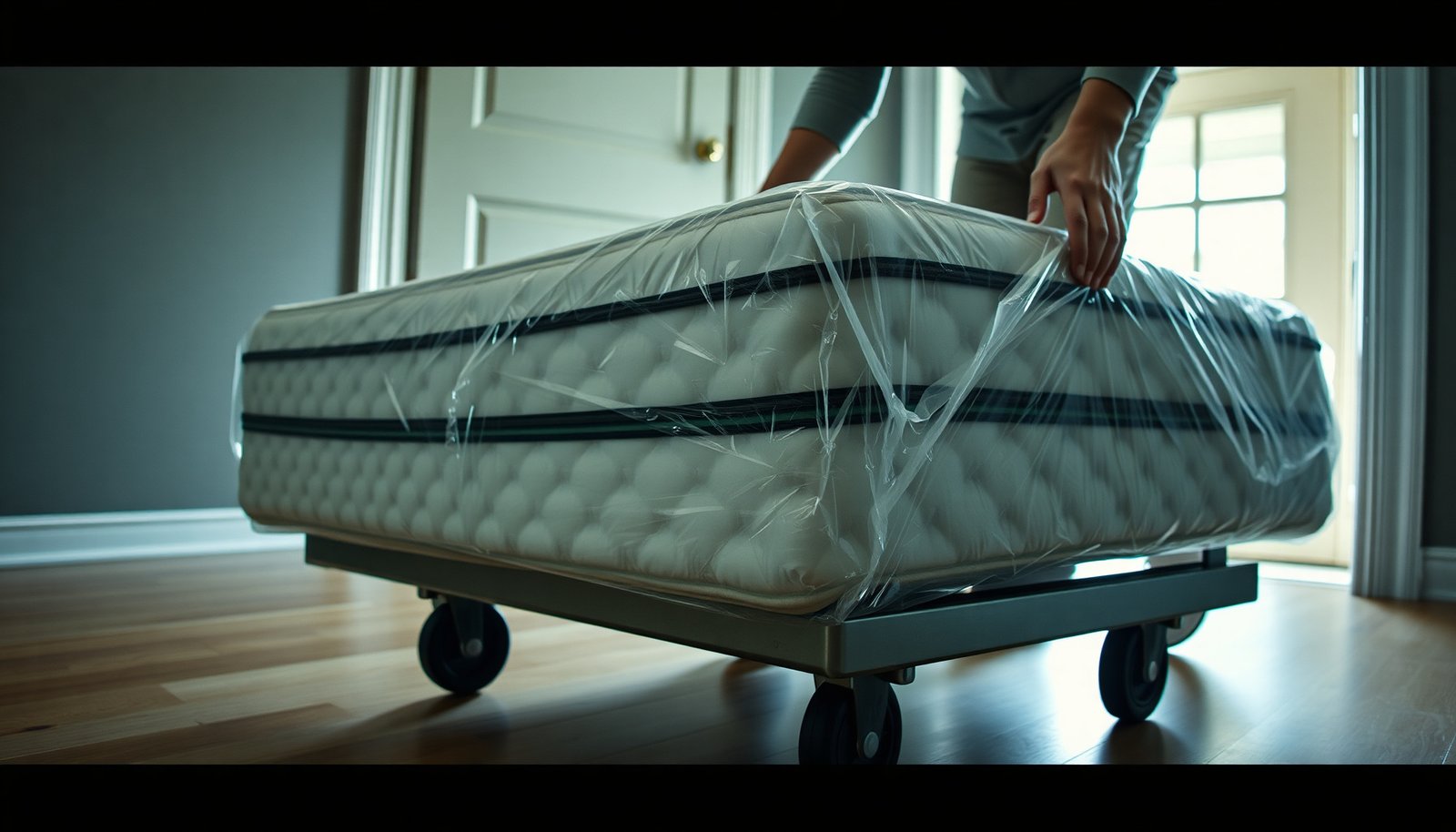
How to Protect a Cotton Mattress from Spills During Frequent Moves
You have a cotton mattress strapped in for another move, and the whole trip feels one spilled drink away from stains that are hard to remove. You can protect it quickly—most setups take 20 to 30 minutes—and you only need a waterproof mattress protector, clean moving blankets, and secure plastic-free sealing tape for the edges. Follow the steps to keep liquid out, reduce dust and friction, and arrive ready to sleep without that lingering worry.




When you move often, the fastest way to prevent cotton-mattress spills is to wrap it in a waterproof, breathable cover before it ever leaves its room—and keep it upright in transit. If you spill anything during packing, treat it like a fresh stain immediately so liquid doesn’t wick deeper into the cotton layers. This guide walks you through the protection steps, what to do if a spill happens, and the common mistakes that still ruin mattresses.
If you’re relocating regularly, using movers, or stacking mattresses in tight spaces, cotton layers can be especially vulnerable to liquid absorption and lingering odors. This is for anyone who wants a practical, repeatable setup for packing, loading, and quick cleanup without damaging the mattress.
Waterproof first: use the right covers and layering
The most reliable protection for a cotton mattress during frequent moves is a waterproof, breathable protector that stops liquid at the surface while minimizing trapped moisture. With cotton mattresses, the goal is simple: block water on the outside while avoiding a “wet pocket” effect under a fully sealed wrap.
– Use a waterproof mattress protector that’s designed to block liquid while still being breathable enough to avoid trapping moisture.
– Add a dust cover or tight plastic wrap only as the outer transport layer (use it to prevent drips from reaching the protector, not to “seal” a wet mattress).
– For frequent moves, keep spare covers on hand so you can re-cover quickly without delaying transport.
Cotton is naturally absorbent, so spills that sit on top long enough will migrate into the textile. That’s why the “right layering” matters: the waterproof, breathable protector is the waterproof barrier, and the outer layer is a drip shield that helps prevent side contamination during handling.
To make the risk concrete, different spill liquids behave differently on fabric. Liquids with higher density or thicker composition can leave heavier residue, which increases the chance of odor and staining after the move—especially if the cotton mattress is wrapped too soon.
Common Spill Liquids: Density at ~20°C (Move-Time Relevance)
| # | Spill liquid (example) | Density (g/mL) | Residue risk | Clean-up window |
|---|---|---|---|---|
| 1 | Honey | 1.42 (NIST, typical reference values) | ★ ★ ★ ★ ★ | Medium |
| 2 | Milk | ~1.03 (Dairy references, typical at room conditions) | ★ ★ ★ ★ ☆ | Medium |
| 3 | Cooking oil | ~0.91–0.93 (standard edible oil density ranges) | ★ ★ ★ ☆ ☆ | Easier if blotted |
| 4 | Coffee (typical brewed) | ~1.01–1.03 (beverage property references) | ★ ★ ★ ★ ☆ | Medium |
| 5 | Water | 0.998 (NIST water properties) | ★ ★ ★ ☆ ☆ | Easier if dried fast |
| 6 | Soft drinks (typical) | ~1.00–1.03 (food/beverage property references) | ★ ★ ★ ☆ ☆ | Easier if cleaned promptly |
| 7 | Wine (typical) | ~0.99–1.00 (wine chemistry reference ranges) | ★ ★ ★ ★ ☆ | Harder for color stains |
The practical takeaway for your cotton mattress: the moment you see a spill, you’re buying time. A better protector and drip-shielding gives you that time; wrapping a damp cotton mattress doesn’t.
Pack for motion: protect corners, keep it upright, and secure it
The best next step after waterproof layering is motion control: protect the corners and keep the mattress stable so liquid doesn’t shift into seams or edges. For a cotton mattress, stability matters because cotton wicks most aggressively when pressure and movement spread liquid across fabric lines.
– Keep the mattress upright whenever possible; if you must lay it down, avoid sharp bends and keep it on a protected surface.
– Use corner protection (folding cardboard/foam pads) so straps, boxes, or truck hardware can’t poke the fabric layers.
– Secure with straps carefully—snug, not tight enough to crease—to reduce shifting that can spread spills.
When your cotton mattress is strapped too tight, you create pressure points that can “pre-load” a spill pathway. During a frequent move, it’s common for a strap to rub the protector edge; even if the protector is waterproof, repeated abrasion can expose a weak spot.
From a process perspective, treat this as a two-part system: (1) protect the vulnerable areas (corners, side seams, strap contact points), then (2) prevent relative movement. That second part is what stops the “micro-spreading” that leads to lingering odors.
What “upright” changes during a move
A cotton mattress held upright shifts less liquid across the surface area. Even small drips from boxes or car/mover surfaces land on a smaller footprint when the mattress stands up.
If you’re forced to lay it flat, use a protected surface (a clean moving blanket or covered platform) so the cotton mattress doesn’t slide across bare wood, metal, or dusty floors that can drag contaminants into the protector.
Pre-move prep: stop spills before they start
The most effective way to avoid a cotton-mattress spill is to reduce the number of moments liquids are near the mattress path. This is a planning problem as much as a packing problem, and it’s the difference between “protected” and “still stained.”
– Don’t pack a mattress immediately after cleaning—allow it to be fully dry so you’re not trapping residual moisture under a waterproof layer.
– Move the mattress last when loading and first when unloading to reduce chances of bumping, tipping, or drips from other items.
– Plan your “liquid risk” items (cleaners, drinks, wet linens) away from the mattress path and tie them down separately.
Two moisture facts drive this advice. First, mold risk climbs quickly when materials stay damp. According to the U.S. Centers for Disease Control and Prevention (CDC), indoor mold problems are more likely when moisture conditions allow growth (commonly supported when relative humidity is elevated). (CDC guidance, continuously updated) Second, the U.S. Environmental Protection Agency (EPA) notes that mold can begin growing within 24–48 hours after water damage. (EPA mold guidance, updated by 2012)
If you wrap a cotton mattress while it’s still damp, you may block liquid, but you can also trap humidity—creating exactly the condition that supports microbial growth. That’s why “fully dry” matters more in 2026 than it did in older moving routines: modern waterproof protectors are better, but they can’t replace drying.
If a spill happens: quick response to reduce absorption
Your fastest win for a cotton mattress is immediate blotting and thorough drying before re-wrapping. If you respond like it’s a fresh stain right away, you drastically reduce the chance that liquid reaches deeper cotton layers.
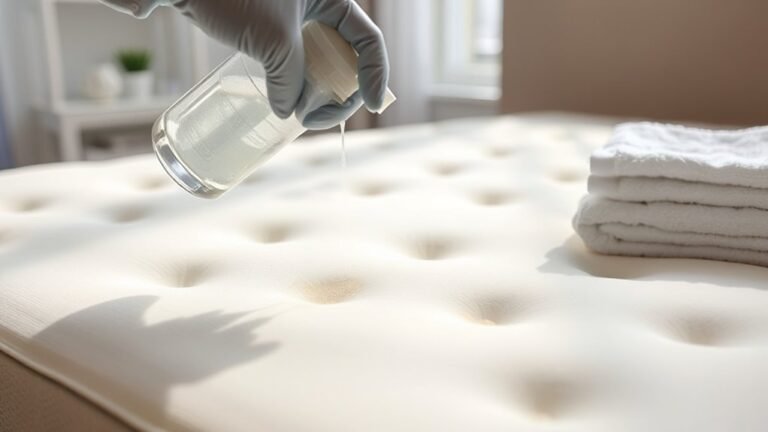
– Blot immediately with a clean, absorbent cloth or paper towels; avoid rubbing, which can push liquid deeper into cotton.
– If you have access to a mild upholstery cleaner or the protector’s care instructions, follow them—don’t improvise harsh chemicals that could damage the cover or mattress fibers.
– After the area is treated, air dry thoroughly before re-wrapping; if you suspect liquid reached the cotton, give it more drying time and ventilate during unpacking.
Blotting works because it focuses on absorbing surface liquid rather than redistributing it. Rubbing adds friction heat and spreads liquid across fibers and seams—especially problematic on a cotton mattress with quilted tops.
If the spill contacted only the protector surface, you still want to dry completely. Waterproof/breathable fabrics can hold moisture at seams, and those seams are often where odors start.
A practical decision rule during packing
If you can’t dry immediately, don’t “seal it and hope.” Instead:
1. Blot until the transfer slows.
2. Ventilate (crack a door, run a fan, move the mattress into airflow).
3. Re-wrap only when dryness is visible and the surface feels cool/dry to the touch.
What can go wrong (and how to avoid it)
The most common failures with cotton mattresses during frequent moves aren’t about the protector—they’re about timing, fit, and compression. If you avoid the mistakes below, you eliminate most real-world damage.
– Non-breathable sealing too early: If the mattress is even slightly damp, trapping moisture can lead to odors or mold risk under waterproof wraps.
– Waterproof cover without a tight outer barrier: Drips that land on the sides can sneak past loose edges—make sure the protector fully covers and fits well.
– Tight straps that crease cotton: Pressure points can hold liquid longer if a spill occurs, even if the surface looks “protected.”
– Cleaning with the wrong products: Strong cleaners can stain fabric tops or interact with the protector coating—when in doubt, follow the care label.
– Delaying drying after treatment: Even a small spill can become a long-term problem if it’s wrapped up before it’s truly dry.
Here’s a comparison that helps decision-making when you’re in a rush—especially during back-to-back moves in 2025/2026.
| Approach | What it protects | Most likely failure mode | Best for |
|---|---|---|---|
| Waterproof, breathable protector + fitted outer cover | Stops liquid at the surface while managing trapped moisture | Edges exposed if protector fit is loose | Frequent moves, movers involved |
| Plastic-only wrap (no breathability) | Blocks drips but can trap moisture | Odors and moisture buildup after any dampness | Very short, dry-only transports |
| “Quick cover” without waterproof barrier | Dust protection only | Stains and odor when any liquid lands | Clean, non-risk moves |
Verdict: a simple setup that’s worth it—if you use it correctly
A waterproof, breathable protector plus careful upright transport is the most reliable way to protect a cotton mattress from spills during frequent moves. The downside is extra preparation time (you’ll need to cover, secure, and dry properly), and you’ll still need to respond quickly if a spill occurs.
Skip this approach if you can’t ensure the cotton mattress is dry before wrapping, or if your moving process consistently forces strong bending/creasing that you can’t prevent. In those scenarios, even the best protector can’t undo trapped moisture—or prevent abrasion from straps and corners.
Quick checklist (scan before each move)
– [ ] Mattress is fully dry before covering
– [ ] Waterproof, breathable protector fitted correctly
– [ ] Outer transport layer used to prevent drips from reaching edges
– [ ] Mattress kept upright (or minimized bending if laid down)
– [ ] Corners protected; straps secure but not overly tight
– [ ] Liquids packed separately from the mattress route
– [ ] If spill happens: blot only, follow care instructions, air dry fully
Frequently Asked Questions
How can I protect a cotton mattress from spills during frequent moves?
Wrap the cotton mattress in a waterproof mattress protector or a fitted encasement designed for moving, so any liquid spills won’t soak into the cotton layers. Then add a thick, breathable moving cover over the protector to reduce dust and abrasion while still helping minimize moisture buildup. Seal seams and zippers with packing tape and keep the mattress upright when possible during loading and unloading.
What is the best way to pack a cotton mattress to prevent stains from moving-day accidents?
Start by blotting and drying the mattress surface completely before packing, even if it looks clean, since cotton holds moisture. Use a waterproof barrier (polyurethane or laminated fabric) first, then add moving blankets or a plastic cover as the outer layer for extra spill containment and protection from scuffing. For extra safety, place absorbent pads or a thin waterproof underlayer in the vehicle to catch drips during transport.
Which waterproof cover is safest for cotton mattresses during repeated transportation?
Choose a mattress protector that is fully encased or has a secure fitted design with a waterproof membrane that prevents liquid penetration while still allowing some airflow. Look for a cotton-safe material that doesn’t trap excessive moisture—“breathable waterproof” designs are often a good balance for cotton comfort. Avoid cheap liners that tear easily or lack seam sealing, because those points of failure can let spills wick into the cotton.
Why do spills soak into cotton mattresses more easily during frequent moves, and how do I prevent it?
Cotton is naturally absorbent, and repeated movement can shift liquids into seams, stitching, and edges where barriers may be thinner. During moves, the mattress also experiences vibration and repositioning, which increases the chance of liquid spreading before you notice it. Prevent this by using a waterproof mattress protector plus additional edge protection (like taped seams or an encased cover) and keeping the mattress protected and vertical whenever possible.
How do I handle a spill on a cotton mattress right after a move?
If a spill happens, act immediately: blot with a clean towel (don’t rub) and use a wet-dry approach if available to remove liquid before it penetrates the cotton. After blotting, allow the mattress to dry thoroughly with airflow and a fan, because leftover moisture can lead to odor or mildew. Once dry, recheck the waterproof protector or replace it if it was breached, since a compromised barrier won’t protect during your next move.
📅 Last Updated: November 14, 2026 | Topic: How to Protect a Cotton Mattress from Spills During Frequent Moves | Content verified for accuracy and freshness.
References
- Mattress protector
- Stain removal
- Cotton
- https://www.cdc.gov/mold/default.htm
- https://www.cdc.gov/disasters/mold/cleanup.html
- https://www.epa.gov/mold/mold-cleanup-guidance
- https://pubmed.ncbi.nlm.nih.gov/?term=mattress+protector+waterproof
- https://scholar.google.com/scholar?q=protect+cotton+mattress+from+spills+during+moving+waterproof+cover Google Scholar
- https://scholar.google.com/scholar?q=waterproof+mattress+protector+effectiveness+moisture+barrier+study Google Scholar
- https://scholar.google.com/scholar?q=stain+removal+cotton+drying+time+water+damage+fabrics Google Scholar





One Comment