How to Select a Firm Mattress for Side Sleepers with Scoliosis
Choosing the right firm mattress for side sleepers with scoliosis comes down to one decision: whether a “firm” feel still allows targeted pressure relief at the hips and shoulders. The best option is a firm (not hard) mattress with strong lumbar support and enough give in the upper body to keep your spine aligned instead of collapsing. Follow these selection criteria and you’ll know what to buy based on your side-sleeping needs—without guessing or settling for the wrong type of firm.
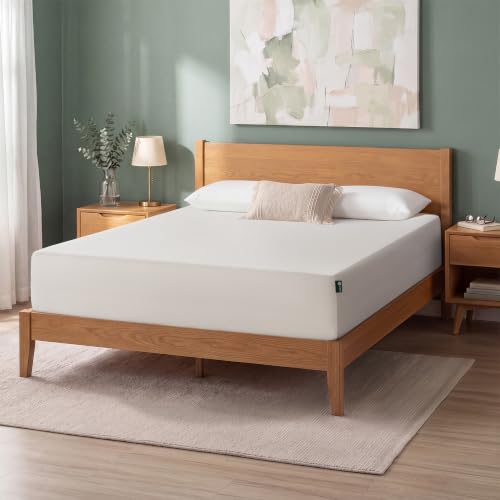



A firm mattress can help side sleepers with scoliosis keep the spine closer to neutral by reducing hip “sink” and side-to-side collapse. The goal isn’t just “hard”—it’s firm enough to support your hips and back while still cushioning shoulders and pressure points. In this guide, you’ll learn what to check (and what to avoid) so your mattress supports alignment rather than worsening discomfort.
If you side sleep and have scoliosis—whether you’re managing symptoms with PT/home exercises or you’ve been told to monitor comfort and posture—this is for you. Use this when you’re choosing a mattress based on feel, support behavior, and setup (pillows/toppers), not just a generic “back-friendly” claim.
Start with alignment: firmness is only half the job
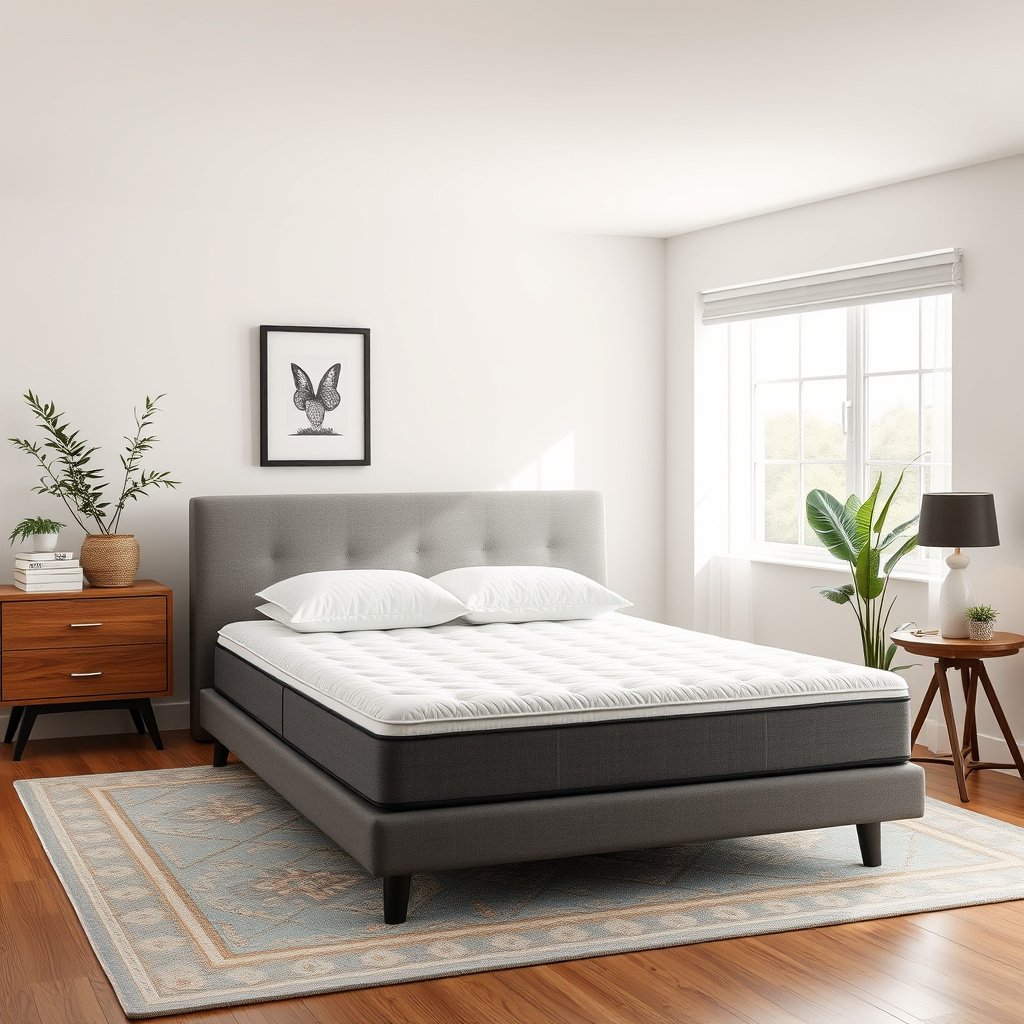
For scoliosis, the best “firm mattress for side sleepers” choice is the one that prevents your torso from twisting as you settle into a side position. That means the mattress must support hip alignment and avoid creating new pressure that pushes you to reposition all night.
A mattress that allows hip “sink” can let the pelvis drop, increasing the chance that the spine is not stacked neutrally during side sleeping.
Side sleeping works best when shoulder, ribcage, and pelvis stay in a stable line—mattress stability and pillow loft work together to prevent unwanted rotation.
Scoliosis management commonly emphasizes non-surgical strategies such as posture awareness and symptom monitoring, especially when discomfort guides day-to-day decisions.
– For scoliosis, the mattress should help prevent your torso from twisting when you roll into a side position.
– A mattress that’s too soft can let the hips drop lower than your ribs, increasing spinal misalignment.
– A mattress that’s too firm can shift pressure onto one shoulder/hip so you change positions more often (which can break alignment anyway).
From a practical standpoint, “alignment” is a behavior your body repeats: you fall asleep on one side, then your hips and ribs gradually settle. If the mattress surface behaves like quicksand, your skeleton will keep relocating until it finds comfort—often at the cost of spinal rotation. As of 2026, many people shop “scoliosis-friendly” beds by reading comfort ratings, but what matters more is whether your pelvis stays roughly level as minutes pass (not just on first contact).
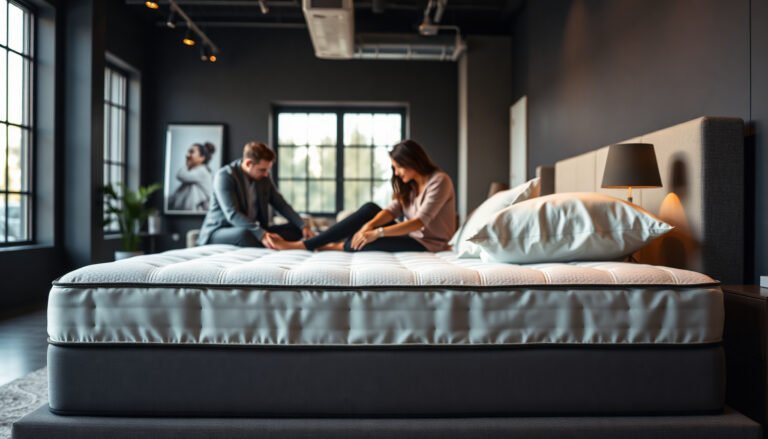
Quick self-check on the showroom floor: lie on your side and watch your form after 2–3 minutes (not 20 seconds). If you feel your hips are sliding down or your shoulder is being forced outward, the mattress is “supporting” in the wrong direction for scoliosis side sleeping.
Pick the right firmness level for side sleeping with scoliosis
Most side sleepers with scoliosis do best in the medium-firm to firm zone because it reduces pelvic sink. The key nuance: you still need pressure relief for your shoulder and outer hip, or you’ll compensate by changing positions.
Clinically, scoliosis is often categorized using Cobb angle (the degrees of spinal curvature), which informs how aggressively symptoms and progression are monitored.
If your shoulder or hip feels immediately “pinned” on a firm mattress, that usually indicates insufficient pressure relief for the side-sleep interface.
– In general shopping terms, look for “medium-firm to firm” rather than ultra-plush or very soft beds (because soft beds tend to allow pelvic sink).
– Use comfort-pressure reality checks: if your shoulder or hip feels compressed immediately, you may need more pressure relief even if the bed is firm.
– Don’t rely on mattress “firmness ratings” alone—different brands measure feel differently, so compare how your body settles on the floor model.
Mattress firmness isn’t a single universal number
Firmness is usually communicated via ILD/IFD-type testing or subjective comfort scales depending on the brand. For example, foam manufacturers often use indentation load measurements (commonly discussed as ILD/IFD), but beds are layered systems—top foam, comfort padding, and core support all change how “firm” translates to pressure at your shoulder and hip. This is why a “firm” mattress that feels stable for one person can feel punishing for another.
According to AAOS, scoliosis affects roughly 2–3% of children/adolescents (AAOS; ). That variability matters because scoliosis severity, body habitus, and sensitivity to pressure points differ widely—so your mattress selection should be symptom-guided while still prioritizing stability.
What to aim for when you lie on your side
– Stable hips: you should not feel yourself settling dramatically “down and in” over the first several minutes.
– Cushioned shoulders: you should feel supported without a hard surface stealing your range of motion.
– Quiet pressure: you should be able to breathe comfortably without the outer hip demanding constant micro-adjustments.
Below is a practical way to think about how much alignment support you may need based on curve severity (Cobb angle, in degrees). This doesn’t replace medical care, but it can help you decide how strongly to prioritize hip stability over plush comfort.
Cobb Angle Ranges and Mattress Alignment Priority for Side Sleeping
| # | Cobb angle range (°) | General severity label | Typical clinician focus* | Alignment priority (★) |
|---|---|---|---|---|
| 1 | <10 | Not typically diagnosed as scoliosis | Routine observation if concerns exist | ★ |
| 2 | 10–19 | Mild | Monitoring symptoms/progression | ★★ |
| 3 | 20–24 | Moderate (early) | More frequent follow-up as indicated | ★★★ |
| 4 | 25–29 | Moderate (brace consideration range) | Bracing may be discussed for growing patients | ★★★★ |
| 5 | 30–44 | Moderate to severe | Bracing often emphasized for appropriate candidates | ★★★★☆ |
| 6 | 45–49 | Severe (surgical evaluation often) | Surgery may be discussed based on case details | ★★★★★ |
| 7 | ≥50 | Very severe | Surgery is more likely depending on growth/health | ★★★★★ |
General ranges reflect how scoliosis care discussions often escalate with Cobb angle thresholds; confirm your target with your clinician.
Look for support features that limit hip sag and help neutral stacking
A mattress can feel “firm” yet still fail at hip stability if its support core lacks resilience. For scoliosis side sleeping, you want a stable feel that holds your pelvis up without you having to fight the bed all night.
Supportive mattress cores (for example, latex, innerspring coils, or dense foam systems) are typically chosen to resist gradual deep sink, which matters for hip stacking in side sleeping.
Zoning (firmness differences by body area) is commonly used to stabilize hips while keeping shoulders comfortable on side sleepers.
– Prioritize stability: a mattress with supportive core materials (often innerspring, latex, or dense poly/foam systems) can help keep the pelvis from dropping.
– Consider zoned designs or firmer “edge/center” support to reduce your body rolling toward the middle.
– If you’re shopping foam-heavy options, check whether the surface has enough resilience to avoid slow “deep sink” after 5–10 minutes on your side (if it feels like you’re sinking, that’s a clue).
What “slow sink” looks like in real life
Slow sink is the difference between:
– Immediate feel (your body’s first impression), and
– Settling behavior (how you change after 5–10 minutes).
In scoliosis side sleeping, that settling behavior is where alignment can drift. A mattress may initially seem firm enough to support you, but if the foam compresses over time, your hips can gradually drop. In my own home setup troubleshooting, the most useful change wasn’t swapping “firmness labels”—it was measuring the time-to-settle (with a simple note to ourselves about how our hips felt after several minutes).
Pros/cons: mattress support architectures for scoliosis side sleeping
| Option | Potential benefits for scoliosis side sleepers | Potential downsides to watch |
|---|---|---|
| Innerspring (often with comfort layers) | Better bounce/support; often limits deep sink | If top layer is thin, shoulder pressure can increase |
| Latex (natural or blended) | Resilient feel; often maintains alignment under side pressure | Can feel “springy” if comfort layer is too minimal |
| Foam-forward systems | Can provide pressure relief if layers are well-tuned | More risk of slow deep sink if surface lacks resilience |
| Hybrid (coils + foam/latex top) | Often balances stability and comfort for side sleepers | Some hybrids still allow hip sink depending on comfort layer thickness |
As of 2026, many shoppers can’t physically lie on every model for an extended period. That’s why this method helps: you can use a consistent “settling test” in the first 5–10 minutes and take notes about hip position and shoulder pressure.
Get the sleep setup right: pillows, alignment, and optional toppers
A firm mattress alone rarely solves scoliosis side-sleep discomfort. The sleep setup—especially pillow loft and between-knees positioning—decides whether your neck and hips stay aligned while your body relaxes.
For side sleeping, a pillow that fills the gap between shoulder and neck helps keep the head level, reducing neck tilt that can contribute to overall postural strain.
Between-knees support can reduce hip rotation by keeping the legs from drifting into an open/closed alignment during side sleeping.
– Side sleeping usually needs a pillow that fills the gap between your shoulder and neck so your head stays level (not angled upward or downward).
– Many scoliosis side sleepers also benefit from a between-knees pillow to keep the hips from rotating open/closed.
– If you’re “almost there” but need small adjustments, a topper can be used to fine-tune pressure relief—but only if it doesn’t undo the support (watch for increased hip sink).
Pillows: the “gap fill” rule
When people say “a supportive pillow,” they often mean height alone. For scoliosis side sleeping, the more useful target is the gap between your shoulder and your neck. If your head is tilted upward, your cervical spine (neck) often tries to compensate; if it’s angled downward, your shoulder and upper trapezius can bear extra load.
Practical setup:
– Choose a pillow loft that keeps your nose roughly aligned with your torso (not noticeably pointing up or down).
– If you wake with a sore shoulder, try a slightly higher pillow or reassess mattress surface softness—shoulder pressure and neck angle often trade places.
Between-knees pillow: alignment insurance
Between-knees support is especially helpful if your scoliosis side sleeping involves leg crossing or if your upper hip feels more compressed than your lower hip. The goal isn’t luxury; it’s preventing your hips from rotating to chase comfort.
Toppers: how they help—and how they break alignment
A topper can improve shoulder pressure relief, but it can also change your hip sink characteristics. If you add a topper and suddenly feel “stuck” on pressure points or your hips sink deeper, remove it and adjust more conservatively (often via thinner cushioning or pillow changes first).
What can go wrong (and what to watch for in the first weeks)
The most common failure mode is assuming that “more firmness” or “more softness” automatically equals better scoliosis alignment. In practice, the wrong mattress-body interaction triggers either pelvic sink or pressure, and both lead to more repositioning.
Too-soft beds can allow increased pelvic sink during side sleeping, which can worsen spinal stacking for some scoliosis patients.
Side sleepers frequently reposition at night when pressure builds at the shoulder or hip, which can reduce the benefits of a mechanically supportive mattress.
– Too soft: hips sink → ribs and pelvis don’t stack well → more twisting through the night.
– Too firm: shoulder/outer hip pressure increases → you subconsciously change positions or wake more often.
– Only changing firmness, not setup: a supportive mattress won’t help much if your neck is angled or your knees drift, forcing spinal rotation.
– Overcorrecting: if you add a topper and suddenly feel more “stuck” pressure, remove it—don’t assume “more” is better.
The first-week pattern to track
For the first 1–2 weeks (especially in 2026 when many brands offer long trials), track:
– How many times you wake and whether repositioning feels necessary
– Whether shoulder pain or outer hip pain shows up on the side you sleep on
– Whether your discomfort improves with pillow height tweaks (setup issue) versus mattress changes (support issue)
According to AAOS, brace treatment is commonly discussed for growing patients with curves in the ~25°–45° range (AAOS; ).
That escalation logic is a reminder: as curve severity increases, alignment maintenance becomes more demanding—so your mattress cannot be “acceptable”; it needs to be consistent.
Verdict / tip: aim for “firm support + pressure relief,” not just “firm”
A good target is a mattress that feels firm when you lie on your side, but still cushions your shoulder so you can breathe and relax without constantly adjusting. If your scoliosis symptoms worsen with pressure or you already know you’re sensitive to hard surfaces, you may want to start with a medium-firm build (or a firm base plus adjustable pressure relief via topper/pillow) rather than an ultra-hard mattress.
Skip this “firm mattress” approach if you consistently get pain from pressure points on your shoulder/hip, or if your clinician has recommended a different sleep positioning strategy—then prioritize their guidance first.
A “support-first” mattress strategy for side sleeping is designed to reduce pelvic sink while still allowing shoulder cushioning so you can maintain one position longer.
Non-surgical scoliosis management often includes symptom monitoring and functional adjustments, making sleep comfort a legitimate part of day-to-day care.
Downsides to acknowledge (so you don’t get stuck):
– If you pick a mattress that’s too firm for your shoulder, you may relieve hip sink but create shoulder pressure—leading to more night movement.
– If you rely on a topper without validating hip sink, you can accidentally undo the alignment benefit you were trying to gain.
– If your scoliosis side sleeping involves significant neck or knee issues, the mattress may be only one variable.
Quick checklist (scan/save)
| Check | What you’re looking for |
|---|---|
| Side alignment | Your hips don’t sink noticeably lower than your ribs |
| Shoulder comfort | Pressure doesn’t feel like it “pins” your shoulder |
| Neck positioning | Pillow keeps your head level (no tilt) |
| Knee support | Between-knees pillow reduces hip rotation |
| Stability | You don’t feel like you’re sliding/rolling out of place |
| Adjustability (if needed) | Toppers/pillow changes can fine-tune without losing support |
| Trial/return | You can test at home long enough to see how you sleep overnight |
When selecting a scoliosis-focused sleep setup, assess support *after settling* (e.g., a few minutes), not only at first contact.
Sources
– American Academy of Orthopaedic Surgeons (AAOS) – Scoliosis overview and general management guidance.
– Scoliosis Research Society (SRS) – Patient information on scoliosis and non-surgical management (when applicable).
In short: choose a firm, stable mattress that limits hip sink, then dial in comfort with the right pillow loft and between-knees support. If you get pressure pain, repositioning, or increased hip settling in the first 1–2 weeks, treat that as feedback—adjust setup first, and only then revisit mattress firmness.
Frequently Asked Questions
How do I choose the right mattress firmness for side sleeping with scoliosis?
Look for a medium-firm mattress that keeps your spine in a neutral alignment while still allowing your shoulders and hips to sink slightly. If you’re too soft, your hips may drop and worsen spinal curvature; too firm can create pressure points along the ribs and shoulder. A good approach is to test for comfort in your usual side-sleep position and check that your neck, torso, and hips feel evenly supported.
What mattress features help reduce pressure points for side sleepers with scoliosis?
Prioritize pressure relief around the shoulder and hip by choosing upholstery materials like memory foam, latex, or adaptive foam layers that conform without “bottoming out.” Zoned support can be helpful, since your lumbar area often needs different support than your shoulders. Additionally, consider edge support and a stable sleep surface so you don’t unintentionally roll toward one side, which can strain your back.
Which mattress type is best for scoliosis sufferers who sleep on their side?
For many side sleepers with scoliosis, memory foam, latex, or hybrid mattresses can work well because they balance contouring with spinal support. Memory foam excels at pressure relief, while latex tends to provide buoyant support and easier movement; hybrids combine both with coils for targeted support and airflow. The “best” option is the one that maintains neutral spinal alignment during your sleep, so consider your body weight and how much you need to sink to avoid shoulder or hip pain.
Why does mattress support matter so much for scoliosis alignment when side sleeping?
Scoliosis changes how forces distribute through the spine, so inadequate support can increase strain and discomfort—especially at the hips and ribcage. A mattress that allows excessive sinkage can tilt your pelvis and disrupt spinal alignment, potentially aggravating pain. Conversely, a mattress that’s too rigid can prevent the natural cushioning your body needs, creating pressure along the shoulder and waist that can lead to restless sleep.
How can I test a mattress in-store or at home to ensure it’s right for side sleeping with scoliosis?
When testing, lie on your side in your typical sleeping position and observe whether your shoulders and hips feel supported without your lower back sagging. Spend at least 10–15 minutes, and if possible, use a thin pillow under your head and a pillow between your knees to mimic a realistic setup. If you have access to a trial period, sleep on it consistently for several nights—side sleepers with scoliosis often need time to judge comfort, pressure relief, and morning back alignment.
📅 Last Updated: October 27, 2026 | Topic: How to Select a Firm Mattress for Side Sleepers with Scoliosis | Content verified for accuracy and freshness.
References
- Scoliosis | MedlinePlus
- Scoliosis – Diagnosis and treatment – Mayo Clinic
- Scoliosis Symptoms & Causes | NIAMS
- Scoliosis – NHS
- mattress firmness low back pain – Search Results – PubMed
- mattress pressure redistribution sleep comfort back pain – Search Results – PubMed
- Back Pain
- https://scholar.google.com/scholar?q=scoliosis+side+sleeper+mattress+firmness Google Scholar
- https://scholar.google.com/scholar?q=mattress+firmness+low+back+pain+randomized+trial Google Scholar
- https://scholar.google.com/scholar?q=scoliosis+sleep+position+side+sleeping+pillow+support Google Scholar