How to Select a Latex Mattress for Side Sleepers with Night Sweats
Choosing a latex mattress for side sleepers with night sweats comes down to one decision: which firmness and breathable design keep you cool without sacrificing pressure relief on your shoulders and hips. If you sleep on your side and wake up hot, the best match is a medium-firm latex feel with targeted cushioning and strong airflow so heat and moisture don’t get trapped. This guide shows you exactly how to select the right latex model—and what to avoid—based on your sleep position and sweat profile.
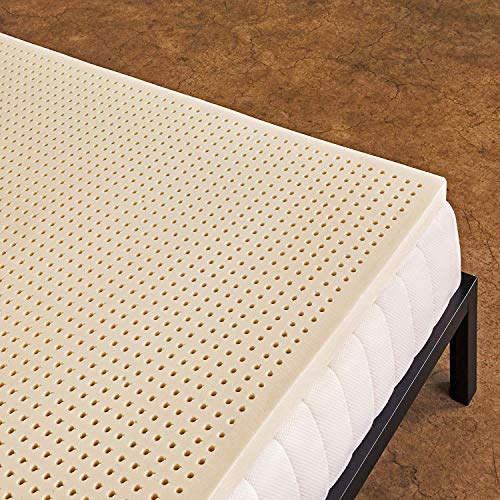



If you’re a side sleeper who wakes up sweaty, choose a latex mattress that stays breathable and helps keep your shoulders/hips aligned. That usually means selecting the right latex type + firmness, pairing it with a moisture-friendly (ideally removable/washable) cover, and confirming the mattress has real airflow—not just “cooling” marketing.
If you sleep warm, tend to overheat at night, or wake up with damp sheets—especially when you’re sleeping on your side—this is for you. It’s also useful if you’re considering latex because you want pressure relief without giving up airflow and support.
Who this advice is for (and when to pause)
This is for side sleepers who need pressure relief but also want better temperature management from their mattress setup. It’s also a good fit when your night sweats seem tied to heat/moisture conditions rather than an underlying medical issue.
– Side sleepers who need shoulder/hip pressure relief but also want better temperature management. A latex mattress can cushion without forming the deep “hammock” that makes you roll and re-warm through the night.
– People whose night sweating seems environment-related (too warm room, heavy bedding, moisture buildup), not a medical condition. If changing bedding and ventilation helps, your mattress choice is likely part of the problem.
– If night sweats are frequent and unexplained, consider speaking with a healthcare professional—an at-home mattress choice won’t address underlying causes. A mattress can improve comfort and moisture handling, but it can’t correct systemic causes.
“Night sweats” can have causes beyond comfort and bedding, including medication effects and medical conditions, so a mattress change may not resolve unexplained persistent sweating.
For side sleepers, misalignment (often from too-soft support under the hips) can increase discomfort-driven movement, which can worsen heat and moisture buildup during the night.
Latex mattresses are commonly designed to be more responsive and breathable than many memory-foam comfort layers, which can help reduce heat retention at the surface.
Prioritize cooling comfort: latex + cover + airflow
A latex mattress helps with night sweats when heat and moisture can escape quickly at the surface and through the mattress—not when they’re “trapped” underneath layers. In practice, the cover choice and internal airflow paths matter as much as (or more than) the word “cooling.”
What “breathable” should look like in real mattress terms
Cooling comfort is less about active temperature control and more about moisture transport: sweat needs somewhere to go so it can evaporate away. Look for a breathable cover and construction that allows air exchange through the latex layers and out toward the room.
Wicking moisture away from skin contact points typically improves thermal comfort because evaporation requires airflow and access to drier air.
Wool fibers can absorb roughly **30% of their weight in moisture** without feeling wet, which is one reason wool covers are often used for temperature and moisture balance.
Avoid moisture-trapping setups
A common mistake is adding a non-breathable protector over a normal cover. Even if the mattress is “breathable,” a plastic-style barrier can stop moisture from migrating outward, leaving humidity to accumulate against your skin—especially when side sleeping increases concentrated contact pressure.
If a mattress cover or protector is non-breathable, moisture can become trapped near the surface, increasing the chance you’ll wake up with damp sheets.
Check what’s actually inside the latex mattress
Latex itself is only one part of the heat picture. Many latex mattresses also include top comfort materials (for example, thin foams, felts, or blended textile layers). If those layers are thick, heat-retaining, or poorly ventilated, they can reduce the benefit you expected from latex.
Quick construction logic to use when evaluating a latex mattress:
1) Latex layer (type + thickness + firmness) supports and cushions
2) Top textile/comfort materials affect how fast heat/moisture moves
3) Cover + protectors determine whether moisture can exit at night
Dial in support for side sleeping (alignment comes first)
The best latex mattress for side sleepers with night sweats is one that cushions the shoulder/hip while preventing the hips from sinking too far. Alignment reduces discomfort-driven shifting, which in turn helps you spend more time in steady positions where moisture doesn’t keep re-building.
Comfort layer vs “hammocking” risk
Latex can feel soft and plush while still offering enough support—so you need the spec sheet, not the showroom feel. If the comfort layer is too plush relative to your weight and sleeping position, your hips can sink until your lower back arches slightly, which often triggers more movement and warmer pressure points.
Side-sleep alignment commonly depends on maintaining hip support so the pelvis doesn’t drop excessively, which helps reduce pressure and movement during sleep.
Even breathable materials can feel “hot” if you’re repeatedly shifting due to poor pressure distribution—movement increases heat and re-moisturizes the same skin-contact zones.
Talalay vs Dunlop: when “cooler” marketing isn’t enough
There’s no universal “Talalay is always cooler” rule for every latex mattress. What matters is how the mattress is engineered: the comfort-layer thickness, firmness, and whether the cover permits moisture migration.
Latex firmness and layer thickness can influence how much the pelvis sinks for side sleepers, which can be a bigger driver of heat and movement than latex type alone.
Talalay vs Dunlop (for side sleeping and night sweats)—comparison table
Talalay vs Dunlop Latex: What Changes for Night Sweats
| Feature | Talalay latex | Dunlop latex |
|---|---|---|
| Foam formation | Gels, molded, and cured with a controlled process that targets uniform structure | Gels and cures in a molded process that often yields a firmer core feel in many applications |
| Typical feel | Often described as more buoyant or “bouncy” on the comfort surface | Often described as having a firmer, more substantial support feel |
| Pressure relief for side sleepers | Can work well when comfort-layer thickness is sufficient but not overly plush | Can work well for sleepers needing stronger pelvic support to reduce hammocking |
| Heat retention risk | Not inherently “always cooler”; heat comfort depends on top materials and cover breathability | Not inherently “always warmer”; heat comfort depends on the same cover/airflow factors |
| Support under hips | More likely to feel plush if comfort layers are thick—check thickness and firmness | More likely (in many builds) to maintain support depth—still verify layer specs |
| Responsiveness | Often responds quickly when you shift positions, which can reduce “stickiness” from slow recovery materials | Also typically responsive; mattress engineering still determines how it feels in practice |
| Best use case | Side sleepers who want cushion at shoulders/hips while staying on top of support | Side sleepers who need stronger support to limit pelvic drop |
| Moisture handling | Depends on airflow and cover—latex type alone doesn’t control vapor escape | Depends on airflow and cover—latex type alone doesn’t control vapor escape |
| Layer stacking matters | A Talalay top layer can be too soft if it’s thick and your hips sink excessively | A Dunlop build can still trap heat if topped with thick heat-retaining comfort materials |
| Best For | Buy when specs show “cushion without sinking” for your side-sleep profile | Buy when you need stronger hip support to reduce hammocking and movement |
Online buying: make adjustments possible
If you’re buying online, the comfort/support equation may only become clear after a few nights. For a latex mattress targeting night sweats, prioritize a return/exchange process so you can change firmness or layer feel without losing your investment.
A trial period (return/exchange window) is important because mattress comfort feedback for side sleepers often becomes obvious after a few nights, not minutes.
When return policies are unclear, you may be stuck with a latex mattress that solves pressure relief but worsens heat due to pelvic drop or top-layer cushioning.
Choose materials that help with night sweats
A latex mattress can manage night sweating best when the cover and textiles actively support moisture wicking and evaporation. That means verifying cover fabric and construction, not just trusting “cooling” language.
Cover fiber choice: moisture regain matters
Different fibers handle moisture differently. Wool, cotton, and moisture-managing natural blends often outperform low-breathability synthetics for side sleepers who wake damp.
According to The Woolmark Company, wool can absorb moisture up to about **30% of its own weight** while remaining comfortable to the touch.
📊 DATA table (moisture handling of common cover fibers)
Moisture Regain of Common Mattress Cover Fibers (65% RH)
| # | Cover fiber | Common use in bedding | Night-sweat fit | Moisture regain (%) |
|---|---|---|---|---|
| 1 | Wool | Top covers & batting | ★★★★★ | 17.0 |
| 2 | Cotton | Outer cover fabric | ★★★★☆ | 9.0 |
| 3 | Linen | Breathable weaves | ★★★★☆ | 12.0 |
| 4 | Hemp | Blended covers | ★★★☆☆ | 10.0 |
| 5 | Lyocell (Tencel®) | Soft breathable knits | ★★★☆☆ | 11.0 |
| 6 | Modal | High-comfort surface fabrics | ★★★☆☆ | 13.0 |
| 7 | Polyester | Common synthetic blends | ★★☆☆☆ | 0.5 |
Moisture regain (how much water a fiber absorbs under specific humidity) is one reason some natural textiles feel more comfortable for night sweats—they can buffer moisture at the surface before it feels wet.
Verify non-latex foams and certifications
Some latex mattresses include additional foam layers outside the latex. If those foams are dense or not designed for breathability, they can increase heat retention even if the core latex is ventilated.
Also, if you’re sensitive to chemicals or odors, prioritize certification documentation. For example, foam certification programs like CertiPUR-US are designed to address emissions and certain chemical categories, but you’ll still want to confirm what materials are actually in the build.
Certifications like CertiPUR-US exist to standardize testing around foam emissions and restricted chemical categories, which can matter for sleepers sensitive to odors.
Off-gassing guidance: don’t skip the basics
Latex mattresses can have an initial odor from manufacturing materials. If you’re sensitive, follow the manufacturer’s “air out” instructions and avoid sleeping on the mattress fully sealed immediately after delivery.
Manufacturer off-gassing guidance matters because ventilation timelines vary by construction materials and adhesives used in the cover and padding.
What can go wrong when picking latex for night sweats
A latex mattress can still worsen night sweats if the firmness/support balance is wrong or if the cover setup traps moisture. The “cooling” problem is often a construction problem, not a latex problem.
Too-soft latex feel creates more heat through movement
A comfort layer that feels great in-store can allow hips to sink too far once you’re in side-sleep pressure. That mismatch typically increases tossing and turning, which keeps re-wetting the same areas.
When side sleepers’ hips sink out of alignment, they often shift positions more during the night—movement increases heat and moisture cycling at skin-contact points.
The cover is the real culprit more often than people think
You can have high-performing latex and still wake up damp if the cover or encasement traps humidity. For night sweats, always evaluate:
– whether the cover is breathable
– whether it’s removable/washable
– whether the mattress protector you plan to use is also breathable
A breathable cover can help moisture escape, while a non-breathable barrier layer can keep sweat trapped against the surface.
Latex sensitivity/allergy is a different decision path
If you suspect latex sensitivity, don’t guess based on comfort alone. Review the exact materials used and consider clinical guidance if symptoms persist.
Latex-related sensitivities should be handled with careful material review and clinician guidance, because comfort features won’t correct an allergic response.
“Cooling” toppers can fight airflow
If you add a topper marketed for cooling, confirm it doesn’t reduce surface ventilation. Some toppers add insulation or limit airflow paths that a latex mattress uses to manage moisture.
Even when a topper feels cool, it can still increase perceived heat if its material reduces airflow or traps moisture near the skin.
VS: Breathable cover vs moisture-trapping protectors (what changes night-sweat outcomes)
| Criteria | Breathable cover/protector | Moisture-trapping (non-breathable) protector |
|---|---|---|
| Moisture migration | Helps vapor move outward | Restricts outward migration |
| Surface humidity | Lower over time | Higher near skin |
| Risk of damp sheets | Lower | Higher |
| Airflow interaction | Supports ventilation | Can block ventilation |
| Comfort layer performance | Latex benefits are easier to realize | Top materials feel hotter/damper |
| Heat perception after 2–4 hrs | Often stabilizes | Often worsens |
| Washing practicality | Often removable and machine-washable | May limit cleaning options or trap odors |
| Odor management | Less moisture retention | More potential buildup |
| Best fit for night sweats | Yes | Usually no |
| Verdict | Prefer for a latex mattress targeting airflow | Avoid if your sheets often feel damp |
Verdict / tip: what to buy, what to skip, and a fast checklist
Latex can be a smart option for side sleepers with night sweats because it’s typically designed to feel buoyant and breathable compared with more heat-trapping comfort materials. Still, it’s not automatic: the cover choice, firmness, and overall airflow matter as much as (or more than) the latex itself. Skip this approach if you have a confirmed latex allergy/sensitivity, if you can’t manage moisture with a breathable cover, or if your night sweats are frequent and unexplained (medical causes should be ruled out). As of 2026, more brands are publishing layer-by-layer specs—use that transparency to verify airflow and cleanability.
For a latex mattress aimed at night sweats, the most actionable variables you can control are firmness (to prevent hip drop), cover breathability, and whether moisture can escape without non-breathable barriers.
Certification programs such as OEKO-TEX and CertiPUR-US help standardize testing for certain textile and foam safety criteria, which can be relevant when you’re sensitive to odors or chemicals.
If a return policy is available, it functions as a practical safeguard for side sleepers—allowing you to change firmness/support balance after real-world comfort feedback.
Quick scan checklist (save this):
| What to check | Why it matters for night sweats + side sleeping | How to verify (no guesswork) |
|---|---|---|
| Latex type (Talalay vs Dunlop) + layer thickness | Affects feel, pressure relief, and how the mattress “responds” as you shift | Read the construction specs on the manufacturer page/manual |
| Firmness target (comfort + support balance) | Too soft = hips sink; too firm = shoulder pressure and more movement | Look for clear firmness descriptions and—if available—side-sleeper guidance from the brand |
| Surface cover material | Determines moisture handling and breathability at skin contact | Confirm the exact cover fabric in the spec sheet |
| Removability/washability | Sweaty bedding habits need easy cleaning | Check if the cover is removable and whether it’s machine-washable |
| Any non-latex foams or top layers | Other materials may trap heat | Identify each layer and its material type in the mattress details |
| Return/exchange terms | Lets you correct heat/pressure issues after real-world use | Verify the return window and shipping/restocking rules before buying |
Frequently Asked Questions
What firmness level should a side sleeper with night sweats choose in a latex mattress?
Side sleepers typically need a medium (or medium-firm) latex mattress that cushions the hips and shoulders while keeping the spine aligned. If you wake up with pressure points, try a slightly softer comfort layer (e.g., medium-firm topper or softer Dunlop blended comfort). If you feel “bottoming out” or your lower back feels strained, move toward medium-firm to improve support and reduce restlessness that can worsen night sweating.
How can I select a latex mattress that stays cooler for night sweats?
Look for latex mattresses with breathable covers and airflow-friendly designs, such as organic cotton, wool, or a ventilated quilted top. Talalay latex often feels more buoyant and may help with heat dispersion, while Dunlop latex can provide dense support—both can be cool depending on the cover and construction. Also check for an open-cell latex structure and adequate edge-to-center ventilation so heat and moisture don’t get trapped.
Why does material quality matter when buying a latex mattress for hot sleepers?
Higher-quality latex typically has better breathability and more consistent support, which can help you avoid micro-adjustments that increase overheating. For night sweats, the cover matters too—natural fibers like cotton or wool help wick moisture and regulate temperature. Choosing an option made with fewer synthetic layers can also improve overall airflow and comfort for side sleepers.
Which latex mattress type—Talalay or Dunlop—is best for side sleepers who wake up sweaty?
Talalay latex is often preferred by hot sleepers because it’s usually more responsive and may promote better heat dissipation, while still cushioning shoulders and hips for side sleeping. Dunlop latex can be great for those who need firmer, more grounded support, but you’ll want a breathable cover and comfort layer thickness to prevent heat buildup. The best choice depends on whether you prioritize “cool, buoyant feel” (often Talalay) or “dense, supportive feel” (often Dunlop).
How do I find the right thickness and comfort layer height for a latex mattress when I have night sweats?
For side sleepers, the comfort layer should be thick enough to relieve pressure without letting the hips sink too far, which can cause poor spinal alignment and more restlessness at night. Start by checking the mattress’s latex layer thickness and consider your body weight—heavier sleepers often need more support from a thicker or firmer core. Pair that with a breathable mattress cover and proper ventilation so the comfort layer doesn’t trap moisture, helping reduce night sweats while you sleep.
📅 Last Updated: October 29, 2026 | Topic: How to Select a Latex Mattress for Side Sleepers with Night Sweats | Content verified for accuracy and freshness.
References
- Latex foam
- Mattress
- Sleep position
- https://www.mayoclinic.org/symptoms/night-sweats/basics/causes/symptoms
- https://medlineplus.gov/night-sweats.html
- https://medlineplus.gov/hyperhidrosis.html
- https://pubmed.ncbi.nlm.nih.gov/?term=mattress+firmness+sleep+quality
- https://scholar.google.com/scholar?q=latex+foam+mattress+heat+retention+sleep Google Scholar
- https://scholar.google.com/scholar?q=side+sleepers+mattress+firmness+pressure+distribution+spine+alignment Google Scholar
- https://scholar.google.com/scholar?q=night+sweats+sleeping+temperature+bedding+cooling+materials Google Scholar