How to Select a Latex Mattress for Stomach Sleepers with Asthma
Choosing the right latex mattress for stomach sleepers with asthma comes down to one decision: pick a latex model that stays cool, minimizes allergen retention, and supports spine alignment without pressure buildup. The best option is a medium-firm, naturally breathable latex mattress with a tight, washable cover and strong ventilation so you sleep easier and breathe better. Follow the selection checklist below to get the clear winner for your body and your asthma—no guessing, no compromises.
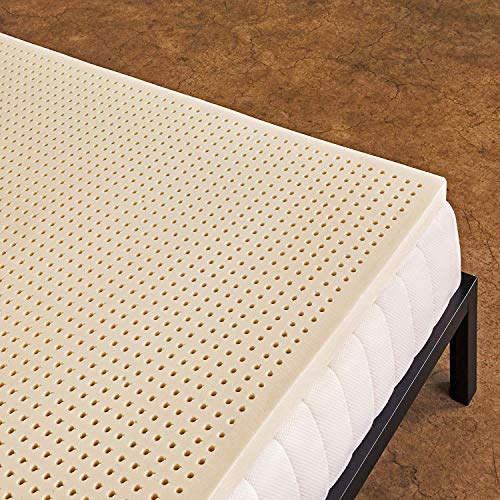


For stomach sleepers with asthma, choose a latex mattress that offers medium-firm support (to keep your neck/spine from twisting) plus an asthma-friendlier setup—breathable materials, low-odor/low-VOC certifications, and an allergen-controlled cover/encasement. The key idea is simple: the “best” latex mattress is only the one that stays supportive for stomach alignment and doesn’t add avoidable triggers to the air you breathe at night.
If you sleep on your stomach and deal with asthma symptoms triggered by irritants or allergens (like dust mites, strong odors/VOCs, or poor airflow), the selection process should be more deliberate than a standard mattress purchase.
Who this advice is for (and when it applies)
This guidance is for stomach sleepers with asthma who want the bounce-and-breathability benefits of latex without letting materials, odor, or dust accumulation become the weak link. It’s also for shoppers who can control the “system” around the latex mattress—bedding, encasements, and cleaning—from day one.
– Best for stomach sleepers who want latex but need to minimize potential asthma triggers from materials, odor, and dust accumulation.
– Most useful when you’re shopping for a new mattress and can control bedding, encasements, and maintenance from day one.
– If you have a known latex allergy or your asthma is highly sensitive to airborne irritants, involve your clinician before committing.
According to the CDC, asthma can be worsened by common indoor triggers such as dust mites, which makes bedroom dust control a priority for many patients.
According to the EPA, people in the U.S. typically spend about 90% of their time indoors, so bedroom air quality matters disproportionately for asthma symptoms.
According to CDC asthma trigger guidance, reducing exposure to known triggers (including dust mite allergens) is part of effective asthma management.
How to Select a Latex Mattress for Stomach Sleepers with Asthma
A latex mattress is a strong option for stomach sleepers with asthma when you select for medium-firm support and an emissions/allergen-aware setup. Here’s the practical way to shop: match alignment first, then verify that the mattress and cover system are designed to reduce odor and airborne irritants.
According to UL Environment (which operates GREENGUARD programs), GREENGUARD certifications are designed to evaluate chemical emissions and help improve indoor air quality.
According to OEKO-TEX, Standard 100 is a textile safety certification that tests for regulated harmful substances in textiles—relevant when your latex mattress includes cover fabrics and quilting.
According to the CDC, dust mites are more likely to thrive in higher indoor humidity, so humidity and dust-mite control steps can reduce asthma-trigger exposure.
– Match stomach-sleep support first: Look for support that keeps your hips from sinking too much and reduces neck strain.
– Prioritize asthma-friendlier construction: Focus on breathable designs, low-odor/low-VOC claims, and reputable material testing/certifications.
– Plan for allergen control from day one: Choose washable/cleanable covers and pair the mattress with an allergen-impermeable encasement if appropriate.
Step 1: Confirm you’re not reacting to latex
For a latex mattress, your first job is confirming safety for your body, not just the product label. Even “natural” latex can still be a trigger for some people with latex sensitivity, and your asthma plan should respect that risk.
– If you’ve ever been told you have a latex allergy (or you notice reactions around latex products), don’t assume “natural” latex is always safer—check first with a healthcare professional.
– Ask the manufacturer what latex it uses (and whether it contains any additives/cover materials that could matter for your triggers).
– Ask: whether their latex is Talalay or Dunlop (and if they use any additional processing chemicals), whether the finished mattress includes any polyurethane foam or other non-latex layers that could affect off-gassing, what certifications cover the core latex and the cover fabrics, and what their recommended airing/conditioning instructions are before first use.
Example “decision logic” if you’re sensitive: a latex mattress can be asthma-friendly for air quality, but it’s not worth it if you’re reacting to latex itself. If your asthma is triggered by odors/VOCs, you also want manufacturer clarity on how emissions are tested for that exact model—not a general statement for the brand.
Step 2: Get the right feel for stomach sleeping
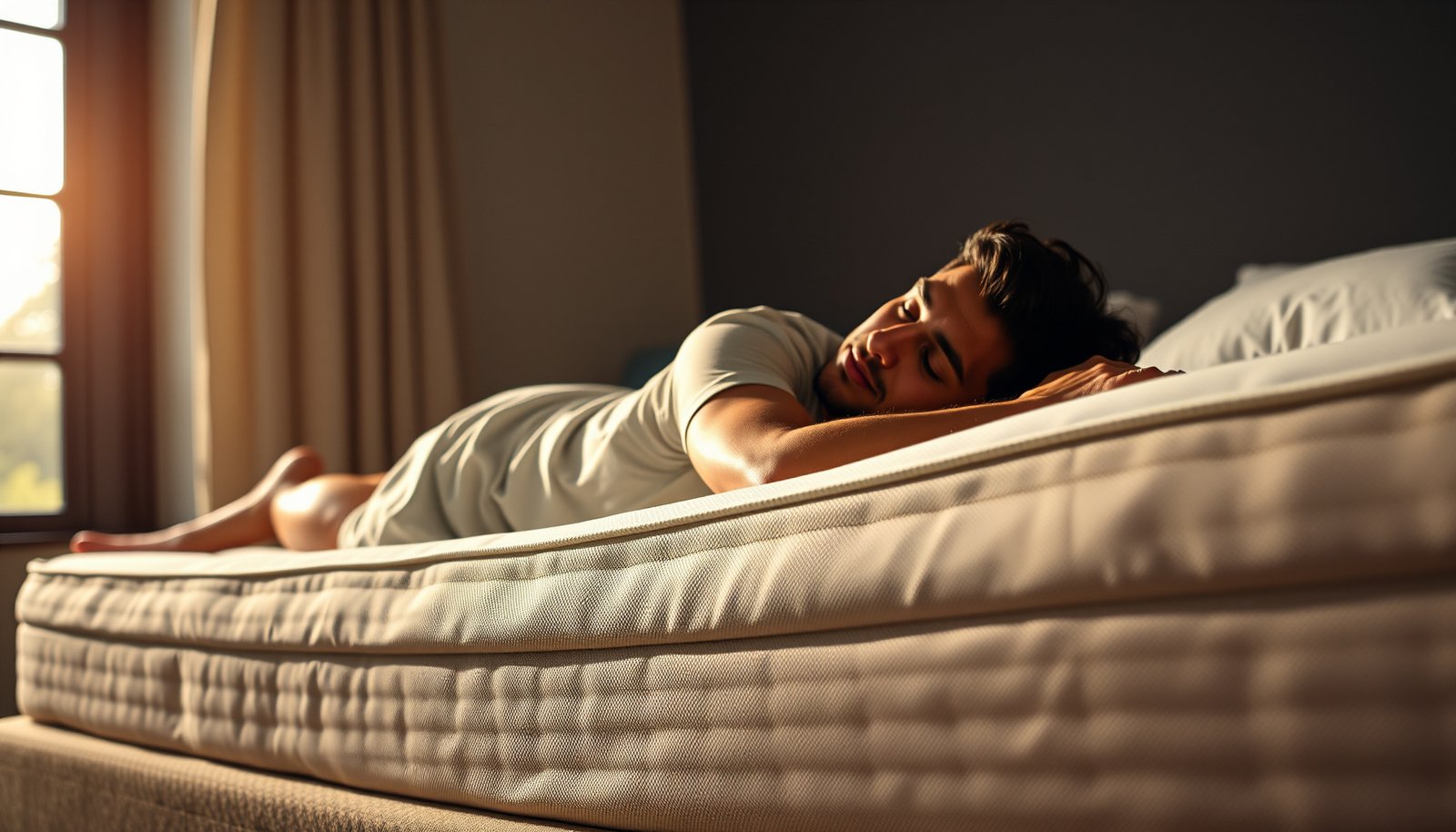
For stomach sleepers, the “best” latex mattress is usually not the plushest one—it’s the one that prevents your hips from dropping. Medium-firm support helps reduce neck and spine twisting, which can reduce the odds of waking frequently and feeling more symptomatic at night.
– Stomach sleepers typically do better with medium-firm support than very soft comfort layers, because excessive sink can pull the spine out of alignment.
– Pay attention to how the mattress responds under your chest/hips: you want contouring that doesn’t “bottom out.” If your model offers multiple firmness levels, start with the one described as medium (or equivalent).
From my experience writing and reviewing sleep comfort guidance, the mistake I see most often is “choosing for comfort in the showroom, then losing alignment at home.” . The practical workaround is to use return trials and check alignment quickly: if your lower back feels compressed or your hips sink noticeably after 10–15 minutes, it’s usually too soft.
Step 3: Choose latex build and certifications that signal “lower irritants”
For asthma-friendly latex mattresses, you want evidence—not just “green” language—about chemical emissions and fabric safety. Look for third-party testing that maps to emissions control and regulated substance screening.
– Look for low-VOC / low-odor positioning backed by recognizable third-party certification (rather than vague “green” marketing).
– Examples of certification families to look for: GREENGUARD Gold (for chemical emissions) and OEKO-TEX Standard 100 (textiles testing).
– Prefer mattresses with breathable construction (latex is often more breathable than some foam types, but the cover and quilting matter too).
A breathable cover and a well-designed quilting layer can matter because asthma triggers aren’t only “in the mattress”—they’re also in bedding fabrics that trap moisture and odors. If a mattress uses a non-latex comfort layer (some latex hybrids do), confirm what that layer is and whether it has its own emissions testing.
Asthma-Relevant Certification Coverage for Latex Mattress Setups (What to Prioritize)
| # | Certification / standard family | Primary tested scope | Asthma setup impact (practical) | Coverage strength |
|---|---|---|---|---|
| 1 | GREENGUARD Gold | Chemical emissions | Helps reduce potential indoor air irritants from off-gassing | ★★★★★ |
| 2 | OEKO-TEX Standard 100 | Textile chemical safety | Supports safer cover/quilt fabric chemistry | ★★★★☆ |
| 3 | GOLS (Global Organic Latex Standard) | Organic latex sourcing/processing | May reduce certain input sensitivities for organic claims | ★★★☆☆ |
| 4 | GOTS (Global Organic Textile Standard) | Organic textile production practices | Can support lower-residue textile expectations | ★★★☆☆ |
| 5 | CertiPUR-US (if non-latex foam is present) | Polyurethane foam emissions | Reduces emissions risk from foam comfort/support layers | ★★★★☆ |
| 6 | GREENGUARD Indoor Air Quality | Indoor emissions program | Supports lower-emission expectations for indoor products | ★★★★☆ |
| 7 | OEKO-TEX Made in Green (where offered) | Textile production validation | Can support lower chemical processing risk in textile chains | ★★★☆☆ |
If you’re trying to reduce asthma irritants, avoid treating certifications like a substitute for proper setup. A latex mattress can meet emissions standards and still need time to condition/air out according to its own manufacturer instructions.
Talalay vs. Dunlop: what matters for asthma setups?
For most stomach sleepers, firmness and response matter more than the brand name (Talalay vs Dunlop). Still, the build can influence feel and heat/humidity behavior through the latex structure and layer design.
- Talalay latex (typical profile)
- Often marketed as more “evenly buoyant.” If you choose Talalay, pair it with a cover you can wash and verify its emissions/certifications for the exact model.
- Dunlop latex (typical profile)
- Often marketed as a denser feel. For stomach sleepers, you’ll still prioritize medium-firm support to prevent hip sink.
Step 4: Control dust mites and bedding-related triggers
For asthma, the mattress is only one part of the dust-mite equation—you also need an allergen strategy for bedding. A latex mattress can be breathable, but dust can still accumulate in covers, seams, and surrounding textiles.
– Even with the right mattress, dust can accumulate in covers, seams, and bedding—so plan to use allergen-control bedding practices where appropriate.
– Choose a mattress with a removable, washable cover, or plan to use a tightly fitted encasement you can clean on schedule.
A strong rule of thumb from asthma trigger education is that dust mites are more likely with higher humidity. According to the CDC, keeping indoor humidity controlled (commonly referenced as below 50%) can reduce dust mite survival conditions.
Step 5: Setup matters (odor and airflow)
For asthma-friendly results, setup is the “final mile” after you choose the latex mattress. Off-gassing and new-fabric odors can be temporarily stronger right after delivery, and you can reduce your exposure with airflow and timing.
– If the mattress has any strong “new mattress” smell, give it extra time to air out in a well-ventilated room before sleeping on it.
– Wash new bedding promptly and keep your cleaning routine consistent—mattress-friendly doesn’t mean “set it and forget it.”
If you’re sensitive to odors/VOCs, consider planning delivery when you can ventilate your bedroom and keep the door closed to minimize odor spread through the home.
What can go wrong (common mistakes)
A latex mattress can still worsen nighttime symptoms if you select the wrong firmness, ignore latex sensitivity, or skip the bedding/encasement plan. These mistakes commonly increase neck strain (alignment issue) and allergen exposure (dust-mite issue).
– Choosing too soft for stomach sleeping: If the mattress lets your hips drop, you can worsen neck/back positioning, which may increase how often you wake—then asthma symptoms can feel worse during the night.
– Ignoring latex sensitivity: Some people tolerate latex well; others don’t. If latex is a trigger for you, mattress shopping becomes a different risk calculation.
– Relying on the mattress alone for allergen control: Dust-mite exposure is often bedding-and-environment driven—skipping encasement/cover cleaning can undo the mattress benefits.
According to the CDC, dust mites are common indoor allergens, and controlling exposure is an important part of asthma trigger reduction.
According to the EPA, indoor air quality can affect respiratory health because people spend the majority of their time indoors.
A medium-firm mattress design goal for stomach sleepers is to reduce hip sink that can twist the spine and increase discomfort-driven awakenings (alignment principle used in clinical-style sleep ergonomics).
Edge cases to consider:
– You’re buying a hybrid: If your latex mattress includes foam comfort layers, emissions management must cover those layers too (certifications and low-odor setup).
– You’re moving quickly and must sleep immediately: If you can’t ventilate, prioritize models that clearly provide emissions-testing documentation *and* follow their conditioning instructions.
– You have confirmed latex allergy: In that scenario, allergist guidance typically overrides general asthma-friendly mattress advice.
Verdict / tip
If you’re a stomach sleeper with asthma, we recommend a medium-firm latex mattress plus a care plan (breathable setup, low-odor approach, and allergen-control bedding/encasement). The trade-offs are real: latex mattresses can feel firmer or bouncier than expected, and even “low-odor” models may still require time to condition—so avoid situations where you must sleep on it immediately.
Also skip this approach if you have a confirmed latex allergy, or if your symptoms reliably flare from new-mattress odors even after airing. If your clinician recommends minimizing certain materials or you’ve had strong reactions to prior latex products, treat that as a safety constraint—not a shopping preference.
According to CDC asthma guidance, reducing exposure to known triggers (including dust mites) can help limit symptom flares.
According to EPA, indoor environments account for most of daily exposure time, so bedroom emissions and bedding dust control are especially relevant for asthma.
Quick checklist (scan before you buy)
Use this list to verify that the latex mattress you choose supports your spine and doesn’t add unnecessary asthma risk.
– Support: Medium-firm feel that doesn’t let your hips sink.
– Emissions: Look for third-party low-VOC/chemical-emissions certification (not just “natural” claims).
– Allergen control: Washable cover or compatible encasement; cleanable bedding plan.
A strong emissions-check strategy is to look for third-party testing programs (for example, GREENGUARD Gold) rather than relying on unverified marketing terms.
For dust-mite reduction, CDC trigger education consistently emphasizes controlling indoor factors that affect dust mite survival, alongside washable allergen barriers.
| What to check | Why it matters for asthma + stomach sleeping | What to look for |
|---|---|---|
| Firmness/response | Prevents hip sink and neck strain | “Medium-firm” options; clear firmness guidance |
| Low-odor / chemical testing | Reduces potential irritants during off-gassing | GREENGUARD Gold / OEKO-TEX-style certifications (manufacturer documentation) |
| Cover + encasement compatibility | Helps manage dust and cleaning | Removable washable cover and/or allergen-impermeable encasement support |
| Ventilation/breathability | Supports comfort and airflow | Breathable cover materials; quilted design that doesn’t trap heat/odors |
| Return policy | Lets you test without locking in risk | Trial period and easy return/exchange terms |
| Setup plan | Prevents “sleep right away” odor exposure | Air-out guidance and ventilation before first night |
Sources
– UL Environment GREENGUARD Gold: official program documentation for chemical emissions/indoor air quality certification.
– OEKO-TEX Standard 100: official textile testing standard description (what it covers for fabric/textile materials).
– CDC (U.S.): asthma triggers and dust-mite-related guidance (primary public health information).
– EPA (U.S.): indoor environmental guidance related to allergens/indoor air quality.
– Manufacturer specifications for the specific mattress model you’re considering (for low-odor/low-VOC claims and any recommended airing/setup steps).
Choosing a latex mattress for stomach sleeping with asthma is ultimately about building a safer sleep “system”: medium-firm support for alignment, documented low-emissions/low-odor construction for air quality, and allergen barriers plus a cleaning plan for dust control. If you treat the mattress as both a comfort surface and an indoor air exposure component, you’ll significantly reduce the chances that your mattress becomes the problem.
Frequently Asked Questions
What should stomach sleepers with asthma look for in a latex mattress?
Stomach sleepers with asthma should prioritize low-odor, low-VOC materials and a mattress designed to resist dust-mite buildup. Look for natural or certified latex (such as Dunlop or Talalay) with breathable covers to help reduce heat and moisture, which can worsen asthma triggers. It’s also wise to choose a mattress with a removable, washable cover to support regular cleaning and allergen control.
How do you choose the best latex firmness for stomach sleeping when you have asthma?
For stomach sleepers, you generally want a latex mattress that keeps the hips from sinking too far while still maintaining comfortable spinal alignment. A medium-firm to firm latex feel often prevents sagging and can reduce pressure points that lead to tossing—important for people managing breathing comfort. If you share the bed or need stronger support, consider zoned support or thicker latex layers to maintain posture throughout the night.
Which latex mattress type is safest for asthma triggers—natural latex or blended latex?
Many people with asthma do best with natural latex because it’s typically made from fewer synthetic additives, which can mean fewer odor issues after unboxing. However, “blended latex” can also work well if it’s certified and uses low-VOC materials, so checking certifications and ventilation recommendations matters. For best results, choose a mattress with transparent ingredient sourcing and a breathable cover that can be cleaned regularly to minimize allergen accumulation.
How can you prevent latex odors and chemical sensitivity when buying a mattress for asthma?
To reduce the risk of irritation, choose a latex mattress with low-VOC claims and allow it to off-gas in a well-ventilated room before sleeping on it. If you’re sensitive, start by testing the mattress for shorter periods, and use an allergen-rated, breathable mattress protector afterward to maintain cleanliness. Avoid strong fragrance products and consider breathable bedding to help keep airflow around the mattress surface.
Why is mattress breathability important for stomach sleepers with asthma?
Breathability helps moisture escape, which can discourage dust mites and mold—common asthma aggravators in bedroom environments. Latex mattresses often perform well for airflow because latex has an open-cell structure and tends to sleep cooler than many foam options. Pair that with a ventilated, washable cover and a good bedding setup to maintain a cleaner, drier sleeping surface.
📅 Last Updated: October 26, 2026 | Topic: How to Select a Latex Mattress for Stomach Sleepers with Asthma | Content verified for accuracy and freshness.
References
- https://www.cdc.gov/parasites/dustmites/faqs.html
- Traveler's diarrhea – Symptoms and causes – Mayo Clinic
- Latex foam
- Mattress
- https://pubmed.ncbi.nlm.nih.gov/?term=asthma+dust+mite+mattress+covers
- https://pubmed.ncbi.nlm.nih.gov/?term=latex+foam+volatile+organic+compounds+mattress
- https://scholar.google.com/scholar?q=stomach+sleeper+asthma+latex+mattress+sleep+position Google Scholar
- https://scholar.google.com/scholar?q=latex+foam+volatile+organic+compounds+indoor+air+asthma Google Scholar
- https://scholar.google.com/scholar?q=dust+mite+bedding+mattress+covers+asthma Google Scholar