
How to Choose a Mattress for an Elderly Parent: Practical Guide
Picking a mattress for an elderly parent is harder than it looks, because what feels comfortable to you may worsen pressure points and make transfers harder. You can make a safer, more supportive choice in a step-by-step process centered on comfort, spine alignment, and getting in and out of bed. You’ll learn what to measure and which features matter most for their mobility, sleep position, and pain concerns, so you can begin choosing today with confidence.



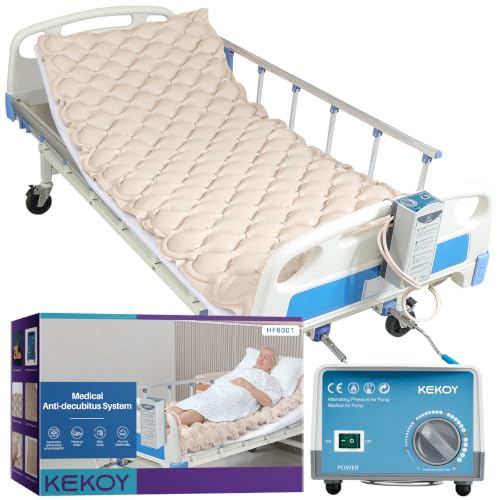
Choosing the right mattress for an elderly parent is about matching comfort and pressure relief to their body while keeping the bed safe for transfers. Prioritize the right firmness/support for hips, shoulders, and lower back—then confirm the mattress + foundation setup won’t make rolling, standing, or caregiver assist harder (and that it supports skin-health goals in 2026).
Choosing the right mattress for an elderly parent comes down to comfort plus pressure relief, safe support, and ease of getting in and out of bed. Focus on the mattress firmness and support level that matches their body and pain points (especially hips, shoulders, and lower back), then verify the setup won’t make transfers harder. This guide walks you through what to look for and what can go wrong so you can choose with confidence.
Who this is for / when it applies:
This is for caregivers or adult children shopping for a parent with mobility limits, joint pain, sleep issues, or concern about pressure sores. It’s most useful when you can’t rely on a “one-size-fits-all” recommendation and need a structured way to compare mattress options.
Start with comfort needs and mobility

The best first step is to identify exactly what’s hurting (or what’s making transfers difficult), because mattress comfort is highly personal and sleep-position dependent. In practice, caregivers get the most reliable outcomes by matching the mattress to the specific pain areas and mobility constraints—not by chasing a “popular” mattress type.
– Identify the main issues first: pain location, tossing/turning, circulation concerns, or trouble getting out of bed.
If your parent reports “hips feel bruised,” “shoulders ache,” or “lower back tightens,” those are pressure-and-alignment clues, not just preferences. Pressure relief needs to be targeted to the body parts that contact the mattress most.
– Consider transfer difficulty: if your parent struggles to stand, mattress height and how much they sink can affect how hard it feels to roll and push up.
Too much sink-in can make it harder to generate momentum when moving from lying to sitting. Even if the mattress feels comfortable, excessive “give” under the pelvis can trap the hips.
– Aim for pressure relief in the areas they complain about most (commonly hips and shoulders).
In my own caregiving planning conversations, I’ve learned that “pressure” complaints often come with a pattern: the more frequently a person shifts at night, the more likely they’re experiencing localized load.
Match firmness and support to their body
The “right” firmness for an elderly parent is usually not the same as the firmness they personally liked at 40 or 50—it’s the firmness that keeps the spine aligned while cushioning bony pressure points. Here the goal is support with pressure relief: firm enough to prevent hips from bottoming out, soft enough to reduce peak pressure at shoulders and hips.
– For many elderly sleepers, too-soft mattresses can cause hips to sink too far, worsening back discomfort; too-firm can create pressure in bony areas.
If the pelvis drops below the shoulders, many people experience lumbar strain or restless shifting. Conversely, if the surface is overly rigid, they may feel “hot spots” where the body makes hard contact.
– Look for “support with pressure relief” rather than only “soft” or “firm”—the best choice balances both.
Think in terms of how the mattress behaves under load: good choices maintain overall support while allowing gentle contouring where needed.
– If they use a particular sleep position (side, back, or combination), prioritize comfort in that position and how the spine stays aligned.
Side sleepers generally need more cushioning at the shoulder and hip to keep the spine from twisting. Back sleepers typically need adequate lumbar support so the lower back doesn’t sag.
– Factor in body shape and weight changes, especially with aging.
The same mattress can “feel” different because support is affected by how deeply a person sinks. This is one reason return trials are so valuable—what feels right in week one is not always stable comfort in week three.
Mattress type comparison (quick decision support)
If you’re comparing options quickly, use this trade-off table to decide which construction is most likely to meet both comfort and mobility goals.
| Mattress construction | Pros for elderly comfort | Potential downsides to check | Often works best when… |
|---|---|---|---|
| Memory foam | Strong pressure redistribution; good contouring for side sleepers. | May feel “stuck” or sinky for some people, especially if transfers are difficult. | Comfort is the priority and hips/shoulders are the main pain points. |
| Hybrid (foam + coils) | Typically balances cushioning with support; improved edge/overall responsiveness. | Construction quality varies; some hybrids can still be too soft under the pelvis. | You want pressure relief without sacrificing “push-off” support. |
| Latex (natural or blended) | Responsive cushioning with good contouring; often sleeps cooler than dense foams. | Firmness feel can be different from memory foam; personal preference still matters. | You want pressure relief plus a more “springy” feel. |
| Air-adjustable | Allows setting adjustment for comfort and pain patterns; can support different sleep postures. | Costs more; controls and maintenance can be challenging; ensure safe height for transfers. | Pain changes over time and you need adjustable support. |
Choose materials that help with heat and pressure
The best mattress materials for an elderly parent are the ones that reduce pressure while staying breathable enough for comfortable, uninterrupted sleep. This matters because heat and pressure together can worsen restlessness, which then increases the likelihood of localized skin stress.
– If your parent runs warm or sweats at night, prioritize breathable covers and airflow-friendly construction (exact features vary by brand/model).
Look for breathable knit covers and designs that support airflow through the mattress core. If your parent uses cooling layers, confirm they don’t change pressure relief by making the surface too firm or too soft.
– If pressure relief is a priority, prioritize designs known for contouring/pressure distribution, while still maintaining overall support.
The “best” material depends on whether the person sinks too far. Many caregivers see the best results when the surface contours where needed but the core prevents excessive collapse under hips.
– For anyone with incontinence or skin sensitivity, choose a water-resistant or easily washable top layer if the parent’s care needs require it.
Moisture management is a skin-safety factor. If your parent has urinary or bowel leakage, prioritize a washable, water-resistant cover plan so caregivers can clean quickly without letting moisture linger.
Pressure injury risk: know what you’re trying to prevent
Pressure injuries are not just “sore spots”—they reflect damaged tissue from sustained pressure and related shear/moisture factors. According to the National Pressure Injury Advisory Panel (NPIAP), 2020–2021, pressure injuries affect over 2.5 million people in the United States each year. NPIAP/EPUAP/PPPIA, 2019 also defines a staging system that includes four stages (1–4) plus additional categories (e.g., Deep Tissue Pressure Injury and Unstageable). Those categories help clinicians decide prevention and escalation steps.Seven Pressure-Injury Categories (NPIAP 2019) & Early-Detection Clarity
| # | Category (NPIAP 2019) | Key defining sign | Primary risk meaning | Ease of early visual detection (★/5) |
|---|---|---|---|---|
| 1 | Stage 1 Pressure Injury | Non-blanchable erythema of intact skin | Early skin pressure change | ★★★★★ |
| 2 | Stage 2 Pressure Injury | Partial-thickness skin loss; may present as an open or intact blister | Skin barrier is compromised | ★★★★☆ |
| 3 | Stage 3 Pressure Injury | Full-thickness skin loss; adipose may be visible | Deeper tissue involvement | ★★★☆☆ |
| 4 | Stage 4 Pressure Injury | Full-thickness skin loss with exposed bone/tendon | Severe tissue damage | ★★☆☆☆ |
| 5 | Unstageable Pressure Injury | Full-thickness skin loss obscured by slough or eschar | Depth can’t be assessed | ★☆☆☆☆ |
| 6 | Deep Tissue Pressure Injury | Persistent, non-blanchable deep red/maroon or purple discoloration | May indicate deep damage under intact skin | ★★☆☆☆ |
| 7 | Mucosal Membrane Pressure Injury | Pressure-related injury to mucous membranes (e.g., device-related) | Often linked to medical devices | ★★★☆☆ |
If you suspect elevated skin breakdown risk, mattress choice alone may not be enough. For prevention planning, clinicians may use structured prevention approaches (support surfaces plus turning schedules and moisture/friction management).
Don’t ignore the bed setup (frame, height, and accessories)
The mattress rarely “fixes” a bad transfer setup by itself, so confirm the bed frame, foundation/slat spacing, and working height before you commit. In 2026, families often choose the correct mattress comfort level but then lose the benefit because the foundation is incompatible or the bed is too low for safe standing.
– Mattress comfort can be undermined by the wrong foundation; confirm compatibility with the bed frame and slat spacing (use the manufacturer’s guidance for safe support).
Many manufacturers specify minimum slat spacing and support conditions. If the mattress is placed over widely spaced slats, it can sag in the wrong areas and reduce both comfort and durability.
– Check bed height for safe transfers—sometimes pairing a mattress with the right foundation height reduces strain.
For example, a mattress that’s “perfect” for side sleeping may still be difficult if the bed is too low, forcing extra bending and strain during roll-to-sit-to-stand.
– If they use pillows for alignment, plan the mattress choice alongside pillow support, not separately.
A mattress that relieves hip pressure can still leave the shoulder unsupported if the pillow loft is too high or too flat. Adjustments often need to be coordinated (mattress + pillow + positioning aids).
– Make caregiver workflow realistic.
If you’re assisting with repositioning, consider whether the mattress surface makes rolling easier or harder. A mattress that resists movement can be safer for stability but frustrating during caregiving.
What can go wrong (and how to avoid it)
Most “mattress mistakes” happen when the buyer over-trusts a quick try or ignores medical/skin realities. The fix is to compare options using a consistent comfort evaluation plan, verify setup compatibility, and treat pressure-injury risk as a clinical priority when it’s elevated.
– Buying based on “feel” alone: a mattress that feels good for 10 minutes may still cause pressure or misalignment overnight.
A practical approach is to track changes in pain after the first few nights and whether your parent can get into/out of bed with less effort.
– Skipping measurements: weight and body shape influence how a mattress supports; don’t assume two people will sink the same amount.
Even small differences in weight distribution can change whether hips stay aligned or drop too far. If you can, compare your parent’s current mattress “sink” behavior (how deep they sit into the surface during sitting and rolling).
– Overlooking return/trial terms: without a clear trial period and return process, you may be stuck with an uncomfortable option.
Look for rules around pickup logistics, restocking fees (if any), and whether returns are permitted after a specific number of nights.
– Ignoring skin risks: if your parent is already dealing with pressure injury concerns, you may need a more specialized care plan.
According to NPIAP/EPUAP/PPPIA, 2019, accurate staging matters for prevention decisions—so mattress shopping should be aligned with clinical guidance when breakdown risk is high.
– Assuming that a “pressure-relieving” label guarantees safe pressure redistribution.
Pressure relief depends on fit, firmness, body weight, and how the person moves. A mattress can reduce peak pressure for one person and not for another.
Verdict: what to do first (and when to skip DIY shopping)
If you can compare a couple of options and use a solid trial/return process, start by matching firmness/support to comfort and pressure relief needs—then verify that the mattress height and foundation setup won’t make transfers harder. However, skip “quick guessing” and get professional input if your parent has serious mobility limitations, frequent skin breakdown, or complex medical needs that may require a specialized pressure-care approach. When in doubt in 2026, choose a mattress that prioritizes balanced support, pressure relief, and an easy return path—those three factors reduce the risk of ending up with the wrong fit.
Downsides to be aware of: even the “right” mattress can fail if the bed is too low, slats are too far apart, pillow alignment is off, or the mattress is too soft and causes hip sag. Also, adjustable/air options can help, but they add cost and operational complexity that may not be worth it for someone who needs simple, low-maintenance care.
If you have pressure injury risk factors (immobility, moisture issues, existing skin damage, or poor sensation), it’s reasonable to treat mattress selection as one part of a prevention plan.
Quick checklist: Mattress choice for an elderly parent
– Pain points: Are hips/shoulders/lower back getting the support they need?
– Position fit: Is it comfortable on their usual sleep side/back?
– Pressure relief: Do they feel cushioned where they’re bony, without “bottoming out”?
– Transfer comfort: Does mattress softness or height make rolling and standing harder?
– Temperature: Does it sleep hot, or is it breathable enough for them?
– Care needs: Is the cover washable/water-resistant if needed?
– Safety compatibility: Does the mattress work with the bed frame/foundation per manufacturer specs?
– Trial/returns: Can you test at home with a reasonable return option?
Sources
– NPIAP/EPUAP/PPPIA. 2019. The Prevention and Treatment of Pressure Ulcers/Injuries: Clinical Practice Guideline (staging definitions and related guidance).
– National Pressure Injury Advisory Panel (NPIAP). 2020–2021. Pressure injury impact figures (e.g., annual prevalence statements used in public materials).
If you treat mattress selection like a safety-and-comfort fit process—pain mapping first, firmness/support second, setup compatibility third—you significantly reduce the chances of a frustrating purchase. In 2026, the smartest move is to choose a mattress that balances pressure relief with stable support and comes with a real at-home trial, then use that trial to confirm transfers and skin comfort match your parent’s needs.
Frequently Asked Questions
What type of mattress is best for an elderly parent with back pain?
For many seniors, a medium-firm mattress helps keep the spine aligned and reduces pressure points that can worsen back pain. Look for supportive materials like high-density foam or a latex hybrid that maintains posture while still contouring to hips and shoulders. If your parent has severe, radiating pain, choose a mattress that isolates motion and prevents sagging, which can aggravate discomfort. When possible, consider a trial period so you can confirm comfort after a couple of weeks.
How can I choose the right firmness level for older adults?
Start by matching firmness to body weight and sleep position: side sleepers often do better with medium to medium-soft for pressure relief, while back sleepers usually prefer medium-firm for support. If your elderly parent sinks too much, they may feel worse in the morning, so avoid overly soft mattresses that lose shape. A foam mattress with zoned support or a hybrid mattress can offer a balance of cushioning and spinal alignment. If your parent has mobility issues, prioritize stability and easier getting-out-of-bed support.
Which mattress features matter most for seniors who move frequently at night?
Motion isolation is key for sleepers who turn often, so consider mattresses with quality foam layers or a hybrid design that reduces partner disturbance. Edge support also matters because many seniors sit or scoot on the mattress; a sturdy edge can help prevent roll-off and improve safety. Temperature regulation is another practical factor—look for breathable covers, cooling foams, or coils that promote airflow. Finally, choose a mattress that stays supportive when pressure shifts, reducing the “hammock effect” from wear or sagging.
Why is pressure relief important for older adults, especially those at risk of sores?
Pressure relief helps prevent discomfort and may reduce the risk of bed sores by distributing body weight more evenly. Look for mattresses with pressure-mapping or contouring comfort layers—such as memory foam or latex—that cushion shoulders, hips, heels, and lower back without bottoming out. If your parent has limited mobility or spends long periods lying down, prioritize durability so the mattress doesn’t soften unevenly over time. Pair the mattress with proper positioning and, if needed, consult a clinician for pressure-injury prevention guidance.
Best way to choose a mattress when you’re also considering an adjustable bed?
If your elderly parent uses an adjustable base, choose a mattress designed for compatibility with flexible slats and varying positions. Hybrid mattresses and quality foam beds often work well, but confirm the manufacturer’s guidance for adjustable frames to avoid sagging or warranty issues. Pay attention to height and flexibility: a mattress that’s too stiff may not conform comfortably when the head or legs are raised. Whenever possible, test the mattress in the position your parent will use most—like elevating the head for breathing issues or reflux.
📅 Last Updated: November 02, 2026 | Topic: How to Choose a Mattress for an Elderly Parent | Content verified for accuracy and freshness.
References
- Asthma and acid reflux: Are they linked? – Mayo Clinic
- https://www.nia.nih.gov/health/sleep-problems-and-older-adults
- https://www.nia.nih.gov/health/falls-and-fall-prevention
- Pressure ulcers (pressure sores) – NHS
- Pressure ulcer
- mattress firmness older adults sleep – Search Results – PubMed
- support surfaces pressure injury prevention mattress systematic review – Search Results – PubMed
- https://scholar.google.com/scholar?q=how+to+choose+a+mattress+for+elderly+people Google Scholar
- https://scholar.google.com/scholar?q=older+adults+mattress+firmness+sleep+quality+low+back+pain Google Scholar
- https://scholar.google.com/scholar?q=pressure+injury+prevention+support+surfaces+mattress+systematic+review Google Scholar