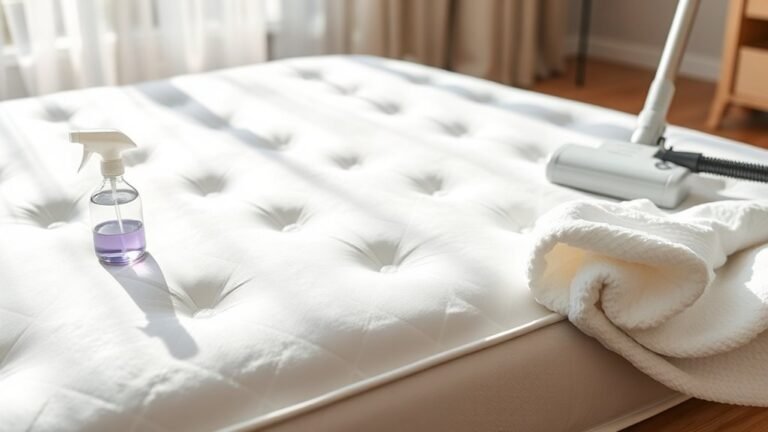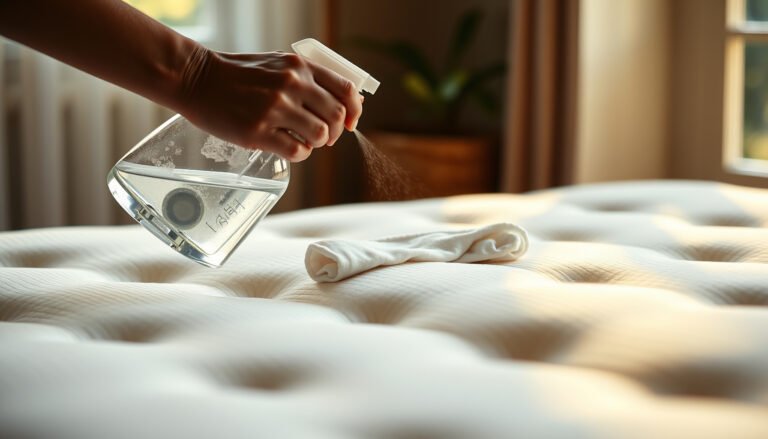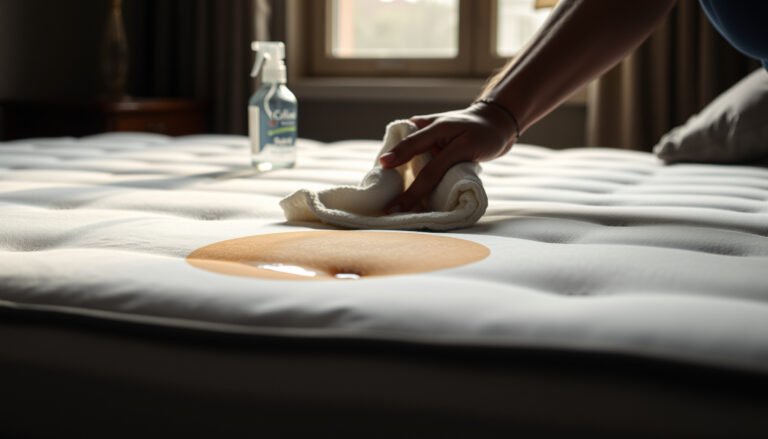
How to Protect a Wool Mattress from Dust Mites in Vacation Homes
Protecting a wool mattress from dust mites in a vacation home starts with one decisive move: sealed, washable encasements plus a tight cleaning routine between stays. If you want fewer mite triggers without damaging the wool, this is the most reliable strategy—far more effective than relying on occasional airing alone. Read on for the exact steps to keep your mattress allergen-resistant year after year, even with irregular use.



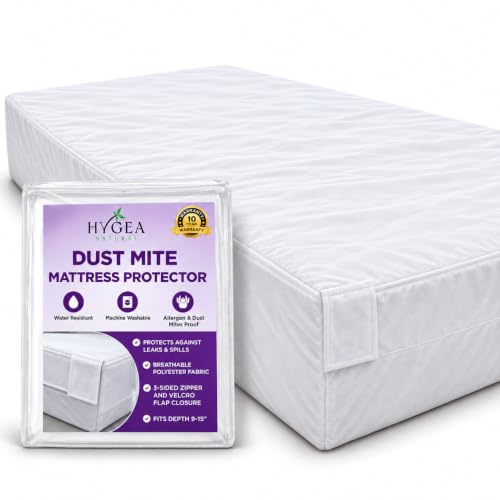
Protect your wool mattress from dust mites by installing a fully zipped, allergen-proof mattress encasement and keeping the bed environment dry between stays. In vacation homes, this “seal + moisture control” approach typically matters more than washing the mattress often, because wool care is usually limited and dust mites grow best when humidity stays high.
This advice is best for vacation rentals, second homes, or guest rooms that sit unused for stretches of time and then get used intensively by different guests. It’s also a good fit if you want a low-effort setup that reduces allergens without relying on repeated hot-washes of the mattress itself.
Seal the wool mattress with an allergen-proof encasement

The fastest way to reduce dust-mite exposure in a wool mattress is to block allergens from entering and escaping using a true allergen-proof encasement. The key is full coverage with a fully zipped closure, because any gap becomes a pathway for dust and mite allergen accumulation inside the mattress.
An allergen-proof mattress encasement is designed to act as a physical barrier that prevents dust-mite allergens from reaching sleepers.
A fully zipped closure reduces the chances of gaps where allergens can settle between the encasement and mattress surface.
– Choose an allergen barrier mattress encasement with a fully zipped closure so dust and debris can’t easily collect inside.
Look for wording that clearly indicates it is intended to block allergens (not just “dust-resistant”). In allergen-control programs, encasements are considered an “engineering control” because they physically isolate the sleeping surface from environmental dust.
– Make sure it fits your mattress height (depth) so the cover stays smooth and doesn’t leave gaps at the edges.
Wool mattresses often have profiles that vary (pillow-top, quilted tops, natural loft). If the encasement is too short, the mattress top and sides can pull the cover upward, creating edges where dust migrates. A proper fit helps the zipper line stay aligned and reduces micro-gaps that can form during guest occupancy.
– Keep the encasement on year-round, not just during guest stays, since dust mites don’t “pause” while nobody is sleeping there.
Dust mites and their allergens are driven by indoor conditions and continuous exposure to dust; they’re not seasonal in the way people assume. As of 2026, CDC allergy-prevention guidance still emphasizes ongoing allergen reduction, not short-term “treatment windows.” CDC
What I’ve learned operationally (so this actually works in a rental): the barrier fails most often when a turnover is rushed—zip closures get left partly open. A quick “zip integrity check” at the end of each turnover (and before a guest arrives) is one of the most cost-effective fixes.
Reduce humidity and control indoor moisture
The best environmental lever after sealing is to keep the vacation home dry, because dust mites thrive when relative humidity is elevated. If you can control moisture when the home is empty, you reduce the conditions that let dust-mite populations build up—even if you never touch the wool mattress again.
Dust mites are strongly influenced by indoor humidity; keeping humidity lower makes conditions less favorable for dust mites.
Ventilation and dehumidification are practical tools for maintaining a drier environment in spaces that go unused between bookings.
– Aim for consistently lower humidity in the vacation home—dust mites do better when the air is moist.
A commonly cited threshold in allergen-management programs is that dust mites do better at higher relative humidity; many recommendations target indoor RH below about 50% for meaningful suppression. U.S. EPA
– Use dehumidification/ventilation when the home is empty, especially in basements, coastal climates, or any rooms prone to dampness.
In rental properties, the empty weeks matter. While guests are there, bedding and body moisture can increase humidity; but when the home sits, condensation and lingering dampness can still accumulate in corners, closets, and under-bed airflow paths. For a wool mattress, the goal is not just dryness on the surface—it’s lowering the ambient moisture that supports dust mites over time.
– If you can, avoid storing damp items near the bed (wet towels, unsealed bedding bundles, or anything that off-gasses moisture).
Wool can tolerate normal living conditions, but it doesn’t benefit from prolonged damp storage. Damp textiles can elevate local humidity and increase the time it takes the area around the wool mattress to return to baseline. That “extra drying time” indirectly supports the dust-mite ecosystem.
Evidence-Based Levers to Reduce Dust-Mite Exposure in Wool Vacation Homes
| # | Control lever | Moisture / setup target | Ongoing maintenance | Allergen-impact rating |
|---|---|---|---|---|
| 1 | Fully zipped allergen-proof mattress encasement | Always sealed | Check zipper after each turnover | ★★★★★ |
| 2 | Humidity control (target RH below ~50%) | Lower RH | Run dehumidifier when vacant | ★★★★☆ |
| 3 | Ventilation during vacancy | Reduce indoor dampness | Use when outdoor air is drier | ★★★☆☆ |
| 4 | HEPA-filtered vacuuming between stays | Capture fine dust | Vacuum surface via encasement | ★★★☆☆ |
| 5 | Clean linens at recommended hot-wash temps | ≥130°F / 54°C when allowed | Every guest stay | ★★★★☆ |
| 6 | Wool-safe spot care (non-overwet) | Avoid excess water | Only when needed | ★★☆☆☆ |
| 7 | Hot-washing or steam-cleaning the wool mattress (when label forbids) | Risk of shrink/deform | Avoid as a routine | ★☆☆☆☆ |
Note: The hot-wash/steam row is included because some owners try it to “solve allergens fast.” But if the wool mattress label doesn’t permit it, the downside (material damage and prolonged drying time) can outweigh allergen benefits.
Refresh the mattress between stays (without aggressive wool care)
The quickest between-guest routine is to vacuum the sleeping surface through the encasement and always put fresh, properly washed linens on top. This limits allergen carryover without repeatedly stressing the wool structure.
Between stays, vacuuming reduces dust accumulation, especially in seams and corners where particles settle.
Using freshly washed linens is a practical way to reduce what guests bring onto the mattress surface.
– Vacuum the mattress surface (through the encasement, if you’re using one) using a vacuum with good filtration; focus on seams and corners where dust settles.
Dust doesn’t just “land” on the surface; it also concentrates in stitching lines, edges, and creases. A vacuum with strong filtration (often described as HEPA in allergen programs) helps prevent re-aerosolization during cleanup. U.S. EPA
– Re-make the bed with clean, freshly washed linens, and consider laundering at temperatures your care labels allow.
CDC guidance for dust-mite allergen reduction frequently includes laundering bedding in hot water of at least 130°F / 54°C when fabrics can tolerate it. CDC If linens can’t go that hot, follow the fabric label and still prioritize complete drying.
– If you rotate guest usage or change rooms, rotate sleeping surfaces when feasible so the mattress isn’t always exposed to the same dust/debris pattern.
In multi-room setups, small workflow changes can reduce repeated exposure of one specific wool mattress to the same micro-environment (like a sun-facing room that dries slower or a closet-adjacent corner).
Clean and care for wool safely (so you don’t damage it)
The safest cleaning principle for a wool mattress is: only clean as approved by the manufacturer, and avoid over-wetting. Dust control comes mainly from sealing, humidity control, and careful turnover—wool care is support, not the primary allergen strategy.
Wool can be damaged by incorrect cleaning methods, including excessive water and heat, so label instructions govern safe care.
Avoiding over-wetting helps prevent extended damp conditions that can worsen dust-mite-friendly humidity in the surrounding area.
– Follow the wool mattress care instructions on the label; wool can shrink, stiffen, or deform if cleaned the wrong way.
Wool fibers respond to water, agitation, and temperature. Even when the goal is allergen reduction, aggressive cleaning that changes the mattress shape can also create new creases—potential dust traps—on a wool mattress.
– For non-machine-cleanable wool areas, use spot cleaning methods appropriate for the fabric (use a gentle approach first, and test in an inconspicuous area).
Spot cleaning is often more compatible with wool because it limits how much of the mattress has to dry. If you don’t know whether a cleaner is safe, test carefully in a hidden area and let it fully dry before judging results.
– Don’t over-wet the mattress—excess moisture can raise humidity around the sleeping surface and create a longer “drying” period.
This is where “trying too hard” becomes counterproductive. Over-wetting may reduce surface dust temporarily, but the longer drying time can push the local humidity curve the wrong direction—especially in basements or poorly ventilated vacation rooms.
Pros/cons: wool-mattress cleaning approach in rentals
| Approach | Pros | Cons | Best fit |
|---|---|---|---|
| Barrier + between-stay vacuuming (through encasement) | Low disruption; reduces dust accumulation without soaking wool | Doesn’t “sanitize” the wool itself | Vacation rentals needing repeatability |
| Spot cleaning only when stains happen | Preserves wool integrity by limiting water exposure | Allergens aren’t removed from deeper layers | Owners with strict care-label compliance |
| Steam/hot-washing when label forbids | Can seem like a fast fix | High risk of shrink/deform + longer moisture presence | **Avoid** for most wool mattresses unless explicitly approved |
What can go wrong (and how to avoid it)
The most common failure is treating the wool mattress like it can be “deep cleaned” the same way as synthetic bedding. In practice, dust-mite control depends on maintaining an intact barrier and a drier environment—not on risky cleaning routines.
Even a small gap in an encasement can allow dust and allergens to enter the mattress interior over time.
If an allergen-proof cover is torn or left unzipped, its barrier effect is largely defeated.
– Gaps in the cover: Even a small opening or loose fit can let dust and allergens build up inside the mattress.
Treat encasement integrity like you treat fire safety seals: check it every turnover and whenever a guest rearranges the bedding.
– Replacing encasements too late: If the cover becomes torn or unzipped during cleaning, you can lose the dust-mite barrier effect.
If you can’t confirm it’s fully sealed, don’t assume it’s still working. Replace promptly once wear or damage is visible.
– Over-reliance on “airing out”: Ventilation helps, but it doesn’t replace allergen blocking if dust is still getting into the mattress.
Ventilation changes moisture levels and odor, but it doesn’t prevent particulate entry when the encasement isn’t properly sealed.
– Moisture traps: Some plastic or poorly vented coverings can feel “tight” but may worsen humidity issues if your space is already damp.
If your vacation home is in a consistently humid region, focus on humidity control in the room—not just surface coverage.
– Unsafe wool cleaning: Washing or steam methods that aren’t approved by the mattress label can permanently alter wool.
Damage can reduce airflow within the wool layers and create permanent texture changes that trap dust.
Verdict: Use an allergen-proof encasement + manage moisture (skip if you can’t maintain it)
For vacation homes, the most reliable protection for a wool mattress comes from a fully sealed allergen-proof encasement plus consistent humidity control between stays. The downside is that the system only works if the barrier stays intact—if you can’t keep the encasement zipped, undamaged, and the room from getting damp, you may be better served by switching to a mattress that’s explicitly designed for more frequent laundering/cleaning.
CDC-aligned allergen reduction strategies prioritize environmental controls (like reducing humidity and blocking allergen exposure) rather than frequent mattress soaking.
In damp conditions, moisture management can have a bigger impact on dust-mite activity than surface-only cleaning.
Quick checklist (save or screenshot)
| Task | How often | Goal |
|---|---|---|
| Keep allergen-proof encasement fully zipped and intact | Every guest turnover + ongoing | Block dust-mite allergens from settling inside |
| Vacuum the mattress surface (through the encasement if used) | Between guest stays | Reduce surface dust and debris |
| Use ventilation/dehumidification when the home is empty | Ongoing as needed | Lower humidity where dust mites thrive |
| Re-make with freshly washed linens | Every stay | Prevent bringing allergens onto the bed |
| Follow wool care label for any spot cleaning | As needed | Clean safely without shrinking or damaging wool |
Sources
– CDC (Centers for Disease Control and Prevention) — Dust mites and allergen-control guidance (official CDC education on dust mites/allergens).
– U.S. EPA (Environmental Protection Agency) — General dust mite reduction and cleaning principles (official EPA guidance).
– Manufacturer care labels/specifications for wool bedding or mattresses — For allowed cleaning methods, spot-cleaning guidance, and any restrictions (use the exact label/instructions that came with your mattress).
Keeping dust mites out of a wool mattress in a vacation home comes down to two actions: seal the mattress with an allergen-proof encasement and control humidity so the environment stays unfavorable. Then refresh between stays with gentle cleaning and clean linens. If you want, reply with your mattress depth and what region/climate your vacation home is in, and I’ll suggest a simple, repeatable turnover routine that matches your wool mattress label.
Frequently Asked Questions
What’s the best way to protect a wool mattress from dust mites in a vacation home?
Use a high-quality, breathable allergen-proof mattress encasement specifically designed for dust mites. Pair it with a regularly laundered, tightly fitted top protector so dust can’t reach the wool fibers. Vacuum the encasement surfaces with a HEPA vacuum before guests arrive to reduce dust buildup.
How do you keep dust mites away when the vacation home is unoccupied for long periods?
Seal the mattress in a dust-mite–proof encasement year-round, since gaps in coverage are where allergens accumulate. When you return, air out the room for 30–60 minutes, then vacuum the mattress surface and bed frame with HEPA filtration. Avoid removing and re-installing covers frequently, because uncovered wool can collect dust quickly.
Which bedding materials work best alongside a wool mattress to reduce dust mites?
Choose hypoallergenic, tightly woven sheets and pillowcases, and use a washable mattress protector that can be laundered on a hot cycle. Wash bedding regularly (at least every 1–2 weeks during use), using the hottest water temperature safe for the fabric. If the wool mattress is also covered by an encasement, keep the top layer breathable so moisture doesn’t get trapped.
Why is dust control especially important for wool mattresses during seasonal rentals?
Dust mites thrive on skin flakes and benefit from consistent indoor humidity, and wool mattresses can trap debris in fibers if they’re not fully protected. Seasonal rentals often have periods of vacancy followed by sudden guest turnovers, which increases dust exposure and allergen levels. With an encasement, HEPA vacuuming, and a strict wash routine, you can keep wool mattress dust mites under control between visits.
What’s the most effective cleaning routine to protect a wool mattress from dust mites without damaging it?
Spot clean only with manufacturer-approved methods, and rely on an encasement plus HEPA vacuuming as your primary “cleaning” steps. Vacuum the mattress surface and seams before guests arrive, focusing on areas where dust collects, then keep the encasement closed to prevent re-infestation. Wash removable bedding frequently at high heat when fabric allows, and replace the mattress protector/encasement if it becomes worn or loses its seal.
📅 Last Updated: October 27, 2026 | Topic: How to Protect a Wool Mattress from Dust Mites in a Vacation Home | Content verified for accuracy and freshness.
References
- House dust mite
- Dust mite allergy
- https://www.cdc.gov/parasites/dustmites/index.html
- https://www.mayoclinic.org/diseases-conditions/allergies/expert-answers/dust-mites-and-allergies/faq-20058302
- https://www.britannica.com/animal/dust-mite
- dust mite mattress encasement allergen avoidance – Search Results – PubMed
- https://www.sciencedirect.com/search?qs=dust%20mite%20mattress%20encasement%20allergen%20avoidance
- https://scholar.google.com/scholar?q=dust+mite+control+bedroom+encasements+mattress Google Scholar
- https://scholar.google.com/scholar?q=wool+bedding+dust+mite+allergen+penetration Google Scholar
- https://scholar.google.com/scholar?q=dust+mite+survival+on+fabrics+humidity+temperature+washing+heat Google Scholar