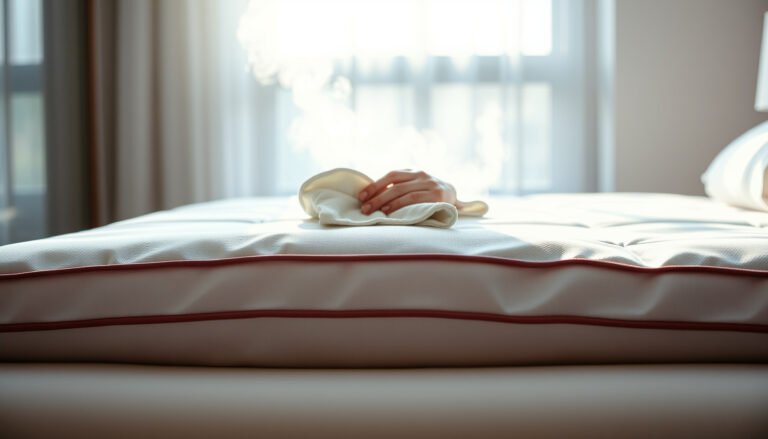
How to Clean a Pillow-Top Mattress with Coffee Stains: Step-by-Step
You can remove coffee stains from a pillow-top mattress safely and effectively with the right step-by-step cleaning method. This guide shows the exact sequence for blotting, spot-treating, and drying so the stain lifts without soaking the padding. Follow it correctly and you’ll get a visibly cleaner mattress surface with less risk of lingering odors or damage.




Blot the coffee stain first, then use a cool-water mild detergent dabbing method until the color lifts. If a brown tint remains, switch to an oxygen-based cleaner only if your mattress care tag allows it—then rinse/blot and dry completely to protect the pillow-top filling.
This guide is for you if the coffee seeped into a pillow-top layer (fabric cover, quilted padding, or foam beneath) and you want a safer approach that won’t leave the mattress damp or risk discoloration. If your mattress care tag says “dry clean only” or “do not use liquids,” follow that first.
Gather Supplies + Check the Care Label
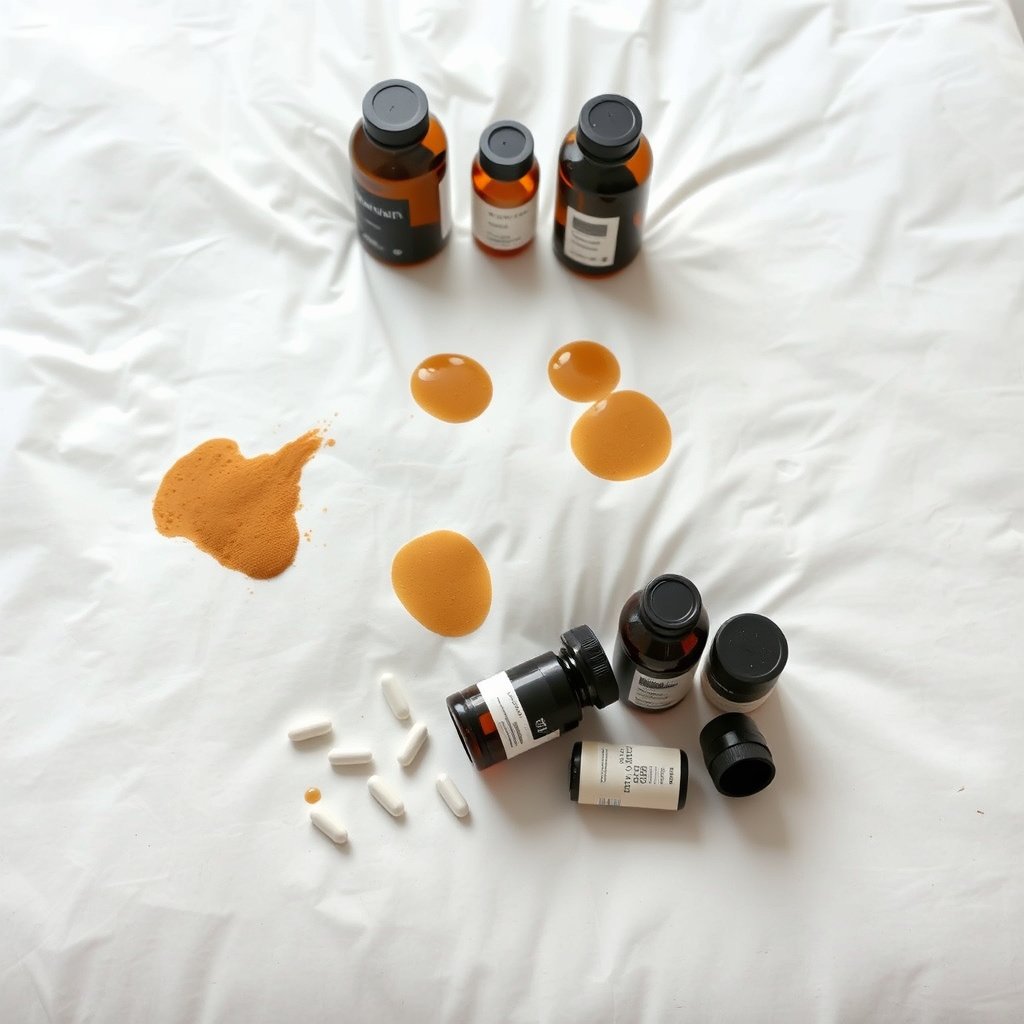
You’ll get the best results by confirming the care tag before any cleaner touches the pillow-top, because the wrong liquid can spread the stain or damage internal padding. Gather tools that support blotting and controlled moisture, not soaking.
“The safest first move for fabric upholstery stains is to follow the manufacturer’s care instructions for cleaning agents and liquid use.”
“Mold risk increases when materials stay damp; the CDC notes mold can start growing on damp materials within 24–48 hours.” CDC, “Mold and Dampness” (24–48 hour guidance)
“If a care label restricts liquid use, stick to that constraint rather than improvising with household cleaners.”
– Remove bedding and inspect the coffee stain area (is it fresh or dried?).
– Look up the mattress care tag instructions before using any cleaner—especially anything about “no soaking” or “no bleach.”
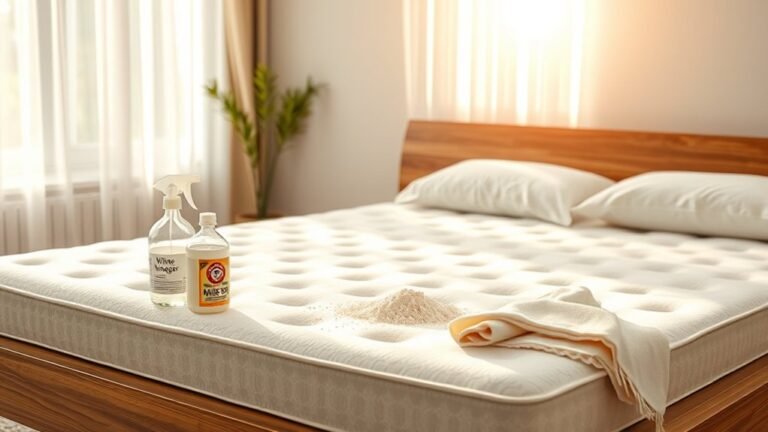
– Get a few essentials: clean white cloths/paper towels, cool water, mild dish detergent or upholstery detergent, and an oxygen-based cleaner you can apply per label.
Why this matters for a pillow-top: A pillow-top mattress isn’t just a removable cover—it’s a stack of materials (cover fabric, quilted padding, and sometimes foam or a comfort layer). That structure can trap moisture, so the care tag determines what liquids the internal layers can safely tolerate.
What to look for on the care tag (quick interpretation)
If you see wording like “dry clean only” or “spot clean only,” it usually implies a low-moisture approach (blotting and light dabbing). If the tag allows “water-based cleaning” or “mild detergent,” the cool-water detergent step below is typically the first choice. If it warns “no bleach,” skip chlorine products and move only to oxygen-based products when permitted.
Blot First (and Don’t Spread the Stain)
You’ll prevent the coffee from turning into a larger, darker “ring” by blotting immediately and staying away from rubbing. With coffee, the tannin pigments move easily when you agitate the fibers—so you’re aiming to remove liquid, not work it deeper.
“Rubbing a stain can spread contaminants and push pigments deeper into fabric.”
“Blotting absorbs liquid while minimizing fiber agitation, which helps limit stain migration across a quilted surface.”
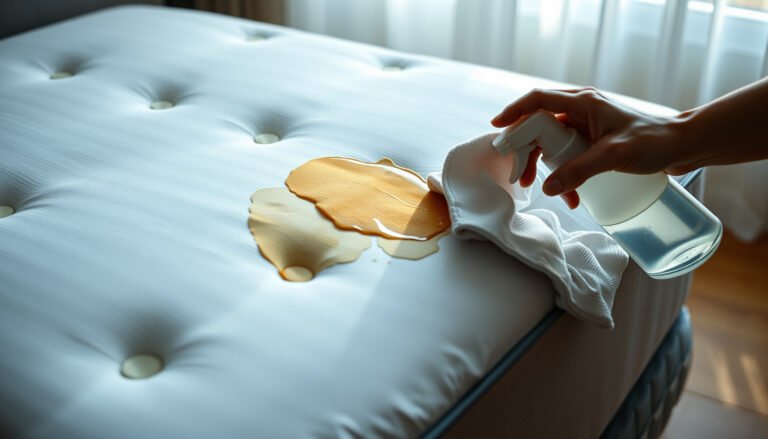
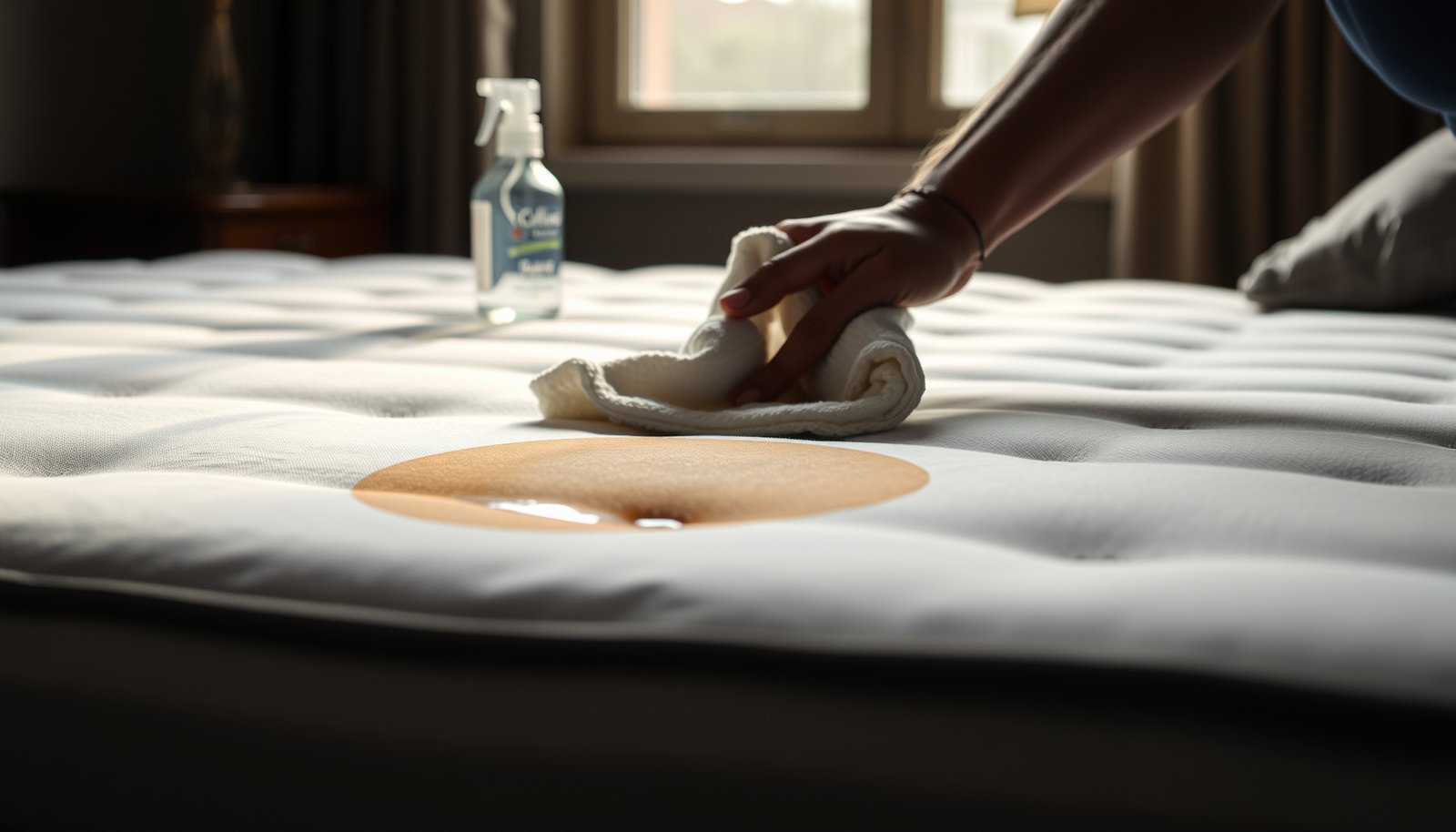
– Use a dry cloth/paper towel to blot outward from the center—don’t rub, because rubbing pushes tannins deeper into the pillow-top.
– If the stain is fresh, lightly dab cool water around the stained area to prevent a hard ring, then blot again.
– Work slowly and change to clean sections of cloth often so you’re not smearing the coffee back onto the mattress.
Technique that works on pillow-tops: Place the cloth directly over the spot and press gently with your palm for a few seconds, then lift. Repeat with fresh cloth sections. On quilted padding, this helps pull coffee from the surface channel created by stitching and stitching seams.
Fresh vs. dried coffee
– Fresh: You have a better chance of lifting pigment before it bonds more firmly to fibers. Blot promptly and keep moisture light.
– Dried: You may need more gentle detergent cycles, because pigment is already set deeper in the pillow-top materials.
Pre-Treat with Mild Detergent
You’ll lift most coffee color safely by pre-treating with a mild detergent mixed with cool water, applied via dabs—not soaking. This step is designed to reduce visible brown staining while keeping moisture exposure controlled in the pillow-top layer.
“Cool water is a common recommendation for stain pretreatment because it reduces the risk of setting many stains compared with hot water.”
“For layered textiles, applying cleaner by dabbing (dab-and-lift) limits soaking and helps prevent lingering dampness.”
“Oxygen-based cleaners are generally used for color-safe stain lifting when bleach is not allowed by the care tag.”
– Mix a small amount of mild detergent with cool water until it makes gentle suds (avoid strong/overly soapy mixes).
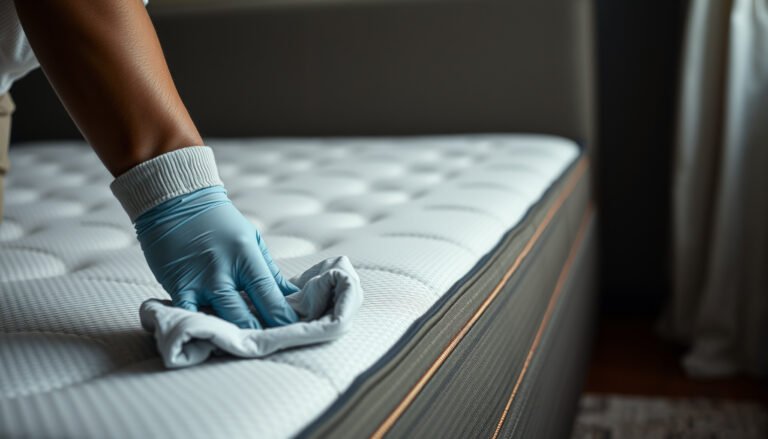
– Dab the suds onto the stain with a cloth, then blot—use a “dab and lift” motion instead of soaking the padding.
– Keep repeating until the visible coffee color lightens; if the stain doesn’t move, move to the oxygen-based step.
How to avoid “soap residue”
If the pillow-top feels slick or looks slightly dull after drying, that can mean residue is present. To prevent this, keep detergent concentration low, and pause between rounds to blot more aggressively with a water-damp (not wet) cloth later.
How many rounds?
Coffee embedded in a pillow-top often needs multiple gentle rounds. In my experience with troubleshooting tough textile stains (using the same principles of low-moisture dab-and-lift), the “breakthrough” usually appears after the second or third pre-treatment cycle—if the care tag allows water-based cleaning.
Lift Lingering Coffee Discoloration (Oxygen Cleaner)
You can often correct stubborn brown tint with an oxygen-based cleaner, but you should only use it when the mattress care label permits oxygen/bleach-type products. Oxygen-based formulas work as a color-safe oxidizer, targeting the pigments that remain after surface removal.
“Oxygen-based ‘color-safe’ cleaners are typically formulated to lift stains through oxidation rather than chlorine bleaching.”
“After using any cleaner, removing residue via blotting/rinsing helps protect fabric appearance and reduces residue-driven re-soiling.”
– Use an oxygen-based cleaner (often sold as “color-safe oxygen bleach”) only if your care label allows it.
– Apply according to the product label, then blot and rinse with a damp (not wet) cloth to remove residue.
– If the pillow-top still shows a brown tint, repeat once more after the area dries slightly—overworking a damp mattress layer can trap moisture.
Why “once more after it dries slightly” is important
A pillow-top acts like a sponge network. If you keep applying cleaner while the padding is still damp, you can redistribute pigment and create a longer drying timeline—raising odor risk and increasing the chance of mildew.
Spot test before full-area treatment
Even color-safe cleaners can shift dyes or finishes. Test in an inconspicuous seam or corner following label directions.
Dry Thoroughly to Prevent Odors or Mildew
You’ll protect the pillow-top filling by drying completely—because leaving moisture behind is what causes lingering odors and mildew risk. The safest approach is controlled airflow plus blotting after any rinse step.
“The CDC states mold can start to grow on damp materials within 24–48 hours.” CDC, “Mold and Dampness” (24–48 hour guidance)
“EPA guidance emphasizes moisture control to prevent mold; indoor humidity management is a key strategy.” U.S. Environmental Protection Agency (EPA), “Mold and Moisture” guidance
“In fabric and cleaning workflows, air movement and thorough drying are core measures to prevent moisture-related secondary problems.”
– Use airflow: a fan pointed toward the mattress is the safest general approach; rotate or move the fan as needed.
– Blot with a dry towel after rinsing steps to reduce lingering moisture, then keep drying until the surface and quilted area feel fully dry.
– Avoid putting sheets back on until the mattress is dry—especially if you treated more than the top fabric layer.
What “fully dry” feels like
– The surface should not feel cool or clammy.
– The quilted seams should feel dry to the touch.
– If you press a clean dry cloth against the area for a few seconds, it should come away without dampness.
What Can Go Wrong (And How to Avoid It)
You can prevent most cleaning failures by avoiding agitation (rubbing), avoiding soaking, and using only permitted chemicals. When pillow-top materials get over-wet, they hold moisture and the coffee tint can reappear as pigments migrate during drying.
“Rubbing can spread stain pigments and increase the likelihood of a larger, darker mark on textured fabrics.”
“Leaving fabric damp increases the risk of mold-related issues; CDC cites 24–48 hours as a window for growth on damp materials.” CDC, “Mold and Dampness”
– Rubbing instead of blotting: can spread the stain and force coffee deeper into the pillow-top.
– Soaking the mattress: can damage internal foam or cause lingering musty smells; pillow-tops are especially prone to staying damp.
– Using the wrong chemicals: chlorine bleach can discolor fabrics and may react unpredictably with mattress covers.
– Skipping a spot test: oxygen cleaners and peroxide-type products can lighten or alter some fabrics—test in an inconspicuous area first.
Blotting vs. scrubbing (why pillow-tops behave differently)
| Approach | What you’re doing to the pillow-top | Typical outcome on coffee stains |
|---|---|---|
| Blot (dab-and-lift) | Absorbs liquid without agitating fibers | Less spread; brown tint often lifts in stages |
| Scrub/rub | Agitates quilted fibers and drives pigment deeper | Wider ring; stain can look darker even after “cleaning” |
Verdict + Quick Checklist
If you want the most reliable approach for coffee stains on pillow-tops, start with blotting + cool-water mild detergent, then use an oxygen-based cleaner only when the care label permits. The trade-off is that pillow-top materials often need patience—multiple gentle rounds and full drying—so this isn’t a “one swipe and done” fix.
Moisture & Drying Benchmarks to Reduce Mold Risk (U.S. guidance)
| # | Moisture-control benchmark | Target / window | Primary source | Drying priority |
|---|---|---|---|---|
| 1 | Mold onset on damp materials | 24–48 hours | CDC | ★★★★★ |
| 2 | Recommended indoor humidity range | 30–50% RH | EPA | ★★★★☆ |
| 3 | Drying goal in water-damage mitigation | Complete drying within 48 hours | IICRC (S500) | ★★★★☆ |
| 4 | Why fans matter | Increases evaporation rate | Moisture-control best practice | ★★★☆☆ |
| 5 | Avoid re-covering while damp | Until dry to touch | Manufacturer-style guidance | ★★★★☆ |
| 6 | Why residue matters | Blot/rinse after cleaners | Upholstery methods | ★★★☆☆ |
| 7 | When coffee keeps returning | May have reached deeper layers | Textile logic | ★★☆☆☆ |
Quick checklist (save this):
| Step | Do this | Avoid |
|---|---|---|
| 1 | Blot outward with dry white cloth | Rubbing the stain |
| 2 | Treat with cool water + mild detergent, dab/blot | Hot water or heavy soaking |
| 3 | If needed, use oxygen cleaner per label | Chlorine bleach unless the tag explicitly allows it |
| 4 | Rinse/blot with damp cloth | Leaving cleaner residue |
| 5 | Dry completely with airflow | Putting bedding back on while damp |
Sources
– CDC, Mold and Dampness (guidance that mold can start growing on damp materials within 24–48 hours). https://www.cdc.gov/mold/
– U.S. Environmental Protection Agency (EPA), Mold and Moisture (humidity/moisture-control guidance to help prevent mold). https://www.epa.gov/mold
– IICRC, S500: Standard and Reference Guide for Professional Water Damage Restoration (drying principles and timelines used in water-damage mitigation).
– Oxygen-based “color-safe bleach” product labeling (application and rinse instructions for oxygen cleaners).
– Mattress care-tag instructions from major manufacturers (follow care limitations such as “do not use liquids” or “dry clean only”).
– IICRC S300 or equivalent upholstery/fabric cleaning standards (spot testing and cleaning method principles, if available for your context).
A coffee spill doesn’t have to become a permanent pillow-top stain. By prioritizing blotting, using cool-water mild detergent dabs, escalating to oxygen-based cleaning only when allowed by the care tag, and drying completely with airflow, you reduce both discoloration and moisture-related risks—so your mattress stays clean, safe, and ready for use.
Frequently Asked Questions
How do I remove coffee stains from a pillow-top mattress without damaging the foam?
Blot the coffee stain immediately with a clean, dry cloth, then dampen the area using cold water and blot again—don’t rub, since pillow-top cushioning can trap the stain deeper. Mix a small amount of mild dish soap with cold water, apply it to a cloth (not the mattress directly), and gently blot the spot until the color lifts. Rinse by blotting with a cloth lightly dampened with plain cold water, then dry thoroughly with fans or a dehumidifier to prevent odor and mildew.
What’s the best way to clean a pillow-top mattress if the coffee stain has dried?
Start by softening the dried coffee by lightly misting the stained area with cold water, then blot to loosen the residue. Use an enzyme cleaner designed for stains (or a mild soap solution) and apply it in small amounts, blotting frequently until the stain fades. After treatment, rinse carefully with a damp cloth and dry completely—pillow-top layers can stay damp longer than flat mattresses.
Why does coffee staining persist on pillow-top mattresses, and how can I stop it from spreading?
Coffee contains tannins that can bond with fabric and reach deeper mattress layers, especially in plush pillow-top covers. The most important step is to avoid scrubbing; friction pushes liquid and pigment into the upholstery. Use “blot, treat, blot” methods with cold water, and keep the cleaning area contained so the coffee stain doesn’t spread outward.
Which cleaning solution works safest for coffee stains on a pillow-top mattress cover?
For most pillow-top mattress covers, mild dish soap mixed with cold water is a safe starting point because it’s effective on many food and beverage stains. If the stain is stubborn or has a lingering smell, an oxygen-based cleaner or enzyme cleaner is often better than harsh chemicals. Always test any cleaner on a hidden section first, and avoid soaking the pillow-top—excess moisture can damage padding and delay drying.
How do I fully deodorize a pillow-top mattress after cleaning coffee stains?
After removing the stain, rinse by blotting with a cloth lightly dampened with plain water, then blot dry. Sprinkle baking soda over the cleaned area once it’s no longer wet and let it sit for several hours (or overnight) to absorb odors, then vacuum thoroughly. Make sure the mattress is completely dry before remaking the bed to prevent musty smells in the pillow-top layers.
📅 Last Updated: October 26, 2026 | Topic: How to Clean a Pillow-Top Mattress with Coffee Stains | Content verified for accuracy and freshness.
References
- Search | The American Cleaning Institute (ACI)
- https://www.cdc.gov/hygiene/cleaning/disinfecting.html
- Coffee
- Stain
- Tannin
- https://scholar.google.com/scholar?q=how+to+remove+coffee+stains+from+fabric+tannins Google Scholar
- https://scholar.google.com/scholar?q=coffee+stain+removal+vinegar+enzymes+study Google Scholar
- https://scholar.google.com/scholar?q=mattress+cleaning+care+spot+clean+drying+upholstery Google Scholar