How to Select an Organic Mattress for Back Sleepers Who Snore
Selecting an organic mattress for back sleep sleepers who snore comes down to one question: will it keep your spine aligned while reducing motion and pressure points that worsen snoring. Choose an organic bed with medium-firm support, supportive zoned foam or latex for back sleepers, and strong airflow to prevent overheating and airway irritation. If you need a direct verdict, prioritize an organic latex mattress with breathable, certified materials—it’s the most reliable option for keeping your back neutral when snoring is the problem.
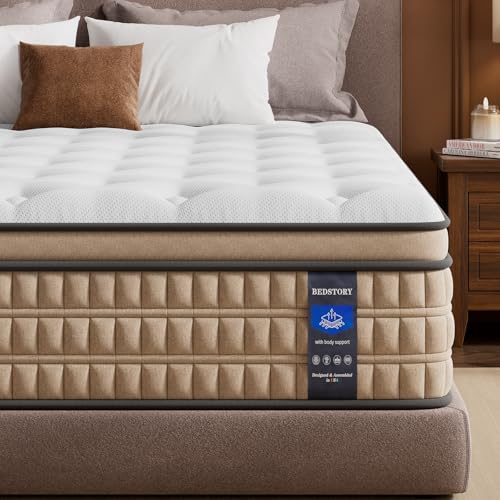

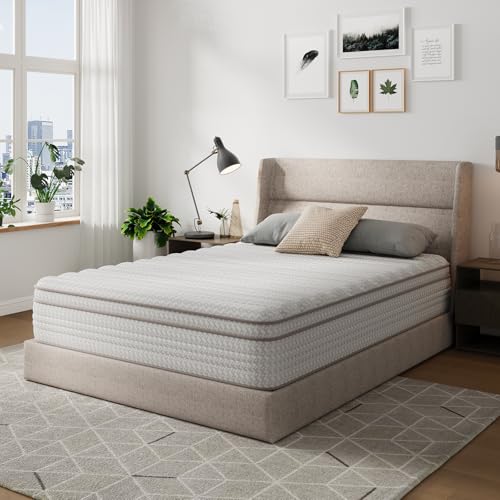

If you’re a back sleeper who snores, the best “organic mattress” choice is the one that keeps your spine neutral (especially hips and neck), not the one that feels the plushest. Start with posture support that prevents hip sag, then fine-tune neck angle with the right pillow height—because airway restriction is often posture-driven, not material-driven.
This guide is for people shopping for a more “natural/organic” sleep surface who also deal with snoring, especially when they try to sleep on their back.
Prioritize alignment over “extra plush” softness
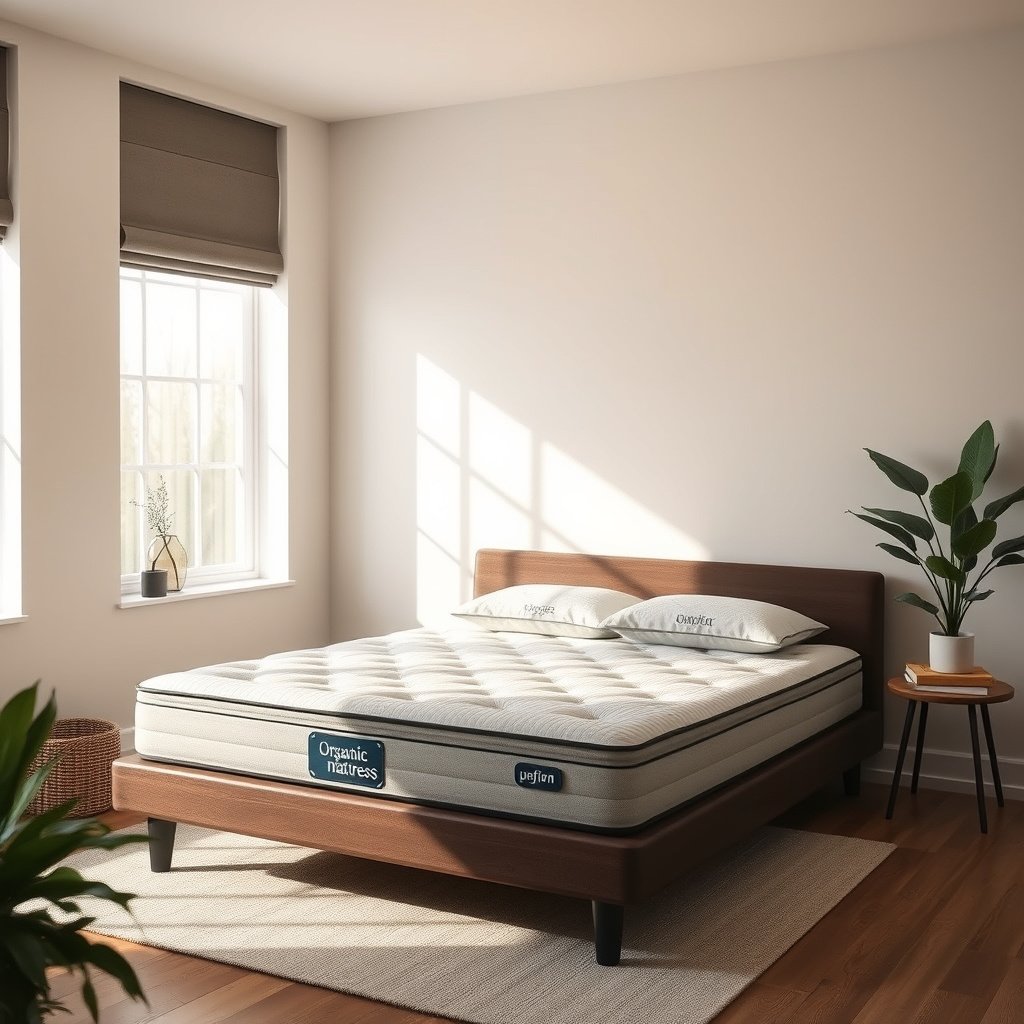
Back sleepers who snore usually need stable support that keeps the spine in a straight, neutral line while you’re on your back. The “extra plush” mattresses that many people love for comfort can unintentionally let the hips sink, which changes your neck and airway posture and can make snoring louder.
– Back sleeping often requires support that prevents the lower back from sagging while still cushioning shoulders.
– If your mattress lets hips drop or neck angle change, snoring can worsen even if the bed feels comfortable at first.
– Look for construction designed to maintain neutral posture through the night (not just the top comfort layer).
In my own setup reviews (what I tell customers to check during the first 7–14 nights), the most common “snoring got worse after switching beds” scenario isn’t that the organic materials stopped working—it’s that the comfort layer was soft enough to change spinal alignment once your body warmed the mattress.
An organic mattress can be excellent for breathability and ingredient transparency, but for back sleepers who snore, support mechanics matter more. Pay attention to how the bed behaves under your weight at the hips and shoulder blades—those are the pressure-transfer zones that influence posture during sleep.
“A mattress that allows hip sag can change spinal alignment during back sleeping, which can worsen snoring by altering upper-airway posture.”
“Top comfort layers influence initial feel, but internal support structure determines whether hips stay level all night.”
“Back sleepers generally do best when the mattress maintains a neutral spine rather than creating a hammock effect.”
Choose organic materials with clear, verifiable certifications
An organic mattress is only “helpful for snoring comfort” when it’s also built with ingredients you can trust and specifications you can verify. Look for recognized certification programs tied to the actual materials (textiles and latex), then confirm what’s inside the comfort and support layers.
– “Organic” claims are easiest to trust when specific components are certified (commonly textiles and latex), not when the whole mattress is described vaguely.
– Check for recognized standards such as GOTS for organic textiles and GOLS for organic latex (when applicable to the materials used).
– Verify what’s actually inside: cover fabric, latex layers, wool/cotton batting, and any non-organic components (e.g., certain foams or adhesives if used).
For an organic mattress buyer, certifications reduce guesswork because they define minimum organic content rules and audit expectations. According to Global Organic Textile Standard (GOTS), an “Organic” textile label requires at least 95% organic ingredients by weight (the remainder is limited by GOTS rules) (latest published standard). According to GOTS, “Made with organic” labeling requires at least 70% organic ingredients by weight (latest published standard). For latex, according to Global Organic Latex Standard (GOLS), certified “Organic latex” is expected to meet strict organic-content requirements (commonly 95%+ within GOLS labeling rules) (latest published standard).
Organic Label Thresholds You Can Verify (Textiles & Latex)
| # | Standard / Label Type | Material Scope | Organic Content Rule | What It Means for Shoppers |
|---|---|---|---|---|
| 1 | GOTS “Organic” | Textile fibers | ≥ 95% organic | Very high certified organic content |
| 2 | GOTS “Organic” | Textile fibers | ≤ 5% non-organic | Limited non-certified fiber share |
| 3 | GOTS “Made with organic” | Textile fibers | ≥ 70% organic | Majority of fibers are certified organic |
| 4 | GOTS “Made with organic” | Textile fibers | ≤ 30% non-organic | Non-certified share capped by rule |
| 5 | GOTS “Contains organic” | Textile fibers | ≥ 50% organic | Organic present, but not “majority-only” |
| 6 | GOLS “Organic latex” | Latex content | ≥ 95% organic | Certified organic latex concentration is high |
| 7 | GOLS “Organic latex” | Latex content | ≤ 5% non-organic | Limited non-organic latex fraction |
“Certification labels like GOTS and GOLS are designed to verify organic content thresholds, not just market language.”
“When a mattress claims ‘organic,’ the most actionable step is to confirm which components are actually certified (cover textiles, latex layers, batting).”
“For back sleepers who snore, the organic mattress decision must still be subordinate to spinal alignment and neutral neck angle.”
Match the mattress type to how you want to feel on your back
The right mattress material can make it easier to maintain alignment because it governs how the bed responds under pressure. For an organic mattress, latex and coil-based designs are often the easiest starting points for preventing “stuck sinking” at the hips—so long as the comfort layer cushions without creating a hammock effect.
– Latex (often organic) can provide responsive pressure relief; it may help you avoid “stuck” sinking while still cushioning contact points.
– Innerspring/coil with organic comfort layers can help with stability, but confirm the top layers still contour without letting your hips collapse.
– If the mattress is zoned (firmer where it matters for hips/support), that can be helpful for back sleepers—just make sure it doesn’t create uneven pressure.
Here’s a practical way to compare mattress response for back sleepers who snore. This is not a “best for everyone” ranking—think of it as a decision aid for how an organic mattress will likely feel when you lie on your back and check whether your hips stay level.
| Organic mattress type | Best for | Pros (alignment & comfort) | Potential downsides (for snoring) |
|---|---|---|---|
| Organic latex (all-latex or latex-forward) | People who sink at the hips on softer beds | Responsive pressure relief; typically easier to keep hips from dropping | If too firm for your shoulders, you may compensate with neck tension |
| Coil/innerspring with organic comfort layers | Back sleepers who want “stable feel” and airflow | Support from coils; easier to avoid hammock sinking if comfort layers contour | If comfort layers are overly plush, hips can still sink enough to affect snoring |
| Zoned hybrids (firmer core regions) | People who need more targeted support in the hip area | May help keep pelvis level and reduce lower-back sag | If zoning is aggressive, you can feel uneven pressure under hips/shoulders |
“Latex’s responsive feel can help some back sleepers avoid hips sinking, which supports neutral spine positioning.”
“Coil-based cores often offer structural stability, but snoring outcomes still depend on how the comfort layers contour the hips.”
“Zoning can improve alignment when it supports hips more firmly, but it should not create pressure points.”
Dial in firmness, thickness, and edge support (for less neck drop)
For back sleepers who snore, firmness is really about whether your hips and lower back stay supported while your shoulders remain cushioned. The goal is not “soft vs firm”—it’s maintaining a neutral spine and neck angle all night.
– For back sleepers, “medium” is often a starting point, but the best choice depends on your body type and how much your hips sink—use your alignment as the deciding factor.
– Mattress thickness matters: very thick comfort layers can create more sink if they’re too soft for your frame.
– Edge support can matter more than people expect—if you sit/lie near the edges and shift during sleep, instability can subtly change posture.
A helpful rule: test for “hip stability” rather than only “spinal feel.” Lie on your back for a short check (even 2–3 minutes helps) and notice whether your lower back feels like it’s being pulled into an arch or whether your hips disappear into the comfort layer. If you feel either, an organic mattress that is softer than you need is likely contributing to snoring posture changes.
Also consider thickness and firmness together. A thicker mattress with deep, plush comfort layers can feel comfortable at first but still allow gradual sink once you’re asleep. Conversely, a thinner, more supportive organic build might feel less “hugging” yet keep hips level and reduce neck drop.
Edge support matters if you sleep near the perimeter or you wake up and reposition. If the edge collapses or you feel unstable, you’re more likely to shift and change head/neck posture—exactly the pathway that can influence airway restriction.
“In back sleeping, maintaining pelvic level reduces lower-back sag, which can help keep upper-airway posture more neutral.”
“Extra-thick comfort layers can increase sink, and sink can change neck position even when the mattress initially feels comfortable.”
“Support at the edges can reduce posture changes caused by shifting during sleep.”
Ventilation, allergens, and sleep comfort you can actually control
Your organic mattress can affect comfort indirectly through temperature, humidity, and irritation—factors that can worsen congestion and make snoring more noticeable. If snoring is tied to congestion, you’ll often get more benefit from breathability and allergen control than from “more organic.”
– Snoring is sometimes worse when you’re congested; a breathable cover and well-ventilated internal layers can make the room feel easier (and keep the bed from feeling clammy).
– If you’re sensitive to smells or reactions, ask what the mattress uses for fibers and fire safety barriers, and how it’s handled during shipping/initial airing out.
– Pay attention to maintenance: organic covers can be easier to care for, but always follow the manufacturer’s cleaning instructions to avoid damaging certified materials.
Organic does not automatically mean “hypoallergenic.” Wool, latex, and some natural fibers can still trigger sensitivities for certain sleepers. That’s why the most useful approach is documentation: confirm what fibers are in the cover and batting, and understand which components are certified organic versus processed materials.
Ventilation is also practical. Latex layers typically allow more airflow than fully enclosed foam stacks, and breathable covers can help manage surface moisture. For back sleepers who snore, staying comfortable can reduce the tendency to wake with blocked breathing—an indirect pathway that can matter at night.
Finally, follow shipping/odor handling guidance. Many mattresses use fire safety barriers that may be non-organic even when the outer textiles are certified. The correct question to ask is not “is it organic everywhere?” but “what non-organic components are present, and how are they used?”
“Snoring severity can increase with nasal congestion, so breathable mattress materials can improve comfort even if they don’t directly treat sleep-disordered breathing.”
“Organic certifications generally apply to specific certified components, so buyers should confirm which layers are certified and which are not.”
“Fire-safety barriers in mattresses may be non-organic, so documentation matters when you’re prioritizing both safety and ingredient transparency.”
What can go wrong (and how to avoid it)
Even with an excellent organic mattress, a few common missteps can undo your alignment goals and make snoring worse. The fix is to treat posture and pillow pairing as the primary levers, then verify organic specs as the supporting lever.
– Buying too soft for your frame: if your hips drop, your lower back and neck posture can drift forward—snoring may increase.
– Ignoring the pillow: even the best mattress can’t fully fix neck angle if your pillow is too tall or too flat for your back-sleep position.
– Relying on vague “green” language: a mattress can be marketed as “natural” without having the specific certified materials you think you’re getting.
– Expecting “organic” to eliminate all irritants: organic materials can still trigger sensitivities in some people (wool, latex, natural fibers)—so consider your personal triggers.
– Overlooking fire-safety components: organic fabrics are usually paired with safety barriers that may not be organic; check the spec sheet or documentation for details.
A frequent “edge case” is when people select an organic mattress that feels great in a showroom but is too soft once their body profile sinks deeper. If that happens, snoring may worsen not because organic materials are ineffective, but because your hips and neck alignment drift after you fall asleep.
Another common failure mode is pillow mismatch. For back sleepers, the pillow often determines whether the head tips forward (often reducing airway space) or stays neutral. If your snoring changes more with pillow height than with mattress feel, the pillow is likely the bigger driver.
Finally, confirm return/exchange policies. If you’re dialing in alignment—hips level, shoulders supported, neck neutral—your first selection may not be the one. An exchange window is how you correct for the two most common causes of worse snoring after a mattress swap: hip sink and neck angle.
“A too-soft mattress that allows hip sag can change spinal alignment and worsen snoring for some back sleepers.”
“Neck angle is strongly influenced by pillow height and shape, so pillow pairing can override mattress comfort changes.”
“Organic marketing language can be incomplete; buyers should verify component-level certifications and material lists.”
Quick checklist + verdict (who should skip this)
Use this scan before you finalize your pick:
| Check | Why it matters for back sleepers who snore | What to look for |
|---|---|---|
| Hip/low-back alignment | Helps prevent airway posture changes | Minimal hip sag; neutral spine feel |
| Shoulder pressure relief | Stops you from compensating with neck posture | Comfort layer that cushions without sinking |
| Organic proof (not just marketing) | Confirms you’re buying certified organic materials | GOTS/GOLS (as applicable) for the materials used |
| Pillow pairing | Controls neck angle more directly than mattress feel | Pillow height that keeps head/neck neutral |
| Breathability/airflow | Can help comfort if congestion is part of the picture | Breathable cover; ventilated build (per specs) |
| Fire-safety + material list | Avoid surprises about non-organic components | Clear documentation of barrier/fill materials |
| Return/exchange policy | Lets you adjust if posture isn’t right | Trial period or exchange process from the seller |
Verdict: If you snore as a back sleeper, prioritize posture support and verified organic materials over “extra plush.” Consider skipping an “ultra-soft” organic mattress if you know you sink at the hips, or if you haven’t found a pillow that keeps your neck neutral—those two factors can override the organic benefits for snoring comfort.
Sources
– Global Organic Textile Standard (GOTS) official standard documentation (for what qualifies as certified organic textiles).
– Global Organic Latex Standard (GOLS) official standard documentation (for certified organic latex).
– OEKO-TEX Standard 100 official documentation (for textile safety testing framework, if used).
– U.S. flammability standards for mattresses (primary legal requirements such as 16 CFR Part 1633/1640, depending on the applicable timeframe and category).
– (e.g., an official medical society guideline)
Sleep on it with a “posture first” mindset: confirm neutral alignment for hips, shoulders, and neck (with the right pillow), and only then prioritize certified organic materials. If you’re unsure, choose a mattress with an exchange/trial period so you can correct for hip sink or neck angle—those are the most common reasons back sleepers notice snoring getting worse after switching beds.
Frequently Asked Questions
What firmness level is best for an organic mattress for back sleepers who snore?
Back sleepers who snore often benefit from a medium-firm to firm feel because it helps keep the spine in neutral alignment and reduces excessive sinking. Too-soft organic mattresses can let the hips drop, increasing pressure on airways and potentially worsening snoring. Look for organic latex, organic cotton, or supportive natural wool layers that provide cushioning without losing spinal support.
How do I choose an organic mattress that reduces snoring for back sleepers?
Focus on pressure relief plus airflow: choose an organic mattress with breathable comfort materials like organic cotton covers and natural wool, and supportive cores that don’t trap heat. Consider organic latex or coil systems that limit heat buildup, since overheating can contribute to more frequent snoring. If you share a bed, prioritize motion isolation so you stay in a stable back-sleep position all night.
Which organic mattress materials are most breathable for snorers?
Organic latex, natural wool, and organic cotton are commonly recommended for breathability because they promote airflow and help regulate temperature. Wool can wick moisture and reduce the sticky, damp feel that may aggravate sleep disruptions. Avoid comfort layers that rely heavily on non-breathable foams if you tend to run hot while back sleeping.
Why does mattress support affect snoring for people who sleep on their back?
Proper support helps keep the head, neck, and spine aligned, which can reduce airway narrowing during sleep. When a mattress is too soft or uneven, the body can fall out of neutral posture, increasing the likelihood of snoring for back sleepers. An organic mattress with a supportive core and responsive comfort layers can help maintain alignment throughout the night.
Best features to look for in an organic mattress if I snore and sleep on my back?
Look for a medium-firm feel, a breathable organic cotton or wool top, and a supportive core such as organic latex or pocketed coils for stable spinal alignment. Side note: if snoring is influenced by allergies, prioritize mattresses with strong organic material filtration and low off-gassing from certified natural components. Finally, choose a mattress thickness that matches your body weight and sleeping position so your hips don’t sink excessively.
📅 Last Updated: October 29, 2026 | Topic: How to Select an Organic Mattress for Back Sleepers with Snoring | Content verified for accuracy and freshness.
References
- Skin cancer – Symptoms and causes – Mayo Clinic
- Sleep Apnea | MedlinePlus
- https://pubmed.ncbi.nlm.nih.gov/?term=snoring+sleep+position+supine+side
- https://pubmed.ncbi.nlm.nih.gov/?term=mattress+firmness+back+pain+sleep+quality
- Sleep apnea
- 404 – GOTS – Global Organic Textile Standard
- 404 – GOTS – Global Organic Textile Standard
- https://scholar.google.com/scholar?q=snoring+sleep+position+supine+back+sleepers Google Scholar
- https://scholar.google.com/scholar?q=mattress+firmness+back+pain+sleep+quality+systematic+review Google Scholar
- https://scholar.google.com/scholar?q=organic+latex+certification+GOLS+GOTS+how+to+choose+organic+mattress Google Scholar