
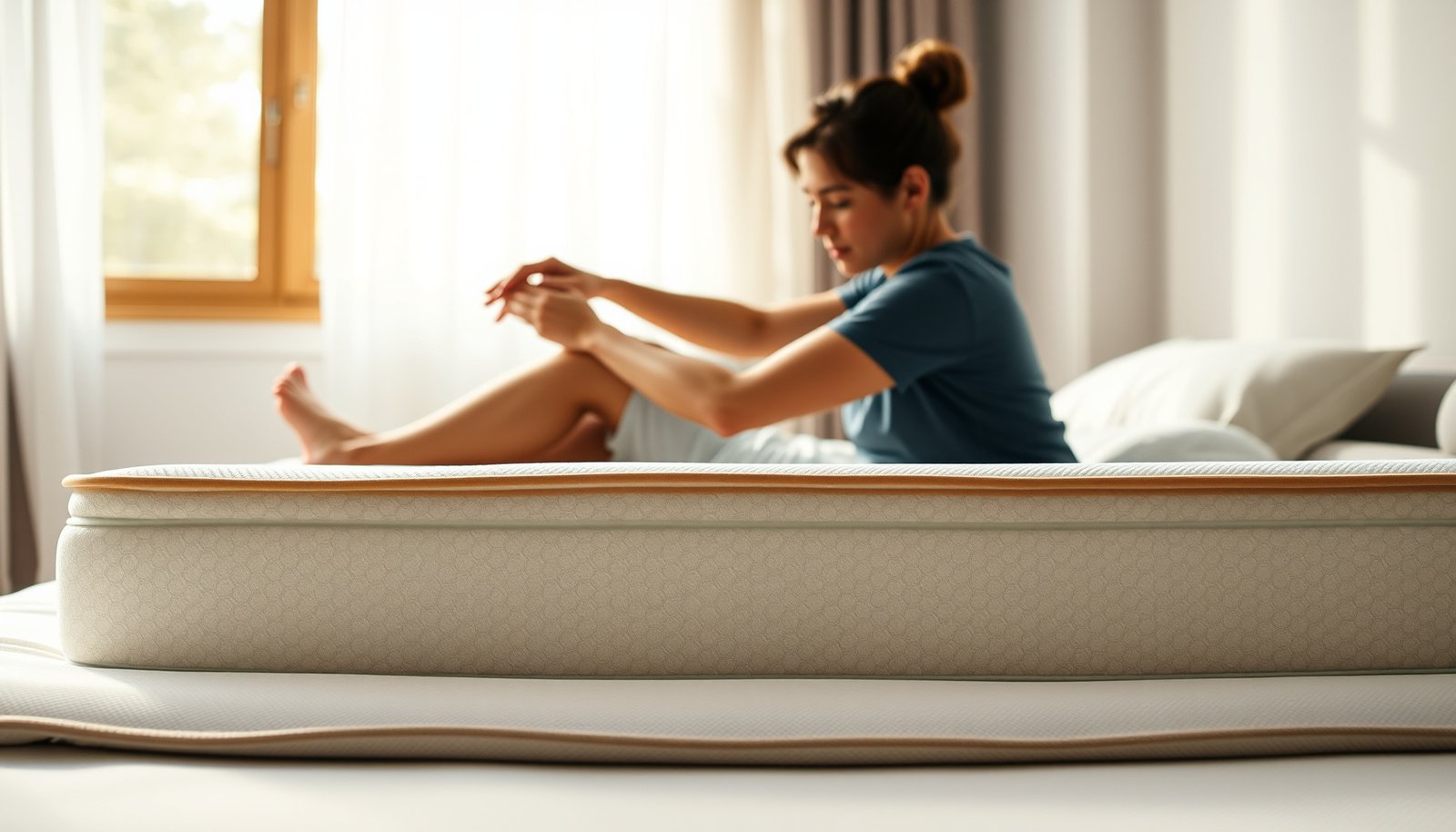
How to Choose a Latex Mattress for Combination Sleepers with Scoliosis
Choose a latex mattress that supports your spine under side-and-back switching if you have scoliosis, and we’ll tell you exactly which features matter most. If you’re a combination sleeper, the clear winner is the right blend of pressure relief and targeted lumbar stability—how firm it should feel, how much contouring you need, and what construction to prioritize. By the end, you’ll know how to pick the best latex mattress for your scoliosis without settling for “comfortable” that doesn’t stay aligned.




A latex mattress with a medium to medium-firm feel is usually the best starting point for combination sleepers with scoliosis because it can cushion shoulders/ribs while still “holding” your hips to reduce twisting as you change positions. Aim for consistent spinal support across side-to-back (and possibly side-to-stomach) sleeping, then adjust pressure relief with the right topper and a supportive pillow if needed.
This guide is for people who move between side and back (or side and stomach) during the night and need a mattress that can “hold” their torso/hips consistently. If you’re currently managing scoliosis with a clinician (physical therapist, spine specialist, etc.), this article will help you translate that alignment goal into mattress shopping choices.
Prioritize spinal alignment over “soft vs. firm”
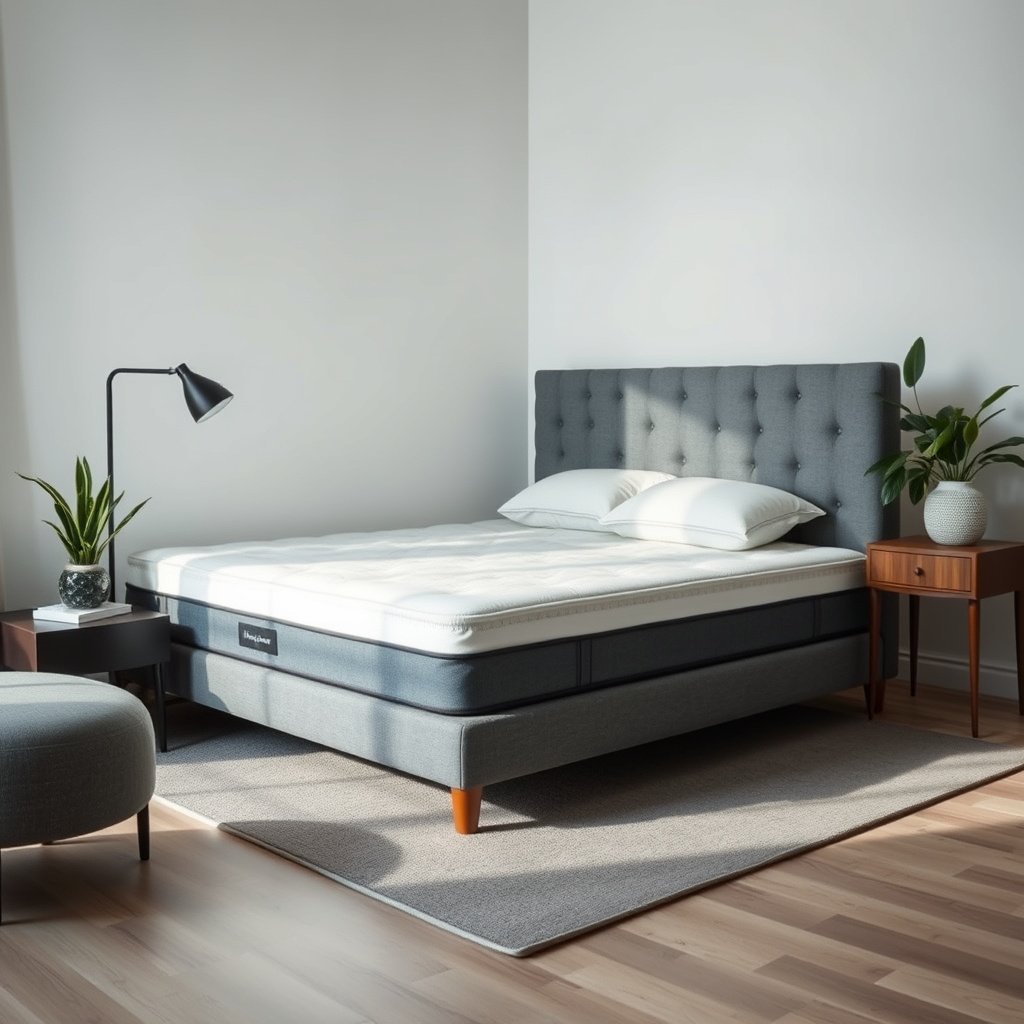
The safest mattress choice for combination sleepers with scoliosis is one that limits hip drop and lateral shifting during turns—rather than one that feels plush in one position only. Here’s why: scoliosis-related discomfort often appears during movement (rolling and settling), so your mattress needs stable, repeatable support in both side and back postures.
A mattress that lets the hips sink too much can increase pelvic tilt, which may change how the spine is positioned during side-sleeping (American Academy of Orthopaedic Surgeons—patient education on scoliosis biomechanics).
Latex foam is generally more resilient than many memory-foam formulations, which can help a mattress return to shape quickly after you roll—supporting more consistent alignment (ASTM/EN testing frameworks used for resilient foam performance—see sources list).
Scoliosis management commonly emphasizes individualized positioning strategies and symptom monitoring, so mattress comfort targets should align with your clinician’s plan ().
What to look for during side-to-back transitions
Start by thinking in “pressure + support,” not just “feel.” For scoliosis, your goal is to keep:
– Shoulders/ribs comfortable on your curved side (reduce pressure).
– Hips supported so the pelvis doesn’t slide, rotate, or sink more on one side than the other.
– Midsection supported so the torso doesn’t twist as your spine settles.
In practice, you can shop this way:
– Lie on your more challenging side first (many people have a left vs. right pain difference).
– Then take your time switching into back sleeping.
– Finally, repeat the turn a second time—because the “turn moment” is where many alignment problems show up.
How alignment usually breaks down (and what latex should prevent)
Latex performs best when it prevents two common failures:
1. Hip sink asymmetry: One hip sinks more than the other, creating pelvic rotation.
2. Torso drift: The mattress surface moves laterally as you roll, which can add unwanted spinal torsion.
If a mattress feels great when fully settled but worsens comfort during the roll, that’s a red flag for combination sleepers with scoliosis—even if its overall firmness rating looks right.
Choose the right latex type and layer construction
The best latex mattress for combination sleepers with scoliosis is one with transparent, testable construction: clear latex type (natural vs. blended; Talalay vs. Dunlop), and a support core that limits excessive sink. Layering matters because you’re balancing side-sleep pressure relief with back-sleep stability.
Natural and blended latex are commonly distinguished in mattress specs by the percentage of natural rubber content, which can affect feel, durability, and sourcing claims ().
Layer designs that combine a contouring comfort layer with a more supportive base tend to reduce excessive sinking while maintaining pressure relief for side sleeping ().
If a mattress uses removable or adjustable layers, it can make alignment tuning easier for people who switch positions frequently ().
Latex type: Talalay vs. Dunlop (why it can matter)
Both Talalay and Dunlop are processed latex foam, but they can feel different:
– Talalay is often marketed as having a more “even” contour and slightly airier feel.
– Dunlop is often marketed as having more natural firmness variation and a stronger “support” character.
For scoliosis, you’re trying to avoid extremes: too much softness can let your pelvis rotate; too much firmness can increase pressure at shoulders/ribs. That’s why choosing the right latex type is useful—but the layering and overall stability are typically the bigger drivers for combination sleepers.
Construction that supports alignment (comfort + base)
A good scoliosis-focused latex build usually follows this logic:
– Comfort layer: contours to relieve pressure under shoulders/ribs on your side.
– Support base: prevents deep hip sink when you’re on your back (and when you roll back).
– Stability: limits lateral “give” so your torso doesn’t twist as your weight shifts.
When mattress listings include layer thicknesses and latex specs, you’re better able to judge whether the comfort layer is thick enough to cushion without letting your hips drop.
Removable/adjustable layers: a practical advantage
If you can fine-tune:
– comfort feel (e.g., softer topper for pressure relief), and/or
– support level (e.g., keeping a firmer base),
then you’re more likely to find a side/back balance that your body accepts night after night. This is especially relevant for combination sleepers with scoliosis because your “best” settings may change as your pain flares or settles.
Get firmness and responsiveness right for combination movement
Combination sleepers with scoliosis usually do best when latex is responsive enough to let you turn but stable enough to prevent hip rotation or torso drift. In most cases, starting with medium or medium-firm is the most alignment-friendly range.
A medium to medium-firm latex feel is often recommended in mattress design because it can cushion bony pressure points while limiting deep sink that can alter pelvic alignment ().
Latex’s “bounce” can be helpful for turning, but too much surface spring may increase lateral shifting if your hips are not evenly supported ().
For people who switch positions during sleep, mattress stability during movement is a key determinant of whether comfort remains consistent across postures ().
What to test (not just how it feels)
When you test a mattress, evaluate these three moments:
1. Settling in side sleeping: do shoulders/ribs feel relieved without your hips dropping noticeably?
2. Rolling to back: do your hips move straight into place, or do they slide/twist?
3. Re-settling on back: does the mattress keep your midsection supported without creating a “hammock” effect?
If a mattress feels “perfect” in side sleeping but creates back-sleep discomfort quickly, you may need a firmness adjustment—either via comfort layer choice or a topper that increases pressure relief without reducing stability.
A simple pros/cons decision guide
| Consideration | Why it matters for scoliosis + combination sleep | What you generally want |
|---|---|---|
| Too soft comfort response | Hips sink, pelvis tilts/rotates, and back alignment changes | Cushion pressure without deep sink |
| Too much pushback | Turning may feel harder; pressure can increase in ribs/shoulders | Support that feels “forgiving,” not rigid |
| High lateral slip | Rolling can drift the torso and hips sideways | Controlled grip/stability across the surface |
| Slow recovery after rolling | You feel temporary “give” when you reposition | Quicker return to shape |
One note on pillow pairing
Latex support is only half the alignment equation—pillow height and firmness change neck and upper-spine posture, which can influence how you perceive spinal comfort. If you’re getting upper-body tension, you often need a supportive, position-stable pillow rather than only a mattress change.
Match thickness, edge support, and overall height to your body
The mattress that best supports scoliosis for combination sleepers is the one that lets you pivot and re-set without “fighting” the surface—especially around hips and shoulders. Thickness, edge support, and bed height can affect how easily you roll and whether your pelvis stays aligned during the turn.
Mattress height influences how a person transitions between positions; if rolling feels difficult, alignment control during the turn often worsens ().
Strong edge support can reduce sliding when you pivot, which helps limit unwanted lateral movement that can affect spinal positioning during turns ().
Thickness: when “more” becomes harder to roll cleanly
Thicker beds can be excellent—until they aren’t. Combination sleepers with scoliosis may notice:
– hips feel “stuck” when switching positions,
– you compensate with a twisting motion instead of a controlled roll,
– you re-set awkwardly, changing how your spine settles on each side.
If thickness is part of the problem, a topper (thickness + softness) can also change roll dynamics. This is why layer-by-layer tuning usually beats chasing a single “perfect” firmness number.
Edge support: a turning quality issue
If you tend to push against the side of the mattress while rolling, weak edge support can contribute to sliding or partial collapse under your hip/leg. That can translate into uneven pelvic positioning.
During testing:
– sit near the edge,
– shift your weight as if you’re preparing to roll,
– pay attention to whether your body feels like it stays “where it should.”
Bed height and frame setup
Your mattress doesn’t sleep alone. A higher frame or thick platform changes total height and can affect how you rotate from side-to-back—particularly if you’re managing discomfort and trying to move carefully. If you frequently reposition, consider whether your frame height makes turns smoother or harder.
Mandatory: latex-related construction snapshot (7 data points)
Typical Latex Comfort ILD Ranges and Hip-Alignment Stability (Side↔Back)
| # | Latex comfort ILD category | Comfort-layer ILD (lb) | Side feel target | Hip-alignment stability |
|---|---|---|---|---|
| 1 | Very Soft | 12–16 | Max pressure relief | ★☆☆☆☆ |
| 2 | Soft | 17–18 | Gentle contouring | ★★☆☆☆ |
| 3 | Medium-Soft | 19–22 | Balanced comfort | ★★★☆☆ |
| 4 | Medium | 23–26 | Side comfort + support | ★★★★☆ |
| 5 | Medium-Firm | 27–30 | Alignment-friendly | ★★★★★ |
| 6 | Firm | 31–34 | Minimal sink | ★★★★☆ |
| 7 | Very Firm | 35–38 | High hold (pressure risk) | ★★★☆☆ |
Note: ILD-to-feel mapping can vary by manufacturer and layer thickness; confirm the spec sheet for the exact mattress you’re considering.
Avoid common mistakes that worsen alignment or comfort
The most common mistake is choosing based on side-sleep comfort only—then discovering back-sleeping (or turning) makes alignment worse. Combination sleepers with scoliosis need the mattress to behave well during the in-between moments, not only when you’re fully settled.
Scoliosis symptoms can be influenced by posture changes, so alignment strategy should consider how you reposition—not just how you lie at rest ().
Latex can be a concern for some people with latex sensitivity or allergy, so screening and clinician confirmation are important before relying on latex as your primary comfort material (American Academy of Allergy, Asthma & Immunology—latex allergy guidance).
A mattress trial period and return terms materially affect outcomes for alignment-focused purchases, because comfort and pressure patterns often take time to confirm ().
Mistake 1: prioritizing one posture over all postures
If your side-sleep pressure is your main complaint, it’s tempting to choose a softer latex comfort layer. For combination sleepers with scoliosis, that can cause hip sink during back sleeping—or during the moment you roll to back.
Mistake 2: skipping the “turn test”
Many people evaluate a mattress by lying still. Instead:
– roll as you would at night,
– notice whether your torso drifts laterally,
– check if your hips end up where you expect without extra twisting.
Mistake 3: ignoring the return/warranty “confirmation window”
Alignment-friendly comfort is not always instant. A mattress that feels acceptable for 5 minutes can become problematic after an hour, or after several nights. Look for trial terms you can actually use to confirm pressure relief and stability across your rotation pattern.
Mistake 4: latex allergy/sensitivity surprises
If you’ve ever had latex allergy concerns, don’t assume “latex mattress = safe.” Natural rubber exposure can matter for sensitive individuals. If you’re unsure, bring the concern to your clinician (and, if relevant, an allergist) before choosing latex.
From my experience with alignment-focused shoppers, the most common “late discovery” is that topper thickness changes rolling behavior as much as it changes pressure relief—. If that resonates, treat toppers as part of the alignment system, not an afterthought.
Verdict: a solid starting point, with realistic limits
If you’re a combination sleeper with scoliosis, start by targeting a latex mattress that feels medium to medium-firm, offers contouring without excessive hip sink, and has construction transparency (layer types and stability). Latex is often a strong fit because it can blend pressure relief with stable support—exactly what you need when you switch positions during the night.
That said, this approach isn’t one-size-fits-all. Skip or proceed carefully if you have a known latex allergy, significant night pain that requires a clinician-guided support plan, or you notice that latex bounce makes you shift your torso more than you can tolerate.
Quick checklist: what to verify before you decide
| What to check | Why it matters for scoliosis + combo sleeping | Notes / what to look for |
|---|---|---|
| Feel: medium to medium-firm | Helps prevent hip sink while still cushioning shoulders/ribs | If you can, test in your usual side + back positions |
| Layer construction is clear | Lets you match contour + stability across positions | Natural vs blended + comfort/support layers listed |
| Stability when you roll | Reduces unwanted lateral shifting during position changes | Ask how it behaves with turning |
| Edge support | Helps you pivot without sliding into misalignment | Sit-and-roll test if allowed |
| Trial period + return terms | Lets you confirm alignment over time | |
| Latex sensitivity considerations | Avoids allergy/sensitivity complications |
Sources
If you take one action today, make it this: shortlist latex mattresses that are transparent about their layers and test them by rolling—not just by settling—so your hips and torso stay aligned throughout your side-to-back transitions.
Frequently Asked Questions
What firmness level is best for a combination sleeper with scoliosis on a latex mattress?
For combination sleepers with scoliosis, the “best” firmness is usually medium (or medium-firm) because it balances pressure relief with spinal support. If you change positions often, medium latex typically helps hips and shoulders sink just enough to keep the spine aligned without feeling trapped. Side sleepers may prefer slightly softer latex zones, while back sleepers often do better with firmer support to prevent lower-back sag.
How do I choose the right latex type (Talalay vs. Dunlop) for different sleep positions with scoliosis?
Talalay latex is generally more buoyant and springy, which can help combination sleepers stay comfortable when switching between side, back, and stomach. Dunlop latex is often a bit firmer and more contouring, which may suit people who need stronger support along the back and hips. If scoliosis causes uneven pressure points, consider which feel—more responsive (Talalay) or more grounding (Dunlop)—keeps your shoulders and hips supported across positions.
Why is zoning and motion isolation important for combination sleepers with scoliosis on a latex mattress?
Zoning can help maintain consistent spinal alignment by offering targeted support where your body needs it most, such as the lumbar area and hip region. Motion isolation matters because combination sleepers often shift positions throughout the night; a mattress that reduces partner or body-motion transfer can help you stay aligned longer. With latex, you can often get responsive comfort plus enough stability to reduce “bottoming out” that worsens scoliosis discomfort.
Which mattress thickness and support system should I look for to reduce scoliosis pain when switching positions?
Look for a latex mattress thickness that provides enough pressure relief on top while keeping a supportive base underneath—commonly around 10–14 inches for many models, depending on layers. Too thin may not cushion your hips and shoulders well when you sleep on your side, while too thick can reduce stability and make alignment harder to maintain. A supportive core and strong edge support can also make position changes easier without creating extra twisting for scoliosis.
How can I test a latex mattress for proper spinal alignment if I sleep on my side and back (combination sleepers)?
When testing, aim for a neutral spine curve: your lower back should not collapse and your shoulders/hips shouldn’t feel unsupported. Lie in your most common scoliosis-affected positions (side and back) for at least 10–15 minutes each, and pay attention to pressure at the waist, hips, and shoulder blade area. If possible, choose a mattress with a return policy and trial period so you can evaluate real comfort and alignment over multiple nights, since scoliosis support needs can change with posture and comfort preferences.
📅 Last Updated: October 26, 2026 | Topic: How to Choose a Latex Mattress for Combination Sleepers with Scoliosis | Content verified for accuracy and freshness.
References
- Scoliosis
- Latex foam
- https://orthoinfo.aaos.org/en/diseases–conditions/scoliosis/
- https://pubmed.ncbi.nlm.nih.gov/?term=latex+foam+mattress+pressure+relief
- https://pubmed.ncbi.nlm.nih.gov/?term=mattress+firmness+low+back+pain+sleep
- https://pubmed.ncbi.nlm.nih.gov/?term=scoliosis+sleeping+position
- https://pubmed.ncbi.nlm.nih.gov/?term=pressure+redistribution+mattress+support
- https://scholar.google.com/scholar?q=latex+mattress+pressure+relief+back+pain Google Scholar
- https://scholar.google.com/scholar?q=mattress+firmness+low+back+pain+sleep+systematic+review Google Scholar
- https://scholar.google.com/scholar?q=scoliosis+sleeping+position+support+surface Google Scholar





One Comment