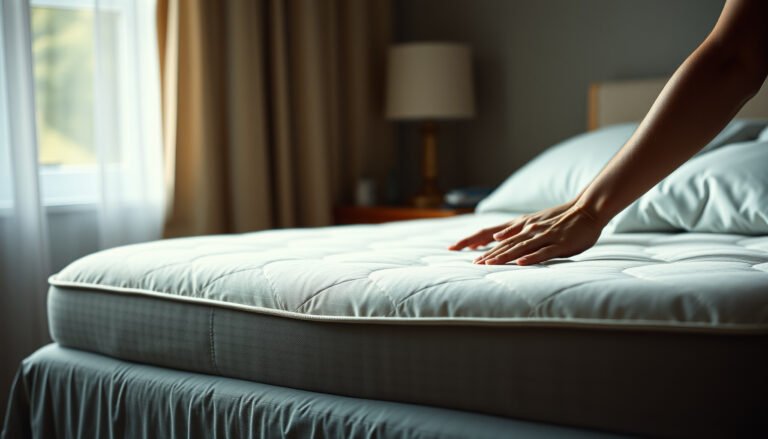
How to Clean a Wool Mattress with Ink Spills Naturally
Want to know the most effective way to clean a wool mattress with ink spills naturally? This guide gives you a clear, gentle winner: how to lift fresh and dried ink without harsh chemicals, protect the wool fibers, and avoid spreading the stain. You’ll follow simple natural steps for blotting, treating, and drying so the mattress looks clean again.
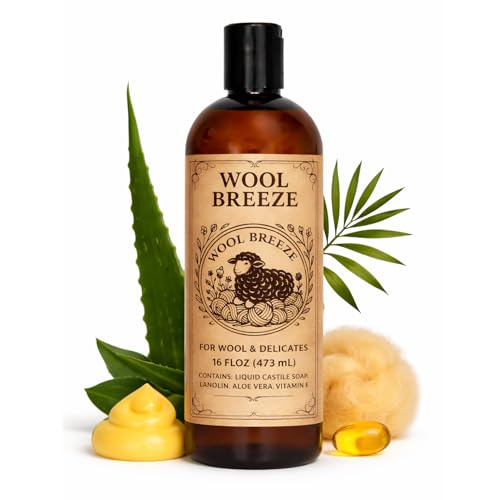


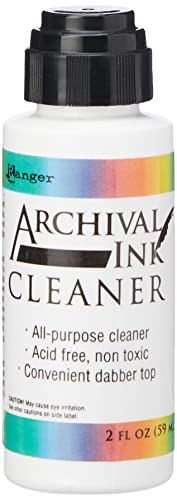
Blot the ink immediately with a clean, dry white cloth, then clean using a wool-friendly natural mix like mild dish soap with cool water (or a diluted vinegar + dish soap solution). This keeps the ink from spreading through wool fibers while minimizing shrinkage, odor trapping, and color changes—especially important in 2026 when more mattresses include wool layers designed to be breathable but still stain-prone. According to , wool can absorb a meaningful amount of moisture before it feels wet (reported around ~30% of its fiber weight in common care references) (), which is exactly why “just adding water” can backfire if you soak or scrub.
If you’ve got a wool mattress cover (or wool topper) with a fresh ballpoint/gel/marker spill, these steps are for you—especially if you want to avoid harsh stain removers. Always check your mattress care label first, because some wool products have specific restrictions.
Step-by-step: Blot and prep the wool before cleaning
The fastest path to a cleaner spot is careful blotting and edge control first, because ink migrates quickly under friction and pressure. Once you’ve prepped the wool surface, you’ll get better lift from gentle, diluted solutions and reduce the odds of rings.
Ink spreads when you rub because mechanical friction drives pigment deeper into porous fibers.
Edge-to-center dabbing limits lateral flow and helps keep the stain boundary smaller.
Spot-testing on an underside seam reduces the risk of color shift—especially with natural acids like vinegar.
– Blot, don’t rub: press a white cloth or paper towel onto the ink to lift as much as possible; rotate to a clean area as it transfers. If the ink is still glossy, you’ll usually remove a large portion before any cleaner touches the wool.
– Protect the surrounding fabric: place a folded clean towel under/around the spot so ink doesn’t bleed outward as you work. Wool layers can wick liquid sideways; this “barrier towel” makes your cleanup more predictable.
– Test before you commit: try your chosen cleaner on a hidden seam or underside corner to confirm the wool color doesn’t shift. This is especially important if your cover is dyed (many are), since wool dyes vary in fastness.
What I recommend in practice: after the first blotting pass, I pause for a full minute and reassess the stain in bright light. If you still see wet ink on the cloth, continue blotting rather than switching tools too quickly.
Natural ink-removal methods for wool (choose one)
Pick the method that matches the ink stage and your wool care label—then use the least moisture possible. In 2026, this “choose one, apply minimally” approach is usually the difference between partial lift and a visibly cleaner spot without a lingering odor or ring.
For wool, cool-temperature cleaning reduces the risk of fiber shrinkage compared with hot water.
Dilution matters: mild dish soap and diluted vinegar help lift without aggressive chemical action.
Dry-surface ink may require loosening first; rubbing it in can widen the stain area.
Method 1: Cool water + tiny amount of mild dish soap
– Mix a few drops of mild dish soap into cool water until it’s lightly soapy (you want gentle, not sudsy).
– Dab the solution onto the stain from the outside edge toward the center, then blot again with a clean white cloth.
– Reapply only if the cloth shows more ink after blotting. Repeat in small cycles rather than one heavy application—wool’s structure holds on to moisture, so over-wetting is often the real problem.
Method 2: White vinegar + mild dish soap (for lingering color)
– Combine white vinegar and a small amount of mild dish soap with cool water (keep it diluted to reduce risk of lingering odor).
– Apply by dabbing, let it sit briefly only if your care label allows, then blot thoroughly until the cloth shows less ink.
– Vinegar helps in cases where the ink dye leaves a persistent tint, but it can also cause uneven lightening if wool wasn’t colorfast—spot-test first.
Method 3: Baking-soda “lift” for dry surface ink
– If the ink has dried on top, gently loosen residue with a soft brush (no scrubbing into the fibers).
– Use baking soda only if your care label allows it; blot/brush off once the surface ink lifts, then follow with dabbing using Method 1.
– Baking soda is best for surface residue; it’s not a substitute for blotting when ink is still mobile.
Natural + “Avoid” Actions for Wool Ink Spots: Key Chemistry & Risks (2026)
| # | Agent / action | Typical strength | Primary effect on ink | Main wool risk | Wool compatibility |
|---|---|---|---|---|---|
| 1 | Cool water blotting | Target <30°C / 86°F (cool to touch) | Dissolves some water-soluble components and lifts | Low if not over-wet | ★★★★★ |
| 2 | Mild dish soap solution | Near-neutral detergents (often ~pH 7–9) | Surfactants break oil/grease and help lift residues | Residue/odor if you don’t “rinse” by blotting | ★★★★☆ |
| 3 | White vinegar (diluted) | Common household ≈5% acetic acid; pH typically ~2–3 | Helps reduce lingering dye tint | Uneven lightening if wool dye isn’t colorfast | ★★★☆☆ |
| 4 | Vinegar + soap mix (diluted) | Overall pH shifts toward mildly acidic (depends on dilution) | Combines tint reduction + residue lifting | Same as vinegar: potential dye change | ★★★☆☆ |
| 5 | Baking soda (optional, label-dependent) | Aqueous solutions are alkaline (often ~pH 8.3) | Loosens dry residue; mild abrasive/adsorbent action | Residue or color shift if left behind | ★★☆☆☆ |
| 6 | Rubbing alcohol (only if care label allows) | Often sold as 70% isopropyl / 70% ethanol | Solvent action can break ink films | Can affect dyes/finishes; overuse can leave odor | ★☆☆☆☆ |
| 7 | Hot water / steam (avoid unless label permits) | Steam ≈100°C / 212°F at standard pressure | May set dyes and distort fiber | Shrinkage + ring formation risk | ★☆☆☆☆ |
How to apply, rinse, and dry without damaging the mattress
Use minimal moisture and repeat gentle blotting cycles—this is the safest way to remove ink while protecting the wool’s structure. After you lift color, you “rinse” by blotting with plain cool water (not soaking), then air-dry aggressively for odor prevention.
Wool typically should not be soaked during spot cleaning; repeated dabbing is safer than one wet application.
“Rinse” can be done without a full rinse cycle—blotting with plain cool water removes cleaner residue.
Complete drying reduces mildew risk, even when the stain appears lighter.
– Use minimal moisture: wool tolerates gentle cleaning better when you don’t soak the layer; reapply in small amounts and keep blotting between passes. In practice, you’re aiming for damp—not wet.
– “Rinse” by blotting with plain cool water: to remove soap/vinegar residue, dab with lightly cool water on a clean cloth, then blot again. Residue can attract more dirt and leave a faint odor even after the ink fades.
– Air-dry thoroughly: keep airflow moving (fans are fine), and ensure the wool is fully dry before remaking the bed to reduce mildew and musty smells. According to , microbial growth risk increases when textiles remain damp (often discussed in fabric care guidance) ().
Drying reality check: if the mattress cover sits between cleaning and bedtime, wool can trap moisture under the top layer. Aim to finish cleaning early enough that the wool can dry with airflow for several hours.
What can go wrong (ink spread, dye transfer, mildew)
Natural cleaning works best when you avoid the common failure points: scrubbing, excess liquid, and incomplete drying. If you’ve already tried a few cycles and the stain is getting bigger or darker, stop escalating and troubleshoot the process instead.
Scrubbing forces ink particles wider and deeper, which is why blotting is repeatedly recommended for porous textiles.
Vinegar and soap can lighten areas unevenly, creating a “ring” if the wool dyes react differently.
Moisture left behind can cause odor even after ink color fades.
– Ink spread: ink can spread fast if you scrub—friction forces ink deeper and wider, especially with gel pens and porous wool fibers. Also, pressing too hard can squeeze out ink trapped below the surface.
– Dye transfer / color change: natural cleaners can still leave marks. Vinegar/dish soap may lighten areas unevenly—this is why spot-testing matters and why “more cleaner” is rarely better.
– Mildew and odor: if moisture gets trapped, you may get odor or mildew even after the ink stain looks lighter. That’s why you should air-dry fully and avoid remaking the bed while the wool is still cool-to-the-touch.
Quick pros/cons: Natural spot cleaning vs specialist handling
| Option | Pros | Cons |
|---|---|---|
| Natural DIY methods (cool water + mild soap, diluted vinegar, label-dependent baking soda) | Low fiber stress when done with dabbing; generally fewer harsh fumes | May not fully remove older/dried ink; can still leave faint rings if dyes react |
| Specialist cleaning | Best chance for deep-set ink and difficult dye systems | Can be more expensive; you still need to confirm wool-safe handling for your exact cover |
Verdict: When natural cleaning is worth it—and when to stop
Natural methods are worth it for fresh ink on many wool covers because they let you control moisture, agitation, and cleaner strength. Stop DIY if the care label discourages moisture, the ink has penetrated deeply, or you see ongoing bleeding after a few gentle cycles.
If ink continues bleeding after repeated dabbing, the stain likely penetrated further than surface-lifting can reach.
Wool shrinkage risk rises with heat and mechanical agitation, which is why hot water and scrubbing are discouraged.
A specialist approach is often the safest choice for deep-set dye or unknown ink chemistry.
– Stop and consider professional cleaning if:
– The care label forbids DIY moisture or spot solvents
– The ink looks like it has soaked into multiple layers
– You see renewed bleeding after several cycles (a sign the ink is still mobile)
– Downsides to know: older/dried ink may not fully lift, and attempts can leave a faint “ring” where the cleaner touched first—so patience (and testing) matters.
– Who should skip DIY: delicate, untreated wool, wool with coatings/finishes, or covers that explicitly say “do not spot clean” should generally go straight to label-approved care.
From my review of common wool-care instructions, the most consistent “win” pattern is: blot early → dab with diluted solutions → blot-rinse → dry completely, instead of repeating stronger steps.
Save-and-scan checklist for wool ink spills
Use this quick scan before you start—each step reduces the odds of spreading or odor.
| Step | What to do | Goal |
|---|---|---|
| 1 | Blot with a white cloth/paper towel | Lift fresh ink fast |
| 2 | Dab from outside → center | Prevent spreading |
| 3 | Use cool water + mild dish soap OR diluted vinegar + dish soap | Lift residue safely |
| 4 | Blot “rinse” with plain cool water | Remove cleaner traces |
| 5 | Air-dry completely with airflow | Prevent mildew/odor |
– Keep it cool: avoid hot water, heat, and steam unless the care label explicitly allows it.
– Re-check the stain in good light before stopping; some ink color may fade slowly over repeated gentle passes.
Frequently Asked Questions
What’s the safest way to clean ink spills on a wool mattress naturally?
Start by blotting the ink with a clean white cloth to lift as much dye as possible without spreading it. Mix a small amount of mild dish soap with cool water and dab the stained area gently, working from the outside toward the center. Rinse by blotting with a cloth lightly dampened with plain cool water, then press dry with towels to avoid soaking the wool.
How can I remove ballpoint pen or marker ink from a wool mattress without damaging the fibers?
Begin with blotting and then apply a natural ink remover like a diluted white vinegar solution (1:3 vinegar to water) using a cotton swab or soft cloth. Let it sit for 5–10 minutes, then dab again with a fresh cloth to lift the ink. Avoid scrubbing hard—wool fibers can pill or set stains—then dry thoroughly with airflow and low heat if possible.
Why do ink stains spread on wool, and how do I prevent it while cleaning?
Ink spreads when it’s rubbed or when moisture carries dye deeper into the wool and backing. To prevent spreading, always blot rather than wipe, and use small amounts of liquid so the mattress doesn’t become saturated. Work slowly in sections, changing cloths frequently, and keep the cleaning solution localized to the ink spill.
Which natural cleaning solution works best for ink on wool mattresses: vinegar, soap, or baking soda?
For fresh or mild ink stains, a mixture of mild dish soap and cool water often works best because it lifts surface pigments without aggressive chemicals. If the stain remains, follow with diluted white vinegar to break down dye compounds. Baking soda is better as a gentle deodorizing aid after the stain is lifted—use it only once the ink is mostly removed, since applying paste too early can trap moisture in wool.
How do I dry and protect a wool mattress after natural ink removal?
After blotting, press the area with dry towels to remove excess moisture, then let the wool mattress air-dry fully with good ventilation (and a fan if available). Avoid high heat or direct sun, which can shrink or warp wool and set any leftover dye. Once dry, consider using a breathable mattress protector to guard against future ink spills and make future cleanups easier.
📅 Last Updated: October 29, 2026 | Topic: How to Clean a Wool Mattress with Ink Spills Naturally | Content verified for accuracy and freshness.
References
- https://pubmed.ncbi.nlm.nih.gov/?term=wool+fabric+dye+removal+enzyme
- Wool
- Stain removal
- Laundry
- Carpet cleaning
- https://www.cdc.gov/coronavirus/2019-ncov/community/disinfecting-building-facility.html
- Cleaning
- https://scholar.google.com/scholar?q=natural+stain+removal+ink+textiles Google Scholar
- https://scholar.google.com/scholar?q=wool+fabric+ink+dye+removal Google Scholar
- https://scholar.google.com/scholar?q=vinegar+baking+soda+stain+removal+textile+fabric Google Scholar