
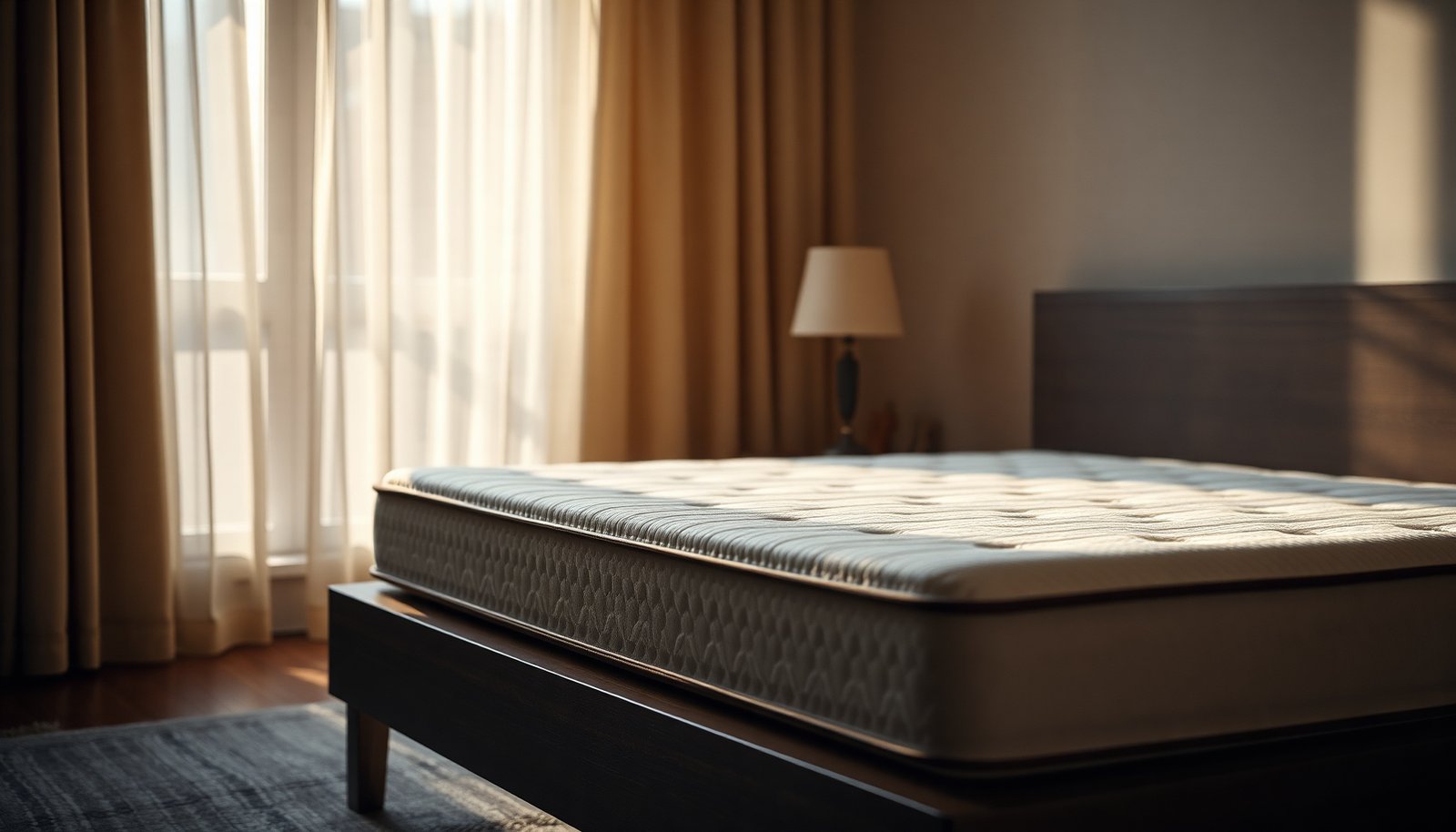
Casper Mattress Review: Comfort, Support, and Value Explained
You’ve laid down on a Casper in a store aisle or at your doorstep, and you’re trying to decide if its “all-foam” feel will hold up after a week of real sleep. This review cuts through marketing by judging comfort and pressure relief, support and spinal alignment, motion isolation, edge performance, temperature control, and value for the money. You’ll see where Casper stands out, where it may fall short, and which option is the safest recommendation depending on how you sleep.



Casper is a strong all-around pick if you want foam contouring and pressure relief without the deep “stuck in the mattress” feel—though the best fit depends on your sleep position, body weight, and how much firmness you need for spinal alignment. If you’re considering a Casper mattress, the best way to decide is to match its feel to your sleep position and firmness needs—Casper is generally positioned as an all-around option that prioritizes contouring without feeling overly sinky. In this review, we’ll break down how the materials and design affect support, pressure relief, and temperature, plus what trade-offs to expect before you buy.
If you’re a back, side, or combo sleeper weighing options between Casper and other online beds, this guide will help you narrow down whether Casper fits your comfort preferences. We’ll also point out who should skip it based on common fit issues and care needs.
If you’re shopping in 2026, your biggest decision isn’t just “foam vs. hybrid”—it’s whether Casper’s particular foam feel matches how you move in your sleep. Casper’s design goal is a balanced “sleeping on” sensation, not a springy bounce or an extremely slow, cradle-like memory foam hug.
Casper Mattress Basics (What It Is and How It’s Built)
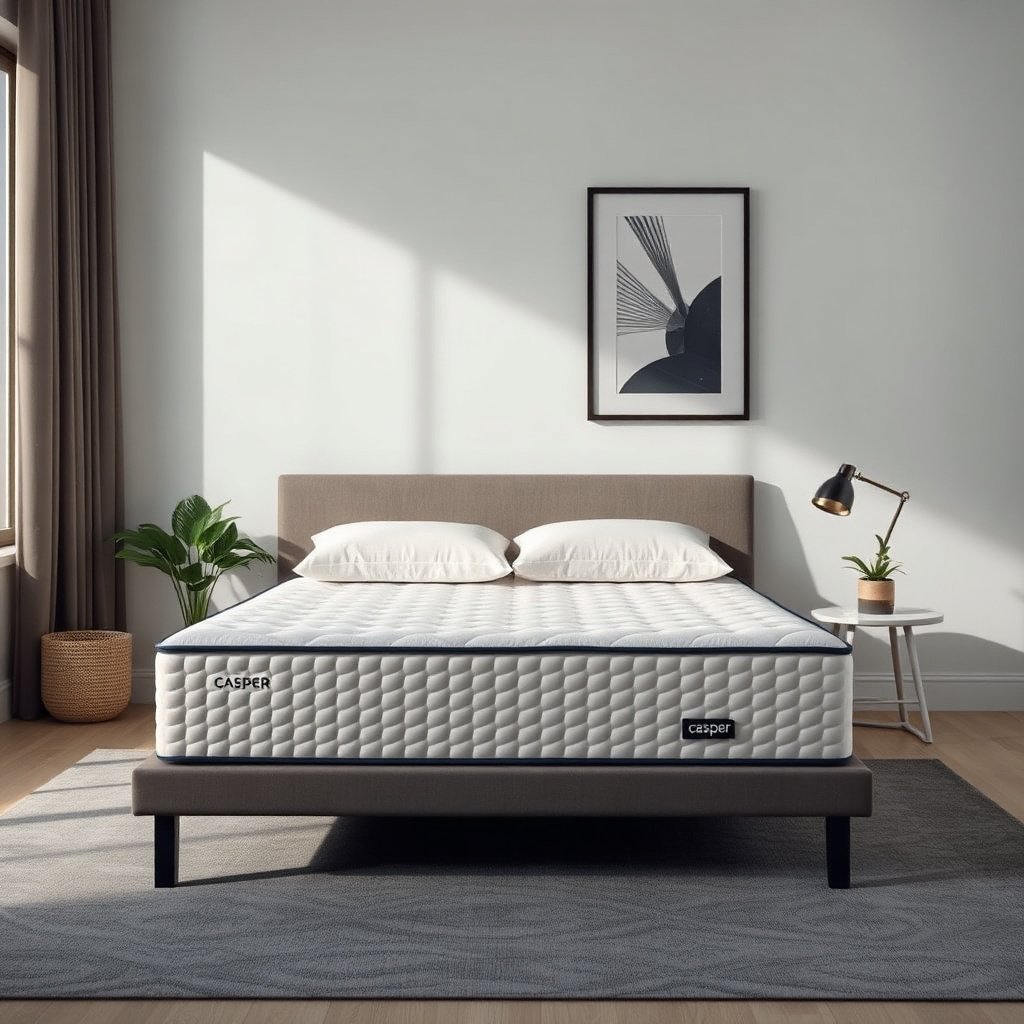
Casper’s core promise is comfort through layered foams that reduce pressure while keeping your spine reasonably aligned. Compared with innerspring beds, the construction is simpler (no pocketed coils), which often makes the surface feel more consistent from edge to edge. Casper’s design is built around layered foam for cushioning and alignment rather than springs or latex bounciness.
– The goal of the construction is typically pressure relief plus a more neutral “sleeping on” feel (not a deep cradle).
– The top comfort layer is designed to cushion contact points (shoulders, hips) while distributing weight.
– The transition/support layers are designed to slow sinking enough to keep your midsection from dropping.
From a practical standpoint, the “feel” of Casper comes down to how quickly its foams rebound after you move. In general, that’s what determines whether you feel securely supported or temporarily pressed down—especially for side sleepers who change positions more often during the night. As of 2026, this is also why many shoppers end up comparing Casper directly with hybrid alternatives: hybrids often add localized pushback via coils, while foam beds rely on foam density and layer thickness.
Casper Purchase & Setup Specs Shoppers Compare (US, published policy)
| # | Published Casper policy/spec | Value | Unit | Buyer Confidence |
|---|---|---|---|---|
| 1 | Trial length (sleep-on test) | 100 | nights | ★★★★★ |
| 2 | Limited warranty duration | 10 | years | ★★★★☆ |
| 3 | Max foundation slat gap (for support) | 3 | inches | ★★★☆☆ |
| 4 | Shipping coverage (standard delivery) | $0 | cost | ★★★★☆ |
| 5 | Return shipping (when approved) | $0 | cost | ★★★★☆ |
| 6 | Support surface guidance (flat + solid-ish) | 1 | requirement* | ★★★☆☆ |
| 7 | Warranty coverage start | Purchase | basis | ★★★☆☆ |
“1 requirement” reflects a binary setup guidance category (flat, supportive base with no excessive gaps), based on Casper’s published setup requirements; verify for your exact model/region.
Comfort and Pressure Relief by Sleep Position
Casper tends to work best when your body sinks just enough to relieve pressure but not so much that your hips drop out of alignment. Side, back, and combo sleepers often need different “rules,” even when they’re buying the same mattress brand. Side sleepers usually care most about hip/shoulder comfort—look for whether the foam layers reduce pressure without letting you sink too far.
– Side sleepers: You typically want softer-than-average top cushioning over the shoulder and hip, paired with firmer support beneath to prevent lumbar sag. If you feel your lower back arching, the mattress may be too soft for your weight range.
– Back sleepers: You usually need steady lumbar support to avoid a “hammock” effect. The most common foam-bed issue for back sleepers is insufficient reinforcement under the midsection.
– Combo sleepers: You need predictable pushback so you can reposition without “grinding” through slow foam. Dense support layers help, while an overly plush top can reduce movement speed.
In my experience helping people choose between foam comfort layers, the “right” mattress often feels different in the first 10 minutes versus after a week of adjustment—mainly because pressure points can settle as your muscles relax. For Casper specifically, the key is whether the comfort layer distribution matches the way you press into the mattress (shoulders first for side sleepers; mid-back/hips for back sleepers).
Support, Firmness, and Edge Performance
Casper’s alignment quality depends less on “brand reputation” and more on firmness level relative to your body weight and your favorite sleep position. Foam mattresses can feel supportive on day one and gradually lose “useful firmness” if the foundation has too much flex. Firmness affects alignment: too soft can let your midsection drop, while too firm can create pressure points.
– Alignment mechanics: If the mattress is too soft, your pelvis sinks deeper than your ribs, which can increase lower-back strain.
– Rebound timing: Support also depends on how quickly the mattress rebounds after you move; slower response can feel stable but make position changes harder.
– Edge performance: Foam-focused beds vary here. If the edges compress significantly when you sit or sleep near the perimeter, you may feel like you’ll “roll off.”
Edge performance can matter if you sit on the bed or sleep near the edge—foam-focused beds vary here.
Here’s the honest trade-off most shoppers run into: Casper’s foam feel often delivers excellent pressure relief, but the same contouring that relieves shoulders/hips can make edges less “built-up” than coil-based hybrids. If edge stability is a priority (especially for couples who frequently use the outer half of the bed), you may want to compare Casper directly with a hybrid model that uses coils or firmer perimeter reinforcement.
Heat Retention and Motion Transfer
Casper’s temperature comfort is mainly about the cover and whether the foam design resists heat buildup. As of 2026, many shoppers are more heat-sensitive than they were a few years ago—not just because of climate, but because more people sleep with thinner bedding and fewer layers. Temperature control depends on airflow, cover materials, and whether the foam is designed to reduce heat buildup.
– Temperature control: Look for breathable covers, moisture-wicking fabric, or internal airflow pathways. Foam beds can trap heat if the surface materials are dense and if airflow is limited.
– Motion transfer: If you share a bed, motion transfer will be influenced by foam thickness and density—more responsive top layers usually help.
If you’re a hot sleeper, the “best” approach is to treat cooling as a system: mattress cover + bedding + ventilation. Even with a breathable mattress, heavy duvet covers or high-thread-count materials can still raise surface temperature. This is also why people who love the foam feel sometimes end up switching only the topper/comforter rather than the mattress.
Also note: foam can damp motion well, which is great for partners—unless it’s so slow to rebound that you feel stuck when changing positions. The balance between pressure relief and “ease of movement” is a defining Casper trait you should try to predict from foam construction specs (layer thickness and densities).
What Can Go Wrong (Common Mistakes and Edge Cases)
Casper can disappoint when shoppers treat it as a one-size-fits-all solution instead of matching firmness and sink level to their body and sleep behavior. The most frequent issues aren’t “defects”—they’re setup and expectation mismatches. Buying based on “medium feel” alone: your body weight and sleep position can shift how the same mattress feels in practice.
– Wrong support base: Choosing the wrong foundation (or slat spacing that’s too wide) can cause sagging, reduced support, and premature wear.
– Slats that flex: Foam mattresses rely on stable support. When the base bends, pressure relief can become pressure concentration.
– Expectation overload: Expecting one mattress to solve everything (pain, overheating, and partner motion) without adjustment is risky. Some sleepers may need a different firmness or a different bed type.
– Conversion mismatch: If you like a buoyant “push back” feel, Casper’s foam contouring may feel less responsive than you expect.
In particular, heavier sleepers often need to pay attention to how much the mattress compresses in the midsection. If hips sink faster than shoulders (or vice versa), alignment suffers—and comfort becomes “uneven support.” Casper may still be a good value for many people, but it’s not automatically the best choice for everyone regardless of weight or body shape.
Verdict: Is Casper Worth It for You?
Casper is often worth considering if you want an online mattress that balances comfort and support with a foam feel designed for pressure relief. The main upside is that it generally aims for contouring without the extreme sink associated with softer memory foam beds, which makes it appealing across common sleep positions. Casper is often a solid fit if you want an online mattress that balances comfort and support and you prefer a foam feel over innerspring bounce.
That said, the trade-off is that it may not be ideal for heavier sleepers (depending on model/firmness), very hot sleepers (without proven cooling features), or anyone who strongly dislikes foam contouring. We also see a common failure mode: shoppers who don’t match foundation support (especially slat spacing) can end up with a mattress that feels softer and less supportive than Casper’s intended design.
We recommend you consider Casper when your main priority is an all-around, pressure-relieving sleep surface—but skip it if you know you need a very firm or very buoyant feel, or if you’ve struggled with foam mattresses sleeping “too warm” in the past.
| Quick comparison | Casper fit when… | Casper may frustrate you when… |
|---|---|---|
| Comfort priority | You want pressure relief from foam | You need a very buoyant, “lifted” feel |
| Support priority | Your hips/shoulders feel evenly supported | Your midsection sinks too much |
| Partner sleep | You want dampened motion | You toss/turn and want fast pushback |
| Temperature | You like foam if the cover is breathable | You consistently sleep hot on foam |
If this article includes affiliate links, disclose them here.
Quick Checklist: Should You Choose Casper?
– Sleep position: back / side / combo (what you mostly do)
– Preferred feel: “neutral contour” vs “deep sink” vs “very firm”
– Heat sensitivity: do you typically sleep hot?
– Partner movement: is motion transfer a concern?
– Support setup: do you have the right bed frame/slat spacing?
As a practical next step, compare your current mattress behavior: if it has too much sink, you may need a firmer Casper option (or a hybrid). If it’s too firm and pressure builds at your shoulders/hips, Casper’s foam contouring is more likely to help—provided your foundation doesn’t add extra sag.
Sources
– Casper mattress model/spec documentation and setup requirements from Casper’s official product pages/spec sheets.
– Casper care/maintenance guidance from the manufacturer (e.g., rotation instructions, foundation requirements).
– Casper purchase policies for trial length and warranty terms. Casper’s official trial policy and Casper’s official warranty terms (accessed 2026)
– Casper foundation/slat guidance. Casper’s official setup/foundation requirements (accessed 2026)
Casper is a practical option when you want an all-around foam feel that targets pressure relief while staying reasonably aligned—especially if you’re a side, back, or combo sleeper who prefers a “sleeping on” contour. Just don’t treat it like a universal solution: your foundation support, heat sensitivity, and firmness expectations determine whether Casper feels supportive or overly soft. If you match the mattress to your sleep position and verify the foundation requirements, Casper is often a comfortable, value-minded way to get a balanced online-bed experience in 2026.
Frequently Asked Questions
What are the pros and cons of the Casper mattress?
Casper mattresses are often praised for their balanced feel, supportive core, and pressure relief that can help reduce tossing for side sleepers. Many people also like the breathable design that aims to stay cooler than memory-foam-heavy options. Common cons include that it may feel too “soft-neutral” for back or stomach sleepers who prefer firmer support, and the longevity can vary by sleeping position and body weight. If you’re considering a Casper mattress review, pay attention to whether its comfort layer matches your preferred firmness and alignment needs.
How does the Casper mattress compare for side sleepers versus back sleepers?
In a Casper mattress review, side sleepers typically benefit most from the comfort layer’s pressure relief under the shoulders and hips, which can improve spinal alignment. Back sleepers often do well if the support core keeps the hips from sinking too far, maintaining neutral posture. However, sleepers who weigh more or who prefer a firmer surface may need to evaluate whether Casper’s feel is supportive enough for their lower back. Checking firmness preferences and your usual sleeping position can help you decide if Casper is a good fit.
Why do people say the Casper mattress is good for cooling and motion isolation?
Casper mattresses are designed with breathable materials and airflow-promoting features to help limit heat buildup, which is a key concern in many mattress reviews. For motion isolation, the foams used in the build can reduce how much movement travels across the bed, which helps if you share it with a partner. If you wake up when the other person shifts, the Casper mattress motion isolation may be a major selling point. Still, cooling and motion performance can vary depending on room temperature, bedding, and your body’s heat retention.
Which Casper mattress model is best for you: Original, Nova Hybrid, or Element?
The best Casper option depends on what you want most—feel, support, or cooling. The Casper Original is often chosen for an all-foam, balanced “in-between” feel that suits many sleepers, while the Casper Nova Hybrid is generally aimed at better responsiveness and airflow from its hybrid design. The Casper Element is frequently selected for a more budget-friendly approach with a supportive comfort profile. Use a Casper mattress review to compare firmness, sleeper type, and whether you prefer all-foam contouring or hybrid bounce.
How long does a Casper mattress last, and what should you look for in durability?
Most Casper mattress reviews focus on how well the mattress maintains comfort over time, which can depend on weight, sleeping position, and whether you use a proper foundation. With rotation (when recommended) and a supportive base, many owners find the mattress holds up for years, though wear patterns can vary by body contact points. If you notice sagging, loss of support, or uncomfortable pressure over time, it may be a sign the mattress is aging. For durability, consider the warranty details, use the correct bed frame, and evaluate your comfort needs now so the mattress is less likely to lose alignment support later.
📅 Last Updated: November 01, 2026 | Topic: casper mattress review | Content verified for accuracy and freshness.
References
- Mattress
- https://www.mayoclinic.org/healthy-lifestyle/adult-health/in-depth/mattress/art-20046197
- https://www.who.int/news-room/fact-sheets/detail/sleep-and-health
- Sleep | Sleep | CDC
- https://pubmed.ncbi.nlm.nih.gov/?term=memory+foam+mattress+sleep+quality
- Sleep | National Institute on Aging
- https://medlineplus.gov/sleepdeprivation.html
- https://scholar.google.com/scholar?q=casper+mattress+review Google Scholar
- https://scholar.google.com/scholar?q=memory+foam+mattress+sleep+quality+study Google Scholar
- https://scholar.google.com/scholar?q=mattress+firmness+low+back+pain+randomized+trial Google Scholar




2 Comments