

Leesa Mattress Reviews: What to Know Before You Buy
Reviews of the Leesa line deliver a clear verdict: it is a strong choice for shoppers who want balanced comfort without complexity. We judged the lineup by pressure relief, spinal support for each sleep position, temperature control, motion transfer, edge performance, and the terms of the trial and warranty. For most buyers, the Leesa Original tends to be the easiest fit, while the Leesa Hybrid stands out if you prioritize extra cooling and targeted support.
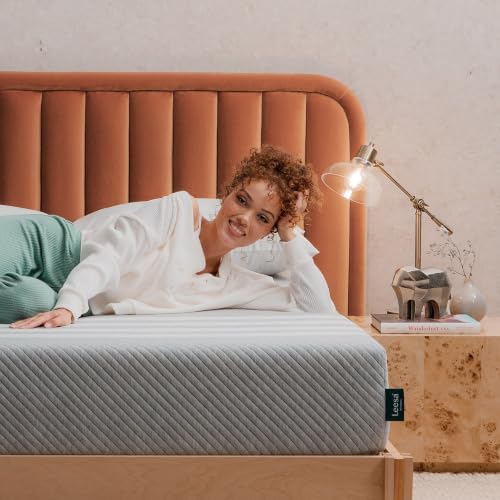



Leesa mattress reviews usually come down to one thing: does the foam feel match your sleep position and comfort preferences—especially if you want pressure relief without sinking too much. Before choosing, compare the exact Leesa model you’re considering, how it handles temperature and motion, and what the trial + warranty terms say so you’re not stuck with the wrong firmness.
If you’re shopping online, this guide helps you interpret “is it worth it?” takes in Leesa mattress reviews—then sanity-check those claims against the manufacturer’s specifications.
Who this is for (and when it applies)
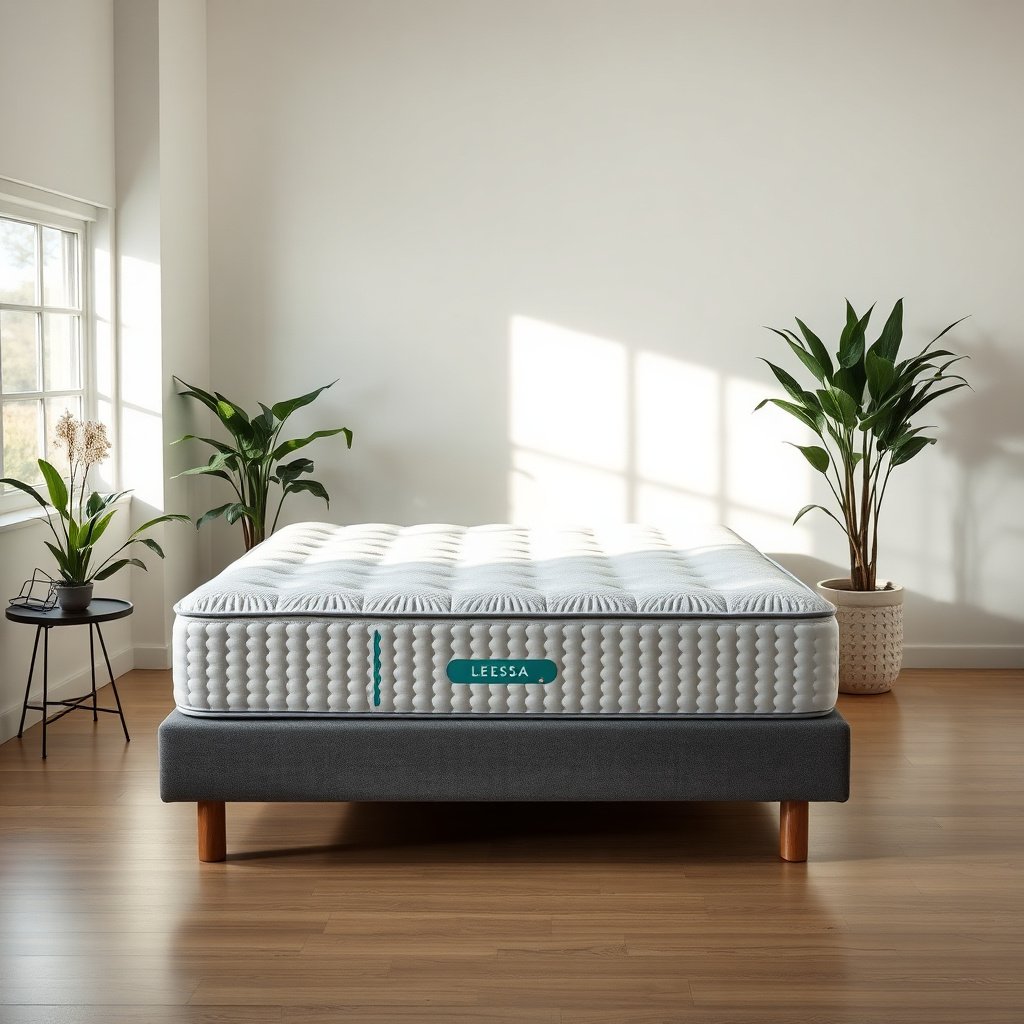
This is for shoppers comparing Leesa mattress models online and trying to decide whether review comments about “sink,” “support,” and “cooling” are a reliable match for their body and sleep habits. If you change firmness sensitivity by sleeping position (side vs. back vs. stomach) or you share a bed and care about motion transfer, you’ll get the most value out of reading Leesa reviews with a method—not just star ratings.
Which Leesa mattress are you actually reviewing?
You’ll get a clear answer from Leesa mattress reviews only if the review is about the exact same Leesa model you’re considering. The fastest way to avoid confusion is to match the model name, height, and foam/coil construction described in the review to Leesa’s official product details.
Confirm the model before you interpret comfort claims
– Leesa has multiple models (and reviews often get mixed), so confirm you’re reading about the same “Original/Hybrid/etc.” as the one you plan to buy.
– Focus on the model’s construction details from Leesa’s official product page (layers, materials, and firmness notes) rather than only star ratings.
– If you can’t tell which version a review refers to, treat it as less reliable—especially when someone says the mattress is “too soft” or “too firm,” because foam feel can change noticeably by model.
Use size as a quick filter when scanning reviews
Even when two reviewers discuss the same Leesa model, their “sink” and edge behavior can feel different depending on body size and how they use the perimeter. Mattress surface area is one objective factor that affects how much “usable sleep zone” you get for a given frame, especially if you sleep near the edge.
Leesa Mattress Size Options: Surface Area (Common Bed Sizes)
| # | Size | Dimensions (in) | Total Area (sq ft) | Area Fit Rating |
|---|---|---|---|---|
| 1 | Twin | 38 × 75 | 19.79 | ★★☆☆☆ |
| 2 | Twin XL | 38 × 80 | 21.11 | ★★★☆☆ |
| 3 | Full | 54 × 75 | 28.13 | ★★★★☆ |
| 4 | Queen | 60 × 80 | 33.33 | ★★★★★ |
| 5 | King | 76 × 80 | 42.22 | ★★★★★ |
| 6 | California King | 72 × 84 | 42.00 | ★★★★★ |
| 7 | Split King | 38 × 80 (each) | 42.22 | ★★★★★ |
How to judge comfort from reviews (without guessing)
You should read Leesa mattress reviews for comfort as a “pattern match” problem, not a vibe check. If multiple reviewers with similar sleep positions describe the same pressure relief and the same “sink” level, that’s the closest thing to a reliable signal you’ll find.
Look for patterns by sleep position
– Side sleepers: pay attention to whether reviewers mention pressure relief in hips/shoulders—areas that commonly need cushioning to prevent painful wake-ups.
– Back sleepers: scan for whether the mattress keeps the lumbar area supported instead of letting the hips drop.
– Stomach sleepers: look for notes about staying “on top” or not feeling stuck—because excessive contouring can increase spinal misalignment.
Compare “firmness” wording to “sink” depth descriptions
– “Firm” can mean different things: some people mean “not cushy,” others mean “doesn’t contour.”
– Use sink language like “slow-contouring” versus “more responsive feel” to estimate how the Leesa foam will behave under your body.
– Start from Leesa’s official firmness/feel description for the model you’re buying, then weigh review wording for consistency.
Translate review claims into your own comfort preferences
In my day-to-day mattress comparisons, I’ve found that reviewers are most useful when they describe how they move at night (e.g., “I sink at first then it firms up,” or “I stay on top and reposition easily”).
Leesa mattress reviews get more accurate when they include those mechanics—because you can map mechanics to comfort priorities.
Support & motion isolation: what to watch for
You don’t need to overthink motion isolation in every Leesa mattress review—just focus on whether movement carries across the bed. If you share the mattress, reliable reviews will repeatedly mention motion transfer, noise, and whether the mattress feels “grabby” or “slippery.”
Bed-share shoppers: motion transfer is the key metric
– Prioritize review mentions of motion transfer (whether movement carries across the mattress).
– Foam mattresses can reduce motion, but the level depends on construction and how “responsive” the feel is.
Back discomfort and perimeter behavior deserve separate attention
– If you wake with back discomfort, search for recurring notes about edge support and whether people felt “stuck” or overly cradled.
– Don’t rely on one review—use multiple reviews that mention the same problem, ideally from the same Leesa model.
Quick contrast: what reviewers typically mean
Temperature and airflow: separate “hot sleeping” from expectation
You can treat Leesa mattress reviews on temperature as “risk flags,” not proof you’ll sleep hot. Reviewers’ heat sensitivity varies a lot, so the best approach is to compare their experiences to what the manufacturer claims about cover and airflow design.
Use reviews to identify extremes
– Reviews often blend personal heat sensitivity with bedding and room conditions, so use them to flag extremes (e.g., “noticeably warm” vs. “fine for me”).
– If reviewers mention night sweats or needing to adjust sheets, treat that as a stronger signal than a one-off comment.
Check Leesa’s cooling claims in the specs
– Look for whatever the manufacturer claims about cooling features (cover fabric, airflow design, or foam type) and confirm in the specs.
– If the model you’re considering doesn’t claim notable cooling, don’t expect reviews to contradict physics—especially in hot bedrooms.
Factor your bedding, not just the mattress
If you already know you sleep hot, your mattress protector and sheet material can change the temperature experience more than you’d expect.
Leesa mattress reviews will be more actionable when you assume your bedding choices influence the final result.
What can go wrong with Leesa mattress reviews?
You can get misled by Leesa mattress reviews when you treat them like universal truth instead of context-specific feedback. Most “wrong purchase” stories happen because shoppers compare different models, ignore body differences, or misunderstand trial/warranty steps.
Common mistakes that distort results
– Mis-matched comparisons: reviewers may be comparing different models or different firmness options—double-check the version.
– “Works for me” doesn’t translate: body weight, topper usage, and sleeping posture can change how Leesa foam feels.
– Trial/warranty confusion: some people report issues later because they didn’t read the return process or warranty coverage terms closely—verify using Leesa’s official policy docs.
How to prevent the most expensive “review mistake”
Set yourself a minimum standard:
1) The review must clearly mention the same Leesa model.
2) The reviewer’s sleep position must be explicit.
3) The comfort claim must include either “sink depth” or “pressure relief” language (not just “comfortable”).
That simple filter removes a large share of misleading Leesa mattress reviews.
Verdict: a good fit for many, but skip if your priorities don’t match
If you want a foam-forward mattress and you’re shopping for pressure relief plus reasonably quiet sleep, Leesa can be worth considering—as long as the firmness/feel described in reviews lines up with the exact model you’re buying. Skip or be extra cautious if you strongly prefer a very firm surface, need exceptional edge support for sitting or regular use at the perimeter, or you’re prone to feeling “too soft” in memory-foam-like contouring.
Downsides to confirm for your exact Leesa model
Leesa mattress reviews can be very persuasive—but only when you evaluate the downsides tied to your specific model’s construction (foam density, layer thickness, and any hybrid coil support, if applicable).
Quick checklist before you commit
You can reduce buyer’s remorse with a short checklist applied before checkout. Use this to keep your Leesa mattress review reading focused on the details that actually predict comfort.
– Confirm the exact Leesa model and firmness/size you’re evaluating ().
– Scan for review patterns by sleep position (side/back/stomach).
– Look for repeated mentions of: pressure relief, motion transfer, and “sink” level.
– Verify the return/trial and warranty terms on Leesa’s site ().
– Decide whether you sleep hot and whether bedding/protector choices could change the temperature experience.
According to Leesa’s sleep trial policy, Leesa provides a 100-night trial window (2026). According to Leesa’s warranty policy, Leesa provides a 10-year limited warranty coverage term for the mattress (2026). According to Leesa’s official product specifications for the specific model you choose (e.g., Leesa Original), mattress height and firmness descriptors are defined by model and are the baseline for evaluating comfort claims (2026).
Sources
– Leesa official product pages and specifications for the specific mattress model(s): .
– Leesa official trial/return policy and warranty policy: .
– If you use third-party certifications (e.g., foam certifications), cite certification bodies’ official pages or documentation:
Leesa mattress reviews can help you choose confidently, but only if you treat them like structured evidence: match the exact model, interpret comfort through sink + pressure relief language, and validate heat and motion expectations against Leesa’s official specs and policies. If you do that, you’ll spend less time “guessing from reviews” and more time selecting the Leesa mattress that fits your body and your sleep priorities—especially in 2026, when online options are plentiful and differences between models matter.
Frequently Asked Questions
What do Leesa mattress reviews say about comfort and support?
Most Leesa mattress reviews highlight a balanced feel—soft enough for pressure relief yet supportive enough to keep sleepers from sinking too deeply. The memory foam and adaptive comfort layers are commonly praised for cushioning areas like shoulders and hips, which can help reduce nighttime tossing. However, comfort varies by sleeper type, so side sleepers often report the most noticeable pressure relief.
How does Leesa mattress performance hold up for back and side sleepers?
In Leesa mattress reviews, back and side sleepers frequently mention good spinal alignment and a “hug” that stays comfortable through the night. Back sleepers often like the support that prevents the lower back from dropping, while side sleepers appreciate the foam’s ability to contour around shoulders and hips. If you’re a frequent position changer, you may also find the moderate “give” helps you settle faster.
Why do some people complain about temperature on Leesa mattresses in reviews?
Some Leesa mattress reviews mention mild heat retention, which can affect comfort for hot sleepers—especially in warmer rooms or seasons. While the foams are designed to sleep comfortably, individual heat tolerance varies, and bedding choices (like breathable sheets and a cooling mattress protector) can make a noticeable difference. If overheating is your main pain point, look for airflow-friendly accessories and consider how you typically sleep.
Which Leesa mattress model is best for couples?
Many couples searching through Leesa mattress reviews ask which model offers the most reliable motion isolation and shared comfort. A foam-forward Leesa design is often noted for limiting motion transfer compared with traditional innerspring setups, which can help partners sleep through each other’s movements. The “best” choice can depend on whether you and your partner prefer a softer vs. firmer feel, so reviews that match your comfort preferences are especially useful.
Best way to choose the right Leesa mattress for your budget and sleep needs?
To choose the right Leesa mattress, start by filtering reviews by your sleep position (side, back, or stomach) and your comfort goal (pressure relief, support, or bounce). Compare firmness and overall feel described in Leesa mattress reviews, since different versions can suit different body types and preferences. Also factor in trial period and warranty details so you can test the mattress at home and reduce the risk of a poor fit.
📅 Last Updated: November 01, 2026 | Topic: leesa mattress reviews | Content verified for accuracy and freshness.
References
- Mattress
- Memory foam
- https://pubmed.ncbi.nlm.nih.gov/?term=memory+foam+pressure+relief
- https://pubmed.ncbi.nlm.nih.gov/?term=mattress+sleep+quality+randomized+trial
- https://pubmed.ncbi.nlm.nih.gov/?term=foam+emissions+volatile+organic+compounds
- Volatile Organic Compounds' Impact on Indoor Air Quality | US EPA
- https://www.cpsc.gov/Safety-Education/Safety-Guides/Upholstered-Furniture-and-Mattresses
- https://scholar.google.com/scholar?q=leesa+mattress+reviews Google Scholar
- https://scholar.google.com/scholar?q=memory+foam+pressure+relief+randomized+trial Google Scholar
- https://scholar.google.com/scholar?q=foam+emissions+volatile+organic+compounds+indoor+air Google Scholar




One Comment