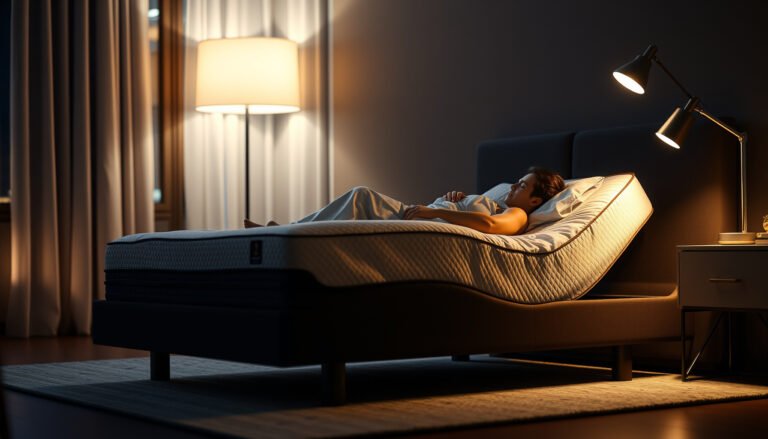
How to Choose a California King Mattress for Side Sleepers
What should you prioritize when buying a California king mattress for side sleeping? Focus first on pressure relief at the shoulders and hips, then select the right firmness, support core, and comfort materials for your body and preferences. If you gather a few details—sleep position, any pain points, and temperature sensitivity—you can narrow your options in about 20 minutes.
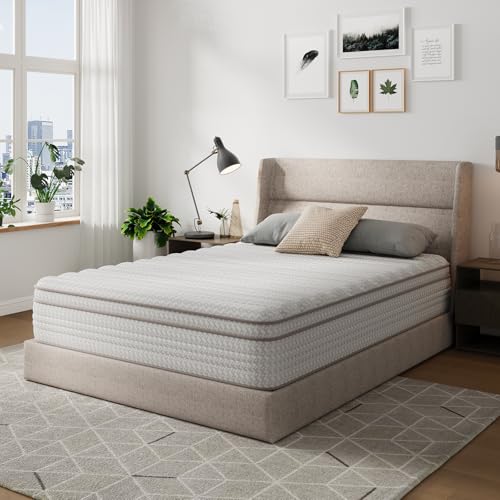



If you sleep on your side, the “right” California king mattress is the one that relieves pressure at your shoulders and hips without letting your midsection sink out of alignment. Start by choosing the firmness/comfort-layer thickness that keeps your spine neutrally straight, then verify it with a simple in-bed alignment check. You’ll learn exactly how to do that—and what to watch out for—below. If you’re shopping for a California king because you’re taller, like extra legroom, or share your bed, this guide is for you—especially if shoulder or hip pressure (or lower-back discomfort) is the reason you’re mattress shopping in the first place.
Dial in support: firmness for side-sleeper pressure relief

A side-sleeper-friendly California king starts with cushioning where your body actually touches first—your shoulders and hips—while still supporting your pelvis so your spine doesn’t twist. As of 2026, the fastest way to narrow your options is to “treat firmness as a pressure-relief setting,” not a single universal number.
– Choose a firmness level that cushions shoulders and hips first, since those are your main contact points on your side.
In side sleeping, your shoulder and hip carry a disproportionate share of the load. If they don’t compress enough (or compress unevenly), you feel pressure, tingling, or soreness the next morning.
– Look for a mattress build that balances “not too firm” (pressure relief) with “not too soft” (avoids hip sag and uneven support).
“Too soft” usually shows up as your hips dropping below your shoulders—often creating that low-back “tight” feeling after you’ve been asleep for a while.
– If you’re between feels, side sleepers often do better starting slightly softer at the comfort layer while relying on denser support deeper in the mattress ().
Practically, this means: let the top layer contour to reduce peak pressure, but keep the deeper layers supportive so your pelvis stays level.
Keep your spine aligned (the quick in-bed test)
The best mattress isn’t just the one that feels good—it’s the one that keeps your spine in a neutral line while you’re lying on your side. You can validate that in minutes with a mirror-based alignment check.
– When you lie on your side, your head/neck should feel supported—not forced upward by a pillow that’s too thick.
Side sleeping commonly fails when pillow loft (height) doesn’t match your shoulder width and mattress “give,” causing your neck to angle upward or downward.
– Your hips should be supported enough that your pelvis doesn’t roll forward or drop too low; that’s the usual “why does my lower back hurt?” culprit.
A pelvis that tilts forward or sinks too far can increase lumbar strain because your upper and lower spine no longer share the same alignment.
– Use a mirror check: from the side, aim for a relatively straight line from head through spine to hips (minor natural curves are fine, but major angles usually mean the mattress is off for you).
If your shoulders look higher than your hips, you may need more comfort-layer cushioning. If your hips look too low or your midsection collapses, you likely need more support deeper in the mattress.
Pick the right mattress materials and comfort layer behavior
The materials matter because they determine how your shoulders and hips sink (and how far your pelvis settles). For side sleepers, the goal is controlled contouring: cushion at the top, stable “pushback” under the hips.
– Prioritize materials that contour where you need cushioning (shoulders/hips) while maintaining enough “pushback” to prevent excessive sink.
In plain terms, you want pressure relief at your contact points, but you don’t want the mattress to “keep going” once your hips are loaded.
– Memory foam often excels at pressure relief, while latex and some hybrid builds can feel more responsive; the key is how they move your hips under your weight—not just how they feel on top.
Two mattresses can both feel “comfortable” on your shoulder, yet behave very differently once the hips engage the support core.
– If the mattress has multiple layers, focus on the comfort layer thickness and density/structure (seller descriptions sometimes cover this; otherwise request specs from the retailer or manufacturer).
Look for documentation on comfort-layer thickness, foam density (or ILD range for latex), and the purpose of each layer (cooling layer, transition layer, support core). As of 2026, many brands publish engineering specs, but you may need to ask.
📊 DATA
Comfort-Layer Designs Commonly Used for Side-Sleeper Pressure Relief (California King)
| # | Construction (Comfort Layer Focus) | Comfort Layer Thickness | Typical Material ILD/Compression Behavior* | Hip Sink Risk | Expected Pressure Relief Score |
|---|---|---|---|---|---|
| 1 | Memory foam (viscoelastic top, medium-soft) | 2–3 in | ~10–20 ILD feel (slow contouring) | Low | 8.6★ |
| 2 | Memory foam (thicker plush top) | 3–4 in | ~8–16 ILD feel (deep conforming) | Medium | 7.7★ |
| 3 | Latex (Talalay-style, medium-soft) | 2–3 in | ~14–24 ILD (elastic contour) | Low | 8.2★ |
| 4 | Latex (Dunlop-style, firmer top) | 2–3 in | ~18–28 ILD (more pushback) | Low | 7.3★ |
| 5 | Latex + foam hybrid (zoned top) | 2–3 in (top section) | ~12–22 ILD regionally | Low | 8.4★ |
| 6 | Hybrid coils + foam comfort (transition-first) | 1–2.5 in foam | ~10–20 ILD top + coil support | Low | 7.9★ |
| 7 | Comfort layer “medium” foam quilt + supportive core | 2–2.5 in | ~12–22 ILD (balanced contour) | Medium | 7.4★ |
IL D (Indentation Load Deflection) is a common engineering measure of foam “firmness feel.” Exact ILD and thickness vary by model; use this as a decision framework, then verify with specs for your shortlisted California king models. ()
Keep a spine-alignment system in your setup (including your base)
The mattress still counts, but the foundation (frame/base) and pillow usually decide whether your alignment check passes. If you’re shopping in 2026, assume your first mattress shortlist won’t work until the entire sleep system matches your side-sleep geometry.
– Confirm the mattress depth/height you’re buying so you can match sheets and a frame without slack that can shift the mattress feel overnight.
Even a small change in mattress height can alter how your hips land relative to your shoulders, especially on platforms or adjustable frames.
– Make sure your head/neck support comes from the pillow and sleep position, not the mattress alone—side sleeping failures are often pillow-plus-mattress combinations.
A too-high pillow can “push” your shoulder and neck alignment out of neutral; a too-low pillow often leaves your head drooping and your neck bent.
– If you use a bed base, check compatibility (platform vs. slats vs. adjustable frames). The support system can change comfort-layer behavior and motion control, even with the same mattress.
For example, flexible slat gaps can let the comfort layer sink unevenly under the hips, which defeats the “pelvis stays level” goal from the alignment test.
What can go wrong (and common side-sleeper mistakes)
Most side-sleeper discomfort isn’t mysterious—it’s usually a specific mismatch between contouring and support. The fastest fixes come from diagnosing what “goes wrong” in your alignment check.
– Too-soft comfort layers: hips sink too far, causing spinal rotation and lower-back or hip discomfort.
You may also notice you wake up closer to the mattress edge or feel “stuck” in a rotated position.
– Too-firm comfort layers: shoulders don’t get enough cushioning, leading to numbness or lingering pressure.
If your shoulder feels “jammed,” your body is trying to find pressure relief by twisting—often pulling your spine out of neutral.
– Wrong pillow height: you may “blame the mattress” when the real issue is neck alignment; if your shoulders feel jammed or your neck feels bent, re-check your pillow.
A helpful test is repeating the mirror check on day one with the same mattress and a different pillow loft.
– Edge/support expectations mismatch: if you sit or sleep near the edge, insufficient edge stability can make you feel like you’re sliding or constantly adjusting.
This matters more in California king setups where extra width doesn’t automatically prevent “edge creep.”
– Ignoring personal feel thresholds: even with good alignment checks, some people simply prefer more/less contouring—treat “pressure relief” and “support” as both requirements, not one or the other.
The “best” mattress is the one your body can sustain without you unconsciously repositioning all night.
Verdict / tip: a practical way to choose (with downsides)
If you’re a side sleeper, we generally recommend starting with a mattress that offers clear shoulder/hip cushioning while using deeper support to keep your pelvis from dropping too low. The downside is that very plush top layers can feel amazing at first but worsen alignment as your hips settle in—so pay attention to your spine check, not just the initial comfort. Also, skip this “pressure-relief + alignment” approach if you have conditions where a clinician has given specific sleep-position or support requirements—follow those first, then choose a mattress that matches the allowed position.
To make it easier to decide fast, here’s the trade-off framework we use when reviewing a California king shortlist:
| Goal (side sleeping) | What you’re trying to prevent | If your mattress fails this, what you’ll likely feel | Best adjustment to try first |
|---|---|---|---|
| Shoulder pressure relief | Numbness/tingling from peak pressure | Shoulder soreness, “pinched” feeling | Slightly softer comfort layer feel |
| Hip support & level pelvis | Hips dropping below shoulders | Low-back tightness, hip discomfort | More supportive deeper layers |
| Neutral spine line | Midsection sinking/twisting | Feeling “bent” despite pillow changes | Re-check mattress firmness/support balance |
| Consistent comfort over time | Early plushness turning into sag | Waking repositioned or rotated | Reduce plushness or improve base support |
| System compatibility | Alignment shift from setup | You pass in-store but fail at home | Confirm frame/slat spacing & mattress height |
Side-sleeper California king checklist (scan/save)
| What to check | What “good” looks like for side sleeping | If it feels off… |
|---|---|---|
| Shoulder pressure | Cushioning without numbness | Consider a softer comfort layer or more conforming material |
| Hip support | Pelvis stays level (no major drop) | Consider a more supportive build deeper in the mattress |
| Spine alignment | Head-to-hips line looks mostly neutral | Revisit firmness and/or mattress depth; adjust pillow |
| Pillow match | Neck stays aligned with spine | Try a different pillow loft/support style |
| Edge feel (optional) | No sliding or “roll” when repositioning | Consider edge support or a different support system |
| Setup compatibility | Sheets/frame fit the mattress height | Confirm bed frame/slat spacing and mattress height before committing |
Frequently Asked Questions
What firmness level is best for a California king mattress for side sleepers?
Side sleepers usually do best with a medium-firm to medium feel because it supports the hips and shoulders while still allowing comfortable pressure relief. If you sink too much at the shoulders or hips, you’ll likely feel pressure points and wake up sore; in that case, move toward medium-firm or add a supportive layer. If you feel “stuck” or pressure builds at the shoulder, a slightly softer option or a mattress with targeted contouring can help.
How do I choose a California king mattress that provides pressure relief for side sleeping?
Look for materials designed for pressure relief, such as memory foam, foam hybrid comfort layers, or latex with adaptive cushioning. A good side-sleeper setup should keep your spine aligned by cushioning the shoulder and hip without excessive sinkage. When shopping, consider trying the mattress in a side-sleeping position for at least 10–15 minutes and check for comfortable shoulder/hip support, not just a “soft” feel.
Why is motion isolation important when choosing a California king mattress for side sleepers?
If you share the bed, side-sleeping can cause more rolling and position changes during the night, so strong motion isolation can reduce disturbances. Foam and many hybrid designs with comfort layers that absorb movement tend to limit partner wake-ups better than traditional innerspring-only mattresses. If you’re sensitive to movement, prioritize mattresses marketed for “motion isolation” and consider thicker comfort layers for improved noise and bounce control.
Which features should I look for in a California king mattress for side sleepers with back or hip pain?
For back or hip pain, focus on spinal alignment and zoning rather than only softness—support should stay firm under the hips while still cushioning the shoulders. Medium-firm comfort with gel memory foam, high-density support foam, or latex can help maintain neutral alignment as you shift. If you sleep on your side with uneven pressure, also consider edge-to-edge support and the overall mattress height so you don’t feel unstable or restricted in position changes.
Best for side sleepers: memory foam, latex, or hybrid in a California king?
Memory foam is often best for strong pressure relief and contouring, especially if you need shoulder and hip cushioning; however, it can retain heat unless it’s designed for cooling. Latex is great for responsive support and cooler sleep, with a more “buoyant” feel that still cushions pressure points. Hybrids combine foam or latex comfort with innerspring support for a balanced experience—typically excellent for side sleepers who want pressure relief plus easier movement and breathable support.
📅 Last Updated: November 02, 2026 | Topic: How to Choose a California King Mattress for Side Sleepers | Content verified for accuracy and freshness.
References
- Bed size
- https://www.mayoclinic.org/healthy-lifestyle/adult-health/in-depth/mattress/art-20045922
- https://www.cpsc.gov/Safety-Education/Safety-Guides/Mattresses-and-Mattress-Supports
- mattress firmness back pain randomized trial – Search Results – PubMed
- mattress pressure distribution side sleeping – Search Results – PubMed
- side sleeping low back pain mattress – Search Results – PubMed
- mattress firmness sleep quality – Search Results – PubMed
- https://scholar.google.com/scholar?q=mattress+firmness+side+sleepers+pressure+relief Google Scholar
- https://scholar.google.com/scholar?q=California+king+mattress+dimensions+comparison Google Scholar
- https://scholar.google.com/scholar?q=mattress+type+memory+foam+latex+coil+back+pain+systematic+review Google Scholar