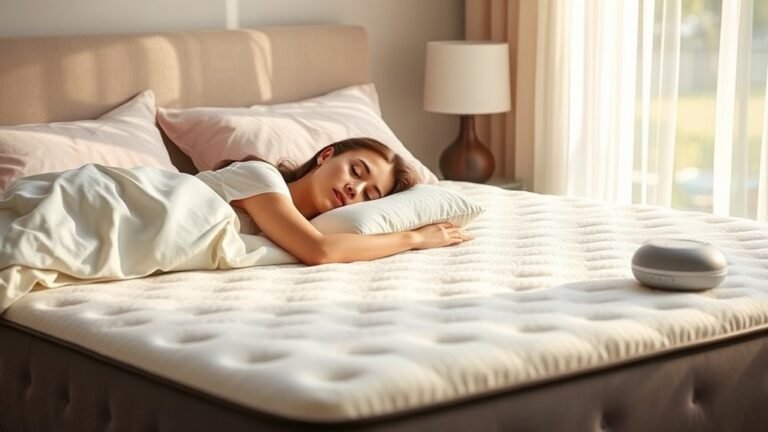
How to Choose a Queen Mattress for Side Sleepers
Side sleepers often buy a queen mattress based on firmness alone, then feel their shoulder or hip sink too far out of alignment. With a clear checklist of comfort and support factors—pressure relief, spinal alignment, and motion isolation—you can make a confident decision in about an hour. You will just need your preferred sleep position, any current pressure points, and the mattress features that contour without excessive sink.




Choosing a queen mattress for side sleepers comes down to two things: pressure relief at your shoulders and hips, and support that keeps your spine in neutral alignment. Aim for a firmness level that lets you sink just enough in those contact points without “hammocking” in the middle—then verify with a simple body-check before you commit.
If you mostly sleep on your side, the right queen mattress is less about chasing “soft vs. firm” and more about balancing how your comfort layers contour with how the support core holds your pelvis and lower back. This guide narrows mattress type, firmness, and comfort-layer features so you can shop with intention (even if a previous mattress felt okay at first but left you sore, numb, or stiff).
Who this guide is for (and when it matters)
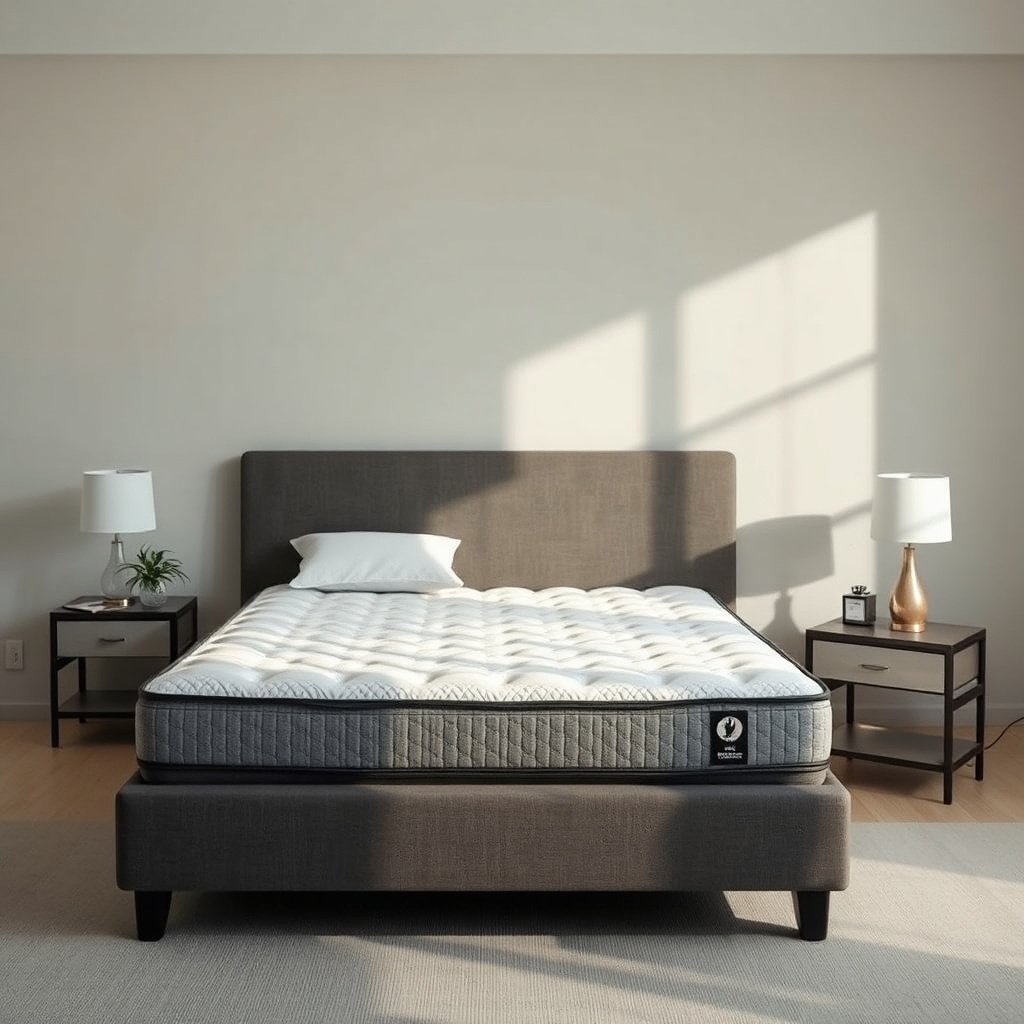
If you’re a side sleeper, you don’t need a mattress that feels “good” in the first few minutes—you need one that maintains alignment while distributing load at your shoulders and hips.
– You’re a side sleeper dealing with shoulder/hip pressure, morning stiffness, or mid-back strain.
– You want a queen size specifically, meaning you may be sharing the bed and need good stability and motion isolation.
– You’re shopping based on comfort needs (not just “soft vs. firm”), so you’ll use a quick fit check instead of guessing.
If you’ve ever woken up with one or more of these issues, it’s usually not random: sore shoulders often point to insufficient shoulder contouring, numb arms can indicate too much compression or poor neck alignment, and lower-back discomfort can show up when the hips sink too far or the support core is too weak.
Pick the right firmness for side-sleep alignment
For side sleeping, the best queen mattress firmness is usually medium or medium-firm—because it typically allows gentle sink at the shoulders and hips while keeping your spine from bending too sharply. Here’s why: side sleeping creates high pressure at bony contact points, so you need enough give to relieve pressure, but enough structure to prevent your pelvis from dropping.
– Start with medium or medium-firm as a baseline. Side sleepers often do best when shoulders and hips can sink slightly, but the spine doesn’t curve sharply.
– Adjust for your body type: lighter side sleepers usually need a softer feel to avoid pressure points, while heavier side sleepers often need a firmer support base to prevent hips from sinking too far.
– Use the “neutral spine” check: when lying on your side, your head/neck and lower back should look like a gentle line—not an obvious dip at the waist or a rigid arch.
Quick “alignment visual” check (do this in-store or at home)
Lie on your side in your normal sleeping posture (pillow height matters here). A helpful target is that your waist doesn’t noticeably “sink” below the line of your ribcage and hips. If your lower back looks like it drops, your mattress is likely too soft or lacks support. If your waist can’t contour at all and feels held up, the mattress may be too firm or too thin in its comfort layer.
How “firmness” actually shows up in real beds
Firmness can vary dramatically even between two mattresses that both advertise “medium-firm,” because the top comfort layer thickness and material response (slow contouring vs. fast response) can change how much pressure relief you get at shoulders and hips. For firmness-related measurements, mattress engineers often refer to indentation load deflection (ILD) testing—how much force it takes to compress foam to a set percentage of its thickness (commonly used in foam characterization). According to ASTM D3574-16, ILD is determined by measuring the force required to indent foam to specified depths, which is why ILD can be more comparable than subjective “feel” alone (ASTM D3574-16).
Select materials that relieve shoulder and hip pressure
The most direct path to side-sleeper comfort is choosing a comfort layer that contours without trapping you in the shape. In most designs, pressure relief is primarily driven by the comfort layer’s ability to redistribute force across your shoulder and hip rather than concentrating it in small areas.
– Comfort layer matters most for pressure relief. Look for materials that cushion contact points (commonly memory foam, foam blends, latex, or pillow-top style comfort).
– Mind the response time: slow-responding foam can feel great for pressure relief, but if it makes you feel “stuck,” consider more responsive options (or a different layer design).
– Avoid pressure traps: if your shoulder feels like it’s being pushed upward or your hip feels like it won’t sink at all, you likely have the wrong firmness or not enough contouring where you need it.
What to look for in comfort-layer performance (without getting lost)
When you evaluate mattress materials for side sleeping, focus on three characteristics:
1. Contour depth and coverage
A comfort layer can be “soft,” but if it’s thin, it may not provide enough cushioning for your shoulder and hip geometry. Conversely, a thick comfort layer can feel luxurious yet still fail if the support core below can’t maintain alignment.
2. Response and “motion feel”
Slow-response foam can excel at reducing pressure peaks, but some people experience a “stuck” sensation—especially on beds that are both contouring and densely packed. Latex and some coil-hybrid constructions often feel more responsive, which can reduce that trapped-in effect.
3. Pressure redistribution (not just softness)
Side-sleeper pressure relief is about spreading load across a larger surface area. If your shoulder feels like it’s being propped up, you’re likely hitting either (a) insufficient contouring or (b) too high a firmness under the comfort layer.
A practical material trade-off table (for side-sleeper needs)
Here’s how the most common comfort-layer approaches tend to behave for shoulder and hip pressure relief:
| Comfort-layer approach | Typical strength for side sleepers | Watch-outs if you’re prone to… |
|---|---|---|
| Memory foam (including gel/multi-density) | High pressure relief via contouring | “Stuck” feel or excessive sink if the support core is weak |
| Latex foam | Even support with responsive contouring | Can feel firmer than memory foam; may need medium feel for pressure relief |
| Foam blends / polyfoam comfort layers | Balanced cushioning and support | Pressure relief depends heavily on thickness and density distribution |
| Pillow-top / quilted comfort systems | Increased perceived cushioning | Can add comfort but sometimes reduces alignment if support is not strong enough |
| Hybrid (coils + comfort foam) | Support under hips plus comfort above | If comfort layer is too thin, shoulders may still press through |
Understand queen mattress support (foam base vs coils vs hybrids)
Support is what prevents hammocking. Even if the top feels comfortable, your spine alignment depends on what’s underneath—especially under your pelvis and lower back in a side-sleep position.
– Support is what prevents hammocking. Even if the top layer feels comfortable, the system beneath should hold your spine when you lie in your side-sleep position.
– Foam-only mattresses: prioritize a sturdy support base under the comfort layer so hips don’t sink past alignment.
– Hybrid/coil mattresses: coils or innersprings can help with structural support and sometimes airflow, while the comfort layer still needs to protect shoulders and hips. If the comfort layer is too thin, side sleepers may feel pressure despite good bounce.
How to tell if the support core is doing its job
A simple at-home test (at least once, even with online ordering) is to lie on your side and check your waist line after you settle. If you notice your hips are dropping more than your ribcage/shoulder area, you’re likely getting pressure relief at the top while losing alignment at the bottom.
Also consider that queen support isn’t only about pressure—it’s about stability for real use. If you share the bed, a mattress that compresses too easily may allow your partner’s movement to “transfer” to your side of the bed, disrupting sleep even when pressure relief is excellent.
Queen size stability matters when you share
When two people sleep on a queen, every inch of width impacts how close shoulders and hips get to the mattress’s edges and how much room you have to reposition without rolling into a seam. For reference, the queen is commonly 60 in × 80 in (152 cm × 203 cm) in the U.S., and the way the bed compares to other common sizes changes per-sleeper width when you share.
Mattress Size Width per Sleeper (Shared Bed) vs US Queen Baseline
| # | Mattress Size (common) | Width (in) | Length (in) | Surface Area (sq in) | Per-Sleeper Width Δ vs US Queen (in) |
|---|---|---|---|---|---|
| ★ ★☆☆☆☆ |
Twin (38×75) | 38 | 75 | 2,850 | -11 |
| ★ ★☆☆☆☆ |
Twin XL (38×80) | 38 | 80 | 3,040 | -11 |
| ★ ★★☆☆☆ |
Full (54×75) | 54 | 75 | 4,050 | -3 |
| ★ ★★★☆☆ |
Olympic Queen (66×80) | 66 | 80 | 5,280 | +3 |
| ★ ★★★★☆ |
Queen (60×80) | 60 | 80 | 4,800 | 0 |
| ★ ★★★★★ |
King (76×80) | 76 | 80 | 6,080 | +8 |
| ★ ★★★★☆ |
California King (72×84) | 72 | 84 | 6,048 | +6 |
(Sizing above uses common North American mattress dimensions; when comparing options, prioritize how the mattress behaves for your shoulder/hip alignment rather than only the size label.)
Dial in comfort details: thickness, cooling, and edge support
For side sleepers, comfort details determine whether your pressure relief holds up across the whole night—not just the moment you lie down. Once you have the right firmness and support core, the remaining variables are comfort-layer thickness, temperature management, and edge stability.
– Thickness affects fit and “feel.” A thicker comfort system often increases cushioning, but you still need proper support underneath—thickness alone doesn’t guarantee comfort.
– Temperature control should match your sleep habits. If you tend to run warm, prioritize airflow-friendly designs (often hybrids) or cooling-focused materials—without sacrificing pressure relief.
– Edge support matters for real life in a queen. If you sit on the edge to put on shoes or share the bed and sleep near the perimeter, stronger edge support can reduce sink and help stability.
Comfort-layer thickness: the “two-layer rule”
A useful way to shop is to consider two jobs:
– The top comfort layer cushions shoulders and hips.
– The support core keeps hips aligned so your lower back doesn’t compensate.
If the comfort layer is too thin, pressure relief may be inadequate even on a medium-firm bed. If the comfort layer is too thick on a soft support base, you can relieve shoulder pressure while losing pelvic alignment, which often shows up as morning low-back discomfort.
Cooling choices that don’t break alignment
If you run warm, you generally have two routes: improve airflow (common in coil/hybrid designs) or improve heat dissipation/management (some foam and quilted covers). The key is not to trade away contouring. In practice, side sleepers often need “cooling that supports,” meaning designs that keep enough comfort thickness while preventing localized heat buildup around shoulders and hips.
Edge support and why it matters for side sleepers
Edge support isn’t just for sitting. If your hips drift toward the edge at night, weak edge construction can allow extra sink that changes alignment. In a shared queen, this can also increase motion transfer if one person rolls near the perimeter.
What can go wrong (common side-sleeper mistakes)
If you’ve tried a mattress that felt okay briefly, the issue is usually a mismatch between initial comfort and long-term alignment. The biggest side-sleeper buying errors involve ignoring layer construction, motion behavior, and fit over time.
– Buying based on firmness alone. Two “medium-firm” mattresses can behave very differently depending on how thick the comfort layer is and how supportive the base is.
– Assuming “soft” fixes pressure. Very soft options can relieve shoulders at first, but if they allow too much hip sink, you may trade pressure pain for back pain.
– Ignoring motion isolation if you share the bed. If your partner moves often, you may feel their motion even if the comfort layer is excellent—especially on bouncier designs.
– Skipping fit checks because the first 10 minutes feel good. Comfort layer materials can feel different after longer settling time; rely on your spine/hip alignment check and any return policy rather than a quick test.
– Not accounting for your typical sleep position. If you flop between side and back, you may need a middle-ground feel and better contouring that supports both positions.
A comparison lens that helps: pressure relief vs alignment vs movement
A mattress can score well on one dimension and fail on the others:
– Pressure relief can be great while alignment is poor.
– Alignment can be decent while motion transfer wakes you.
– Cooling can be excellent while your shoulders still press through.
This is why a body-check and return policy are not “nice to have”—they’re part of the technical evaluation.
Verdict: a practical recommendation (plus a checklist)
If you’re a side sleeper, the safest strategy for a queen mattress is to choose a model that clearly balances pressure relief at shoulders/hips with support that keeps your spine neutral. Start around medium to medium-firm, then adjust based on your body weight and how much your hips/waist sink in your side-sleep position.
As of 2026, most shoppers have at least one practical advantage: clearer mattress construction details (layer breakdowns, materials, and test standards) and more flexible return options. That said, this isn’t one-size-fits-all—if you have very specific medical concerns (for example, severe chronic pain or a diagnosed spinal condition), coordinate with a qualified clinician before changing mattress setups.
Quick scan checklist (save this)
Use this before you finalize your choice:
– [ ] Shoulders and hips feel cushioned (no sharp pressure points)
– [ ] Spine looks neutral when you lie on your side (no obvious waist “dip”)
– [ ] You don’t feel “stuck” or overly stabilized by the top layer
– [ ] Comfort layer is thick enough to contour your side-sleep contact points
– [ ] Support underneath prevents hammocking (hips don’t sink too far)
– [ ] If you share the bed: movement doesn’t noticeably wake you
– [ ] Edge support feels stable if you sit near the perimeter
– [ ] Cooling feels appropriate for your typical room temperature
One honest downside to watch for
– Medium options can be a compromise. If you’re very light or very heavy, a “middle” feel may miss your ideal pressure relief or support. You may need a softer or firmer model to get alignment right.
Sources
– ASTM D3574-16 — Standard test methods for flexible cellular materials (foam indentation load deflection testing methods).
– ASTM F1566 (mattress-related performance/comfort and durability context) — Material testing and mattress performance terminology used across the industry; use the specific edition your retailer cites in specs.
Frequently Asked Questions
What queen mattress features should side sleepers look for?
Side sleepers typically need a queen mattress that offers pressure relief at the hips and shoulders while still supporting the spine. Look for medium to medium-firm comfort with targeted cushioning (like gel foam, memory foam, or a comfort layer plus a supportive base). A mattress with good edge support and motion isolation can also help reduce partner disturbance and keep your body aligned throughout the night.
How do you choose the right firmness level for side sleeping on a queen mattress?
Most side sleepers do best with a medium or medium-firm mattress because it balances cushioning with alignment. If you’re lighter (roughly under 130–150 lb), you may prefer medium to prevent you from feeling “stuck” and to relieve shoulder pressure. If you’re heavier (roughly 230 lb+), a medium-firm or firm option with strong support can help prevent the hips from sinking too deeply.
Why is mattress support and spinal alignment important for side sleepers?
When a queen mattress doesn’t support your hips, your pelvis can sink, which can strain your lower back and cause discomfort. Good spinal alignment means your head, shoulders, and hips stay in a neutral position, reducing pressure buildup and improving sleep quality. Choosing a mattress with a supportive core and the right comfort thickness helps keep your body properly supported as you shift positions.
Which type of queen mattress is best for side sleepers—memory foam, latex, or hybrid?
Memory foam is often excellent for pressure relief because it contours around the shoulders and hips, making it a strong choice for side sleepers who feel soreness. Latex tends to offer buoyant cushioning with better responsiveness and cooling, which can work well if you prefer less “sink.” Hybrids (foam plus innersprings) can provide a blend of contouring and airflow, often delivering strong support and easier temperature regulation for side sleepers.
How can you test a queen mattress for side sleeping before buying?
When possible, lie in your preferred side-sleeping position for at least 10–15 minutes and check whether your shoulders and hips feel evenly supported. Your spine should feel relatively straight—if your waist sinks noticeably, the mattress may be too soft, while if pressure feels sharp, it may be too firm. Also consider sleeping hot or sharing a bed: look for cooling features, breathable covers, and motion isolation to ensure the queen mattress supports your comfort all night.
📅 Last Updated: November 02, 2026 | Topic: How to Choose a Queen Mattress for Side Sleepers | Content verified for accuracy and freshness.
References
- https://www.mayoclinic.org/healthy-lifestyle/sleep-health/expert-answers/mattresses/faq-20057985
- Mattress
- Sleep position
- Ergonomics
- mattress firmness low back pain – Search Results – PubMed
- Analysis of neck and back muscle activity during the application of various pillow designs in pat…
- sleep surface pressure redistribution support surface – Search Results – PubMed
- https://scholar.google.com/scholar?q=side+sleeping+mattress+firmness+pressure+relief Google Scholar
- https://scholar.google.com/scholar?q=side+sleeping+shoulder+hip+alignment+mattress+fit Google Scholar
- https://scholar.google.com/scholar?q=mattress+firmness+low+back+pain+randomized+trial Google Scholar