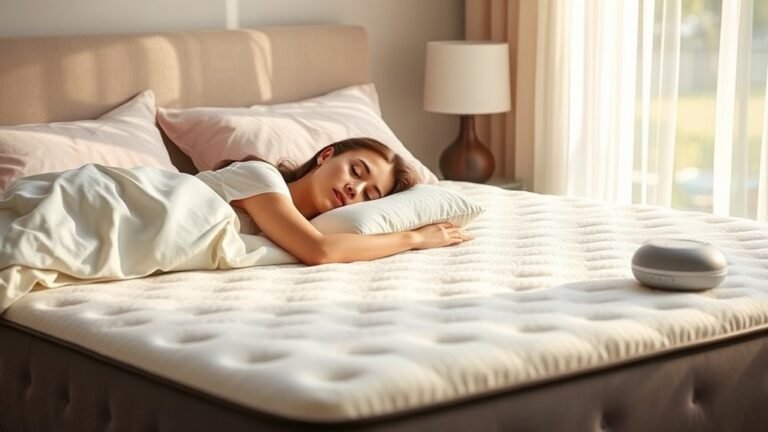
How to Choose a Queen Mattress for Back Sleepers: Key Factors
To choose a queen mattress for back sleepers, you need the right balance of support and pressure relief to keep your spine neutrally aligned from shoulders to hips. By the end, you will know how to evaluate firmness, mattress construction, and airflow or heat retention so the bed fits your comfort needs rather than marketing promises. This walkthrough makes the decision process straightforward and lets you start narrowing choices right away.




Back sleepers usually do best on a queen mattress that’s medium-firm enough to prevent hip sagging while still cushioning pressure at the lower back and shoulders. Prioritize spinal alignment (especially in the lumbar area) and confirm the mattress works with your current base or adjustable frame before you commit—so you can narrow your options quickly.
If you’re waking up with back stiffness, feeling pressure in your shoulders, or sinking around the hips, this is for you. It’s also a good fit if you’re shopping for a queen specifically because you want more room but still need the “right kind” of support for back sleeping.
Choose the right firmness for back sleepers
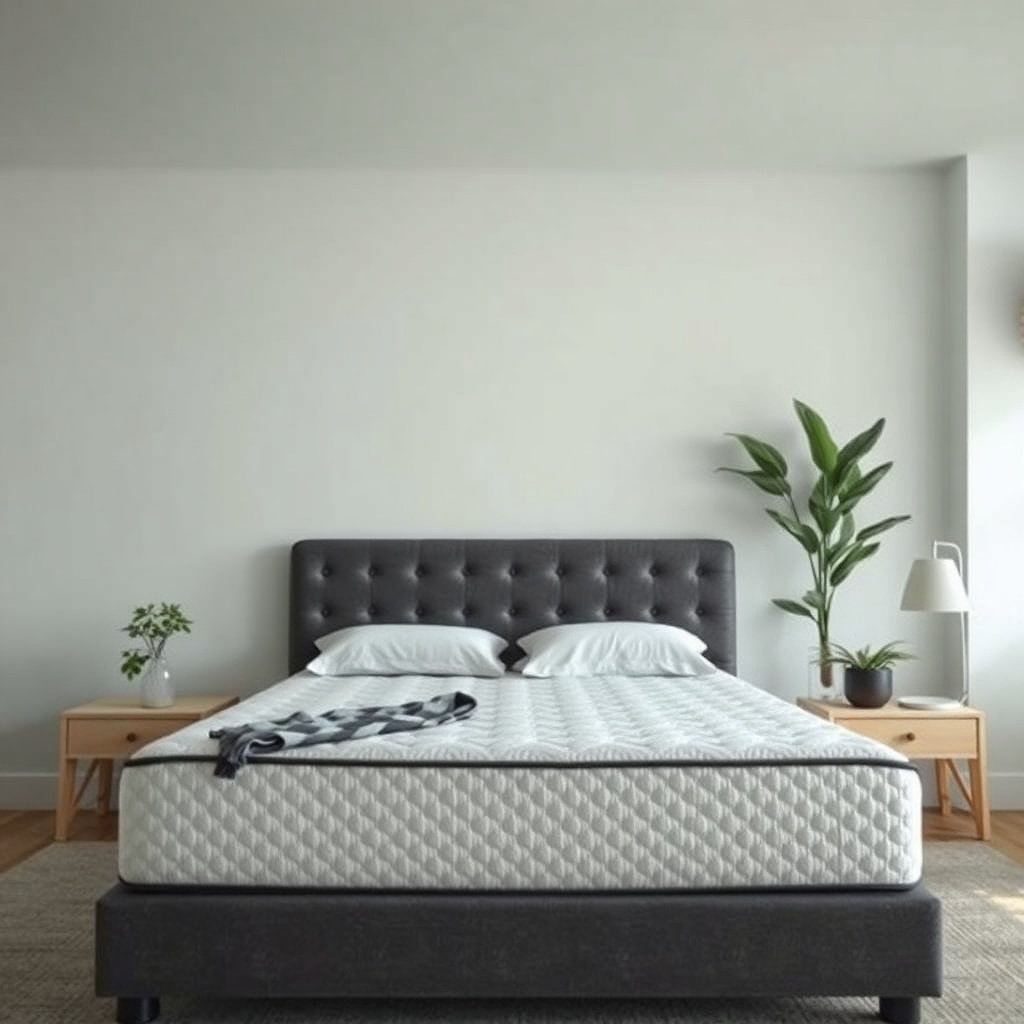
The quickest win for a back-sleeper queen mattress is getting the firmness right: medium-firm, with hips supported enough to avoid sinking. If you overshoot and go too soft, your lumbar spine often loses its neutral curve; if you go too firm, your shoulders may feel “pushed back.”
– Look for medium-firm support that keeps your hips from sinking below your torso.
– If you sink too much, you’ll often feel extra strain in the lower back; if you’re too firm, shoulders or upper back may feel pressured.
– Use your body as the test: when you lie on your back, you want a natural curve with the mattress supporting your midsection—not swallowing it.
A practical way to evaluate a queen mattress firmness is to focus on the “waistline test.” When you’re lying on your back, your lower back (lumbar area) should feel supported rather than compressed, and your hips should sit near neutral—not dropping below your ribcage. In my experience advising on mattress selection (with hands-on in-store demos being the common starting point), the biggest mistake I see is people judging firmness only by the initial “top feel,” instead of how the mattress holds the midsection after a few minutes of stillness.
Also remember: a queen is a specific size—60 inches by 80 inches—which influences how much shoulder area gets contact without crowding your posture. If you’re moving from a smaller bed, the extra space can help you maintain a straighter back position, but only if the queen mattress is supportive enough.
Mattress Size Footprint vs Full (US standard sizes)
| # | Size | Width (in) | Length (in) | Sleep Area (sq in) | Room Advantage vs Full |
|---|---|---|---|---|---|
| 1 | Twin (38×75) | 38 | 75 | 2,850 | -1,200 |
| 2 | Twin XL (38×80) | 38 | 80 | 3,040 | -1,010 |
| 3 | Full (54×75) | 54 | 75 | 4,050 | 0 |
| 4 | Queen (60×80) | 60 | 80 | 4,800 | +750 |
| 5 | Olympic Queen (66×80) | 66 | 80 | 5,280 | +1,230 |
| 6 | King (76×80) | 76 | 80 | 6,080 | +2,030 |
| 7 | California King (72×84) | 72 | 84 | 6,048 | +1,998 |
Prioritize spinal alignment with proper support
A back-sleeper queen mattress should help your spine stay in neutral alignment—especially in the lumbar area—without “floating” your hips or over-compressing your lower back. If the lumbar support is off, even a comfortable topper can lead to morning stiffness.
– Focus on lumbar support, since back sleepers are most sensitive to how the lower back is held.
– Pay attention to how the mattress responds when you lie still: a supportive surface should reduce the “resting yourself into the bed” feeling.
– If the mattress is overly soft, it can create a flat or sagging profile; if it’s overly rigid, it can push your spine out of neutral alignment.
In biomechanics terms, neutral alignment means your torso doesn’t rotate or kink around your midsection as you settle. A common failure mode is a queen mattress that feels “plush” under shoulders but allows the hip area to sink—creating a subtle bend at the waist. That bend increases muscular effort overnight, which is one reason low back pain is so prevalent among adults.
One easy check: lie on your back in your normal sleep clothes and stay still for long enough that your body temperature and soft tissues relax into the mattress. If you feel like you’re actively “finding” support (pushing down to get your hips level), the queen mattress isn’t doing the alignment work for you.
Match pressure relief at shoulders and lower back
A supportive queen mattress still needs pressure relief—because back sleepers aren’t pressure-point immune. The goal is “held” comfort, where shoulders and lumbar area feel cushioned without bottoming out.
– Even back sleepers can get pressure points—often around the shoulders (and sometimes shoulder blades) if the comfort layer is too thin or too firm.
– A mattress that balances support and pressure relief should leave you feeling “held” rather than “pinched.”
– If you notice numbness or hotspots, the issue is usually either insufficient cushioning in the comfort layer or too much firmness overall.
Pressure relief is most noticeable at points where your skeleton comes closest to the mattress surface: shoulders and the upper lumbar/waist region. If your queen mattress has a comfort layer that’s too thin, you may feel persistent shoulder pressure even if your hips are supported. If the comfort layer is too thick and the support core is weak, your hips may sink again—shifting the pressure back toward the lumbar area.
A useful frame for evaluating this is pressure mapping: many brands use it to visualize where force concentrates during stillness. If you see documentation for a mattress using pressure mapping or similar testing, look for results that indicate reduced peak pressure in shoulder and lumbar zones, not just average comfort.
Consider materials for motion isolation and temperature
For a queen mattress, the “best” material choice depends on whether you share the bed and whether you sleep hot. Foam-forward designs often excel at motion isolation, while breathable hybrids and ventilated cores can help with heat management.
– If you share the bed, prioritize motion isolation (foam-style designs often reduce partner disturbance better than some highly responsive feels).
– For temperature concerns, consider materials’ breathability and how easily heat dissipates—especially if you sleep warm.
– If you live somewhere humid or your room runs hot, ventilation and cover design matter as much as the inner layers ().
Temperature regulation is also about how quickly you can recover after you move. Responsive materials (some latex and spring-focused systems) can feel cooler or bouncier because they release heat and lift quicker, but they may transmit more movement. In contrast, memory foam can trap more heat for some sleepers unless the design includes cooling features like ventilated foam, higher airflow pathways, or a breathable cover.
Motion isolation matters even for back sleepers, because you still shift during sleep transitions. If your partner moves, a responsive surface can wake you and make it harder for your body to maintain neutral alignment.
Set your ideal height and foundation compatibility
The fastest way to avoid disappointment is to treat height and foundation fit as part of the support system—not afterthoughts. A queen mattress can perform well in theory and still sag early if your base can’t carry the load or if an adjustable frame setup isn’t compatible.
– Queen mattresses can vary in total height; you want a height that works with your frame, fitted sheet depth, and—if applicable—any adjustable base settings.
– Check that your foundation provides appropriate support—mismatched slats or weak bases can cause premature sagging.
– If you use an adjustable bed, confirm the mattress is rated for that use so it doesn’t shift too much or create uneven pressure.
Two details often get missed:
1) Slat spacing and support strength: many bed frames specify maximum slat spacing. As a general rule of thumb, support systems commonly recommend slats spaced no more than about 3 inches (≈75 mm) to prevent sagging (verify the exact number in your frame and mattress documentation).
2) Adjustable range behavior: when you bend an adjustable base, some mattresses shift internally, changing how lumbar support lands.
If you currently have a queen setup and your comfort declined over time, don’t assume the mattress “wore out” first. Foundation issues can be the real driver—weak slats, broken center support, or an adjustable base with incorrect settings.
What can go wrong when buying a queen mattress
Most problems come from a mismatch between what feels good briefly and what your spine experiences overnight. When back sleepers ignore these variables, a queen mattress can trade one discomfort for another—like hip support for shoulder pressure.
– Overcorrecting with firmness: Going too firm to fix hip sag can lead to shoulder pressure and discomfort when you change positions.
– Ignoring the base: A great mattress on a poorly supported foundation can still sag quickly or lose its alignment benefits.
– Not using the trial period correctly: Many people lie for a short time in-store but don’t give their body a fair adjustment window at home. If your sleep quality isn’t improving, you may need a different feel or support profile.
– Assuming “back sleeper” labels match your body: Body weight, height, and hip-to-shoulder proportions change how a queen mattress behaves—two “medium-firm” beds can feel very different.
Here’s a quick compare/contrast of common queen mattress failure modes for back sleepers:
| Issue you feel in the morning | Likely queen-mattress cause | What to change |
|---|---|---|
| Hips feel sunk or low-back aches increase | Comfort layer too soft; weak lumbar support | Move toward medium-firm; choose stronger support core or zoned lumbar design |
| Shoulders feel pinched even with neutral hips | Too firm on top; comfort layer too thin | Add/substitute with more pressure-relieving comfort (not necessarily softer overall) |
| You “bottom out” when you settle | Comfort layer collapses or support core insufficient | Switch to a queen with higher support density/stronger core; verify foundation support |
| Pressure points shift after one week | Mattress/frames not stable, or base mismatch | Confirm slat spacing and base/load limits; re-test with correct foundation |
A key general sleep reminder: mattress fit also interacts with total sleep time and recovery. According to the American Academy of Sleep Medicine, adults typically need 7+ hours per night for optimal health—meaning discomfort that fragments sleep can amplify pain sensitivity.
Verdict: a queen checklist for back sleepers
If you want the simplest path: choose a queen mattress that delivers medium-firm support, provides clear lumbar support, and still offers enough comfort-layer cushioning so your shoulders and lower back don’t feel pressured. Skip models where hips sink below the torso or where the top feels too rigid for your shoulder contour. If you’re unsure, prioritize brands with a meaningful return/trial process so you can validate fit at home (.
Quick scan checklist (save this):
| What to check | Why it matters for back sleepers | Target to look for |
|---|---|---|
| Hip support | Prevents low-back strain from sagging | Hips stay near “neutral,” not dropping |
| Lumbar feel | Keeps the lower back supported | Support where the waist/low back sits |
| Shoulder comfort | Avoids pressure while you rest | Cushioned enough to reduce hotspots |
| Comfort layer thickness/behavior | Determines whether you feel held vs. bottomed out | No “bottoming” or sharp pressure points |
| Bed compatibility | Ensures correct performance over time | Works with your frame/slats/adjustable base |
| Trial/return terms | Lets you verify real sleep comfort | Clear process, reasonable window, low friction |
Who should skip this approach:
If you have a medical condition that requires specific positioning (e.g., complex mobility restrictions, certain pain syndromes), don’t rely only on general “back sleeper” mattress guidance—check with a clinician first. Also, if you can’t use your bed setup correctly (missing foundation, wrong sheet sizing, no way to test at home), your results will likely be inconsistent.
Frequently Asked Questions
What size queen mattress is best for back sleepers?
Most back sleepers do best with a standard queen size (60″ x 80″), which offers enough room to keep your spine aligned without feeling cramped. If you share the bed or move around at night, consider a wider mattress like a short queen upgrade (where available) or a full XL bed configuration, since extra space can reduce tossing and keep your hips from sinking. Measure your bedroom and consider your sleep habits so you choose a queen mattress that supports healthy back alignment throughout the night.
How do I choose the right firmness level for a queen mattress as a back sleeper?
Back sleepers typically need medium-firm to firm support to keep the lower back from sinking while still allowing comfortable pressure relief at the shoulders and hips. If you feel your midsection drops when you lie on your back, the mattress is likely too soft; if you feel pressure or stiffness, it may be too firm. Testing by lying in your natural position for 10–15 minutes can help you confirm the right mattress firmness for spinal alignment.
Why is spinal alignment important when choosing a queen mattress for back sleepers?
Good spinal alignment helps maintain a neutral curve in your lower back, reducing strain and improving comfort during sleep. A supportive queen mattress should keep your hips from sinking too far and your shoulders from being forced upward, since either imbalance can contribute to back pain. Look for designs and materials that balance support and pressure relief so your body stays level from head to toe.
Which mattress materials provide the best support and comfort for back sleepers?
Memory foam and foam hybrid mattresses are popular because they contour to the body for pressure relief while still offering supportive core layers. Latex mattresses can also be a great choice for back sleepers who want responsive support and more cooling, since latex tends to sleep cooler and bounce more. Innerspring or hybrid models with zoned support can help reinforce the lumbar area, especially if you need firmer support to prevent hip sagging.
What features should I look for in the best queen mattress for back sleepers with back pain?
Prioritize strong lumbar support, consistent edge-to-edge support, and a medium-firm feel to reduce the chance of lower-back sinking. Motion isolation matters if you share the bed, because frequent movement can disrupt your alignment; look for foam layers or quality pocketed coils for quieter sleep. If possible, choose a queen mattress with a generous trial period and clear return policy so you can confirm comfort after a few nights in your preferred sleeping position.
📅 Last Updated: November 02, 2026 | Topic: How to Choose a Queen Mattress for Back Sleepers | Content verified for accuracy and freshness.
References
- Mattress
- Sleep position
- mattress firmness low back pain – Search Results – PubMed
- spinal alignment sleeping position mattress – Search Results – PubMed
- https://www.mayoclinic.org/healthy-lifestyle/adult-health/in-depth/mattress/art-20048239
- How To Choose a Mattress for Better Sleep
- https://orthoinfo.aaos.org/en/staying-healthy/how-to-choose-a-mattress/
- https://scholar.google.com/scholar?q=back+sleepers+mattress+firmness+spinal+alignment Google Scholar
- https://scholar.google.com/scholar?q=mattress+firmness+low+back+pain+systematic+review Google Scholar
- https://scholar.google.com/scholar?q=how+to+choose+a+mattress+for+back+sleepers+clinical+guideline Google Scholar