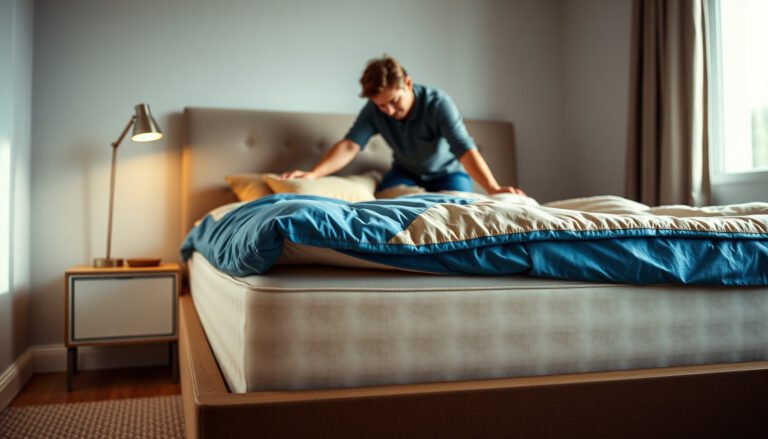
How to Clean a Gel-Infused Mattress with Pet Hair Spills Naturally
Pet hair stuck in the surface of a gel-infused mattress can feel impossible to remove without damaging the cooling feel. You can lift and refresh it naturally using simple tools—vacuum with a brush, a damp microfiber cloth, baking soda for odors, and a gentle cleaner for any spills—then allow it to dry thoroughly for safe rest.




If your gel-infused mattress is dealing with pet hair and a spill, the safest natural approach is: remove hair gently first, then spot-clean with a mild natural solution and let it fully dry. You’ll learn a step-by-step method that protects the gel layer, lifts fur effectively, and prevents odors or lingering damp spots.
If you have a gel-infused or “cooling gel” mattress and your pet hair is mixed with an accident (food, water, urine, mud, etc.), this guide is for you. It’s also useful if you want a natural cleaning routine without harsh chemicals, while still being careful about how moisture affects mattress materials.
Step 1: Get Loose Pet Hair Off (Before Any Moisture)

Removing pet hair first is the fastest way to prevent fur from acting like a sponge inside your gel-infused mattress cover. Once hair is loosened, you can spot-clean without pushing gunk deeper into the cooling gel layer.
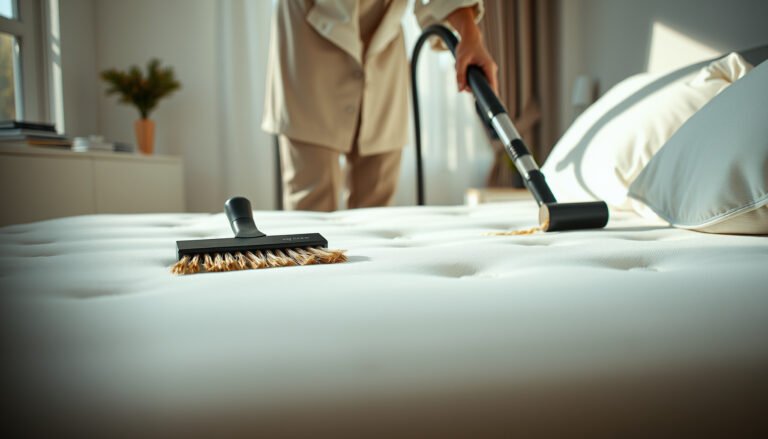
– Use a vacuum with an upholstery attachment (or a rubber pet-hair brush) in slow, consistent passes to lift fur from the surface.
– Tip: Keep the nozzle moving; don’t press hard against the mattress, especially over the gel area where pressure can distort the fabric.
– For stubborn hair, lightly mist with clean water on a cloth (not directly on the mattress), then blot and vacuum again to gather fibers.
– This “cloth-mist” method helps you avoid wetting the gel-infused mattress prematurely.
Why this matters on a gel-infused mattress: pet hair traps moisture and cleaning residue. When you spot-clean, the water + loosened fur can spread beyond the spill, creating a wider damp zone that takes longer to dry.
Step 2: Identify the Spill Type and Act Fast
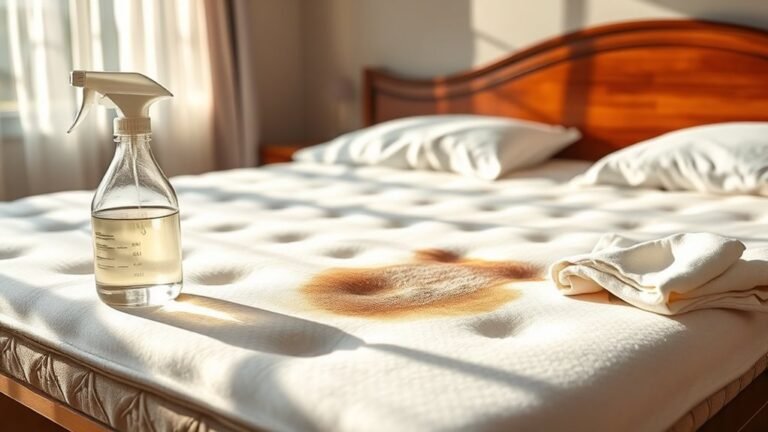
Act fast by blotting first—your priority is stopping liquid from traveling down into the mattress layers. For a gel-infused mattress, speed matters because the cover and comfort layers can hold onto moisture even if the surface looks “clean.”
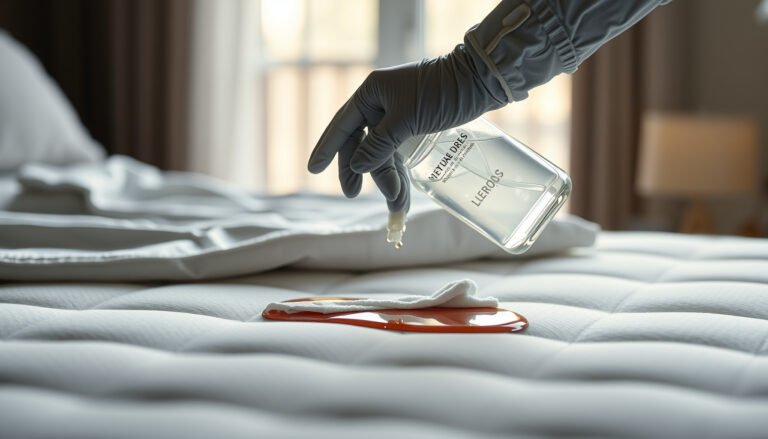
– Blot immediately with clean towels to absorb as much liquid as possible—avoid rubbing, which pushes mess deeper.
– Work from the outer edge of the spill toward the center to contain it.
– If you don’t know what it is, start with the mildest option (water + gentle cleaner) and test a hidden corner first.
– Many pet-related accidents (especially food or mud) can smear if you start with a strong solution.
Practical guidance for gel-infused mattress care: most “cooling gel” systems rely on a comfort layer above foam and a fabric cover above that. Even when the gel is relatively contained, moisture can still travel through seams, piping, and stitching—so in Step 2, think “absorb,” not “scrub.”
Step 3: Use Natural Spot-Cleaning That’s Gel-Friendly
You’ll protect a gel-infused mattress best by applying cleaner to a cloth and blotting in rounds—never by saturating the surface. This approach limits moisture exposure while still lifting stains and residues out of the cover.
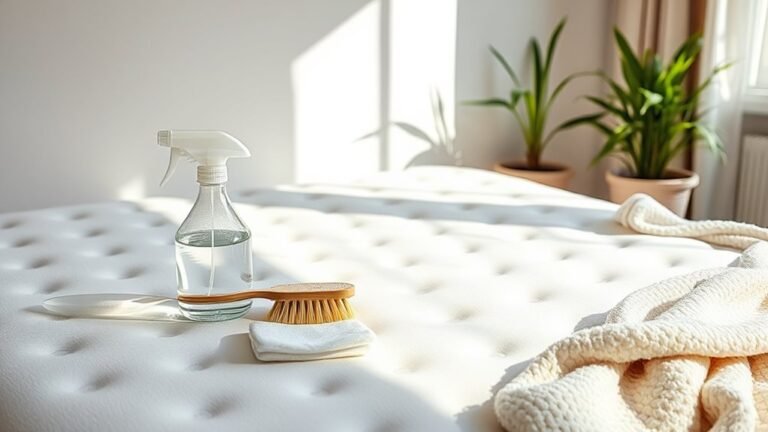
– Mix a gentle solution like: 1 cup (240 mL) warm distilled water + 1 teaspoon (5 mL) clear, fragrance-free dish soap (or a gentle castile-style soap).
– Apply to a cloth first, then blot the stain—don’t pour.
– Repeat small blotting rounds instead of soaking—gel-infused toppers can be more vulnerable to deep saturation.
– After each round, use a second clean towel lightly dampened with plain water to “rinse blot” (remove soap film), then dry-blot again.
For gel-infused mattress spills that smell like urine: you can use a mild vinegar solution instead of (or before) the dish soap mix. Use 1 tablespoon (15 mL) white vinegar (typical household vinegar is ~5% acetic acid) in 1 cup (240 mL) water, applied to a cloth and blotted the same way.
According to PubChem, acetic acid (the active in vinegar) has a molar mass of 60.05 g/mol (PubChem, accessed 2026). That matters because vinegar’s smell and cleaning action come from acetic acid, so dilution is the key to reducing fabric impact on your gel-infused mattress.
Step 4: Remove Odors Naturally (Without Soaking)
Baking soda is the low-moisture odor-control step that works well after you’ve removed hair and blotted a spill on a gel-infused mattress. It helps absorb lingering smells without adding more liquid to the cooling gel comfort layers.
– After blotting, sprinkle a thin layer of baking soda over the affected area once the surface is mostly dry.
– Let it sit for 8–10 hours (often overnight) to give it time to absorb odor.
– Vacuum baking soda thoroughly; if odor remains, repeat the baking soda step rather than adding more liquid.
Why baking soda is a practical choice for a gel-infused mattress: it’s chemically sodium bicarbonate, and it doesn’t require soaking to work as a deodorizer. According to PubChem, sodium bicarbonate (baking soda) has a molar mass of 84.01 g/mol (PubChem, accessed 2026). That stability is one reason it’s widely used as a dry odor absorber in fabric-cleaning routines for cooling gel mattresses.
Natural Ingredients Commonly Used for Pet-Hair Odor Cleanup (Gel Mattress Safe by Method)
| # | Ingredient (Natural Cleaner) | Primary Active | Common Household Form | Molar Mass (g/mol) |
|---|---|---|---|---|
| 1 | Distilled water | H₂O | Neutral dilution liquid | 18.02 |
| 2 | White vinegar | Acetic acid | ~5% acetic acid solution | 60.05 |
| 3 | Baking soda | Sodium bicarbonate | Dry deodorizer powder | 84.01 |
| 4 | Citric acid (for spot mixes) | Citric acid | Powder or dilute solution | 192.12 |
| 5 | Table salt | Sodium chloride | Absorbent for fresh spills | 58.44 |
| 6 | Hydrogen peroxide (3%—stain support) | H₂O₂ | Common household strength | 34.01 |
| 7 | Epsom salt | Magnesium sulfate | Absorbent / mix-inspector | 120.37 |
Step 5: Dry Correctly to Prevent Trapped Moisture
Drying is where most gel-infused mattress cleaning results succeed or fail. If moisture remains, you risk odors returning and a “damp core” that takes far longer to recover than you expect.
– Air-dry with airflow: use a fan and keep the mattress uncovered when possible; aim for completely dry before remaking the bed.
– If moisture got deep, consider rotating or propping the mattress to improve airflow—but avoid forcing the mattress into a shape that strains seams.
A safety note for gel-infused mattresses: don’t use heat weapons (hair dryers, steamers, aggressive dryers). Heat can warp the comfort materials and drive odor deeper into the gel layer. Also, avoid mixing cleaners you “think” are natural—many “natural” products still contain reactive chemicals. According to the CDC, combining bleach with other cleaners can create dangerous gases; ventilate and do not mix products (CDC, 2024). That’s especially important when you’re treating a cooling gel mattress where you may re-clean in multiple rounds.
What Can Go Wrong (And How to Avoid It)
The most common failures with a gel-infused mattress come from over-wetting, skipping pet-hair removal, or using a cleaner that your cover can’t tolerate. If you avoid those three issues, natural cleanup is usually reliable—especially for smaller pet hair spills.
– Over-wetting: if you apply cleaner directly and the area stays damp, you can risk lingering odors or damage to the inner layers—always apply to a cloth and blot.
– Skipping the pet-hair removal step: fur can hold onto moisture and stain residue, making cleanup harder and leaving more odor.
– Using the wrong cleaner: strong enzymes, bleach, or heavy essential-oil blends may be too harsh for some mattress covers—check your mattress care label for approved cleaning methods.
DIY natural vs. professional cleaning for gel-infused mattresses (decision support)
If you’re unsure how cautious to be with moisture, this quick comparison can help you choose the safest route for a cooling gel mattress.
| Criterion | DIY natural method | Professional cleaning |
|---|---|---|
| Best for spill size | Small to moderate | Small to heavy / large incidents |
| Moisture exposure control | High (blotting + minimal liquid) | Variable (depends on method used) |
| Odor removal consistency | Good with baking soda + full dry | Often stronger for set-in urine odors |
| Gel layer risk | Lower if you never soak | Depends on their gel-safe approach |
| Time required | Longer (repeat blot + overnight dry) | Often faster overall |
| Cost | Lower (materials only) | Higher (service fees) |
| Allergen considerations | You control products and drying | Ask about their pet-safe protocols |
| Warranty / care-label compliance | Risk if you ignore label moisture rules | Better if they follow manufacturer guidance |
| When it’s “worth it” | When you can fully dry and repeat as needed | When odor is persistent or spill is deep |
| Risk of residue | Higher if you don’t rinse-blot soap away | Lower with professional extraction (if used) |
| Best For | Owners in 2026 who want a gentle, moisture-minimizing gel-infused mattress routine | Cases where the cooling gel mattress smells still return after DIY or the spill is large/deep |
Verdict: A Natural Method That Works—With One Big Condition
A natural approach (gentle hair removal, blotting, mild spot-cleaning, then baking soda odor control) is a solid choice for gel-infused mattresses because it reduces moisture exposure and helps lift fur and residue safely. The downside is that it takes patience: natural methods often require repeat blotting and thorough drying.
Skip DIY and go professional (or follow the manufacturer’s process) if the spill is very large, deeply saturated, or your gel-infused mattress care label forbids moisture beyond light surface treatment. Also skip if you can’t guarantee complete drying before use—because trapped dampness is where odor returns.
Quick Checklist (Save This)
– [ ] Vacuum/pet-hair brush first (before any liquid)
– [ ] Blot spill fast—no rubbing
– [ ] Test cleaner on a hidden corner
– [ ] Apply solution to a cloth, blot in rounds
– [ ] Baking soda for odor after surface is mostly dry
– [ ] Dry fully with airflow before making the bed
Frequently Asked Questions
What’s the safest way to clean a gel-infused mattress with pet hair and spills without damaging the cooling layer?
Start by removing loose pet hair with a vacuum using an upholstery attachment or a damp rubber glove to lift hair gently. For spills, blot (don’t rub) with a clean microfiber cloth and cold water or a mild natural solution like diluted white vinegar. Avoid soaking the gel-infused areas—too much moisture can affect the mattress padding and drying time. Always let the mattress air-dry fully before using it again.
How do I remove pet hair from a gel mattress naturally before cleaning a spill?
Lightly dampen a rubber glove or a microfiber cloth and sweep across the surface to gather pet hair into clumps. Then vacuum in slow passes, focusing on seams, edges, and any tufted areas where hair collects. If hair is embedded, use a slightly sticky lint roller or a natural fiber brush, but keep pressure gentle to protect the mattress top. Cleaning pet hair first prevents hair from turning into residue when you treat the spill.
How can I clean a pet accident spill on a gel-infused mattress naturally without leaving odors?
Blot the spill immediately with a dry towel, then use a mixture of equal parts water and white vinegar to lift stains and neutralize odors. After blotting, sprinkle a thin layer of baking soda over the damp area and let it sit until fully dry, then vacuum it up. This baking soda step helps absorb lingering moisture and smells. Repeat blotting as needed, but keep the gel mattress dampness minimal to support faster drying.
What is the best natural cleaning solution for gel-infused mattresses—vinegar, baking soda, or hydrogen peroxide?
For most pet-related spills, diluted white vinegar is a good first-line natural cleaner because it’s effective and generally safe when used in moderation. Baking soda works best as a deodorizing absorbent after the area is treated and allowed to dry. Skip hydrogen peroxide unless the manufacturer explicitly allows it, since stronger or repeated use can discolor fabrics and doesn’t always suit gel foam and covers. When in doubt, spot-test any solution on a hidden seam and follow the mattress care instructions.
Which drying method works best to prevent mold after cleaning gel-infused mattress spills with natural products?
Use airflow as your primary drying method: prop the mattress upright if possible and run a fan nearby to speed moisture evaporation. Avoid direct high heat or harsh sun exposure that could warp the mattress cover or affect gel materials. If humidity is high, consider using a dehumidifier in the room and keep windows open. Make sure the mattress is completely dry to the touch before putting on sheets, especially where spills may have penetrated.
📅 Last Updated: November 25, 2026 | Topic: How to Clean a Gel-Infused Mattress with Pet Hair Spills Naturally | Content verified for accuracy and freshness.
References
- https://www.mayoclinic.org/healthy-lifestyle/adult-health/in-depth/how-to-clean-your-mattress/art-20048275
- https://www.cdc.gov/parasites/dustmites/index.html
- Memory foam
- House dust mite
- Mattress
- pet dander removal carpet upholstery cleaning – Search Results – PubMed
- https://scholar.google.com/scholar?q=how+to+clean+pet+hair+from+upholstery+and+carpets+mattress Google Scholar
- https://scholar.google.com/scholar?q=how+to+clean+gel+memory+foam+matress+care+water+spot+cleaning Google Scholar
- https://scholar.google.com/scholar?q=cleaning+to+reduce+pet+dander+and+allergens+in+the+home+vacuum+HEPA+wash+bedding Google Scholar