How to Select a Firm Mattress for Stomach Sleepers with Coastal Allergies
What firm mattress will actually support a stomach sleeper living with coastal allergies? Choose one with pressure-relieving firmness that keeps your hips from sinking, paired with an allergy-smart build—think low-VOC materials, effective dust-mite barriers, and washable covers designed for high humidity. In the next few minutes, you can narrow your options to the right feel and construction, so you sleep cooler, cleaner, and more comfortably.


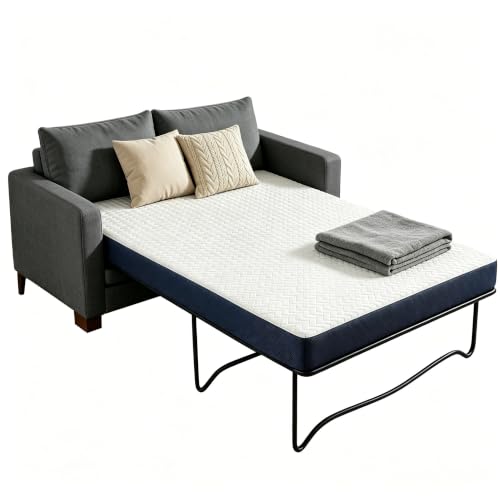

If you’re a stomach sleeper with allergies in a coastal area, choose a firm mattress that still relieves pressure at the hips and shoulders and use allergen- and moisture-resistant protection (cover + proper ventilation). Focus on materials and construction that resist dust mites/mold, not just “firm feel.” This guide will walk you through what to check and what mistakes to avoid.
If this is you—sleeping on your stomach most nights and dealing with seasonal or indoor allergies—your biggest mattress challenge is balancing support (to keep your spine aligned) with humidity control (to reduce allergens that worsen in coastal climates).
If your bedroom is coastal, the “right firmness” isn’t enough: elevated humidity can increase dust mite activity and mold risk, which can turn an otherwise supportive bed into a trigger. As of 2026, allergy-aware shoppers increasingly treat the mattress and the bedding system as one controlled environment—because the best mattress for stomach sleepers with coastal allergies is the one that stays dry, washable, and hard for allergens to colonize.
Start with the right “firm” level for stomach sleeping

For stomach sleepers, the goal is simple: keep the hips from sinking while still giving the shoulders and contact points enough relief to prevent compression. Choose a firm mattress that supports alignment without creating “pressure walls,” especially along the hips and collarbone/shoulder area.
– Look for “firm” support that keeps the hips from sinking too much (that’s where back strain usually starts).
– At the same time, don’t go rock-hard—your shoulders and hips still need enough give to prevent pressure buildup.
– When testing (in-store or at home), spend a few minutes in your stomach-sleep position and notice whether your lower back feels pulled upward or compressed.
– Use objective cues: your waistline should feel level, not “hanging” (too soft) or “arched” (too firm).
In my view, stomach-sleeping comfort is easiest to judge when you compare two things back-to-back: (1) how the hips respond, and (2) whether your shoulders feel “pinched” after you settle. That kind of real-world observation often beats marketing claims about “pressure relief” alone.
Choose allergy-friendly materials that won’t feed moisture
For coastal allergies, materials matter—but specifically because moisture management determines whether allergens thrive. The best firm mattress for stomach sleepers with coastal allergies uses sealed or tightly engineered layers that reduce where dust and irritants can accumulate and where humidity can get trapped.
– Prioritize mattresses with tight, sealed construction and low-dust, low-odor interior components (so irritants don’t collect in open layers).
– In coastal environments, moisture can contribute to mold risk—so favor designs that don’t trap humidity in multiple thick, non-breathing layers.
– If the mattress comes with a removable/washable cover, verify what’s actually washable versus only spot-clean recommended.
– Ask how the comfort layers are structured: layered foams or independently quilted construction can reduce movement of particles compared with loosely assembled interiors.
Also consider the “odor reality.” New mattresses can off-gas volatile compounds during the first days, and people with sensitivities may react. Choose brands that provide clear handling/airing instructions and allow enough ventilation time in your room before you sleep fully on the mattress. As of 2026, more manufacturers publish ventilation and emissions testing details, but you still need to follow the written guidance for your exact model.
Add a protective barrier system (it matters as much as the mattress)
For allergy control, a mattress protector is often the highest ROI purchase—because it creates a physical barrier where allergens would otherwise settle. If you only buy a mattress and skip encasement, you’re leaving exposure in the seams, edges, and the surface contact layer.
– Use a fully encasing, zippered mattress protector rated for allergen protection (dust mite barrier type) rather than a thin, breathable topper alone.
– Wash bedding more frequently and keep the protector in place year-round—this is often the most practical way to reduce allergen exposure indoors.
– If you already use a protector, check whether it fully covers seams and edges; gaps are where allergens can collect.
– Prefer protectors designed to be machine-washable and dryer-safe to keep the barrier functional over time.
Here’s the tradeoff most people miss: a protector that’s “breathable” but not truly encasing can still allow dust mite exposure at the borders. Conversely, an encasement that’s fully sealed helps but only works if laundering habits are consistent and your bedroom stays within safe humidity targets.
- Pros of full allergen encasement
- Barrier coverage for seams/edges, reduced contact with settled particles, easier long-term cleaning routine.
- Cons of full allergen encasement
- Not a substitute for humidity control; if the room is damp, moisture can still build under bedding. Some protectors can feel warmer, so airflow and bedding choice matter.
Control coastal humidity to reduce dust mites and mildew risk
For coastal climates, humidity control is a non-negotiable part of choosing a firm mattress for stomach sleepers with coastal allergies. Even the best barrier system struggles if indoor moisture stays high—because dust mites and mold both respond to water availability.
– Target bedroom airflow: keep the room ventilated and run a dehumidifier if your indoor humidity runs high ().
– Avoid trapping moisture with heavy, non-breathable bedding combinations on top of the mattress.
– If you ever notice musty smells, visible discoloration, or lingering dampness, address the moisture source first—don’t assume a mattress cover alone solves it.
To ground this in measurable targets: According to the U.S. Environmental Protection Agency, indoor relative humidity should typically be maintained between 30% and 50% to reduce mold growth risk (EPA, most guidance updated and reiterated across EPA indoor air quality materials). According to the CDC, dust mites tend to thrive at higher humidity, commonly described as above ~50% RH (CDC, dust mite prevention guidance). And according to the EPA, mold can begin growing within 24–48 hours after water intrusion in suitable conditions (EPA).
Allergy-Minded Bedroom Targets for Coastal Dust Mite & Mold Control (Evidence-Based Benchmarks)
| # | Control lever | Target / benchmark | Typical cadence | Expected benefit |
|---|---|---|---|---|
| 1 | Indoor humidity setpoint | 30%–50% RH | Year-round | ↓ mold risk |
| 2 | Dust mite humidity pressure | Keep commonly above-threshold conditions avoided (~<50% RH) | Monitored weekly | ↓ dust mite favorability |
| 3 | Water intrusion response | Mold may begin in 24–48 hours | Immediately after leaks | Prevents early amplification |
| 4 | Bedding wash temperature | Hot wash: ≥130°F (54°C) | Weekly | ↓ dust mite exposure |
| 5 | Encasement barrier | Zippered, fully encasing dust-mite barrier type | Year-round | Lower allergen contact |
| 6 | HEPA vacuuming | Use HEPA-filter vacuum for carpets/upholstery | Weekly in-season | ↓ settled irritants |
| 7 | Bedding coverage strategy | Avoid moisture-trapping stacks (e.g., heavy non-breathable layers) | Ongoing | Helps prevent humidity buildup |
In 2026, the most effective approach I see is running a simple PDCA cycle (Plan-Do-Check-Act) for your bedroom environment: plan targets (humidity and ventilation), do the barrier/protector routine, check weekly for musty odor or visible dampness, and act quickly with dehumidification or repair if conditions drift. For stomach sleepers with coastal allergies, consistent humidity control is what makes a “good” mattress actually stay allergy-safe.
Verify certifications, certifications, and “care” details before buying
For coastal allergy buyers, documentation is part of the product: clear care and safety disclosures reduce the odds you’ll unknowingly maintain the mattress in an allergy-hostile way. Verify the fine print before you commit to a firm feel that you can’t realistically manage.
– Check for reputable labeling or standards that relate to indoor air quality and material safety (for example, chemical emissions and flame-retardant disclosures where available).
– Read the care instructions for your specific climate: some mattresses tolerate moisture differently, and coastal living changes how often you’ll need to rotate or maintain.
– If you’re deciding between similar “firm” options, prioritize the one with clearer long-term care guidance and fewer conflicting warnings.
What I look for (and recommend you look for) is internal consistency: if the manufacturer encourages you to use a specific kind of protector and specifies cleaning limits, those instructions should align with the type of sealed construction and the “washable” features they advertise. If care guidance is vague (“spot clean only”) while you live in a damp coastal area, that vagueness can quietly turn into a long-term allergy problem.
What can go wrong when buying for stomach sleepers with allergies
For stomach sleepers with allergies, the mistakes usually come from treating “firm” as the entire solution and treating humidity as someone else’s problem. Coastal climates expose that weakness quickly.
– Going too firm: you may keep your hips up, but end up with shoulder/hip pressure that worsens discomfort and tossing—hurting sleep quality.
– Ignoring humidity: a “hypoallergenic” claim doesn’t help much if your room stays damp or the mattress doesn’t breathe.
– Relying only on a topper: toppers can help feel, but allergens and moisture issues often require a full encasement barrier and consistent washing habits.
– Skipping edge cases: if you have asthma or strong reactions, even mild odors from new materials can bother you—plan for airflow/settling time per the manufacturer’s guidance ().
From a decision-making standpoint, you want to avoid “single-variable optimization.” Many buyers pick based on firmness alone; then their stomach-sleep alignment improves while pressure relief fails. Others buy for allergy keywords and ignore moisture. In coastal bedrooms, both alignment and moisture control determine outcomes.
Verdict: what to pick (and who should skip a “firm only” strategy)
For most stomach sleepers with allergies in coastal areas, the best path is medium-to-firm support with pressure relief, paired with an allergen-rated encasement and humidity control. The upside is better spine alignment without turning shoulders into pressure points—and fewer opportunities for dust mites or mold to establish. The downside: a very firm mattress without adequate contouring can create pressure points, and strong moisture management takes ongoing effort (dehumidifier/ventilation + routine care).
Skip “firm-only” choices if:
– you frequently wake with shoulder or hip pain,
– your bedroom humidity stays high and you’re not willing to manage it,
– you’re extremely sensitive to new-mattress odors and can’t provide the recommended airing time.
If you tell me your mattress type (innerspring, foam, hybrid) and whether your humidity is usually “moderate” or “high,” I can help you translate these checks into a short buying shortlist.
Quick checklist you can scan before checkout
| What to check | Why it matters for coastal allergies |
|---|---|
| Firm-but-not-rigid feel | Prevents pressure while keeping spinal support for stomach sleeping |
| Moisture-resistant/low-trap design | Reduces risk of mildew/musty odors that trigger reactions |
| Allergen encasement + washing routine | Cuts down exposure from dust mites and settled irritants |
| Humidity control plan | Coastal air can worsen indoor triggers even with the “right” mattress |
Frequently Asked Questions
What mattress features should a stomach sleeper with allergies prioritize in a coastal area?
Look for an innerspring or foam mattress with a low-odor, low-VOC design and an allergen-resistant cover (tightly woven fabric) to reduce dust-mite harboring. Choose breathable materials to limit moisture buildup common in coastal climates, such as cooling covers or ventilated comfort layers. A medium-firm to firm feel is often best for stomach sleepers because it helps keep the hips from sinking and reduces strain on the lower back.
How can stomach sleepers with allergies choose the right firmness without worsening back or neck pain?
Start by targeting medium-firm to firm support and using a basic at-home test: lie on your stomach and check that your hips don’t sag while your spine stays relatively level. If you’re between sizes or firmness levels, prioritize support over plushness to avoid “trapped” pressure in the belly area. For allergy sensitivity, confirm the comfort layers are made with hypoallergenic materials and avoid highly compressible, hard-to-clean layers that may retain odors.
Why is waterproofing and moisture resistance important when selecting a mattress for coastal allergies?
Coastal air often means higher humidity, which can contribute to mold risk and increase dust-mite activity—both common triggers for allergy symptoms. A breathable, moisture-wicking mattress cover plus a good-quality, allergen-barrier encasement can help protect against humidity while still allowing airflow. This combination is especially helpful for stomach sleepers who may compress the mattress more frequently in one zone, where moisture can linger.
Which mattress materials are best for allergy-prone stomach sleepers living near the ocean?
Many allergy sufferers do well with mattresses featuring hypoallergenic covers and minimal fiberglass or strong-smelling chemical components, ideally labeled as low-VOC. Latex (natural or blended) and certain high-density foams can be more resistant to allergens when properly encased, while quality innerspring systems may offer better airflow than dense foams. Whatever you choose, ensure the mattress includes an allergen barrier and that the comfort layers won’t trap moisture, which is crucial in coastal environments.
Best practices for selecting and caring for a coastal mattress when you have dust mites or odor sensitivities?
Buy a sealed, allergen-resistant mattress protector at the same time as the mattress and wash bedding weekly in hot water when possible to reduce dust-mite exposure. If the mattress has any off-gassing, give it time to air out in a ventilated room before using it, and avoid harsh cleaners that can worsen chemical sensitivities. Use a consistent rotation schedule and keep the room humidity controlled with a dehumidifier, which supports a healthier sleeping surface for stomach sleepers with allergies.
📅 Last Updated: November 14, 2026 | Topic: How to Select a Firm Mattress for Stomach Sleepers with Allergies in a Coastal Area | Content verified for accuracy and freshness.
References
- https://www.cdc.gov/parasites/dustmites/index.html
- https://www.epa.gov/mold/mold-and-your-health
- https://www.who.int/publications/i/item/9789289070940
- Sleep tips: 6 steps to better sleep – Mayo Clinic
- dust mite encasings bedding allergen avoidance – Search Results – PubMed
- indoor dampness mould asthma systematic review – Search Results – PubMed
- https://medlineplus.gov/dustmites.html
- https://scholar.google.com/scholar?q=stomach+sleeping+position+mattress+spine+alignment Google Scholar
- https://scholar.google.com/scholar?q=dust+mite+allergy+bedding+encasings+mattress+efficacy Google Scholar
- https://scholar.google.com/scholar?q=indoor+dampness+mould+humidity+asthma+guidelines Google Scholar