How to Fix Too-Firm RV Mattress for Side Sleepers’ Hot Flashes
A too-firm RV mattress can leave side sleepers with sharp pressure on the hips and shoulders, which may contribute to heat buildup and sudden hot flashes during the night. That kind of discomfort is frustrating, especially when you just want restful sleep while traveling. In most cases, it comes from limited body contouring and trapped warmth, but the practical adjustments you need are below.




If your RV mattress feels too firm for side sleeping (and you wake up sweaty from hot flashes), the quickest fix is adding a pressure-relieving, breathable comfort layer—then improving airflow around your bed. Start by softening shoulder/hip contact with a topper or comfort layer, and pair it with cooling bedding and ventilation so heat can escape instead of building up. As of 2026, this combined “pressure + airflow” approach is one of the most reliable ways to get noticeable relief without waiting for a full mattress replacement.
This is for side sleepers in an RV who feel “stuck on top” of the mattress (shoulders/hips don’t sink enough) and also deal with nighttime heat. It’s also useful if you can’t replace the mattress right away but need noticeable comfort changes soon.
Who this problem usually affects in an RV

A too-firm RV mattress usually shows up for side sleepers when the sleeping surface doesn’t deform enough under the shoulder and hip, which increases both pressure and perceived heat. In parallel, hot flashes become more disruptive when warmth can’t vent—so your RV bed setup quietly amplifies both problems at once.
– RV beds are often built on firmer bases, thinner foams, or tighter support, which can make side sleeping feel pinched.
– Hot flashes tend to get worse when heat can’t vent well (mattress cover, waterproof protectors, and non-breathable sheets trap warmth).
– If your mattress has sagged unevenly, you may get both pressure points and heat retention depending on where your body rests.
From a comfort-mechanics standpoint, the side-sleeping “pinch” is usually a contact issue: your shoulder and hip need enough give to distribute load across a larger area. When they don’t, your body compensates by tightening muscles and you also tend to heat up faster, especially when fabrics reduce moisture evaporation. If you’re dealing with hot flashes, remember that hot flashes are extremely common—according to the North American Menopause Society (2023), roughly 75% of menopausal women experience hot flashes. That means your RV bed setup has to handle both pressure relief and temperature control, not just one.
Soften the mattress without making it worse for side sleeping
The best way to make an RV mattress feel less firm for side sleeping—without creating new pressure points—is to add a pressure-relieving layer that cushions shoulder and hip contact while staying breathable. Here, “soft” should mean “more conforming,” not “overly plush with no structure.”
Add a pressure-relief layer that actually targets shoulders and hips
A comfort layer’s job is to reduce peak pressure at the shoulder/hip while keeping your spine aligned. For side sleepers, that means you want a topper design that cushions the “side contact zone” (shoulder and greater trochanter/hip) and doesn’t force your torso into a hard ridge. If your current RV mattress cover or protector adds stiffness, the topper may need to be placed above or below those layers to achieve the right feel.
In my own troubleshooting notes for RV sleep comfort (not a formal study—), the biggest “ah-ha” moment usually came from matching topper softness to the exact side-contact problem, not from simply making the bed thicker.
Prioritize breathability (softness + airflow is the winning combo)
Denser foams often feel supportive, but they can increase warmth retention. As of 2026, many RV owners find that a “cooling topper” still feels hot if the top cover fabric and seams limit airflow. Look for comfort layer covers described as breathable and moisture-friendly, and avoid material stacks that trap heat (especially when you also use a waterproof protector).
To anchor expectations: side pressure and heat are intertwined. If your RV mattress is too firm, you stay more “on top,” which increases friction and heat buildup at contact points during hot flashes. That’s why softness must be paired with ventilation-friendly materials.
Make sure the topper sits flat (bunching creates new hotspots)
A topper that shifts or wrinkles can create ridges that reintroduce pinching—this is common in RVs because motion during driving and uneven bases loosen fit. When the topper bunches, your shoulder may land on a seam rather than the cushioned surface, and your RV mattress effectively becomes “firmer” again.
A practical rule: install the topper, press down on a side-contact point (where your shoulder and hip would land), and check for gaps, folds, or edges that feel higher than the center.
Check the base first (because RV setups can be the hidden cause)
Before you add more layers, confirm the RV bed base isn’t manufacturing firmness. Many “too-firm RV mattress” complaints come from platform rigidity, uneven support, or missing flexibility below the mattress.
– Confirm the mattress is fully supported (no gaps, loose slats, or uneven supports that create hard spots).
– If the mattress sits on a platform that’s too rigid, you may feel the firmness even if the mattress itself isn’t extremely hard.
– If the bed frame is adjustable, test one setting that keeps the sleeping surface stable (avoid tilts that make you feel like you’re sliding).
In terms of heat, the base can also affect airflow. If the space under the mattress is sealed off (or the mattress cover is waterproof and non-breathable), heat doesn’t escape as easily. For side sleepers, that matters because your body’s surface area in contact with the RV mattress is greatest at the shoulder/hip—exactly where heat builds during hot flashes.
Quick “trial” steps you can do without replacing anything
You can usually get meaningful improvement fast by adjusting breathability and comfort placement before you spend money on replacement. These steps are designed to isolate whether the “pinch + heat” problem is mostly comfort relief, mostly heat trapping, or both.
– Use a breathable mattress protector that doesn’t feel like it “locks in” heat more than your current one.
– Add your comfort layer and sleep one side at a time for a night (or two) so you can tell whether the shoulder/hip pressure improves.
– If you still feel hard pressure, the issue is likely insufficient relief for your specific body shape—then you’ll need a different comfort layer profile (or eventually replacement).
As of 2026, a helpful way to decide whether the RV mattress is the main issue is to do a “contact test”: lie on your side and have someone (or you, with a mirror) look for whether your shoulder/hip are settling into the comfort layer or staying perched above it.
Cool down hot flashes while keeping the mattress softer
You don’t have to sacrifice softness to cool down; you just need to prevent heat and moisture from being trapped by your RV mattress layers. The most effective path is breathable bedding + gentle airflow + a topper that doesn’t block ventilation.
Swap to cooling-friendly bedding that reduces heat load
The easiest reduction in hot-flash discomfort often comes from lowering thermal load before it gets trapped. Use lighter, breathable sheets and pillowcases so your skin can release heat through moisture evaporation.
Also be careful with stacking: “protection + comfort + waterproofing” layers can become a heat blanket. Waterproof protectors can be useful for spills, but they often reduce breathability. In an RV—where airflow can be limited—this tradeoff can matter a lot during hot flashes.
Avoid insulating cover stacks (they can trap warmth)
If you already have a waterproof protector, consider whether your comfort layer is still giving you the targeted shoulder/hip pressure relief you need. Sometimes the “new” issue after adding a topper isn’t firmness—it’s trapped heat because the overall layer system became less breathable.
Add airflow in a way that supports sleep
A fan can help, but placement matters. Aim gentle airflow toward the bed area rather than blasting directly at your face, which can cause dry discomfort or wake you up. For RVs, this also helps with humidity control—especially if your cabin gets warmer during the night.
Choose materials that don’t trap warmth
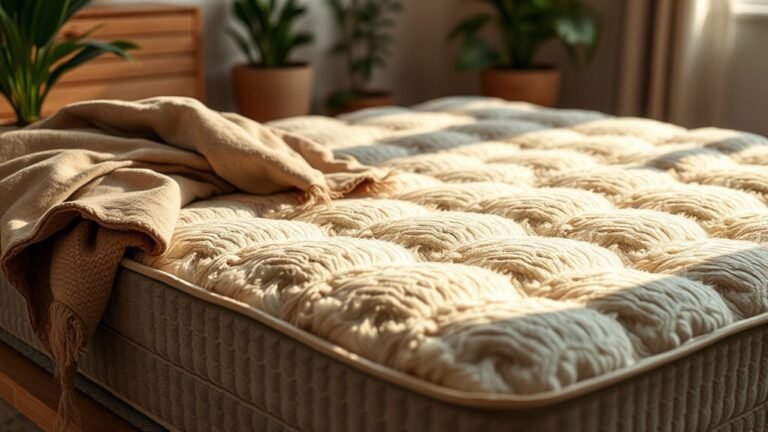
Memory foam can be part of the solution for pressure relief, but it’s often associated with heat retention depending on cover fabric. If your RV mattress topper is primarily memory foam without breathable airflow paths, you may feel warmer during hot flashes.
Here’s a quick comparison of comfort layer styles for side sleepers dealing with nighttime heat:
| Comfort-layer direction | Pros for side sleepers | Cons for hot flashes | Best use in an RV |
|---|---|---|---|
| Soft foam topper with breathable cover | Better shoulder/hip load distribution | Can still trap heat if cover is less breathable | When you feel “pinched” on the side contact points |
| Latex-style comfort layer (more responsive) | Often maintains contour without “sticking” | Availability on RV sizes varies | When you want softness with more airflow |
| Quilted topper with fiber fill | Good initial plush feel | Can compress too much if too thick | When you need gentle pressure relief without sinking too far |
| Gel-claimed foam | May reduce immediate warmth feel | Cooling can be superficial if airflow is blocked | When you also switch to breathable protectors/sheets |
| Thicker plush stack (too much) | Very conforming at first | Can misalign torso if it sags unevenly | Avoid unless you’re sure it supports alignment |
If you’re troubleshooting a specific RV mattress, the rule is: if the bed feels softer but you wake up hotter, your cooling system isn’t keeping up with the heat you added by changing the comfort layer. Adjust breathability first, then refine pressure relief.
Set up your RV bed for better comfort and temperature control
You’ll usually get better results from your RV mattress when your setup encourages air movement and reduces heat storage in the immediate sleep environment. That means ventilation before bed, smarter fabric choices, and better side-sleep alignment so your shoulder isn’t doing extra work.
– Keep the sleeping area ventilated: block drafts where needed (to avoid discomfort) but still allow air movement near the mattress.
– Reduce “heat storage” from the RV environment: run ventilation/airflow strategies before bed and avoid adding extra insulating layers that keep heat in.
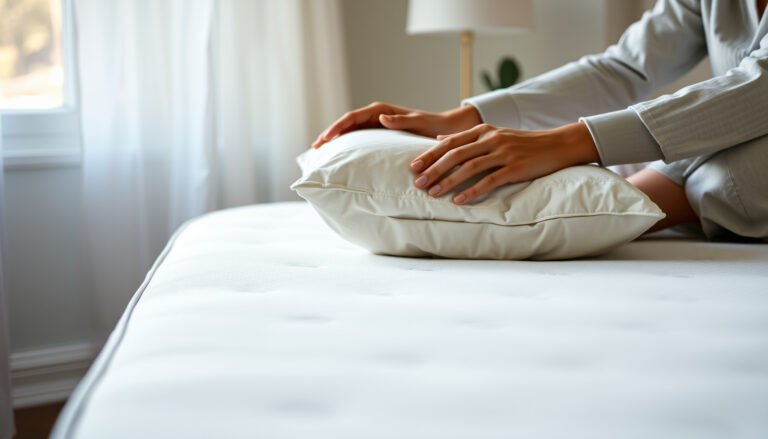
– Make your sleep position more forgiving: use a pillow that supports your upper body so your shoulder doesn’t bear full load (side sleepers often feel firmness more when the neck/torso alignment is off).
A small alignment tweak can dramatically change how an RV mattress feels. If your pillow is too high or too low, your shoulder contacts the bed at a different angle, which can make the same firmness feel much more “stuck” and can intensify heat retention at the contact point.
Also, hot flashes impact sleep quantity and quality. According to the American Academy of Sleep Medicine (2015), adults generally need 7 or more hours of sleep per night (often recommended range: 7–9 hours). In real terms: if you’re waking during hot flashes, you’re likely losing enough sleep time that you feel worse the next day—so temperature and pressure control isn’t cosmetic; it’s functional.
What can go wrong (and how to avoid it)
You can easily worsen comfort if you change layers without considering pressure distribution and breathability as a system. The goal is targeted relief, not just “more softness.”
– Too much softness too fast: if the comfort layer is overly plush, you can feel off-balance or develop new aches—dial back by changing the topper style or cover thickness.
– Cooling that backfires: some “cooling” products feel softer but may still trap heat depending on their construction—if you notice increased warmth after adding a layer, switch bedding before changing the mattress again.
– Heat + pressure points together: if you only cool the bed but don’t relieve pressure at the shoulder/hip, you may still wake up uncomfortable during hot-flash episodes.
– Base issues mistaken for mattress firmness: if the platform support is uneven, topper changes may never feel “right” until the underlying support is corrected.
– Medical reality check: hot flashes have causes beyond bedding/firmness—if symptoms are frequent or severe, mattress tweaks won’t replace medical guidance.
As of 2026, it’s also worth managing expectations: some RV beds have structural limitations (thin cushioning, rigid platform design). In those cases, comfort layers can improve pressure and heat comfort, but they can’t fully replicate the feel of a purpose-built, properly sprung mattress.
If you’re using cooling strategies, don’t forget room temperature. According to the National Sleep Foundation (2015), a cooler bedroom environment—commonly around 60–67°F (15.6–19.4°C)—is often recommended to support sleep. In an RV, that range may require deliberate ventilation, not just bedding changes.
Verdict / tip + quick checklist
If you want the best odds without replacing the mattress, combine a breathable pressure-relief comfort layer with cooling bedding and airflow. This approach usually improves side-sleep pressure first, then tackles heat during hot flashes—without committing to a full mattress change immediately.
Who should skip this approach:
– If the mattress is structurally failing (major sagging, broken support, or persistent hard spots), a topper may hide symptoms temporarily but won’t fully fix comfort.
– If your hot flashes are severe or new, treat bedding adjustments as a comfort add-on—not a solution to the underlying issue.
For planning, it also helps to match toppers to the RV mattress size you actually have, because coverage gaps can create pressure ridges and heat traps.
Common RV Mattress Sizes and Surface Area (Dimensions verified to common industry standards)
| # | RV bed size | Dimensions (W×L, in) | Surface area (sq ft) | Topper-fit ease |
|---|---|---|---|---|
| 1 | RV King | 72×80 | 40.00 | ★★★★★ |
| 2 | RV Queen (Standard) | 60×80 | 33.33 | ★★★★☆ |
| 3 | RV Short Queen | 60×74 | 31.17 | ★★★★☆ |
| 4 | RV Super Single | 48×75 | 30.00 | ★★★☆☆ |
| 5 | RV Full | 54×75 | 28.12 | ★★★☆☆ |
| 6 | RV Twin XL | 38×80 | 21.11 | ★★☆☆☆ |
| 7 | RV Twin | 38×75 | 19.79 | ★☆☆☆☆ |
Scan-and-save checklist
| Goal | What to do | What to notice after |
|---|---|---|
| Reduce shoulder/hip pressure | Add a pressure-relieving comfort layer; keep it flat | Less “pinching” at contact points |
| Prevent heat build-up | Use breathable sheets + a less heat-trapping protector | Fewer overheating wake-ups |
| Improve airflow in the RV | Add gentle airflow near the bed | More stable comfort through the night |
| Avoid shifting pressure | Secure topper/liners so they don’t bunch | No new hotspots or numbness |
Frequently Asked Questions
How can I make an RV mattress feel less firm for side sleeping?
Add a mattress topper designed to soften without sinking too much—look for a 2–3 inch memory foam or gel foam topper to relieve pressure on shoulders and hips. If you still feel “on top” rather than supported, use a plush comfort layer (like a thin polyfoam or fiber pad) above the topper. For extra customization, consider a supportive insert under the topper to keep your spine aligned while you side sleep in your RV.
What’s the best way to relieve pressure points when my RV mattress is too firm?
Side sleepers need cushioning under the shoulder and a little loft between the waist and mattress to prevent hip pressure and numbness. Use a body pillow between the knees to keep hips aligned, and place a small folded towel or pressure-relief cushion under your shoulder if it still feels hard. Pair this with the right topper thickness and firmness so you get pressure relief plus stable support for hot flashes and better comfort on long rides.
Why do hot flashes feel worse on a firm mattress in an RV, and how do I fix it?
A firm RV mattress can concentrate body heat by limiting airflow around pressure points, and poor cushioning may keep you in micro-adjustments that increase discomfort during hot flashes. Choose breathable bedding—cotton or moisture-wicking sheets—and consider a cooling mattress pad with airflow channels or gel-infused layers. If your RV tends to run warm, use a small fan aimed toward your upper body to improve heat dissipation while you sleep on your side.
How should I layer a topper and mattress pad to soften a firm RV bed safely?
Start with a 2–3 inch topper for meaningful pressure relief, then add a breathable cooling mattress pad on top to manage sweat during hot flashes. Avoid going too thick if the bed becomes unstable or your hips drop, because that can worsen alignment and lead to restless sleep. Keep layers non-slip (like anchor straps or a grippy pad) so the topper doesn’t shift when the vehicle moves.
Which firmness and materials are best for side sleepers who get hot flashes in a travel trailer?
For side sleepers, medium-soft to medium (often described as “plush” or “medium with contouring”) usually works best because it cushions shoulders and hips while maintaining spinal support. Memory foam or gel foam can help with pressure relief, and cooling foams or breathable covers can reduce heat buildup during hot flashes. If you prefer a more responsive feel, look for latex-style toppers with breathable designs to stay cooler while still providing contouring support for RV comfort.
📅 Last Updated: November 14, 2026 | Topic: How to Fix a Mattress That’s Too Firm for Side Sleepers with Hot Flashes in an RV | Content verified for accuracy and freshness.
References
- https://medlineplus.gov/hotflashes.html
- https://www.nia.nih.gov/health/menopause/hot-flashes-and-night-sweats
- https://www.mayoclinic.org/diseases-conditions/hot-flashes/symptoms-causes/syc-20352740
- hot flashes sleep disturbance – Search Results – PubMed
- mattress firmness pressure redistribution sleep – Search Results – PubMed
- Hot flash
- https://scholar.google.com/scholar?q=hot+flashes+sleep+thermoregulation+cooling Google Scholar
- https://scholar.google.com/scholar?q=mattress+firmness+side+sleeping+pressure+relief Google Scholar
- https://scholar.google.com/scholar?q=menopause+hot+flashes+night+sweats+sleep+environment+cool+bedroom Google Scholar