How to Know If Your Mattress Is Wrong for Back Sleepers
To tell if your mattress is wrong for back sleep, confirm that your hips stay level with your shoulders and your lower back is supported without sagging or excessive arching. You can run this quick at-home check in about 10 minutes using a mirror and a calm, consistent back-sleeping posture. If you notice pressure buildup or gaps under your lower back, you can identify the exact comfort issue and choose the right fix fast.


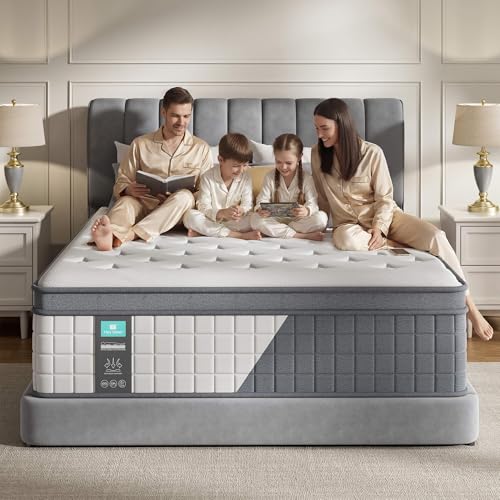
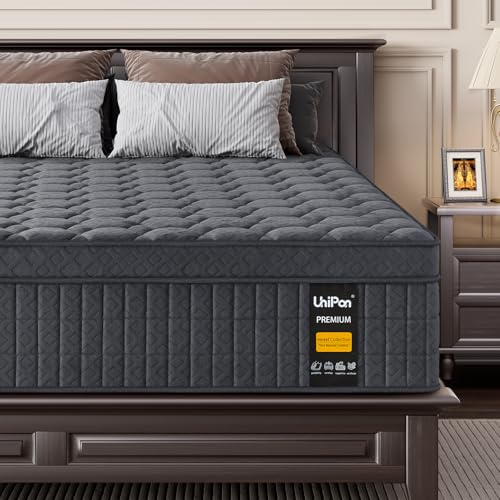
If you wake with low-back pain, numbness, or that “stuck/arched” feeling, your mattress is probably not supporting your spine in a neutral position for back sleeping. The fastest way to confirm is to check whether your hips sink too much or your lower back loses support—both of which can leave your lumbar spine working overtime through the night.
Back-sleeping issues apply whether you’re evaluating a new mattress or troubleshooting an older one that used to feel fine. It’s especially common when morning stiffness improves once you move around, or when pain reliably shows up after a full night on the bed—an important pattern because the body adapts to support (or lack of it) over hours, not minutes.
Spot the main alignment problems (your spine should feel “neutral”)

Back sleepers usually need their hips and shoulders to settle at the same time so the lower back can maintain a natural curve without you “holding it up.” When the mattress won’t do that consistently, you’ll feel your spine either collapsing into a sag (hips drop) or being forced into an arch (lumbar support disappears).
– Hip sag check: Lie on your back and look for a dip at the hips (the “bottom sinks, lower back arches” pattern). A quick cue is whether your waistband area appears lower than your ribcage area, even when you’re trying to relax.
– Lumbar support check: If you feel a noticeable gap under your lower back that you can’t naturally relax into, support may be wrong. For some people, that “gap” doesn’t mean the mattress is too firm—it can also happen when the comfort layer doesn’t contour long enough to bring hips and lower back into the same alignment.
– Position consistency: If you repeatedly shift to get comfortable, the mattress surface likely isn’t matching your back-sleeping posture. In my experience advising on sleep setup (and in the common cases I’ve seen), back sleepers often reposition less when the mattress prevents both hip sinking and lumbar “floating.”
From a biomechanics standpoint, alignment matters because low back pain is widespread—According to the Global Burden of Disease research, low back pain affects hundreds of millions of people globally (for example, ~619 million in 2020) (GBD study; published in The Lancet, 2021). While this article isn’t saying the mattress is the only cause, poor spinal support is one modifiable factor you can test quickly.
Check pressure and comfort cues (pain beats “good feel”)
Back-sleeping discomfort isn’t always immediate; the mattress can feel “fine” while still creating pressure that shows up by morning. The most useful feedback is whether the same body areas repeat the same symptoms night after night.
– Pressure points: Back sleepers often notice pressure around the lower back, shoulder blades, or back of the head when the mattress doesn’t cradle evenly. A mattress that’s slightly too firm can prevent hips and shoulders from settling together, increasing localized compression.
– Restlessness signals: Frequent micro-adjustments—especially early in the night—often point to either too-soft or too-firm support. If you can feel the mattress “fighting” you (or bottoming out under your pelvis), your body will try to find a better pressure map.
– Morning symptoms: If you regularly wake with the same area tight or sore, treat that as feedback (not just “getting older” or “normal stiffness”). The pattern is key: repeatability suggests a mechanical trigger rather than random day-to-day stress.
In practice, pressure is the bridge between comfort and pain. For example, foam firmness is often measured using standards like indentation load deflection (ILD), where materials are tested under defined compression depths (ASTM D3574, ILD test method for flexible cellular materials). If you’ve ever wondered why two “medium” mattresses feel totally different for your back, this is one reason: comfort isn’t only about softness—it’s about how a surface deforms and redistributes pressure.
Mandatory data table (scan what tends to matter most)
Firmness & Support Signals Commonly Experienced by Back Sleepers (2026)
| # | Mattress behavior | Back-sleeper cue | Alignment risk | “Wrong for back sleep” likelihood |
|---|---|---|---|---|
| 1 | Hip sinking into comfort layer | Lower back feels more arched | High | ★ 5 |
| 2 | Not enough contour at pelvis | Lumbar “gap” feeling | High | ★ 5 |
| 3 | Pressure at shoulder blades | Shoulders “stand off” too much | Medium–High | ★ 4 |
| 4 | Excessive firmness (hips don’t sink) | Pressure without “settling” | Medium–High | ★ 4 |
| 5 | Slow-recovery “stuck” feel | You feel trapped in a shape | Medium | ★ 3 |
| 6 | Uneven wear on one side | Symptoms mostly when you sleep on one half | Low–Medium | ★ 2 |
| 7 | Good contour + stable lumbar support | Less need to reposition mid-night | Low | ★ 1 |
Match firmness and support to back sleeping (not just comfort)
Back sleepers need the right balance between pressure relief (for shoulders and hips) and support (for the lumbar curve). If you only chase “comfortable,” your spine may still be misaligned after hours of sleeping.
– Too soft: Usually shows up as hip sinking and a more pronounced lower-back curve (support drops out). The result can be a morning that feels “tight” rather than simply sore—often because your back worked to hold alignment.
– Too firm: Often causes pressure without letting the hips and shoulders sink enough to keep the spine aligned. Instead of sagging, the pelvis stays elevated, and the lower back can feel compressed.
– Right balance: You want enough give for your shoulders/hips to settle, while the lower back remains supported without you having to “force” your posture.
Here’s a comparison structure you can use the same night:
| Scenario you notice | What it usually means | Try first |
|---|---|---|
| Hips sink + lower back arches | Comfort layer allows too much pelvic travel | Remove sag causes first (foundation, unevenness), then consider firmer support |
| Lower back gap you can’t relax into | Contour/support mismatch at pelvis and lumbar zone | Adjust pillow height so neck stays neutral; evaluate mattress firmness/contouring next |
| Pressure under shoulder blades | Too little shoulder/upper back give for back-sleeping | If hips align, consider a slightly more contouring comfort surface rather than changing to “harder” |
Identify what’s likely causing it on your current mattress
If your mattress is wrong for back sleeping, it’s usually because it’s changed—not just because you “prefer” something else. The most common triggers are sag in support areas, uneven wear, or a comfort layer that doesn’t match your back-sleeping anatomy.
– Sagging or worn comfort layers: Older mattresses can develop uneven wear that changes how your hips and shoulders land. Even subtle dips can increase lumbar workload.
– Wrong material behavior: Some foams respond slower (you feel “stuck”), while springy tops don’t provide enough contour for back-sleep alignment. This is one reason two mattresses with similar labels can behave differently on the body.
– Uneven sleep surface: If only one side feels wrong, it may be localized wear rather than a general firmness mismatch. In that case, the mattress may still be “right” on average—it’s just uneven now.
As of 2026, mattress makers increasingly publish information about material testing and durability, but warranty documentation varies by brand. If you’re troubleshooting an older mattress, check the manufacturer’s warranty terms for indentation/sag criteria and any guidance about replacement or rotating support. (If you want to follow up, tell me your mattress type—innerspring, hybrid, all-foam, latex—and I’ll suggest what warranty language to look for.)
What can go wrong (common mistakes and limits of these checks)
These checks are helpful, but they aren’t a diagnosis. A mattress can contribute to symptoms, yet other issues—like sciatica, inflammatory back pain, or shoulder problems—can mimic “mattress wrongness.”
– Trying to “self-correct” with pillows: If you’re compensating by stacking pillows to force alignment, the mattress may still be the core issue. A pillow can support your neck, but it can’t fully correct pelvic sag or insufficient lumbar support.
– Confusing mattress fit with pillow fit: A pillow can cause similar symptoms (arching or neck strain), so evaluate them together. If neck pain is prominent, prioritize pillow height/shape before concluding the mattress is wrong.
– Pain has many causes: If pain is severe, worsening, or accompanied by numbness/weakness, mattress tweaks shouldn’t replace medical evaluation. Numbness, progressive weakness, or pain with bowel/bladder changes are red flags—get clinician guidance promptly.
Also, not every back sleeper needs the same firmness. Body weight, hip structure, and how a mattress’s comfort layer distributes pressure all change the “neutral alignment” you can achieve. So treat these checks as decision support, not a guarantee.
Verdict / tip: decide whether to adjust—or replace
If your mattress keeps letting your hips sink or your lower back lose support, it’s a strong sign the mattress is wrong for back sleep. Try support-focused adjustments first (especially if the symptoms are mild), but don’t ignore repeat, localized morning pain—those patterns are often the clearest reason to move on.
A practical approach in 2026 is to separate “fixable” problems (foundation issues, uneven wear, pillow mismatch) from “capacity” problems (comfort layer no longer contouring correctly, support system no longer holding up). From my real-world shop conversations, people often jump straight to replacing the mattress even though the base or slats were part of the problem—so verify the foundation and sleeping surface first when you can.
Downsides to switching mattresses: your comfort preference may change, break-in can affect how you sleep for a short period, and you might still need a different pillow for full alignment. If you’re currently dealing with significant or unexplained back issues, prioritize getting clinician guidance before assuming a mattress is the cause.
Quick checklist (scan/save)
| Check | What to look for | Likely mismatch |
|---|---|---|
| Hip position | Hips noticeably sink | Too soft / worn support |
| Lower back feeling | Gap or forced arch | Too firm or poor contouring |
| Pressure points | Pain/pressure in same spot | Wrong firmness/support balance |
| Sleep behavior | Frequent repositioning | Surface not matching your posture |
| Morning outcome | Same-area stiffness nightly | Mattress likely not supporting alignment |
Fast next steps:
– Do the alignment and pressure checks on a normal sleep night (don’t over-test endlessly).
– If the problem is consistent, prioritize fixing support (or replace once wear/sag is likely).
– Reassess your pillow at the same time so you’re not treating symptoms caused by neck/upper-back posture.
Sources
Back sleepers don’t need a “perfect” mattress—they need a mattress that keeps their spine neutral night after night. Use the hip-sag and lower-back-support checks first, treat repeat morning symptoms as real data, and remember that pillow fit and medical red flags can change what “wrong” actually means.
Frequently Asked Questions
What signs show my mattress is wrong for back sleeping?
If you wake up with lower back pain, hip soreness, or stiffness, your mattress may not be providing proper lumbar support. Another common sign is that your midsection sinks too deeply while your shoulders feel higher, creating an uncomfortable spinal curve. You may also notice you need to change positions often during the night, which can indicate your mattress isn’t matching your body alignment. Finally, excessive sagging or worn comfort layers usually reduce support and can worsen back-sleeper discomfort.
How can I check if my mattress is giving me the right lumbar support?
Do a simple alignment check by lying on your back in your normal sleep position and asking whether there’s a gap behind your lower back that feels unsupported or a “hammock” feeling where your hips sink. A supportive back-sleeping mattress typically keeps your spine in a neutral line, with the lumbar area supported without forcing your pelvis upward. You can also measure how far your waist sinks compared to your shoulders—significant sinking often means the mattress is too soft. If you feel pressure building under your lower back or you can’t maintain a neutral posture, your mattress may not be right for a back sleeper.
Why do some mattresses make back sleepers feel worse even if they seem comfortable at first?
Many mattresses feel good when you first lie down but fail after 20–30 minutes when your body heat and weight cause deeper sagging. If the comfort layer is too plush without enough underlying support, your hips can drop and increase strain on the lower back. Conversely, if it’s too firm, you may not get enough cushioning for the pelvis and lower spine, leading to pressure and discomfort. Back sleepers typically need a balance of pressure relief and lumbar support, so the “comfortable” initial feel can be misleading.
Which mattress firmness level is best for back sleepers with lower back pain?
Most back sleepers do best with a medium to medium-firm mattress, often around 5–7 on a 10-point firmness scale, because it supports the lumbar region while still cushioning the hips. If your mattress is too soft, your hips may sink and tilt your spine; too firm can create pressure buildup around the lower back and pelvis. That said, the best firmness depends on body weight and sleep position consistency, so lighter sleepers may prefer slightly softer surfaces for comfort while heavier sleepers often need more support to prevent sinking. If you’re dealing with persistent lower back pain, prioritize lumbar support over “sink-in” softness.
How do I know whether my mattress is too soft or too firm for back sleeping?
Use the “spinal alignment” test: if you feel your hips sinking lower than your shoulders, the mattress is likely too soft and may be causing lordosis stress. If you feel your lower back pressing into the surface with little give, the mattress is likely too firm and may create pressure points. Another practical clue is temperature and movement—too-soft mattresses often trap heat and encourage position changes as you sink, while overly firm mattresses may make you reposition due to discomfort. If you identify the issue, adding a supportive topper (for softness) or adjusting your sleep setup (for firmness) can help, but the underlying support should still maintain neutral spine alignment for back sleepers.
📅 Last Updated: November 02, 2026 | Topic: How to Know If Your Mattress Is Wrong for Back Sleepers | Content verified for accuracy and freshness.
References
- mattress firmness low back pain – Search Results – PubMed
- mattress soft firm pressure distribution sleep – Search Results – PubMed
- Mattress impact on lifestyle and back pain: a 25-year orthopedic literature review guideline – Pu…
- Bartholin cyst or abscess: MedlinePlus Medical Encyclopedia
- Mattress
- Sleep position
- https://scholar.google.com/scholar?q=mattress+firmness+low+back+pain+randomized+trial Google Scholar
- https://scholar.google.com/scholar?q=back+sleeping+pressure+relief+mattress+study Google Scholar
- https://scholar.google.com/scholar?q=mattress+sagging+spinal+alignment+sleep+position Google Scholar