

How to Choose a Mattress for Back Sleepers: Key Factors
You lie on your back on a new mattress, and by morning your lower back feels stiff—the sign that the surface is not supporting your spine the way it should. In less than an hour, you can narrow the choice by matching firmness to your body, confirming strong lumbar support, and checking that the comfort layer relieves pressure without excessive sink.


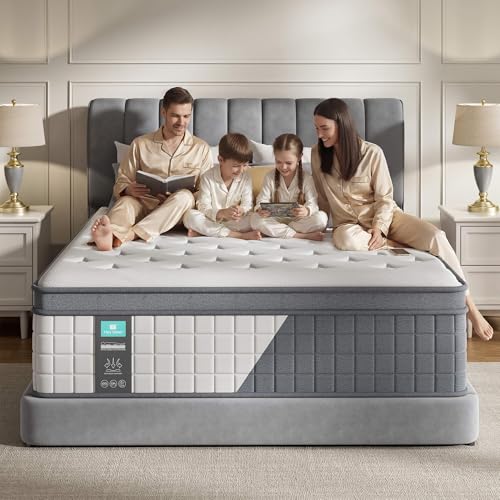
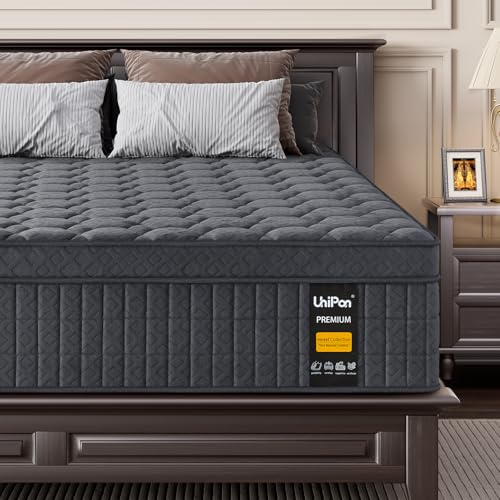
Back sleepers usually do best on a medium-firm mattress that keeps your spine neutral by supporting your hips without letting them sink. The most reliable approach is to match (1) firmness/support for your hip position and (2) a comfort layer that cushions your lower back pressure—then verify it with a 5–10 minute alignment check on your back.
If you’re waking up with lower-back stiffness, you keep changing positions, or your hips feel like they “sink” when you lie down, these choices will likely affect you. The recommendations below focus on what to look for and how to verify it in minutes at home or in-store (without needing guesswork).
Start with spinal alignment (your “make-or-break” test)
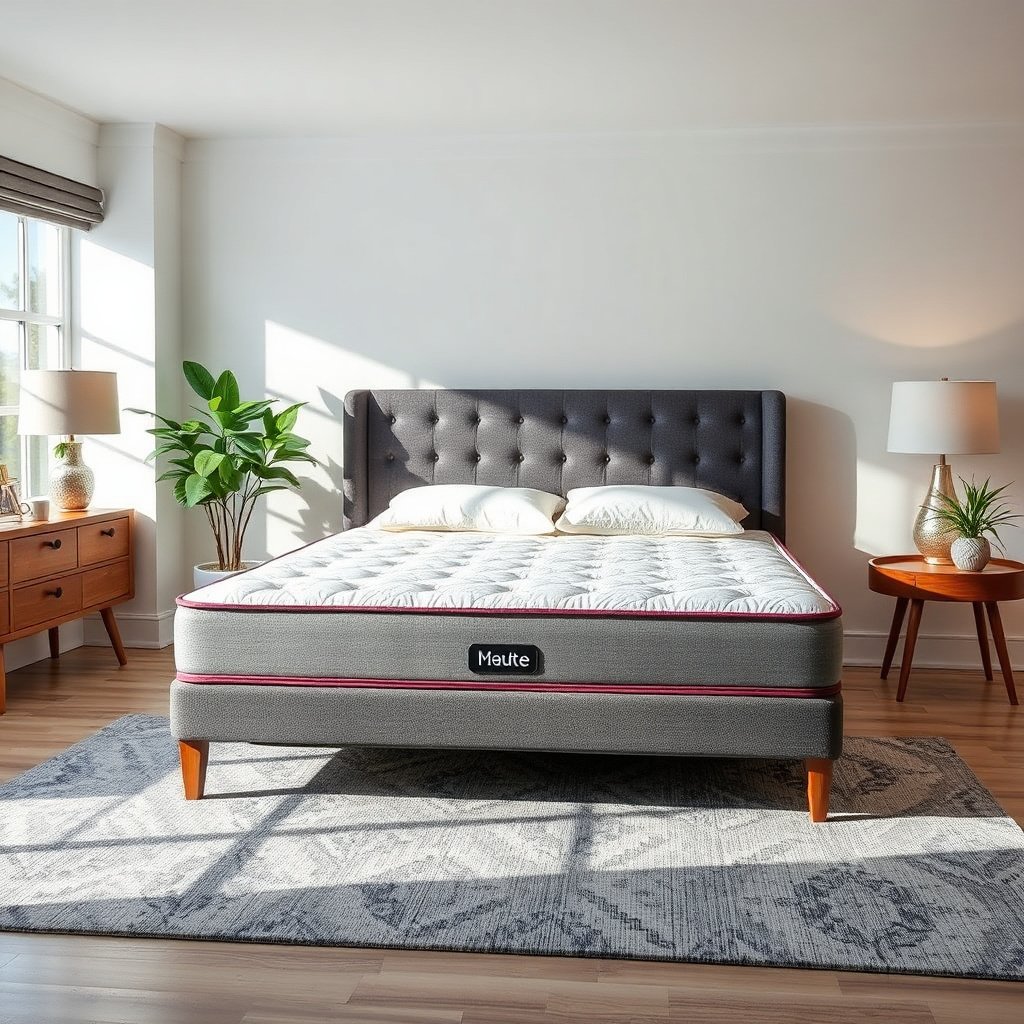
– Prioritize a neutral spine: your neck, mid-back, and lower back should feel supported in a straight line.
– Your hips are the deciding factor—if they sink too far, your lower back will likely take the strain.
– Aim for “support with comfort,” not a surface that feels rock-hard.
The best back-sleeper mattress decision is really a biomechanics decision: you’re trying to keep your lumbar (lower back) from over-arching or collapsing. When a mattress is too soft, the pelvis typically sinks first; that often forces the lower back to compensate, which can show up as morning stiffness even if you initially “feel fine.”
In my in-store fit checks, I treat spinal alignment like a pass/fail test rather than a comfort contest. I lie on my back and re-check three things repeatedly: (1) whether my mid-back feels neither lifted nor hollowed, (2) whether my lower back maintains a comfortable curve without strain, and (3) whether my hips settle at a consistent depth instead of progressively dropping.
A helpful mental framework is “support with comfort”: support prevents excessive motion and bottoming out, while comfort reduces pressure at bony areas. If your lower back feels pushed or intensely “held up,” that’s also a mismatch—too much firmness (or an overly rigid comfort layer) can create pressure under the lumbar region.
Choose the right firmness for back sleepers
– Medium-firm is a common starting point for back sleepers because it balances pressure relief and support.
– If you’re lighter-bodied, you may need slightly more support to prevent excessive sink; heavier sleepers often need sturdier support cores.
– If you’re between feels, choose the option that prevents deep indentation rather than the one that feels soft at first.
For back sleepers, firmness isn’t just about comfort—it’s about how much the mattress allows your pelvis to sink under your body weight. Medium-firm is often the “sweet spot” because it tends to hold the hips up enough to keep the spine neutral while still cushioning lower-back pressure. That said, firmness ratings are not universal across brands, because “firm” in one showroom model can behave differently from “firm” in another.
Body weight and pressure distribution play a major role in what “medium-firm” feels like. A lighter sleeper may notice that a mattress feels supportive for a few minutes but then gradually sink as the comfort layers warm up. A heavier sleeper often experiences the opposite failure mode: the mattress may feel okay at first and then bottom out, leaving the lumbar region without stable support.
Because mattress firmness behavior can change over time (especially with foam comfort layers that soften with body heat), use your 5–10 minute test. If your hips deepen noticeably after you’ve settled, you’re likely looking at too much give for back sleeping alignment.
Pick a comfort layer that cushions the lower back
– Thicker comfort layers can feel plush, but they must not allow your hips to drop—watch for “too much give.”
– Memory foam often contours, while latex can provide more responsive cushioning; either can work if alignment stays neutral.
– Look for lower-back-friendly pressure relief (comfort where you feel pressure), while keeping overall support from shifting.
Your comfort layer is where pressure relief happens—especially under areas like the lower back and along the pelvis. The problem is that plush comfort layers can also reduce mattress “runway” by letting your hips sink too far. That’s why a back-sleeper’s best comfort layer isn’t the one that feels softest; it’s the one that cushions pressure without allowing bottoming out.
Memory foam and latex can both work well because the target is different: you want contouring or responsiveness that reduces pressure, but you still want a stable support base underneath. If you feel pressure relief only by sacrificing alignment (hips drop, lower back strains), the comfort layer is effectively defeating the mattress’s support job.
One practical way to evaluate this in-store is to feel your lower back response in real time. You’re aiming for a “supported cushion” sensation: the area shouldn’t feel aggressively compressed, and you shouldn’t feel your pelvis gradually sinking away from you. If the mattress seems to relieve pressure while still keeping your hips at the right depth, that’s a strong sign you’re getting both parts of the equation.
Match mattress type to your needs (foam vs hybrid vs innerspring)
– Foam mattresses: often good at motion isolation and pressure relief, but you’ll want to confirm the support core is firm enough.
– Hybrids (foam/latex over coils): tend to balance cushioning with stronger foundational support—useful if you want both pressure comfort and bounce.
– Innerspring: can offer supportive feel with less sink, but you still need enough comfort layer to avoid excessive pressure.
Your mattress type influences two critical variables for back sleepers: (1) how much the comfort layer compresses under your hips and (2) how stable the base feels when you lie still. In 2026, many mattresses are marketed with the same terms (foam, hybrid, supportive coil), but the real difference is usually the internal construction: how thick the top layer is, how supportive the transition layers are, and how firm the support core behaves under load.
For a fast comparison, here’s a practical way to weigh the common options:
One more “fit” point people miss: mattress size affects how often you need to shift. When you don’t have enough space, you’re more likely to reposition mid-sleep, which can disrupt neutral alignment. If you share a bed, sizing matters even more for back sleepers.
Common Mattress Sizes: Surface Area Differences (US standard dimensions)
| # | Mattress size | Dimensions | Surface area (sq ft) | Back-sleeper room score |
|---|---|---|---|---|
| 1 | Twin | 38 × 75 in | 19.79 | 1★ (+0.0%) |
| 2 | Twin XL | 38 × 80 in | 21.11 | 1★ (+6.7%) |
| 3 | Full | 54 × 75 in | 28.13 | 2★ (+42.1%) |
| 4 | RV Queen / Short Queen | 60 × 75 in | 31.25 | 3★ (+57.9%) |
| 5 | Queen | 60 × 80 in | 33.33 | 3★ (+68.4%) |
| 6 | King | 76 × 80 in | 42.22 | 5★ (+113.3%) |
| 7 | California King | 72 × 84 in | 42.00 | 5★ (+112.4%) |
What can go wrong when choosing for back sleeping
– Over-soft comfort layers can cause hip sink and trigger morning lower-back pain.
– Overstocking on plushness: “cloud-like” feel may reduce pressure initially while still misaligning your spine over time.
– Ignoring bodyweight differences: the same firmness rating can feel different depending on your build.
– Relying on comfort alone: if your lower back feels unsupported after a few minutes, it’s a mismatch even if it feels good at first.
Most back-sleeper mattress problems come from one of two mismatches: either the mattress can’t hold the pelvis at the right depth, or it holds it at the right depth but creates pressure in the wrong place. A common red flag is when you feel “great” for the first minute and then realize you’re subtly sliding or sinking as you settle. Comfort can be temporarily convincing while alignment gradually changes.
Another frequent mistake is trusting the firmness label without checking behavior. Mattress firmness ratings are typically based on manufacturer testing methods and internal material construction, but they don’t automatically translate to “neutral spine” for your body. According to biomechanics principles used in clinical evaluation, the pelvis and lumbar spine interact closely; if the pelvis drops, the lumbar spine often compensates.
I also see people overlook how a mattress performs with real body heat. Many foam comfort layers soften slightly during sleep, so a mattress that passes a quick “sit and feel” test may fail a “lie still and check alignment” test. In 2026 retail environments, this is especially relevant because visitors often spend seconds sampling before moving on.
Finally, if your pain is unrelated to posture or sleep position, mattress adjustments alone may not help. In those cases, the mattress can become an expensive distraction rather than a solution.
Verdict: what to buy (and who should skip this approach)
If you back sleep, your safest target is a mattress that keeps your hips from sinking and supports a neutral spine—often medium-firm with a comfort layer that cushions pressure without letting you bottom out. This approach is best if you have back discomfort tied to posture/alignment and you’re able to test the “neutral spine” feel.
Skip this method (or at least be more cautious) if you have a medical condition where your clinician recommended specific support parameters, or if your pain is clearly unrelated to sleeping position. In those cases, your health guidance should come first, and you may need a more tailored setup. Also consider that mattress fit is only one variable; sleep duration matters too—most adults are advised to get at least 7 hours of sleep per night for health and functioning, which can influence pain perception and recovery American Academy of Sleep Medicine.
Quick checklist for back-sleeper mattress fit
– [ ] When I lie on my back, my hips don’t sink noticeably
– [ ] My lower back feels supported, not pushed or strained
– [ ] Firmness feels “comfortable but not sinking” after 5–10 minutes
– [ ] The mattress doesn’t leave me feeling numb/tingly from pressure
– [ ] I can maintain a neutral spine without constant repositioning
– [ ] If it’s a hybrid/innerspring, I still get enough cushioning for pressure comfort
Sources
– National Institute of Neurological Disorders and Stroke (NINDS), low back pain prevalence information
– American Academy of Sleep Medicine (AASM), sleep duration recommendations for adults
– Mattress Industry Council (or equivalent official industry size guidance), US mattress size dimensions
– ASTM International, test methodology references for indentation load deflection (ILD) / mattress foam firmness measurement
Frequently Asked Questions
What mattress firmness is best for back sleepers?
Most back sleepers do best with a medium-firm mattress (often around 5–7 out of 10) because it supports the natural curve of the lower back without sinking too much. If you’re lighter, you may prefer slightly softer for comfort, while heavier back sleepers usually need firmer support to keep the hips from dropping. The goal is spinal alignment—your shoulders and hips should feel supported while your waist doesn’t feel compressed.
How do I choose the right mattress material if I sleep on my back?
Back sleepers often benefit from materials that balance pressure relief with support, such as memory foam (for contouring) or latex (for responsive cushioning). Innerspring or hybrid mattresses can also work well if they offer zoned support and strong edge support to help you stay aligned. If you run hot, look for cooling features like breathable covers, gel-infused foam, or latex with airflow. Try to prioritize “support + targeted pressure relief” rather than maximum softness.
Why does spinal alignment matter when choosing a mattress for back sleepers?
Spinal alignment helps prevent back pain by reducing excessive arching in the lower back or uncomfortable sagging through the hips. A mattress that’s too soft can cause your pelvis to sink, pulling your spine out of its neutral position. A mattress that’s too firm may create pressure points and force your lower back to stay unsupported. When testing, you should feel comfortable under your lumbar area with a flat, neutral line from neck to hips.
Which mattress type is best for back sleepers with lower back pain?
Many back sleepers with lower back pain do well on hybrid mattresses or supportive memory foam that includes lumbar support or medium-firm comfort layers. Hybrids combine coil support (to maintain alignment) with foam or latex (to relieve pressure). If you prefer all-foam, choose a supportive foam system with a durable base layer so you don’t sink over time. Focus on mattresses that keep the hips from dropping and reduce stress at the shoulders and lower back.
How can I test a mattress in-store to find the right fit for back sleeping?
Spend at least 10–15 minutes lying in your back-sleeping position, ideally with your hands behind your head or arms near your pillow to simulate real sleeping posture. Check for gaps under your lower back—there shouldn’t be excessive space if you need lumbar support, and you shouldn’t sink so deeply that your spine curves downward. Pay attention to pressure buildup at the shoulders and hips, and make sure you can easily adjust without feeling stuck. If possible, use a return policy or trial period to confirm comfort once you sleep overnight.
📅 Last Updated: November 02, 2026 | Topic: How to Choose a Mattress for Back Sleepers | Content verified for accuracy and freshness.
References
- https://www.mayoclinic.org/healthy-lifestyle/adult-health/expert-answers/how-to-choose-a-mattress/faq-20057939
- Mattress
- mattress firmness low back pain – Search Results – PubMed
- back sleepers sleep position mattress back pain – Search Results – PubMed
- https://www.sciencedirect.com/search?qs=mattress%20firmness%20low%20back%20pain
- https://www.sciencedirect.com/search?qs=spinal%20alignment%20mattress%20sleep%20position
- https://www.sciencedirect.com/search?qs=back%20pain%20mattress%20randomized%20trial
- https://scholar.google.com/scholar?q=how+to+choose+a+mattress+for+back+sleepers Google Scholar
- https://scholar.google.com/scholar?q=mattress+firmness+low+back+pain+systematic+review Google Scholar
- https://scholar.google.com/scholar?q=back+sleep+position+spinal+alignment+support+mattress Google Scholar


2 Comments