Nolah Mattress Reviews: What to Check Before You Choose
Nolah mattress reviews most often favor the Original line for shoppers who want pressure relief without feeling trapped in foam. Your best pick should be judged by firmness feel, zoning and support, edge and motion performance, temperature control, and the policies that protect you during the trial and return window. If you sleep hot or share a bed, compare the hybrid options first and choose the model that best matches your preferred thickness and support level.


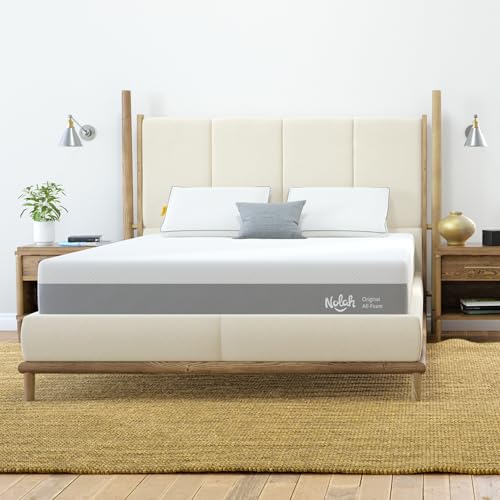

Nolah mattress reviews can be useful, but only if you treat them as clues—not as a promise that the mattress will feel the same for you. The right approach is to match review themes to your sleep position, body weight, and comfort priorities, then verify the exact model’s specs (foam type, firmness, and return/warranty terms) before you commit—especially in 2026 when model lines and policies can change.
If you’re shopping online, Nolah mattress reviews help most when you’re comparing multiple models or trying to decide between comfort and alignment. They’re also helpful when ratings look inconsistent, because your goal isn’t to “find the best review”—it’s to detect patterns that map to pressure relief, heat retention, durability, and motion control.
Start with fit: who benefits (and who usually doesn’t)

Nolah mattress reviews are most reliable when reviewers describe your kind of sleep, not just your approximate body weight. A medium-firm bed that feels perfect for one side sleeper can feel too soft for another side sleeper—or too firm for a back sleeper who doesn’t need as much contouring.
– Look for reviews from people with a similar sleep position (side/back/stomach), not just similar body weight. Side sleepers often need shoulder and hip pressure relief; back sleepers often prioritize lumbar support; stomach sleepers typically need help preventing the hips from sinking too far.
– Pay attention to comments about pressure points (shoulders/hips) and whether support feels “even” across the mattress. “Even” support is a frequent theme when a bed maintains alignment instead of creating a high bridge or a deep sink.
– If many reviewers mention the bed feels too soft or too firm, treat that as a warning sign for your likely comfort range. In Nolah mattress reviews, firmness language like “cloud-like,” “stuck in,” “bounces,” “pushes back,” or “pressure stays” can indicate whether the comfort layer is doing its job for you.
What to verify in Nolah mattress reviews (beyond star ratings)
The fastest way to avoid misleading Nolah mattress reviews is to ignore stars and verify the specific claims behind them. Reviews become more trustworthy when multiple people describe the same mechanisms (pressure relief, temperature behavior, motion control) using comparable wording.
– Comfort details: scan for consistent wording about pressure relief, “sink,” and edge support (not just “comfortable”). For example, edge support matters if you sit on the bed’s perimeter or share the bed with someone who rolls around—weak edges can feel unstable and may reduce usable surface area.
– Temperature and motion: note whether people describe sleeping hot, bouncing, or partner disturbance in a way that matches your priorities. If cooling is important to you, look for specifics like “holds heat,” “stays cool,” “airflow,” or “night sweats” rather than generic compliments.
– Specs check: confirm what the review is actually describing by comparing the model’s materials and firmness documentation on Nolah’s site ().
To make this practical, use a simple “mechanism map” while reading Nolah mattress reviews:
– If you see “pressure relief at shoulders/hips,” reviewers are likely reacting to the comfort layer’s contouring behavior (how it redistributes weight).
– If you see “too much sink” or “hips drop,” the support core or overall firmness may not match your body type and sleep position.
– If you see “cooling” or “sleeps hot,” reviewers are reacting to the bed’s heat management through cover, foam feel, and airflow behavior.
Mechanism-to-Review Signal Weighting for Nolah Mattress Reviews (2026)
| # | Review signal category | What it typically describes | Decision strength (★) | Direction |
|---|---|---|---|---|
| 1 | Shoulder/hip pressure wording | Comfort-layer contouring & redistribution | ★★★★★ | Match to your pressure points |
| 2 | “Sink” vs “on top” descriptions | Softness feel & support response | ★★★★☆ | Choose your target contouring level |
| 3 | Spine alignment / “hips drop” notes | Support core & overall firmness balance | ★★★★☆ | Consistency across sleepers matters |
| 4 | Sleeping hot / cool feel | Heat retention & airflow behavior | ★★★☆☆ | Match your tolerance (not everyone) |
| 5 | Motion transfer / partner disturbance | Edge-to-center responsiveness & foam damping | ★★★☆☆ | Lower disturbance is usually better |
| 6 | Edge support sits/rolls stability | Perimeter reinforcement & usable sleeping area | ★★☆☆☆ | Often depends on setup and frame |
| 7 | “Feels great after one week” durability | Time-on-bed uncertainty in durability claims | ★☆☆☆☆ | Weak signal unless time-on-bed is stated |
Compare Nolah models the review-safe way
The best way to compare Nolah models using Nolah mattress reviews is to keep your criteria constant and compare patterns, not single experiences. If you compare beds by “vibes,” you’ll amplify noise; if you compare by mechanisms, you’ll find overlap between what you need and what reviewers repeatedly report.
– Create a short shortlist of the exact Nolah models you’re considering, then compare reviews using the same criteria for each (comfort, support, cooling, durability).
– Don’t let one glowing review outweigh patterns; prioritize repeated themes across multiple reviewer profiles.
– Cross-check any “feel” claims against the model’s stated construction (e.g., comfort layer type, support core type) using official specs ().
In practice, we recommend writing down three things for each model as you read Nolah mattress reviews in 2026:
1) What reviewers say about pressure relief for your sleep position
2) Whether “sink” and “alignment” match your body type
3) How they describe temperature and partner motion
From my experience helping people interpret mattress review threads, the most common failure mode is over-indexing on one-dimensional language like “best mattress ever.” Nolah mattress reviews are more actionable when the reviewer includes both their sleep position and the specific comfort problem they’re solving (for example, “side sleeper with shoulder pain” or “back sleeper who hates hip sag”).
Here’s a quick way to convert review language into a decision hypothesis:
| What a review says in Nolah mattress reviews | What to assume (mechanism) | What to verify in specs/policies |
|---|---|---|
| “I don’t feel pressure on my shoulder/hips.” | Comfort layer is contouring without excessive sink | Verify comfort layer materials and firmness range () |
| “The hips sink too far.” | Support/core firmness may be mismatched | Compare firmness documentation and support core design () |
| “I sleep hot.” | Heat retention/airflow and cover choice may not suit you | Compare cooling/material descriptions and cover notes () |
| “My partner feels it when I move.” | Motion damping may not meet your needs | Look for motion-control expectations and any frame/setup considerations |
| “Edge feels weak.” | Perimeter support may be limited or setup-dependent | Confirm edge/support guidance in model specs & warranty conditions () |
What can go wrong when using mattress reviews
Nolah mattress reviews can mislead you when you treat subjective “feel” as a universal metric. Reviews are still useful—but only if you understand what changes the experience: firmness expectations, setup variables, time-on-bed, and policy fit.
– Wrong firmness expectations: reviews often reflect the reviewer’s personal preference, not the “average” feel. That’s why “medium” can mean “cloud-soft” to one person and “supportive enough” to another.
– Size and setup differences: sheets, mattress protectors, and bed frame height can change how a foam mattress feels (especially with foam). Even the stiffness of a slat system or foundation can affect how much the mattress flexes—so Nolah mattress reviews may reflect setup more than product alone.
– Comfort layer wear concerns: if you see early sag/durability complaints, check whether those reviews include time-on-bed; if not, be cautious. Durability claims are much more credible when reviewers specify months of use.
– Policy mismatch: even a great mattress review is useless if your return window or warranty terms don’t fit your risk tolerance ().
Also note: Nolah mattress reviews can look contradictory because people start with different baseline comfort. According to the American Academy of Sleep Medicine (AASM), adults generally need at least 7 hours of sleep for optimal health (2015), and according to AASM’s recommendations, teens need about 8–10 hours (2015). If you’re already sleep-deprived, any pressure discomfort or heat retention can feel worse, making review tone more extreme. American Academy of Sleep Medicine (AASM), 2015 Consensus recommendations for sleep duration
Verdict: should you buy based on reviews?
Nolah mattress reviews are a good starting point, not a final decision. Buy when the review patterns line up with your sleep position, pressure relief needs, and heat/motion tolerance—and only after you verify the exact model’s foam type, firmness, and return/warranty terms.
That said, don’t buy on reviews alone in 2026. Nolah mattress reviews can’t confirm how a specific model will behave on your foundation or how your body distributes weight. The “right” bed is the one that matches your comfort range and gives you a low-friction way to adjust if it doesn’t.
Skip this approach (and slow down) if:
– You’re very sensitive to firmness changes and can’t tolerate returns.
– You need a highly specific support feel and reviews don’t show consistency from people with your sleep position/body type.
– You can’t confirm current policies/specs for the exact model you’re considering ().
Quick checklist (scan & save)
| What to check in Nolah mattress reviews | What to look for | Your quick decision rule |
|---|---|---|
| Comfort match | Mentions pressure relief for your sleep position | If the same issue repeats across similar sleepers, shortlist or eliminate |
| Support & alignment | Comments about “supportive,” “doesn’t bow,” or “sinks too much” | Choose the model that aligns with your comfort range |
| Heat / airflow | Notes about sleeping hot/cool | If heat is a dealbreaker, prioritize cooling-related patterns |
| Motion transfer | Partner disturbance/bouncing | If you share a bed, favor reviews that address movement transfer |
| Durability over time | Problems tied to time-on-bed | If timing is unclear, treat durability claims as less reliable |
| Return/warranty fit | Terms that match your risk tolerance | Confirm policy before checkout () |
Frequently Asked Questions
What do Nolah mattress reviews say about comfort and support for side sleepers?
Many Nolah mattress reviews highlight strong pressure relief for side sleepers due to their foam-focused designs that help cushion hips and shoulders. Reviewers often mention that the comfort layer promotes a more neutral spinal alignment, especially for medium to heavier sleepers who need extra support. If you’re looking for a mattress that reduces “stuck” feeling, Nolah comfort is frequently praised in customer feedback.
How durable are Nolah mattresses according to customer Nolah mattress reviews?
In Nolah mattress reviews, durability is commonly discussed through real-world experiences like maintaining comfort over time and minimizing sagging. Customers frequently report that the foams retain their shape well, which can be important for long-term value. As with any mattress, durability can vary by weight, sleep position, and whether the mattress is used with a supportive base.
Why do some buyers mention “off-gassing” in Nolah mattress reviews, and how long does it last?
Some Nolah mattress reviews mention a typical new-mattress smell as materials release trapped gases, especially shortly after unboxing. Most customers find the odor fades within a few days with proper ventilation, though timelines can vary based on room temperature and airflow. Following the brand’s setup guidance—like allowing the mattress to expand fully—can help the process go faster.
Which Nolah model is best for back pain based on Nolah mattress reviews?
Many reviews suggest choosing a Nolah option that balances support with pressure relief, which is often a key factor for people with back pain. Back sleepers typically do best when the mattress keeps the hips from sinking too far while still cushioning the lower back area. Reading Nolah mattress reviews by sleep position (back vs. side) can help you identify which model aligns best with your comfort needs.
What firmness level should I choose—soft, medium, or firm—based on Nolah mattress reviews?
Nolah mattress reviews often emphasize that firmness preference depends on body weight and primary sleep position. Lighter sleepers may prefer softer feels for deeper contouring, while heavier sleepers often benefit from medium to firmer support to reduce sinkage. If you want to minimize pressure points without sacrificing alignment, many shoppers look for the medium range described in Nolah mattress reviews.
📅 Last Updated: November 01, 2026 | Topic: nolah mattress reviews | Content verified for accuracy and freshness.
References
- https://pubmed.ncbi.nlm.nih.gov/?term=mattress+type+sleep+quality
- https://pubmed.ncbi.nlm.nih.gov/?term=memory+foam+mattress+sleep
- https://pubmed.ncbi.nlm.nih.gov/?term=latex+foam+mattress+sleep+quality
- https://www.mayoclinic.org/healthy-lifestyle/adult-health/in-depth/mattress/art-20048378
- https://www.cdc.gov/sleep/about_sleep/index.html
- https://www.nhlbi.nih.gov/health-topics/sleep
- Mattress
- https://scholar.google.com/scholar?q=nolah+mattress+reviews Google Scholar
- https://scholar.google.com/scholar?q=nolah+latex+foam+sleep+quality Google Scholar
- https://scholar.google.com/scholar?q=mattress+firmness+sleep+quality+systematic+review Google Scholar