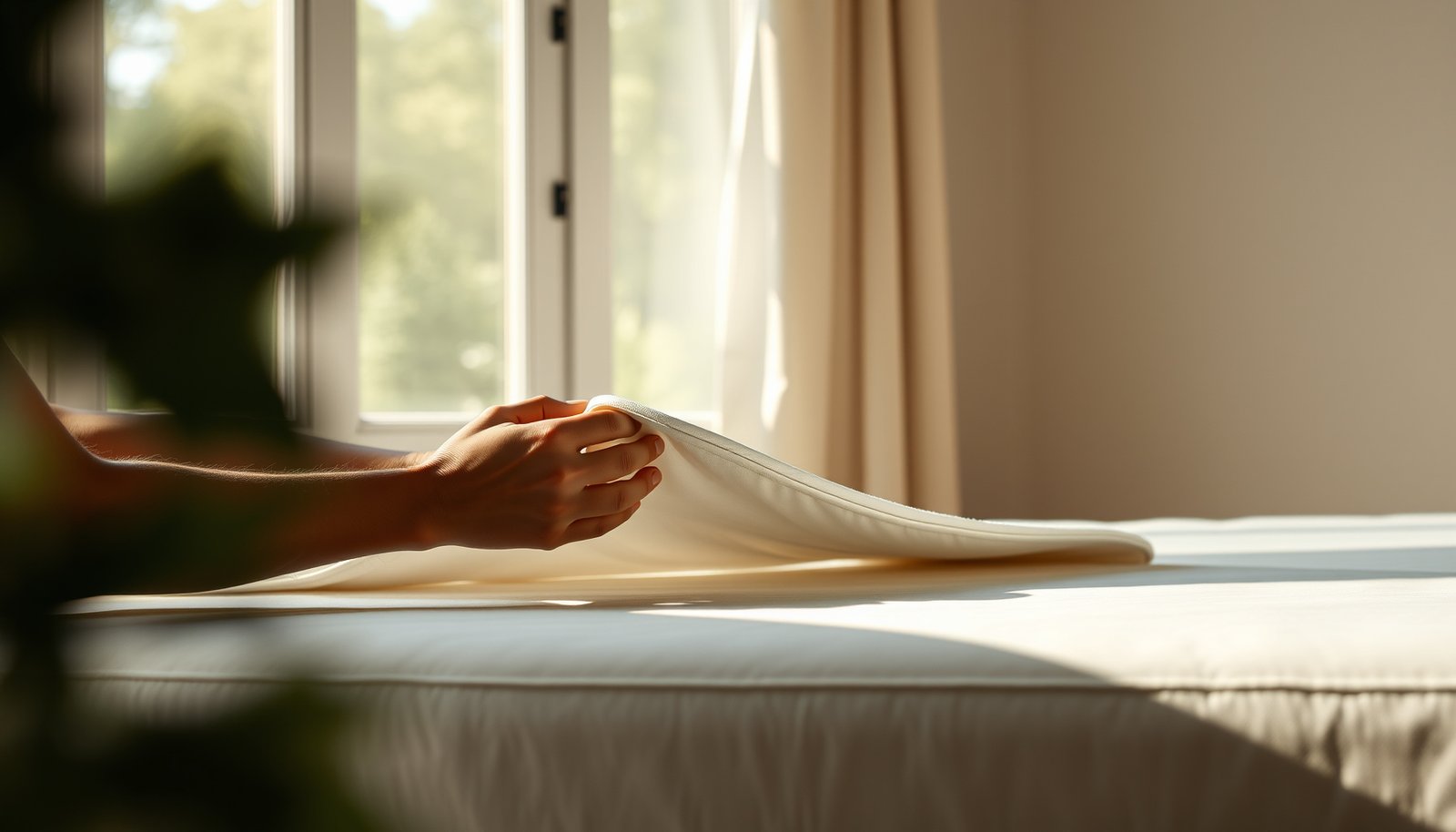
How to Protect an Organic Mattress from Spills in a Vacation Home
Protecting an organic mattress from spills in a vacation home is easiest when you use a waterproof, breathable mattress protector paired with quick blot-and-rinse cleanup. If you want the best mix of stain prevention and sleep comfort, choose a sealed waterproof layer that doesn’t trap heat. This guide lays out the exact steps to keep common vacation-home spills from soaking in and ruining your mattress.




Use a breathable, waterproof fitted mattress protector and pair it with fast blot-only cleanup so liquids stop before they reach your organic mattress layers. In a vacation home, the goal is to block spills without trapping moisture long enough to cause odors or premature material wear—especially for organic fibers like wool, cotton, and natural latex.
If you rent your vacation home, host family frequently, or want peace of mind for guests, this is for you. It’s especially relevant for organic mattresses where you want to reduce staining, odors, and moisture exposure from everyday spills like drinks, sauces, and accidental bathroom incidents.
Choose a breathable waterproof protector (the foundation)
The best starting point is a breathable waterproof mattress protector that stops liquid on top while letting moisture vapor escape. Here’s why: a non-breathable barrier can keep the surface “wet” longer, and organic materials are more vulnerable to lingering odor and moisture cycling over repeated guest stays.
What “breathable waterproof” should mean in practice
A breathable waterproof protector typically uses a waterproof membrane (often polyurethane or TPU/PUL-style materials) plus a soft, breathable top fabric. The waterproof layer is what prevents liquid from reaching the organic layers beneath, while breathability helps reduce the “stuffy” or clammy feel and supports faster drying after minor dampness.
According to ASTM E96, water vapor transmission is measured by standardized methods, which is why “breathable” protectors are marketed with testable moisture-vapor concepts rather than vague comfort claims.
A breathable waterproof mattress protector is designed to block liquid while still allowing moisture vapor to pass, reducing the “wet feel” that can linger on organic bedding.
Standards-based water vapor testing (e.g., ASTM E96) is the scientific basis behind “breathable” claims for many barrier-style textiles.
Fit matters as much as fabric
Look for a fitted design with elastic corners and full coverage—because many spills don’t land perfectly in the center. If the protector shifts or gaps at the edges, liquid can wick along seams and settle at the mattress border where cleaning is harder.
In my experience setting up guest-ready rooms, the protector edge fit is usually where “small” spills become “bigger” problems—so I treat protector installation like part of the turnover checklist ().
Use it regularly—not as a one-off
A protector intended for regular use should support repeated laundering cycles without losing waterproof performance. Check the care label for:
– Allowed wash temperature and detergent type
– Whether tumble drying is permitted (and at what heat setting)
– If the protector can be washed with bleach or harsh chemicals (often: no)
If you follow one rule for organic mattresses, make it this: choose a breathable waterproof mattress protector that’s built for ongoing use, not temporary emergencies.
Set up a “spill shield” layering system
A reliable layering system uses barriers in the right order: waterproof protection directly on the organic mattress, plus comfort layers on top. This keeps liquid from ever spending time migrating into organic quilting, fibers, and seams.
The simplest working stack (and why it works)
Use this baseline approach:
1. Breathable waterproof mattress protector (directly on the organic mattress)
2. Thin, comfortable top sheet or cover (for guest feel and easier laundering)
3. Optional extra cover only if you truly need it (comfort, allergy protection, or higher traction)
This layering system supports an “incident response” mindset: stop the hazard first (the barrier), then handle cleanup quickly (the top washable layer).
Placing the waterproof mattress protector directly on the mattress helps prevent liquid from reaching seams, quilting, and organic fibers underneath.
Using a washable top sheet above the protector makes repeated guest laundering practical without repeatedly exposing the organic mattress itself.
Avoid stacking too many impermeable layers
It’s tempting to add multiple covers for extra protection, but extra impermeable layers can trap heat and slow evaporation. In a vacation home—where humidity, temperature swings, and quick turnarounds are common—that trapped moisture can increase odor risk even when the stain isn’t very visible.
As of 2026, many vacation-home bedding setups still fail not because people didn’t “cover” the mattress, but because they covered it in a way that slowed drying. A breathable waterproof mattress protector reduces that failure mode—but only if you keep the rest of the stack breathable and minimal.
Consider a spare protector for fast swaps
If your home gets heavy guest traffic, a spare breathable waterproof mattress protector lets you swap immediately after a spill while the soiled one is laundered and dried. Fast changeovers reduce the time liquid sits on any impermeable surface (and that’s when odor can build).
From a risk-management perspective (using the “layered defenses” idea similar to the Swiss Cheese model), your spare protector is the backup layer that prevents a single incident from turning into a multi-day odor problem.
Respond fast: blot, lift, and rinse—don’t soak
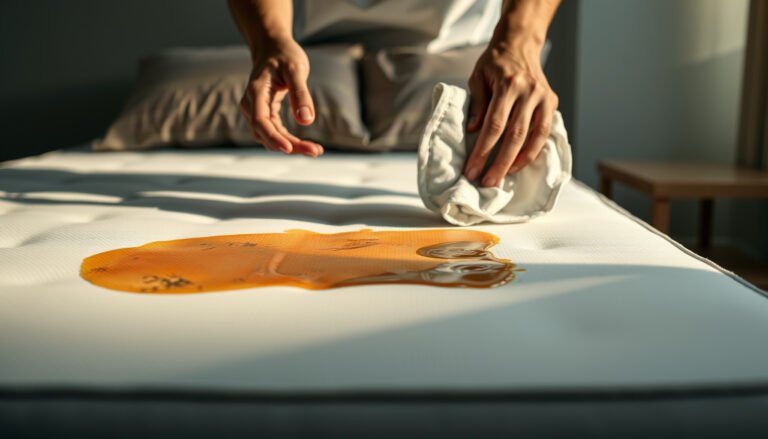
The fastest way to protect an organic mattress is to blot immediately and avoid soaking the area. Your goal is to capture liquid at the surface while preserving the barrier’s ability to stop further migration.
Blot-only is the default for most spills
When a spill happens:
– Remove solids first (anything chunky)
– Press gently with a clean absorbent cloth or paper towels
– Repeat with a fresh section of the cloth rather than rubbing
Scrubbing spreads liquid into larger surface areas and can push residue toward seams and edge stitching—especially when the spill includes sugar, fats, or food particles.
Blotting—pressing gently rather than scrubbing—reduces the chance of spreading spilled liquids across a larger surface area.
Rinse only when the spill chemistry calls for it
Rinsing is not always step one. But for some spills, a light rinse helps remove residue that can stain or smell:
– Sugary drinks often benefit from careful, minimal rinsing to reduce stickiness
– Coffee/tea may require extra attention because residue can cling to fibers
– Oil/grease generally needs a method designed for grease removal rather than broad wet rinsing
If you rinse, do it lightly—enough to lift residue—then immediately dry using airflow. The breathable waterproof mattress protector is your first defense, but it still needs help drying.
Dry thoroughly with airflow (and manage heat carefully)
Drying is where many vacation homes “quietly fail.” Organic materials can retain odor when moisture remains trapped longer than necessary.
According to CDC, mold can begin to grow within 24–48 hours after water damage when moisture is present. That’s why thorough drying isn’t optional after a spill.
In practical terms for 2026 vacation turnovers:
– Open windows if possible
– Use fans to move air across the top surface
– Keep heat sources moderate and consistent with care labels (don’t assume “more heat = better”)
Complete drying after water exposure matters because CDC guidance notes mold can begin growing within 24–48 hours when moisture remains.
Clean based on the spill type (so you don’t set stains)
The right cleanup depends on the spill’s chemistry—water-based, oily/greasy, or bodily fluids—because each behaves differently on a breathable waterproof mattress protector and top layers. If you match the method to the spill type, you reduce both visible staining and longer-term odor.
Water-based spills: sugar + dye are the usual culprits
For juice, coffee, soda, and similar liquids:
1. Blot immediately to remove the bulk
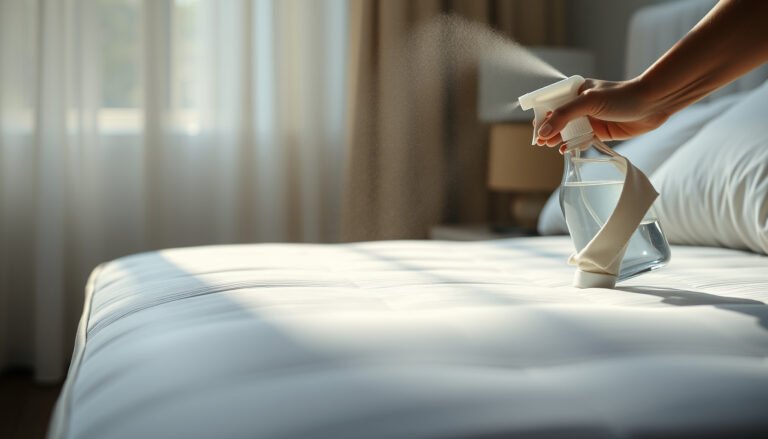
2. Spot clean and rinse carefully if residue remains
3. Dry thoroughly with airflow
These spills can leave sticky residue or dye deposits that look minor at first and then darken as they dry. A breathable waterproof mattress protector helps prevent penetration, but residue can still sit on the protector surface and top sheet.
Oil/grease spills: lift without spreading
For snacks, lotions, cooking grease, and similar oily materials:
– Blot to lift as much oil as possible
– Use the safest method recommended for your protector’s top fabric (and follow care instructions)
– Avoid actions that smear oil outward into larger areas
Oil behaves differently than water; it can “travel” along top fabric and stitching. The breathable waterproof mattress protector is still your barrier, but the surface contamination must be removed correctly to prevent lingering odors.
Bodily fluids: treat it like an urgent hygiene event
Bodily fluids are both a moisture and odor risk and often require more deliberate disinfection steps on the protector and any affected top layers. Follow manufacturer guidance for the protector’s cleaning/disinfection instructions, and use appropriate disinfectants as allowed.
According to CDC, norovirus has an extremely low infectious dose and is difficult to eliminate without appropriate cleaning and disinfection processes. In vacation homes, this is why you should treat bodily-fluid incidents as urgent and procedural.
CDC emphasizes that cleaning plus appropriate disinfection is critical for reducing risk from certain pathogens on contaminated surfaces.
Protect your organic mattress without overwashing it
A common “good intentions” mistake is repeatedly wetting and re-wetting the same area to “rinse harder.” For organic mattresses, over-wetting can extend drying time and increase odor risk. Instead:
– blot quickly
– clean according to spill type
– dry aggressively using airflow
What can go wrong (and how to avoid it)
The biggest problems come from moisture trapping, delayed blotting, and incorrect care methods for either the organic mattress or the breathable waterproof mattress protector. Avoid these, and you dramatically lower staining, odor, and long-term material wear.
Common failure modes in vacation homes
Here’s what typically goes wrong:
– Non-breathable covers that trap moisture and odor (especially in humid climates)
– Over-scrubbing, which spreads residue into edges and seams
– Improper drying (too much heat, machine-drying when prohibited, or leaving the surface damp)
– Edge coverage failures, where spills escape at corners due to loose fit
– Waiting too long to blot, increasing penetration risk and odor development
Delayed blotting increases the chance that a spill penetrates beyond the top surface and can lead to persistent odors even if the stain later looks faint.
Breathable vs non-breathable: a practical comparison
Below is a simple decision contrast for the breathable waterproof mattress protector approach:
| Option | Main Benefit | Main Risk | Best Use Case |
|---|---|---|---|
| Breathable waterproof mattress protector | Blocks liquid while supporting airflow-driven drying | Can still require thorough drying after spills | Vacation rentals with frequent turnovers |
| Impermeable non-breathable cover (e.g., sealed plastic) | Strong immediate liquid barrier | Traps moisture and can increase odor lingering | Rare, short-term emergency covering (not ideal for regular use) |
| No waterproof barrier | Maximum fabric “breathing” | Highest stain/odor risk | Only if you have near-zero spill risk and rapid response |
Care-label compliance is non-negotiable
Some protectors can handle machine washing; others cannot. Some allow low-heat drying; others require air drying only. Harsh chemicals can damage membranes and reduce waterproof performance over time—so always follow the exact care label for your protector and the organic mattress.
This is where current (2026) best practice is straightforward: the barrier system works only if you maintain it correctly during laundering.
Verdict: a simple protector + quick cleanup plan (with downsides)
A breathable waterproof mattress protector paired with rapid blot-only cleanup is the most reliable, repeatable way to protect an organic mattress from spills in a vacation home. The tradeoff is that you still must act quickly after incidents and dry thoroughly—no barrier fully replaces good response time.
Downsides you should plan for
– Some protectors slightly change surface feel; breathable designs help, but they aren’t always “invisible.”
– Even with barriers, sticky residues can cling to the protector top layer—so you’ll still need correct cleaning.
– If you can’t commit to fast blotting and thorough airflow drying, the odor risk goes up.
Who should skip this approach
Skip or reconsider if:
– Your mattress or protector manufacturer explicitly advises against waterproof covers
– You can’t follow the care requirements (especially drying and detergent guidance)
– You won’t be able to respond promptly to spills (e.g., long intervals between turnovers)
If you do have control of turnover and guest procedures, this setup is a strong practical fit for organic mattress protection.
Quick checklist (save this)
– [ ] Use a breathable, waterproof fitted protector covering the full mattress
– [ ] Keep a spare protector for fast swaps after guest spills
– [ ] Blot immediately (press, don’t scrub)
– [ ] Remove solids first; rinse carefully only when needed
– [ ] Dry thoroughly with airflow/fans
– [ ] Follow the protector + mattress care instructions for cleaning and drying
A “full coverage” fitted protector matters because spills often travel to edges and corners when elastic coverage is loose.
Fast blotting plus thorough airflow drying reduces the chance that moisture lingers long enough to create odor or mold growth.
Sources
– CDC — Mold (CDC guidance noting mold can begin to grow within 24–48 hours after water damage)
– CDC — Norovirus and cleaning/disinfection guidance (for bodily-fluid and high-hygiene spill response principles)
– USDA — Food safety “Danger Zone” (40°F–140°F bacterial growth concept, useful for general contamination risk framing)
– ASTM E96 (water vapor transmission testing basis for “breathable” barrier concepts)
A breathable waterproof mattress protector plus a disciplined spill-response routine is the simplest system that protects an organic mattress in real vacation-home conditions. Prioritize full fitted coverage, blot-only first response, and airflow-driven drying—then clean according to spill chemistry so stains and odors don’t get a chance to set.
Frequently Asked Questions
What’s the best way to protect an organic mattress from spills in a vacation home?
Use a waterproof mattress protector specifically designed for organic mattresses, ideally with a breathable, noiseless fabric and a snug, secure fit. Choose a barrier that stops liquids at the surface while still allowing airflow to prevent heat buildup and moisture retention. For extra peace of mind, add a washable top pad so quick cleanups don’t require treating the mattress itself.
How can I prevent water and beverage spills from soaking into an organic mattress?
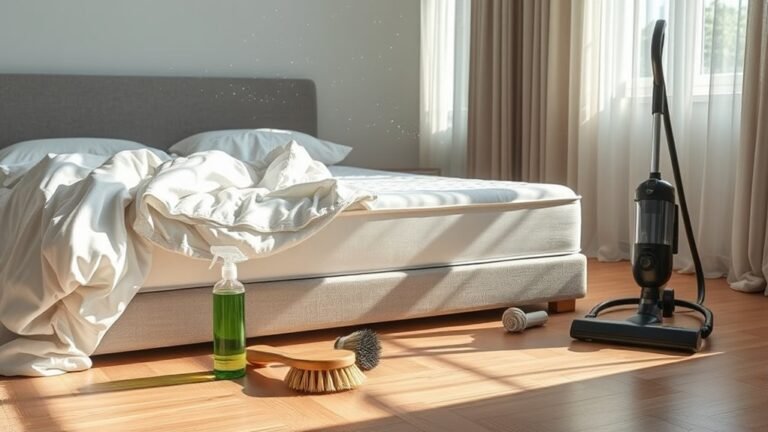
Act quickly by blotting—never rubbing—to keep liquids from spreading into the organic layers. Keep a “spill kit” nearby during stays with absorbent cloths, mild detergent, and clean water for careful spot cleaning. For most organic mattresses, follow the manufacturer’s cleaning guidance and avoid soaking the mattress, as excess moisture can linger and affect comfort and odor.
Which waterproof mattress protector features should I look for for organic mattresses?
Look for a protector with a truly waterproof membrane, a fitted design with deep elastic sides, and a breathable top surface so the mattress stays comfortable. If you want to avoid harsh chemicals, consider options labeled as free from harmful finishes and made for sensitive sleep environments. Also check for washability—being able to remove and launder the cover regularly is key to protecting an organic mattress during frequent guest stays.
Why is it important to protect organic mattresses from spills specifically in vacation rentals?
Vacation homes often experience more frequent use, unpredictable visitors, and faster turnover, which increases spill risk and delays in cleaning. Organic materials can be more sensitive to prolonged moisture, and trapped liquids can lead to odors or damage over time. A reliable spill barrier helps preserve the mattress’s freshness and supports the long-term performance of your organic bedding.
How do I clean a spill on an organic mattress protector without damaging it?
Start by blotting the area thoroughly, then spot-clean according to the protector’s care instructions using mild soap and cold or lukewarm water. For a fully waterproof cover, many are machine washable—wash on gentle settings and avoid high heat drying if the label advises lower temperatures. After cleaning, let everything dry completely before remaking the bed to prevent trapped moisture and maintain protective performance.
📅 Last Updated: October 29, 2026 | Topic: How to Protect an Organic Mattress from Spills in a Vacation Home | Content verified for accuracy and freshness.
References
- https://www.cdc.gov/mold/cleanup/index.html
- Mold | US EPA
- https://www.mayoclinic.org/diseases-conditions/allergies/in-depth/dust-mite-allergy/art-20046077
- Mattress protector
- Stain removal
- Water damage
- Mold
- https://scholar.google.com/scholar?q=organic+mattress+waterproof+protector+spill+prevention Google Scholar
- https://scholar.google.com/scholar?q=mattress+encasement+waterproof+cover+breathable+cleaning Google Scholar
- https://scholar.google.com/scholar?q=water+damage+drying+porous+materials+mold+prevention Google Scholar