How to Protect Memory Foam Mattress From Mold in Shared Guest Room
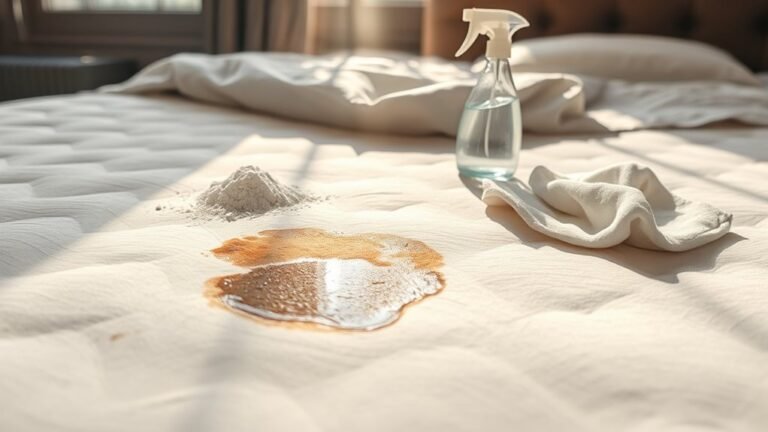
Shared guest rooms can leave a memory foam mattress vulnerable to mold when humidity lingers between check-ins. You want it fresh and hygienic without constant deep-cleaning. With a waterproof protector, washable linens, and a simple drying-and-rotation routine, you can control moisture and protect the foam in about 10–15 minutes per turnover.


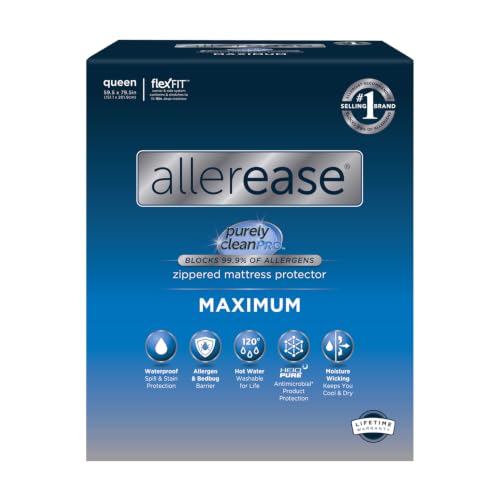

Keep mold from forming by using a breathable waterproof full encasement and keeping room humidity in check with consistent airflow. In a shared guest room, the fastest wins are blocking moisture at the mattress and responding immediately to spills or condensation—because memory foam can trap dampness longer than most people expect.
This is for anyone who shares a guest room—multiple people sleeping in the same setup, occasional spills, or seasonal humidity—where a memory foam mattress can trap moisture and take longer to dry.
Block moisture with a breathable waterproof cover
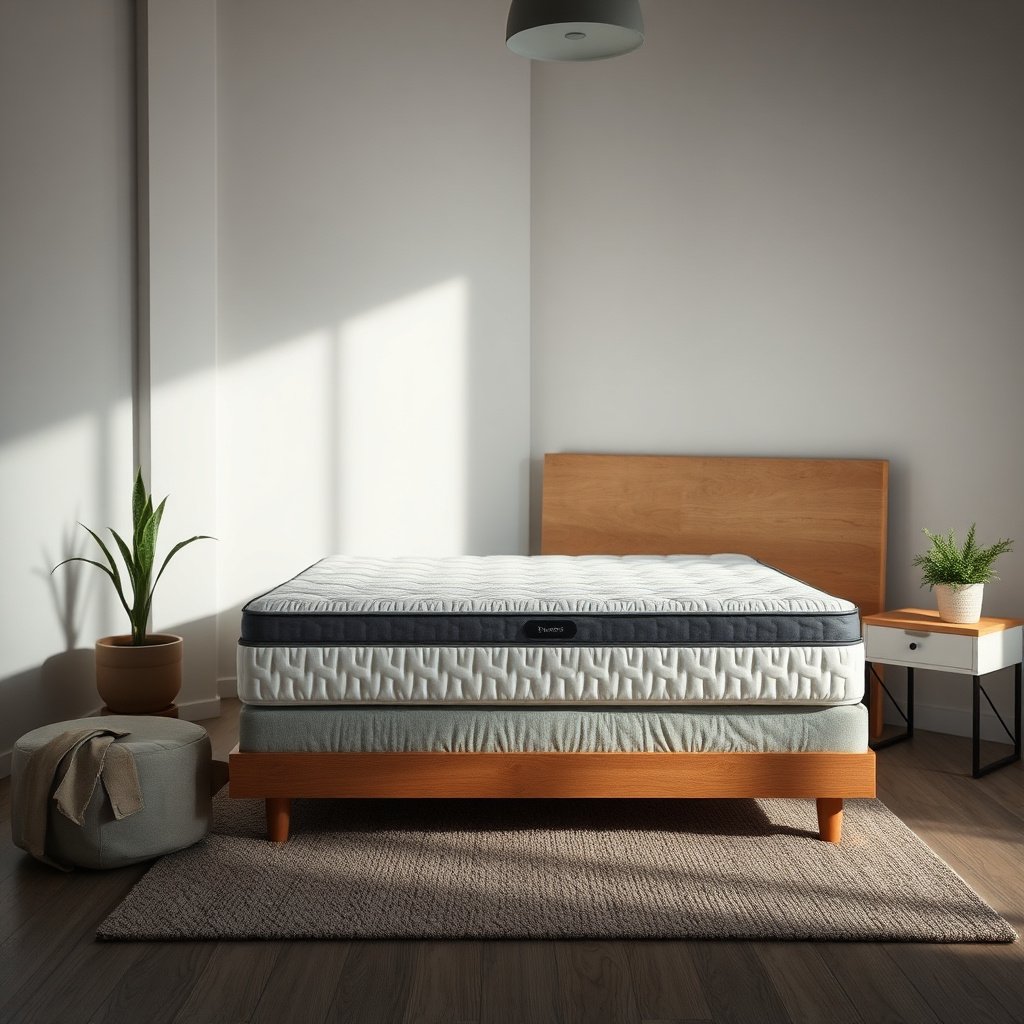
A mold-resistant memory foam mattress starts with a physical moisture barrier that still lets trapped moisture escape. For shared guest rooms, the best baseline is a full, breathable waterproof encasement that prevents direct wet contact while minimizing condensation buildup against the foam.
– Use a full mattress encasement (covers top + sides + bottom) that’s waterproof but breathable so moisture doesn’t sit against the foam.
– Add a washable fitted sheet on top for easy laundering and quicker cleanup after guest use.
– Keep the cover snug and fully zipped/secured—small gaps can still let humidity reach the foam.
To make the choice more practical, here’s how different cover styles tend to behave around a memory foam mattress in real guest-room conditions:
| Cover type (what you’re buying) | Pros for a memory foam mattress | Cons in a shared guest room |
|---|---|---|
| Breathable waterproof encasement | Stops liquid contact, reduces odor transfer, and allows vapor to pass so moisture isn’t sealed in | May feel slightly warmer; needs prompt drying after spills |
| Water-resistant (not truly waterproof) cover | Helps with light splashes and sweat wicking | Wet events can still reach the memory foam mattress, especially at seams and edges |
| Non-breathable plastic-only cover | Easy to wipe quickly | Can trap condensation against the memory foam mattress, increasing mold risk over time |
A key detail: a memory foam mattress doesn’t just need “waterproof.” It needs “waterproof and breathable” so moisture doesn’t become a trapped micro-environment right where mold would like to grow.
Control humidity and keep air moving
The most effective mold prevention in a shared guest room is making sure the room doesn’t stay damp long enough for condensation to linger on (or near) the memory foam mattress. If humidity is controlled, even accidental moisture exposure is less likely to turn into a mold problem.
– Aim to keep the room from staying damp: run ventilation (fan, window, or HVAC airflow) whenever practical.
– Check for moisture sources: wet laundry storage, leaky fixtures, or steam from nearby bathrooms can raise humidity near the mattress area.
– If your guest room runs cool at night, condensation risk can increase—consider gentle heat and airflow so surfaces don’t stay cold and wet.
Why cooling matters: condensation happens when surfaces cool below the dew point—the temperature where water vapor starts turning into liquid water. In a typical guest room, nighttime cooling plus high humidity is a frequent “silent” cause of moisture that you don’t notice until odor or spotting appears on the memory foam mattress.
Even if the memory foam mattress looks dry, higher RH narrows the “safe temperature gap” and makes condensation more likely—especially where the mattress stays cool (headboard corners, night airflow differences, exterior walls).
Set simple guest rules that prevent mold-friendly conditions
The fastest way to protect a shared guest room is to reduce how often moisture reaches the memory foam mattress in the first place. Clear, low-friction guest rules prevent “one small mistake” from turning into persistent dampness.
– Make it clear that guests shouldn’t place wet items (swimsuits, towels, or damp clothes) directly on the mattress.
– Encourage guests to use a laundry basket/stand for damp fabrics instead of leaving them on bedding.
– If someone sweats heavily or the room is humid, remind them to avoid over-stacking blankets that trap moisture against the surface.
In shared spaces, memory foam mattresses face a predictable set of risks: damp laundry, condensation from cold nights, and “temporary” wetness that gets forgotten for a day. Mold prevention works best when guests understand the “why” in one sentence: foam + trapped moisture = longer drying time.
A practical tactic we recommend for shared guest rooms: put a small sign by the door or closet that includes one rule and one alternative. For example: “Please place damp towels/clothes in the laundry basket—not on the bed.” That reduces friction compared with a long policy, and it protects the memory foam mattress without turning guests into custodians.
Clean and inspect regularly—without soaking the foam
You protect memory foam mattress hygiene best by cleaning only what’s needed and never saturating the foam. Regular inspection finds early warning signs (musty odor, trapped dampness) before visible mold becomes a larger remediation job.
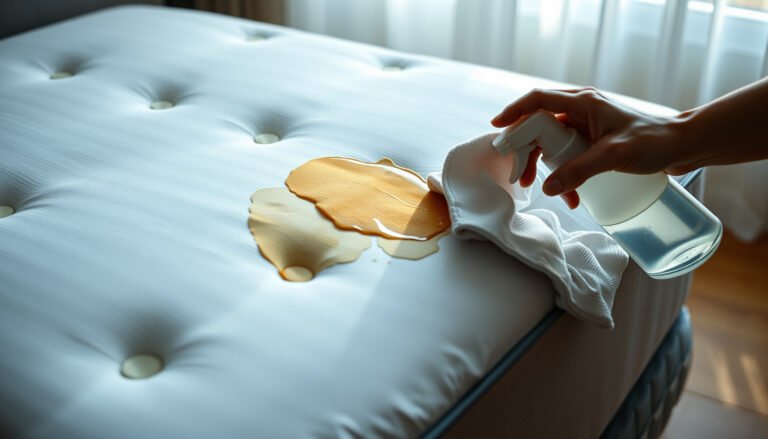
– Spot-clean only: use a mild cleaner suitable for foam and apply to the surface sparingly, not a soaked method that forces water into the mattress layers.
– Inspect monthly (or after any wet incident) for musty odor, visible spotting, or “clamped” dampness (foam that feels unusually cool or heavy).
– Don’t remove encasement components you’re unsure about—memory foam often needs careful handling to avoid damage that prolongs drying.
When you spot-clean a memory foam mattress under an encasement, treat it like “minimal moisture management,” not like upholstery shampooing. If you soak the surface, you may remove the stain on top while leaving dampness embedded deeper—exactly where mold is likely to start.
From a documentation-and-care perspective, it’s also wise to follow the mattress manufacturer’s instructions on cleaner types and drying times. If you don’t have them, .
Finally, inspection is about early signals. In a shared guest room, a monthly check is the baseline, but the most valuable inspections happen immediately after any spill, condensation event, or unusual odor complaint about the memory foam mattress.
Handle spills and condensation immediately (fast-dry plan)
The rule for a shared guest room is simple: treat spills and condensation like emergencies, because mold can start long before you notice. According to the U.S. Environmental Protection Agency, mold can begin growing within 24–48 hours after water exposure (U.S. EPA, 2012), so speed matters more than “letting it air out later.”
– Act within minutes: blot any liquid with clean towels, then dry the surface using airflow (fan) rather than heavy heat.
– Remove damp bedding right away, and keep the mattress upright/accessible to air as much as the room setup allows.
– If there’s a musty smell that lingers after drying, consider contacting the mattress manufacturer for approved cleaning steps and, if odor or visible growth persists, a licensed remediation professional or local health authority for guidance.
A fast-dry plan for a memory foam mattress also needs the right “order of operations.” First, stop the moisture (blot, remove wet linens). Second, increase drying capacity (airflow over the mattress surface and around the room). Third, verify dryness by feel and smell before you put bedding back.
For humidity control, also lean on established targets. According to the U.S. EPA, keeping indoor relative humidity between 30% and 50% can reduce conditions that allow mold (U.S. EPA, 2012). In shared guest rooms, that’s often the difference between “a one-night incident” and “a recurring damp problem.”
What can go wrong (and how to avoid it)
Most mold problems start with well-intended shortcuts that keep moisture in contact with the memory foam mattress longer than expected. The goal is to avoid actions that either trap humidity or extend dry time after spills.
– Using a non-breathable plastic cover: it can trap humidity and make condensation worse over time.
– “Spray and soak” cleaning: excessive liquid can seep deeper than you can blot out, extending dry time.
– Waiting too long after spills: memory foam can hold moisture internally, so the mold risk doesn’t stop when the surface looks dry.
– Ignoring repeated humidity sources: if the room stays damp seasonally, one-time cleaning won’t solve the underlying moisture problem.
Edge case to watch in shared guest rooms: seasonal bathrooms/steam. Even if the memory foam mattress area seems unaffected, steam from showers can spike local humidity, making condensation more likely on cooler surfaces at night. If you notice frequent condensation patterns near windows or exterior walls, address airflow and dehumidification strategy—not just the mattress.
Another common failure mode: drying only the bedding. If wet bedding was on the memory foam mattress, the foam itself may still be damp under the encasement. Drying cycles should treat the mattress and the surrounding air, not only the top cover.
Verdict / tip
If you want the most reliable protection with the fewest hassles, combine a breathable waterproof encasement with consistent humidity control and airflow, then add a simple “spill response” routine. In a shared guest room, this combination prevents moisture from reaching the memory foam mattress and reduces the chance that condensation lingers long enough for mold to take hold.
The downside: covers can feel slightly warmer, and you’ll need to be more intentional about drying after any incident. Skip this approach (or get manufacturer guidance first) if your memory foam mattress already has widespread visible growth, heavy water damage, or a persistent strong musty odor that doesn’t improve after thorough drying.
Quick checklist (save this)
| Situation | Do this first | Goal |
|---|---|---|
| Before guests arrive | Ensure encasement is fully closed + dry bedding on top | Prevent moisture contact |
| Room feels humid | Increase ventilation/airflow | Reduce condensation risk |
| Spill occurs | Blot immediately, remove wet bedding, add airflow | Shorten time water stays near foam |
| Musty smell appears | Inspect for trapped dampness; improve drying | Stop mold from taking hold |
| After cleaning | Confirm fully dry before cover/bedding returns | Avoid re-wetting hidden layers |
Frequently Asked Questions
What steps can I take to prevent mold on a memory foam mattress in a shared guest room?
Start by controlling moisture—run a dehumidifier if humidity is high and ensure the room gets regular ventilation, especially after guests arrive. Use a waterproof, breathable mattress protector to block spills and reduce moisture exposure while still allowing airflow. Vacuum and inspect the mattress monthly for musty odors or visible spots, and keep the mattress off cold, damp floors with a breathable bed frame or platform. If you notice early mold or mildew, address it quickly rather than waiting for odors to fade.
How do I protect a memory foam mattress from mold after someone spills water or sweats during a guest stay?
Blot spills immediately with a clean, dry towel and avoid soaking the foam—memory foam holds moisture, which can encourage mold growth. If the mattress protector is removed and washable, wash it promptly and dry it completely before reuse. For the mattress surface itself, use a fan to circulate air and dry the area within 24–48 hours; heat can damage foam or worsen odors if moisture is trapped. Never put a damp memory foam mattress back under covers—use breathable bedding once it’s fully dry.
Why is humidity control so important for preventing mold on memory foam mattresses?
Mold thrives when moisture and stagnant air build up, and memory foam can trap humidity because it conforms closely to the sleeper. In a shared guest room, frequent turnarounds and variable occupancy often increase condensation and uneven drying. Keeping indoor humidity in a comfortable range and improving airflow helps prevent mildew from forming inside the foam layers. Pair humidity control with a breathable, protective cover to reduce direct exposure to moisture.
Which mattress protector type is best for mold prevention on memory foam?
Look for a waterproof, breathable mattress protector that covers the entire mattress and fits securely without gaps. A top-quality encasement-style protector (often with a zipper) is especially helpful for long-term mold prevention because it seals out spills and moisture while allowing some vapor transmission. Avoid plastic-only covers that trap humidity, since they can increase condensation on the mattress surface. Wash the protector regularly and dry it thoroughly to maintain protection.
How can I clean and dry a memory foam mattress safely to stop mold from spreading?
If you detect mold, remove bedding and isolate the mattress while you assess the extent—small spots can sometimes be cleaned with a mild, foam-safe solution, but deeper growth often requires professional help. Use fans for fast, even drying and keep the mattress in a well-ventilated area until there’s no moisture remaining; consider using a dehumidifier in the room. Do not saturate memory foam, and avoid harsh chemicals that can damage the material or leave odors. After cleaning, replace or wash the protector and routinely check the area so mold doesn’t return.
📅 Last Updated: November 14, 2026 | Topic: How to Protect a Memory Foam Mattress from Mold in a Shared Guest Room | Content verified for accuracy and freshness.
References
- https://www.cdc.gov/mold/default.htm
- Mold | US EPA
- Mold – Overview | Occupational Safety and Health Administration
- Pet allergy – Symptoms and causes – Mayo Clinic
- https://www.who.int/news-room/fact-sheets/detail/dampness-and-mould
- Mold
- mold prevention humidity indoor home – Search Results – PubMed
- https://scholar.google.com/scholar?q=protect+memory+foam+mattress+from+mold+shared+guest+room Google Scholar
- https://scholar.google.com/scholar?q=dampness+indoor+mold+prevention+humidity+control+bedding Google Scholar
- https://scholar.google.com/scholar?q=mold+growth+on+polyurethane+foam+relative+humidity Google Scholar