How to Clean a Pillow-Top Mattress with Pet Hair Buildup
Need to clean a pillow-top mattress with pet hair buildup and want the fastest, most effective method? This guide delivers a clear winner: vacuum first with the right attachment, then use targeted deodorizing and spot-clean steps that lift hair from the quilted surface without soaking the fill. You’ll get a repeatable routine that restores comfort and reduces shedding-caused odors in one pass.




If your pillow-top mattress has pet hair buildup, vacuuming alone usually won’t lift everything—start with surface prep (lint roller or rubber brush), then vacuum with an upholstery attachment, and finish by spot-cleaning any grime without soaking the foam. This guide will walk you through a safe, step-by-step routine that targets hair, dander residue, and stains while protecting the pillow-top layers.
This is for anyone dealing with a mattress that feels “furry” even after quick cleaning—especially households with shedding pets, allergies, or kids who sleep on the bed daily. It’s also useful if your pillow-top has a removable cover vs. a stitched-in top, since the steps differ.
Gather Supplies and Check the Care Label

The fastest way to avoid damaging a pillow-top mattress is to confirm what cleaning methods the manufacturer allows before you use any products. Then assemble the right tools so you remove pet hair mechanically (brush/roller + vacuum) and only add minimal moisture for targeted spots.
Start with the mattress care label because pillow-top layers (often quilted fabric over foam or fiberfill) can be sensitive to over-wetting, harsh detergents, or enzyme cleaners not recommended by the brand. Many labels allow vacuuming and gentle spot cleaning, but prohibit soaking, steam, or “flooding” the top with liquid—especially if the mattress has a stitched-in pillow-top.
For supplies, prioritize tools that lift hair and fine allergens without pushing them deeper:
– Vacuum with upholstery attachment (a narrow crevice tool can help for seams and piping).
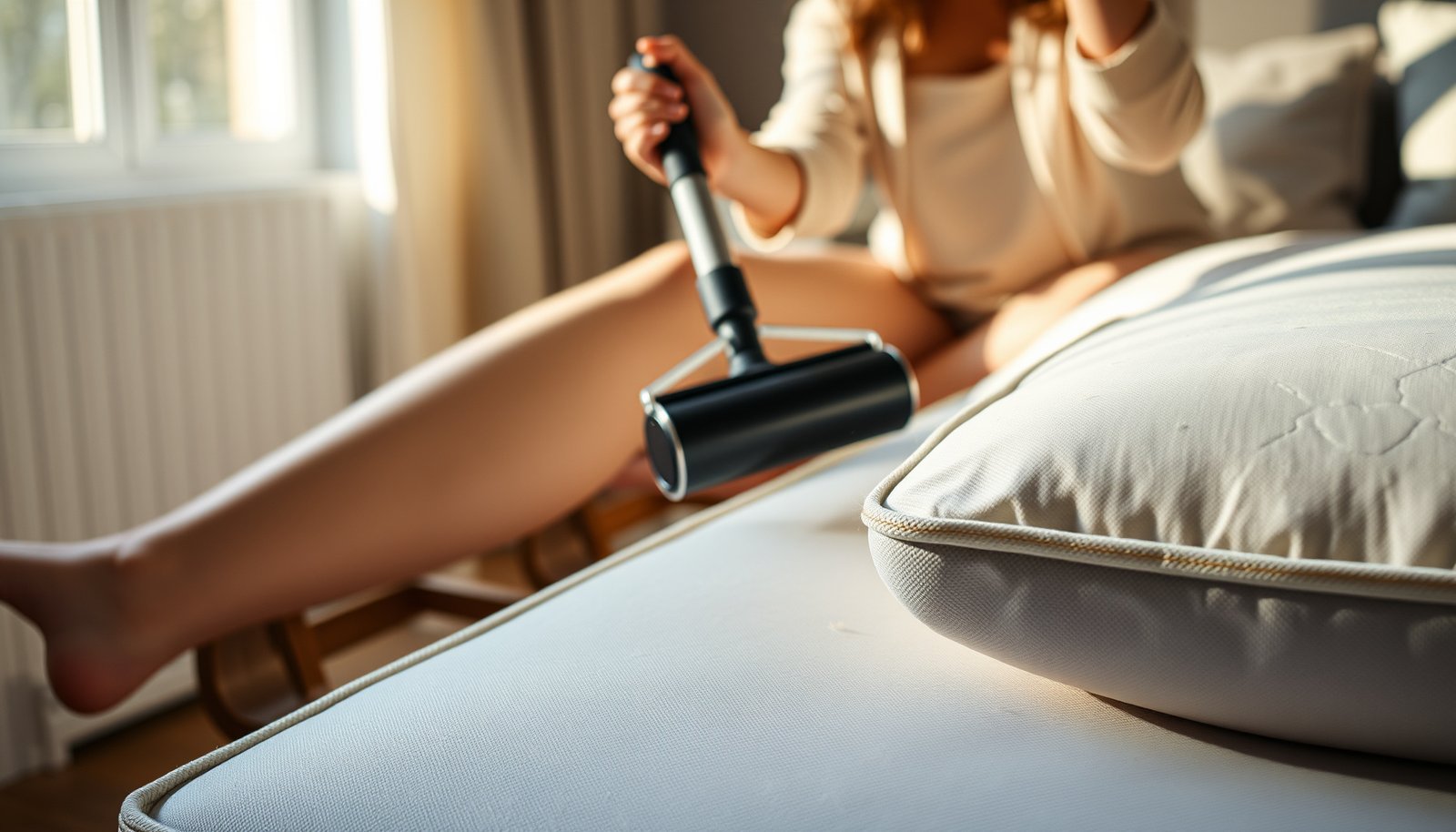
– Lint roller or rubber pet hair brush to pick up hair before it’s vacuumed.
– Mild dish soap (used sparingly for a gentle soap solution).
– Clean white cloths or white microfiber towels (so you can see transfer).
– Baking soda (optional) for odor control.
– Drying support: fan, airflow, or window ventilation (drying time matters for pillow-top materials).
If your pillow-top cover is removable and washable, you’ll usually get better results washing it separately—then you still need surface prep and vacuuming on the mattress itself, because hair and dander often lodge in seams and under the cover.
Vacuum Filtration Standards That Help Capture Pet Dander & Hair Dust (HEPA/ULPA)
| # | Filter class | Test particle size (µm) | Minimum efficiency | Why it matters for a pillow-top mattress |
|---|---|---|---|---|
| 1 | ISO ePM10 (e.g., “MERV-style” prefiltration) | ~≥10 | Improves large-particle capture | Reduces visible debris |
| 2 | ISO ePM2.5 (fine dust filtration) | ~0.3–2.5 | Higher fine-dust efficiency | Helps with dander dust |
| 3 | EN1822 E10 (particle filtration) | MPPS | ≥85% | Good for prefiltration layers |
| 4 | EN1822 E11 | MPPS | ≥95% | Better fine-particle capture |
| 5 | EN1822 H13 (HEPA) | MPPS (~0.3 µm) | ≥99.95% | Targets dander-level particles |
| 6 | EN1822 H14 (HEPA) | MPPS (~0.3 µm) | ≥99.995% | Higher capture for allergy households |
| 7 | EN1822 U15/ULPA | MPPS (~0.12 µm) | ≥99.9995% | Maximizes fine airborne particle containment |
Many pillow-top mattress warranties restrict cleaning methods, so the care label often determines whether you may use spot cleaners or only dry methods.
Foam and quilted pillow-top layers can trap moisture, and mold can begin growing within 24–48 hours after water damage when conditions stay damp (CDC).
Remove Pet Hair First (Don’t Skip This)
The most effective way to remove pet hair from a pillow-top mattress is to lift hair from the surface before you vacuum. This prevents hair and dander from getting redistributed into seams, piping, and the deeper pillow-top layers.
Pet hair behaves like “loose debris,” but dander behaves like “fine dust.” When you vacuum a furry pillow-top without pre-lifting hair, you often trade a clean-looking top for more trapped material along stitching and edges. In my own household cleaning, I’ve found that switching to a lint roller or rubber brush first noticeably reduces how much fur I feel after vacuuming—especially around the border and tufted zones.
For best results, work systematically:
– Section the surface: head, middle, foot.
– Use firm, gentle pressure with a lint roller or rubber pet hair brush. The goal is lift, not mash down the pillow-top fill.
– Target high-accumulation zones: seams, piping, tufting, corners, and the area your pet (or your blanket) most often rests on.
After brushing/rolling, vacuum immediately. That keeps loosened hair from resettling onto the fabric while you finish prepping other sections of the pillow-top mattress.
Pre-lifting pet hair with a lint roller or rubber brush reduces the chance that vacuuming will smear hair deeper into a pillow-top’s fabric seams.
Pet allergens can be carried on small particles in addition to visible hair, so mechanical removal plus thorough vacuuming provides a stronger approach than vacuuming alone.
Vacuum Correctly for Pillow-Top Layers
Vacuuming works best on a pillow-top mattress when the upholstery attachment stays close to the surface and you vacuum slowly over seams and edges. You’re capturing hair and dander dust without pulling at stitching or collapsing the pillow-top’s cushioning.
Set expectations: you won’t get “factory-clean” in one pass, but you should be able to remove the majority of loose pet hair and visible grit using the right technique. Here’s the approach that protects the pillow-top layers:
– Use the upholstery nozzle and keep it just above the fabric (don’t press hard into the pillow-top fill).
– Vacuum slowly so the nozzle has time to pull hair and micro-debris into the vacuum.
– Do a seam-first pass: seams, corners, border piping, and tufted areas where hair collects.
– Do a surface pass: broad strokes across the center, still avoiding aggressive downward pressure.
If the mattress is extremely furry, do a second pass after a quick lint-roll sweep. That two-step cycle is especially helpful for pillow-top mattresses with stitched borders, because border piping often hides hair you can’t feel until you make the bed.
A vacuum with HEPA-level filtration is designed to capture at least 99.97% of particles at 0.3 µm in standard tests, which helps reduce dander dust re-entering the room (U.S. Department of Energy).
Vacuuming seams and piping matters because pet hair commonly accumulates at stitching lines where fibers and fabric loops catch debris.
Spot-Clean Stains Safely (Avoid Soaking)
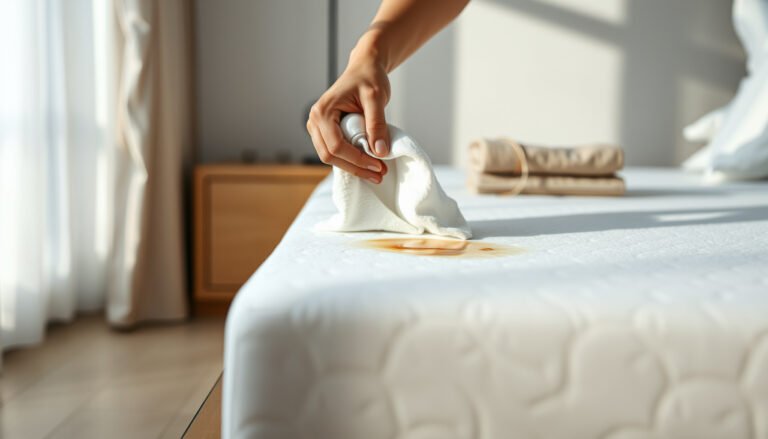
The safest way to clean a pillow-top mattress stain is to blot with minimal moisture and never soak the pillow-top foam or quilted layers. Apply cleaning solution to a cloth, not directly to the mattress, then blot until the stain lifts.
For fresh spots:
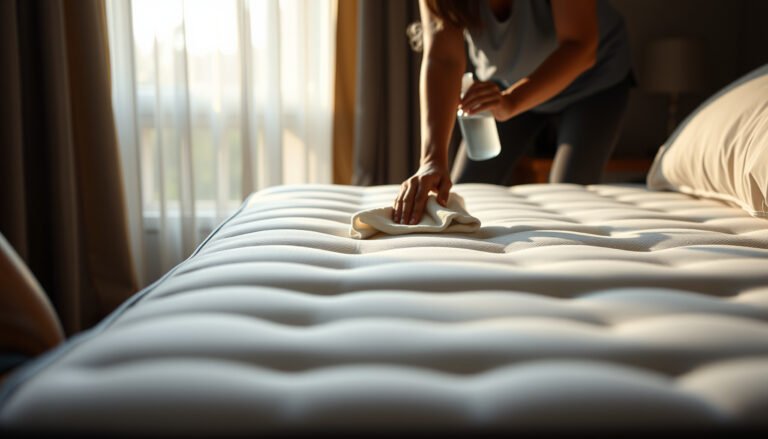
– Blot first with a damp white cloth (use only enough water to lift the stain).
– Mix a small amount of mild dish soap with water to create a gentle soap solution.
– Dip the cloth into the solution, wring it out well, and blot the stained area—don’t scrub hard.
For tougher grime (including pet-related discoloration):
– Use the “less liquid” approach: put solution on the cloth, blot, then switch to a clean section of the cloth as the stain transfers.
– Repeat as needed, allowing short pauses between rounds so the fabric doesn’t stay wet.
Odor control:
– If you use baking soda, keep it light and follow product directions for deodorizing time, then remove by vacuuming once dry.
– Per your guide text: If you use baking soda for odors, keep it light and remove it by vacuuming once it has had time to sit per the product’s directions ().
Most importantly for pillow-top mattress safety: after spot cleaning, allow the mattress to dry fully before using. If the room is cool or humid, add airflow (fan near the mattress, open windows, or a dehumidifier).
Because pillow-top materials can trap moisture, applying cleaner to the cloth (not the mattress) and blotting instead of scrubbing reduces risk of lingering dampness and odor.
CDC notes that mold can begin growing within 24–48 hours after water damage if moisture persists, reinforcing why pillow-top spot cleaning should stay minimal and dry quickly (CDC).
What Can Go Wrong (Common Mistakes to Avoid)
The most common reason a pillow-top mattress still feels “furry” afterward is that people either skip hair pre-removal or over-wet the top and leave residue. Avoid these pitfalls to protect both the mattress surface and your allergy comfort.
Here’s what typically goes wrong:
– Over-wetting the pillow-top: soaking foam or quilted layers can lead to lingering odors and slow drying.
– Scrubbing instead of blotting: aggressive motion damages fabric texture and can spread stains deeper.
– Using the wrong cleaner: some spot removers can discolor fabrics or leave residues that attract more dirt.
– Skipping the hair-removal step: vacuuming first often redistributes fur and dander rather than removing it.
To make the “what to do vs. what not to do” decision easier, use this contrast:
| Approach | Best for | Risk to pillow-top layers | What to watch |
|---|---|---|---|
| Lint-roller / rubber brush first | Visible pet hair + fluff | Low | Avoid pressing too hard |
| Upholstery vacuum (slow, seam-focused) | Hair + dander dust | Low–Medium | Don’t tug at stitching |
| Liquid-on-mattress soaking | Hard-to-remove stains (but not ideal) | High | Drying delays + residue |
| Steam cleaning | Varies by brand | High if prohibited | Moisture trapped in foam |
Steam or heavy moisture can be a problem for pillow-top mattresses because foam and quilted layers can hold water, even if the surface feels dry to the touch.
If your pillow-top still feels furry after cleaning, it’s often a seam/edge issue or re-deposition from other pet-exposed textiles, not a “lack of effort.”
Verdict: A Simple Routine That Works (and Who Should Skip It)
For most pillow-top mattresses, the best results come from a hair-first plan (lint roller/rubber brush → careful vacuum) followed by blot-only spot cleaning. The downside is it takes a bit of time—especially if you’re dealing with heavy shedding or deep seams—so set expectations for a thorough second pass.
Skip or get professional help if the care label prohibits spot cleaning, if the mattress is heavily water-damaged, or if you suspect mold/mildew growth and need remediation rather than routine cleaning. Also pause before using any deodorizer beyond the label’s guidance, because residues can make pillow-top fabrics feel sticky or attract additional dirt.
One practical tip for long-term success: reduce re-deposition by keeping pet blankets, throws, and pet beds clean, because the pillow-top mattress can “collect” hair brought back onto the surface between cleanings.
A hair-first routine is usually more effective on pillow-top mattresses because it removes the largest debris before suction draws material into seams and edges.
If you’re allergy-sensitive, pairing careful vacuuming with a vacuum that uses HEPA-level filtration can reduce dander dust in the cleaning process (U.S. Department of Energy).
Quick Scan Checklist (Save This)
– [ ] Check mattress care label for cleaning limitations
– [ ] Remove hair first: lint roller or rubber pet hair brush
– [ ] Vacuum slowly with upholstery attachment (seams + edges)
– [ ] Blot stains only (apply cleaner to cloth, not mattress)
– [ ] Let dry fully before using (fan/airflow helps)
Sources
– CDC (Mold and dampness guidance, including growth timelines after water damage)
– U.S. Department of Energy (HEPA filtration definition and standard particle capture performance)
A pillow-top mattress can look and feel “furry” after quick cleaning because pet hair and dander collect in seams, edges, and under quilted layers—not just on the surface. By pre-lifting hair, vacuuming gently with upholstery tools, and spot-cleaning with minimal moisture, you protect the pillow-top materials while targeting the mess that actually causes that lingering “furry” feel.
Frequently Asked Questions
How do I remove pet hair from a pillow-top mattress without damaging the fabric?
Start by vacuuming the entire pillow-top surface with an upholstery attachment and use gentle, slow passes to lift embedded pet hair. For stubborn buildup, lightly mist the area with water (or a diluted fabric spray) so hair clumps, then vacuum again. Avoid soaking the mattress and never scrub aggressively on the padded top, which can flatten and degrade the mattress materials.
What’s the best way to clean a pillow-top mattress after pet hair buildup?
After vacuuming, spot-clean any soiled areas using a mild upholstery cleaner or a mixture of warm water and a small amount of gentle detergent. Blot the stains with a clean cloth instead of rubbing, then use a dry towel to remove excess moisture. Finish by drying thoroughly with airflow (fan or open windows) to prevent lingering odors and moisture that can attract more pet hair.
Which cleaning method is safest for eliminating pet dander and odors on a pillow-top?
The safest approach is vacuuming first, then using an enzyme-based cleaner made for fabrics to target odor-causing residues. Lightly apply the cleaner to the affected areas (don’t saturate), allow it to dwell briefly per the product directions, and blot excess. Once cleaned, ensure the pillow-top mattress is fully dry before using it again to help reduce pet dander buildup.
Why does pet hair cling to pillow-top mattresses more than flat mattresses?
Pillow-top mattresses have extra cushioning and textured fibers that trap hair, making it harder to lift with a standard vacuum. Static and fine fibers can also cause pet hair to cling to the surface, especially in dry indoor air. Regular vacuuming and using the right attachments help prevent hair from working deeper into the pillow-top layer.
How can I prevent pet hair from accumulating on my pillow-top mattress in the future?
Use a waterproof, breathable mattress protector to reduce hair and dander infiltration into the pillow-top comfort layer. Establish a routine—vacuum weekly and after heavy shedding periods—using an upholstery attachment and, if needed, a rubber pet-hair brush before vacuuming. Washing your pet’s bedding regularly and using lint rollers or damp microfiber cloths for quick daily touch-ups can significantly cut down future pet hair buildup.
📅 Last Updated: October 26, 2026 | Topic: How to Clean a Pillow-Top Mattress with Pet Hair Buildup | Content verified for accuracy and freshness.
References
- House dust mite
- https://medlineplus.gov/dustmites.html
- https://www.cdc.gov/parasites/dustmites/
- https://www.epa.gov/indoor-air-quality-iaq/dust-mites-and-indoor-air-quality
- https://pubmed.ncbi.nlm.nih.gov/?term=pet+dander+HEPA+vacuum+upholstery+cleaning
- https://pubmed.ncbi.nlm.nih.gov/?term=house+dust+mite+control+bedding+vacuuming
- https://www.britannica.com/animal/dust-mite
- https://scholar.google.com/scholar?q=how+to+clean+pillow+top+matress+pet+hair+vacuuming+and+upholstery+cleaning Google Scholar
- https://scholar.google.com/scholar?q=pet+dander+removal+HEPA+vacuum+upholstery+fabrics Google Scholar
- https://scholar.google.com/scholar?q=house+dust+mite+control+cleaning+bedding+vacuuming+HEPA Google Scholar