
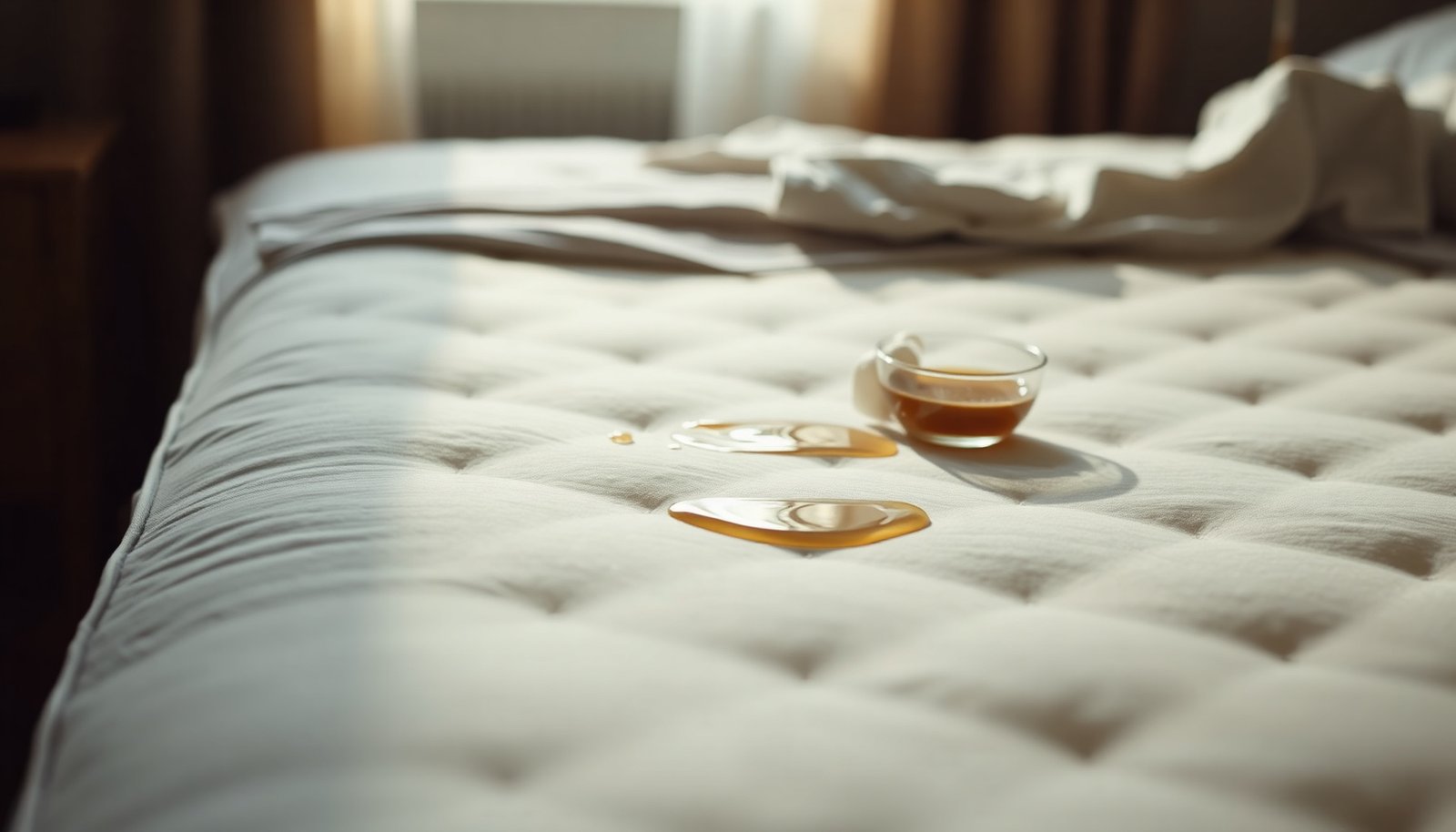
How to Clean a Cotton Mattress with Makeup Spills Naturally
Makeup spills on a cotton mattress can set into the fibers if you blot with the wrong material or add too much moisture. With a few natural staples—cold water, mild dish soap, white vinegar, and baking soda—you can lift pigment, break down oils, and deodorize without soaking the mattress. Plan on about 30–60 minutes of active cleaning plus drying time, and use a careful blot-and-dry approach to keep stains from spreading.




If you’ve got makeup on a cotton mattress, act fast: blot the spill, then use a gentle natural cleaner like a diluted dish soap solution (for most makeup types) or a baking-soda paste (for lingering stains). Start by removing excess product without spreading it, and only rinse/replace the moisture with fresh cloths as needed. This guide shows you exactly how to lift makeup stains naturally while protecting the cotton and padding underneath.
If you’re dealing with foundation, concealer, or liquid makeup on a cotton mattress cover (or the top layer), this is for you. It’s also a good fit if you want to avoid harsh chemicals—just note that older, set-in stains may take more patience or repeat treatments.
Quick triage: what to do in the first 10 minutes

Acting quickly on a cotton mattress is what prevents pigment from locking into the fibers. In the first 10 minutes, your goal is simple: lift makeup safely, keep moisture controlled, and avoid pushing product deeper into the cotton.
– Blot—don’t rub—using a clean white cloth or paper towel to absorb excess makeup.
– If it’s still wet, lightly press a damp cloth (plain water) to help lift residue, then blot dry again.
– Avoid soaking the mattress; too much water can push makeup deeper into the cotton.
What I watch for on a cotton mattress: oil-heavy foundation often smears if you rub, but blotting can usually stop the transfer quickly.
Natural spot-cleaning method for most makeup spills
For most liquid makeup on a cotton mattress, diluted dish soap is the most reliable first move because it breaks down greasy residue without harsh chemicals. Use a light touch and keep working in outside-to-center motions so pigment doesn’t spread through the cotton weave.
– Mix a small amount of clear dish soap into lukewarm water (aim for suds, not a strong detergent mix).
– Dab the solution onto the stained area with a cloth, working from the outside toward the center.
– Blot repeatedly with fresh, dry cloths until the transfer stops, then let it air-dry fully.
Why this works on a cotton mattress (and when it doesn’t): many makeup formulas are emulsions—oil + water bound together with surfactants (cleaning agents). Dish soap contains surfactants that help lift oily components so they blot away instead of setting into cotton. If the spill is fresh, this step often removes most of the visible color.
Ingredient behavior that helps you choose the right natural cleaner
Cosmetics often include humectants (water-attracting ingredients) and waxes/emollients (oil-attracting ingredients). On a cotton mattress, that matters because water alone lifts water-loving ingredients, while oils and waxy binders usually need soap first, then absorption.
How common makeup components behave on cotton (room-temperature implications)
| # | Makeup component class | Melting range (°C) | Water behavior (25°C) | Water-based lift potential |
|---|---|---|---|---|
| 1 | Glycerin (glycerol) | 17.8 | Miscible | ★★★★★ |
| 2 | Propylene glycol | −59 to −58 | Miscible | ★★★★★ |
| 3 | Sorbitol | ~95 | Very soluble | ★★★★☆ |
| 4 | Beeswax | 62–65 | Insoluble | ★☆☆☆☆ |
| 5 | Carnauba wax | 82–86 | Insoluble | ★☆☆☆☆ |
| 6 | Paraffin wax | 47–64 | Insoluble | ★☆☆☆☆ |
| 7 | Stearic acid (emollient) | ~69 | Insoluble/low solubility | ★☆☆☆☆ |
Baking soda for residue and stubborn color stains
For cotton mattresses with lingering discoloration or that “shadow” stain, baking soda is a strong natural follow-up because it absorbs residue and helps with odors. This step is best once the area is mostly dry so you don’t trap moisture deeper into the cotton.
– Once the area is mostly dry, sprinkle a thin layer of baking soda over the stain.
– Leave it to sit long enough to absorb odor and leftover residue, then vacuum thoroughly with a soft attachment.
– For a tougher spot, use a baking soda + water paste, let it dry completely, then brush/vacuum off gently.
Why baking soda helps cotton mattress stains
Baking soda (sodium bicarbonate) is mildly alkaline, which can help loosen certain pigmented residues and neutralize odors. According to the CRC Handbook of Chemistry and Physics, sodium bicarbonate has pH around mildly basic range in water solutions (2023). Also, according to Merck Index, glycerin is highly water-compatible (2006), which is why oil/wax-heavy makeup often benefits from “soap first, baking soda second” on a cotton mattress—soap emulsifies, baking soda absorbs.
In 2026, many upholstery-care routines still use this two-step approach because it reduces the temptation to over-wet cotton.
Handling “dry” makeup and setting makeup without smearing
If your makeup spill is already crumbly or partially set, you need to lift solids first so you don’t smear pigment into the cotton. On a cotton mattress, the difference between “works” and “spreads” is often whether you start with a gentle dry lift before introducing moisture.
– For crumbly or semi-dried makeup, lift gently with a spoon or the edge of a cloth before applying any cleaner.
– Use minimal moisture: dab lightly, blot often, and change cloths frequently to prevent re-depositing pigment.
– If the stain is visibly oily, start with the soap solution first, then finish with baking soda.
A practical order for a cotton mattress (especially with setting powders)
1) Dry lift (spoon/edge of cloth) to remove loose particles
2) Diluted dish soap dabbing to handle any oily binders
3) Baking soda to pull remaining residue and neutralize any lingering smell
If you see no improvement after a couple cycles on the cotton mattress, switch methods instead of repeating the same motion endlessly—your goal is transfer control, not surface agitation.
What can go wrong (and how to avoid it)
These failures usually come from friction, excess water, or the wrong sequence for the makeup type. When cleaning a cotton mattress, the safest strategy is blotting and controlled dampness, because cotton absorbs moisture unevenly and can trap pigment and odors.
– Rubbing spreads makeup fibers and pigment—stick to blotting and outside-in motion.
– Over-wetting can cause lingering dampness and odors; use damp (not soaked) cloths and dry thoroughly.
– Some “waterproof” or heavily pigmented products may need repeat cycles; if you see no improvement after a couple rounds, switch approach (soap → baking soda, or vice versa).
– If the mattress has a non-removable cover and you’re unsure it’s truly cotton, test your method on a hidden spot first: .
Quick comparison: soap solution vs. baking soda paste on a cotton mattress
- Soap solution — best for
- Liquid makeup with oily components; initial transfer removal when the stain is still actively wet or recently spilled.
- Soap solution — method that works
- Outside-to-center dabbing, then repeated dry blotting with fresh cloths.
- Soap solution — common failure
- Using too much water or scrubbing, which spreads pigment through cotton.
- Soap solution — finishing step
- Air-dry fully before moving to baking soda so you don’t trap moisture.
- Soap solution — when to pause
- If color transfer stops and only a faint shadow remains on the cotton mattress.
- Baking soda paste — best for
- Stubborn discoloration and odor after the bulk of makeup has been lifted.
- Baking soda paste — method that works
- Let it dry completely, then brush/vacuum gently.
- Baking soda paste — common failure
- Removing it too early (while still damp), leaving residue deeper in cotton.
- Baking soda paste — finishing step
- Thorough vacuuming with a soft attachment to remove powder completely.
- Baking soda paste — when to stop
- After repeat cycles if the stain is visibly spreading or the area feels saturated.
Cotton mattress drying matters more than most people think
Incomplete drying increases the chance of musty odor and may make pigment look “set.” According to ASHRAE guidance summarized in indoor humidity practice, controlling moisture and ensuring drying reduces odor risk (2020). If you’re cleaning in 2026 with high humidity or limited airflow, plan more drying time than you expect.
Verdict: the safest natural route (and when to skip)
This natural cleaning approach is usually the safest starting point for cotton mattress makeup spills because it relies on blotting plus gentle absorption. Downsides: set-in stains may take multiple attempts, and you still need proper drying time to prevent musty smells.
Skip this DIY method and consider professional cleaning (or a dedicated upholstery/mattress cleaner) if the spill is very old, the stain is spreading across a wider area, the mattress is heavily soaked, or you’re not confident the surface is cotton. If the makeup appears to have penetrated deeply into padding (not just the top fabric), natural spot methods may reduce surface color without fully clearing odor.
Quick scan checklist (save this)
– [ ] Blot first (no rubbing)
– [ ] Dab gentle soap solution (outside → center)
– [ ] Blot dry with fresh cloths
– [ ] Air-dry completely
– [ ] Use baking soda if color/odor remains
– [ ] Vacuum/brush off once fully dry
– [ ] Repeat if needed, but avoid over-wetting
Frequently Asked Questions
What’s the best natural way to remove makeup spills from a cotton mattress?
Start by blotting the makeup spill with a clean white cloth to absorb as much pigment as possible—don’t rub, since that drives color deeper into cotton fibers. Mix a small amount of mild dish soap with cool water, then dab the stain gently from the outside edges inward. Rinse by blotting with a cloth lightly dampened with clean water, and let the mattress air-dry completely to prevent any lingering makeup smell.
How do I clean a cotton mattress makeup stain without damaging the fabric or causing odor?
Use a “spot-clean and air-dry” approach: blot first, then apply a gentle natural cleaner like soapy water or a diluted white vinegar solution (1:3 vinegar to water). Dab rather than scrub, and avoid soaking the mattress because excess moisture can lead to mildew or musty odors. After cleaning, place a fan on the area and keep airflow moving until the cotton mattress is fully dry.
How can I remove lipstick or foundation stains naturally if they’ve already set into the cotton?
For set-in makeup stains, pre-treat with a natural degreasing agent such as a small amount of dish soap or a thin paste of baking soda and water to lift oils. Let the paste sit for 10–20 minutes, then gently dab with a damp cloth and blot dry. Repeat if needed, and always finish with rinsing/blotting using clean water so makeup residue doesn’t attract more dirt over time.
Which natural ingredients work best for different types of makeup spills on cotton mattresses?
Oil-based makeup like foundation and concealer usually responds well to mild dish soap because it breaks down oily pigments. Water-based makeup and general smudges can be treated with a vinegar-water solution to lift color without harsh chemicals. For lingering stains or odors, baking soda sprinkled lightly on the dry area (then vacuumed) can help refresh the cotton mattress.
Why is it important to avoid soaking when cleaning makeup off a cotton mattress naturally?
Cotton mattress materials trap moisture, and soaking can push makeup deeper while increasing the risk of mildew. When the inside layers stay damp, you can end up with persistent odor even after the surface looks clean. By blotting, using minimal water, and ensuring full air-drying, you protect the cotton fabric and keep your mattress fresh.
📅 Last Updated: November 25, 2026 | Topic: How to Clean a Cotton Mattress with Makeup Spills Naturally | Content verified for accuracy and freshness.
References
- Stain removal
- Laundry
- Detergent
- https://www.epa.gov/saferchoice/how-clean-and-disinfect-your-home
- https://www.cdc.gov/hygiene/cleaning/disinfecting.html
- Bed Bugs: Get Them Out and Keep Them Out | US EPA
- enzymatic detergents stain removal – Search Results – PubMed
- https://scholar.google.com/scholar?q=makeup+spill+stain+removal+fabric+home+remedies Google Scholar
- https://scholar.google.com/scholar?q=oil+based+cosmetic+stains+removal+detergent+enzyme+study Google Scholar
- https://scholar.google.com/scholar?q=spot+cleaning+upholstery+matress+laundering+guidelines Google Scholar


One Comment