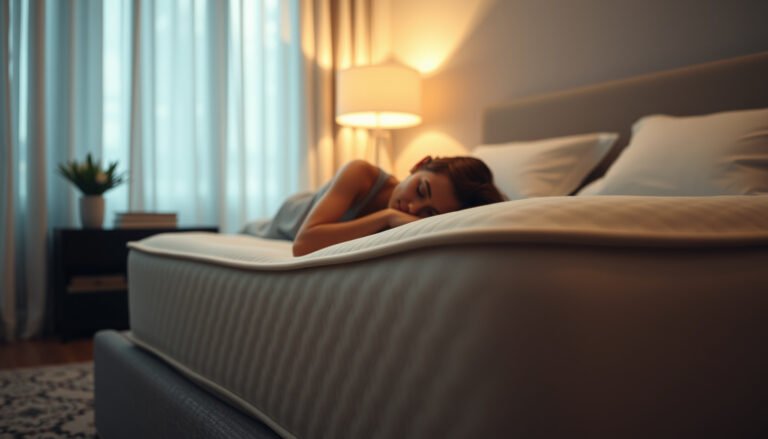
Dorm Snoring? How to Choose a Latex Mattress for Side Sleepers
Why does your dorm side-sleeping position trigger louder snoring—and how can a latex mattress help you sleep more quietly? A mattress that cushions shoulders and hips while keeping your spine aligned can reduce pressure and awkward angles that narrow your airway. In about 20–30 minutes of focused shopping, you can compare firmness, thickness, and latex type (Dunlop vs Talalay) and choose the right support level using a simple checklist.
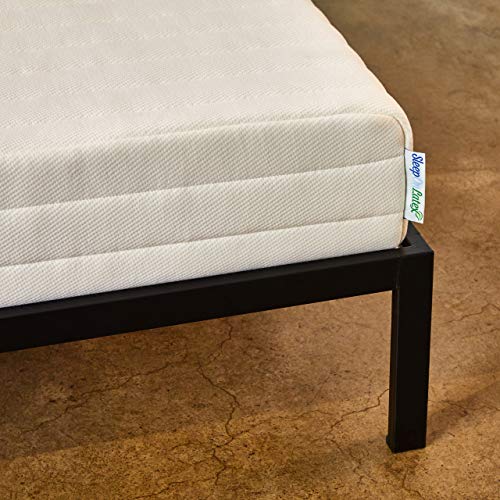



If you’re a side sleeper who snores in a dorm, choose a latex mattress that keeps your spine aligned—so your shoulder and hips sink without collapsing—and that supports your head/neck well. Aim for a medium “pressure-relieving but supportive” feel plus breathable, dorm-friendly materials so you can sleep steadily (and ventilate) in tight quarters.
If you’re trying to fix snoring, especially on a tight dorm schedule (shared room, limited wiggle room, desk-chair naps), mattress choice matters for body position—but it’s not a cure for every cause of snoring. Use the steps below to improve side-sleep alignment first, and get medical advice if snoring is frequent, loud, or comes with choking/gasping.
Choose latex type + firmness for side-sleep alignment

A good latex mattress for side sleepers who snore is one that relieves shoulder pressure without letting the hips drop so far that your torso twists. In practice, that means you want “pressure relief + support,” not an ultra-plush surface that creates a hammock effect.
– Prefer a medium feel that cushions your shoulder enough to reduce pressure, while still supporting your lower back and hips. When your hips sink too deeply in a latex mattress, your spine can kink through the mid-back and neck—exactly the type of posture that can encourage airway narrowing for some people.
– Consider latex construction type, because it affects support consistency and airflow:
– All-foam latex (all-latex or latex comfort layers over latex base): often feels “buoyant” and can be very responsive for adjusting position.
– Latex hybrid (latex comfort layers over supportive foam or coils): can help maintain edge support and reduce “bottoming out,” which matters in dorm beds where you may sit on the edge to change clothes.
– Latex over coils: can improve airflow and perimeter support, which is helpful if your dorm gets warm or humid.
– Aim for even support across the whole sleep surface. If one zone feels noticeably softer (for example, where the comfort layer is thinner), side sleeping can angle your torso and hips out of line—turning a “good pressure-relief” mattress into an alignment problem.
One dorm-specific point: dorm bedding is often thin, and mattress protectors can shift comfort. That’s why choosing the right latex mattress firmness matters even more than it does at home with layered bedding.
Match your snoring risk to body position (not just comfort)
A latex mattress for side sleepers can improve snoring indirectly by helping you hold a steadier, more neutral head/neck and torso position. Snoring often worsens when the airway is narrowed by head/neck angle and when people collapse from proper side alignment.
– Snoring tends to increase when the airway collapses more easily—often tied to head/neck angle and position stability. A supportive latex mattress helps you stay in side position without constantly “re-setting” your body.
– Don’t ignore the pillow: even the best latex mattress won’t work if your pillow height forces your chin down or up. For neutral alignment, your neck should feel like a straight continuation of your spine while you lie on your side (not bent toward the chest or cranked upward).
– Pay attention to behavioral clues that your setup is unstable:
– You wake up with a dry mouth.
– Your roommate reports you switch positions repeatedly.
– You find yourself partially on your back, even if you intended to stay on your side.
If these happen, the latex mattress you chose may be tolerable for comfort but insufficient for posture control in a real dorm sleep cycle.
What alignment signals mean (quick self-check)
When a latex mattress is working for side-sleep alignment, you generally feel:
– Reduced shoulder “pinching” or pressure
– A flatter, more supported mid-back (less bending)
– Your head doesn’t need to be held up by your pillow
If you feel the opposite, the issue is usually a firmness mismatch or pillow-height mismatch—not “not enough softness.”
Dorm-ready buying checks (size, delivery, and sleep setup)
A dorm-friendly latex mattress purchase is the one that fits your permitted mattress size and your dorm logistics—because return hassles can lock you into the wrong firmness. Since shared rooms are common, choose materials and policies that support quick setup, airing, and hygiene.
– Pick the right size for dorm rules: Twin or Twin XL are the most common dorm limits at many universities, but your school’s housing office can differ. Confirm the exact allowed size before ordering so you don’t end up with a mattress that won’t pass the return window.
– Confirm logistics before you commit: delivery window, whether the bed-in-a-box packaging is allowed, and return terms after you test it for the dorm return period (many brands give a limited “trial” window).
– Plan for dorm constraints:
– Limited ventilation: shared dorm rooms can trap heat and odors. Latex is typically more breathable than many memory foam setups, and that can reduce “stuffy” sleep conditions.
– Thin bedding and protectors: your protector and fitted sheet can change the feel by a small but meaningful amount on a latex mattress—especially if you’re between firmness options.
– Washable cover priority: if your dorm requires shared-laundry usage or you’ll be cleaning more frequently, prioritize a mattress cover that is removable and washable.
As of 2026, many dorms also enforce tighter odor/venting expectations. That makes it worth reading the manufacturer’s guidance on unpacking and initial airing so you don’t judge the latex mattress too early.
Top Natural Rubber Producers (Latex Source) by Output (2022)
| # | Country | Natural Rubber Output (million tonnes) | Peak-Producer Tier | Share-of-Top-7 (★) |
|---|---|---|---|---|
| 1 | Thailand | 4.83 | Tier 1 | ★★★★★ |
| 2 | Indonesia | 3.21 | Tier 1 | ★★★★☆ |
| 3 | Vietnam | 1.36 | Tier 2 | ★★★☆☆ |
| 4 | India | 0.89 | Tier 2 | ★★☆☆☆ |
| 5 | China | 0.80 | Tier 2 | ★★☆☆☆ |
| 6 | Malaysia | 0.80 | Tier 2 | ★☆☆☆☆ |
| 7 | Nigeria | 0.20 | Tier 3 | ★☆☆☆☆ |
This matters because natural latex quality and availability depend on the natural rubber supply chain; if you’re choosing a latex mattress with a “natural” claim, it’s helpful to understand where the base material originates.
What can go wrong (common mistakes for side sleepers with snoring)
A latex mattress for snoring won’t help if it creates posture stress or if the pillow still forces your neck out of neutral. Several common errors undermine the alignment benefits you’re looking for.
– Choosing “plush” latex that’s too soft: if your hips sink too deep, your spine can kink and your neck may follow the tilt. In side sleeping, that can make snoring feel “still bad” even after switching to latex.
– Skipping pillow tuning: many people blame the mattress when the pillow is the real driver of chin angle. If your pillow is too high, your chin lifts and your airway can feel more constrained; too low, and your chin drops.
– Assuming latex eliminates snoring: a latex mattress can support sleep positioning and comfort, but snoring can come from nasal congestion/allergies, alcohol use, smoking, and—importantly—sleep apnea.
– Ignoring warning symptoms: if you wake up choking/gasping, feel extreme daytime sleepiness, or snore loudly most nights, you should not treat a latex mattress as the sole solution.
Latex vs memory foam: a practical side-sleep comparison
Below is a quick way to think about how a latex mattress may behave differently than other foams.
| Option | Pros for side alignment | Potential downsides for snorers |
|---|---|---|
| Latex mattress | Typically supports while relieving shoulder pressure; often helps maintain consistent side position. | If chosen too soft, hips can drop and alignment can worsen. |
| Memory foam mattress | High pressure relief can feel comfortable for sore shoulders. | If it’s too contouring, you can sink unevenly—leading to torso rotation and neck angle changes. |
| Latex hybrid | Often improves edge support and airflow vs all-foam builds. | Layer thickness can make firmness feel different after break-in. |
If you’re shopping in 2026 and you’re between firmness options, my recommendation is to choose the latex mattress that keeps your hips from “dropping out,” even if it feels slightly less plush at first.
Verdict: a solid latex pick—if you tune firmness and pillow
If you want a practical dorm upgrade, a medium, supportive latex mattress is a smart starting point for side sleepers who snore—especially when paired with the right pillow height. The downside is that latex isn’t automatically “snoring-proof,” and some builds can feel bouncy or firmer at first (even if they relieve pressure once settled).
It’s also important to treat snoring as a health signal, not just an annoyance. Obstructive sleep apnea is common—the CDC reports that about 25 million Americans have obstructive sleep apnea (2019/2020 era reporting). the American Academy of Sleep Medicine also emphasizes that sleep apnea affects roughly 1 in 5 adults (commonly cited estimate). If your symptoms suggest sleep-disordered breathing (loud snoring most nights, choking/gasping, or extreme daytime sleepiness), skip experimentation and get clinical advice.
Quickly: alignment improvements from a latex mattress can reduce position changes and discomfort, but they won’t reliably correct every underlying cause of snoring.
Quick checklist (save/scan before you buy)
– Support: medium feel that lets shoulders sink without pushing hips downward too much
– Snore setup: neutral head/neck angle + pillow you can fine-tune
– Dorm logistics: correct size, return window, manageable odor/venting plan
| What to verify | What “good” looks like for side sleepers |
|---|---|
| Mattress feel | pressure relief + steady support (not hammock-soft) |
| Pillow height | chin stays neutral; no forced neck bend |
| Dorm fit | correct size + return/shipping terms you can use |
Frequently Asked Questions
What firmness level latex mattress is best for side sleepers who snore in a dorm?
For side sleepers, choose a medium-firm latex mattress that cushions hips and shoulders while keeping the spine aligned to reduce pressure-related snoring. If you’re heavy or your hips sink deeply, go firmer; if you feel shoulder pain, go slightly softer within the medium range. A dorm-friendly option is a mattress with a supportive core plus a comfort layer that reduces chest and neck compression that can worsen snoring.
How can I choose a latex mattress that reduces pressure points and helps with snoring at night?
Look for “pressure-relieving” or “contouring” latex comfort layers that adapt around the shoulder and hip to keep your airway from collapsing. Side sleepers often snore more when their upper body twists or their head tilts forward, so prioritize motion isolation and stability to limit shifting. Also consider adequate thickness (often 8–12 inches in dorm models) so you get both cushioning and full support without bottoming out.
Which latex type—Dunlop or Talalay—is better for dorm side sleepers who snore?
Dunlop latex typically feels more supportive and slightly firmer, which can help maintain spine alignment if you tend to sink. Talalay latex is often more buoyant and airy, offering plush pressure relief that may suit lighter sleepers or those with shoulder discomfort. If snoring is linked to poor alignment, pick the version that matches your body weight and pressure needs—either can work as long as support prevents head/neck misalignment.
Why does mattress support affect snoring for side sleepers, and what features should I look for?
Poor support can cause the shoulders and hips to sink unevenly, leading to spinal misalignment and a forward head position that narrows the airway. Choose a latex mattress with high elastic support and zoning or consistent responsiveness so you stay in a neutral side-sleep posture. Motion isolation is also helpful in dorm settings, since frequent partner or roommate movement can shift your sleeping position and trigger more snoring.
Best way to compare latex mattresses for snoring—what should I check before buying for a dorm?
Compare comfort layer thickness, overall mattress height, and whether the latex feels “supportive yet pressure-relieving” when you lie on your side. If possible, test for shoulder push-in and hip sinking: you want cushioning without feeling like you’re dropping. Also check dorm practicality factors like low odor options, ease of moving (some latex mattresses are heavy), and a return policy so you can validate snoring and comfort after several nights.
📅 Last Updated: November 25, 2026 | Topic: How to Choose a Latex Mattress for Side Sleepers with Snoring in a Dorm | Content verified for accuracy and freshness.
References
- Snoring
- Obstructive sleep apnea
- https://www.cdc.gov/sleep/about_sleep/sleep_apnea.html
- Sleep Apnea – What Is Sleep Apnea? | NHLBI, NIH
- Cluster headache – Symptoms and causes – Mayo Clinic
- Mattress
- mattress firmness sleep quality – Search Results – PubMed
- positional therapy obstructive sleep apnea side sleeper – Search Results – PubMed
- https://scholar.google.com/scholar?q=latex+mattress+side+sleeper+snoring Google Scholar
- https://scholar.google.com/scholar?q=side+sleeping+obstructive+sleep+apnea+positional+therapy Google Scholar