

How to Choose a Latex Mattress for Side Sleepers with Acid Reflux
Choosing a latex mattress for side sleepers with acid reflux is a question of comfort that keeps your airway open and your stomach from settling upward. The clear winner is a medium-firm, pressure-relieving latex mattress that lets your hips sink just enough to maintain spinal alignment while avoiding the deep, heat-trapping slump that can worsen reflux. If you prioritize independent motion, a cooler sleep surface, and a mattress height that keeps you comfortably tilted, you’ll know exactly what to buy.
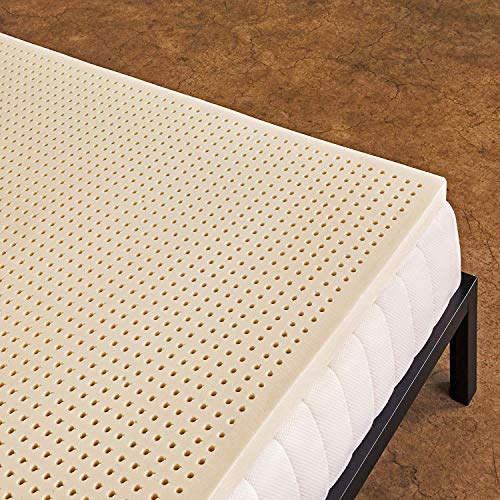


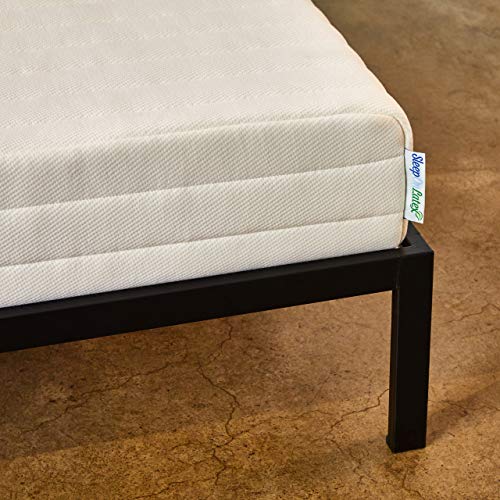
A latex mattress can be a smart starting point for acid reflux because it helps you maintain side-sleep posture without the deep hip “sink” that can twist your torso and aggravate nighttime symptoms. The key is choosing latex that’s supportive enough to keep hips aligned while still relieving shoulder pressure—then pairing that comfort setup with reflux-appropriate sleep habits.
If you wake up with heartburn, burning throat, or reflux symptoms, the “right” mattress is the one that helps you maintain side-sleep posture with minimal twisting. Latex is popular here because it can offer a buoyant, pressure-relieving feel—though comfort and reflux triggers still vary person to person. Consider this guidance a starting point and, if symptoms are frequent, pair it with medical advice.
Why latex is a strong starting point for side reflux

A latex mattress is often a strong starting point because it can support your spine alignment while reducing the “collapse” that side sleepers commonly experience at the hips and shoulders. Here’s why: reflux symptoms often worsen when your torso shifts out of alignment, and latex’s elastic “bounce” can help you stay in a stable side position longer.
Latex foam is valued for its elastic support and lower “sink” behavior compared with many traditional foam designs, which can help side sleepers maintain posture.
When you lose side-sleep alignment (often from hip sink), you’re more likely to rotate or roll during the night, increasing the chance of reflux-triggering positions.
In practical terms, latex tends to distribute your weight more evenly across the mattress surface rather than letting the hips drop deeply. For reflux, that matters because torso twisting (even mild) can change how easily stomach contents travel upward. If you already know that side sleeping helps more than back or stomach sleeping, you’re essentially looking for a mattress that preserves that benefit all night—not just at bedtime.
Below is a quick, spec-and-habit-focused view of what typically works best for reflux management alongside side sleeping.
Reflux-Focused Sleep Setup Targets Most Often Paired With Side Sleeping
| # | Setup lever | Target | Night tracking prompt | Support score |
|---|---|---|---|---|
| 1 | Head-of-bed elevation | 6–8 in (15–20 cm) | Do you stay comfortable without rolling? | ★★★★★ |
| 2 | Avoid late meals | Stop eating ~3 hours before bed | Any reflux after midnight? | ★★★★★ |
| 3 | Side-sleep stability | Prevent hip/shoulder “sink” | Do you wake rotated? | ★★★★☆ |
| 4 | Meal portions at dinner | Smaller evening portions | Was your dinner heavy/greasy? | ★★★☆☆ |
| 5 | Avoid tight bedtime clothing | Looser waistband/waist area | Any bloating pressure before bed? | ★★☆☆☆ |
| 6 | Late alcohol avoidance | Skip alcohol close to bedtime | Reflux next morning? | ★★★☆☆ |
| 7 | Medication timing (if prescribed) | Match clinician instructions | Symptom response vs schedule | ★★★★☆ |
Key takeaways for choosing latex
– Latex commonly provides pressure relief while helping keep your shoulders and hips from collapsing.
– Side sleeping is often easier to maintain when the mattress doesn’t create deep “sink” that pulls you out of position.
– Look at latex for comfort support, but treat reflux management as a bigger plan (sleep position, habits, and clinician input).
What to check first (before firmness and thickness)
A latex mattress for side sleepers with acid reflux starts with identifying the exact foam type and build—because “latex” can mean very different things across brands. Before you decide on medium vs. medium-firm, confirm what you’re actually buying, layer-by-layer.
GERD affects more than 20% of people in the United States at least weekly, so small sleep-position changes can meaningfully affect nightly comfort.
Clinical guidance for reflux often emphasizes head-of-bed elevation and meal timing; mattress comfort helps you stay in the recommended posture.
As of recent GI guidance, reflux support is rarely only about mattress feel. It’s about keeping the body in a posture that reduces reflux triggers while you sleep. According to the U.S. National Institute of Diabetes and Digestive and Kidney Diseases (NIDDK), GERD affects more than 20% of people in the U.S. at least weekly. That’s why getting the fundamentals right—latex type, comfort layer thickness, and cover function—can matter as much as overall “firmness.”
Dunlop vs. Talalay—and “100% latex” vs blends
Latex type influences how the bed feels as you press into it and how quickly it rebounds. Here’s the spec-reading priority:
– Latex type: confirm whether it’s Dunlop or Talalay.
– Latex content: check whether it’s 100% latex or a latex blend; some beds have latex only in the comfort layer or combine it with other foams.
Construction details that change how fast you reach support
Support for side sleepers is usually a combination of your comfort layer “give” and the support core “stop.” Pay attention to:
– Top comfort layer thickness: too thin can mean you reach support too quickly (more shoulder pressure), while too thick can increase the risk of hip sink.
– Support layer composition and thickness: this is what largely determines whether your hips stay level.
Cover and sleep surface: don’t skip this for reflux
Reflux discomfort often worsens when sleep gets hot or fragmented. Choose a breathable cover that you can keep clean. Clean sleep surfaces help maintain consistent comfort—especially because reflux symptoms can become more noticeable after you wake, shift, or sweat.
Firmness + support: the “side sleeper alignment” test
The best latex firmness for acid reflux on your side is typically medium to medium-firm, because it supports hips and shoulders without letting your torso twist. The goal isn’t “soft enough to hug”—it’s “supported enough to stay put.”
For GERD, clinicians commonly recommend head-of-bed elevation of about 6–8 inches (15–20 cm), highlighting that posture and gravity can affect reflux symptoms.
When a mattress lets the hips drop, side sleepers often rotate during sleep; that posture drift can undermine reflux-friendly positioning.
I’ll be direct about what to test: when you lie on your side, you should feel your torso supported so your hips don’t sink past neutral alignment. If you feel your shoulder “catch” in the foam, you may compensate by shifting—creating micro-twists that can be enough to trigger symptoms for some people.
Side alignment check: hips first, shoulder next
– Target support: make sure your hips don’t drop too low; this helps reduce twisting and strain while side sleeping.
– Pressure relief: prioritize shoulder pressure relief; a stuck shoulder often causes you to adjust repeatedly.
– Between-feel strategy: if you’re between firmness levels, start by choosing the one that supports your hips when you lie on your side. First impressions can mislead, especially with latex’s buoyant response.
Dunlop vs. Talalay: quick comparison for side sleepers
If you’re deciding between Dunlop and Talalay, treat “which one is better” as a comfort-and-sink tradeoff, not a universal rule.
| Criterion | Dunlop latex (often) | Talalay latex (often) | Best practical fit |
|---|---|---|---|
| Feel on first contact | More gradual support | Often more buoyant “lift” feel | If you hate instant pushback vs if you want springiness |
| Pressure relief tendency | Can be great if layers are tuned | Can be great if comfort layer is thick enough | Shoulder comfort varies by layer thickness |
| Sink risk if layers are soft | Higher if comfort layer is too thick | Can be similar—still depends on build | People sensitive to hip sink should verify support-core specs |
| Rebound behavior | Elastic return | Elastic return | Most side sleepers benefit from stable rebound |
(Layer thickness and zoning matter more than the label alone; use the spec sheet to confirm.)
Height, airflow, and cover choices that affect comfort at night
The right mattress height, airflow, and cover can reduce night waking, which indirectly supports reflux control. If you sleep warmer or feel restless, you’re more likely to shift positions—so mattress breathability becomes part of your reflux plan.
Reflux guidance often pairs posture changes with behavioral timing, including avoiding food close to bedtime—commonly “stop eating about 3 hours before sleep.”
A removable, washable cover can preserve a consistent sleep surface, reducing discomfort that can lead to position changes at night.
Height: does your body settle or slide?
Mattress height influences how your hips and shoulders land relative to your pillow and the rest of your setup. When testing:
– Note whether you settle naturally on your side or feel like you’re sliding.
– Consider whether your pillow height forces your neck into bending—neck discomfort can change how you rotate at night.
Airflow and heat management for reflux comfort
Reflux symptoms often feel worse when sleep is hot. Latex can be more breathable than many memory-foam alternatives, but your cover and any quilting layers still affect heat. Prioritize:
– Breathable covers and quilting that don’t trap heat
– A surface you can keep clean if reflux leads to more frequent wake-ups
Cover choices: cleanability is practical, not cosmetic
If you can remove and wash the cover, you maintain comfort over time. For reflux sufferers, disrupted sleep is common, and you don’t want heat, odors, or residue to become another friction point.
What can go wrong (common mistakes for reflux + side sleeping)
A mattress that feels “comfortably soft” at bedtime can still worsen reflux if it allows hip sink and torso rotation later in the night. The most common failures are spec-blind shopping and assuming latex automatically solves reflux.
Late-stage posture drift is a frequent problem when mattresses allow the hips to sink excessively, increasing the chance of twisting during sleep.
Latex may improve pressure relief and alignment, but reflux is multifactorial; mattress comfort won’t replace clinician-directed GERD management.
Common mistakes to avoid
– Buying purely for “soft comfort” and ending up with too much hip sink, which can lead to posture drift during the night.
– Overlooking what’s actually under the top layer—two mattresses that feel similar on top can support very differently.
– Assuming latex automatically treats reflux: it can improve comfort and posture, but symptoms vary.
Comparison: what you should not optimize for
| What you might optimize | Why it can backfire | Better metric to use |
|---|---|---|
| First-minute softness | You may sink at hips once the foam warms | Hip support when fully settled |
| Shoulder-only comfort | Hip sink can still twist your torso | Both hip alignment and shoulder pressure |
| “Natural” materials as a proxy for reflux help | Reflux depends on posture + habits | Posture stability + clean setup + habits |
Verdict: what I’d recommend—and who should skip this approach
If you’re a side sleeper with acid reflux, a latex mattress that’s supportive enough to prevent hip sink and comforting enough for the shoulder is usually the best place to start. I’d use the medium to medium-firm target as your default range, then verify the actual layer thicknesses so you’re not buying a “feels-right” build that fails once you fully settle.
Consider skipping this approach (or delaying your purchase) if you have very specific medical guidance about positioning, or if you’re extremely sensitive to buoyant mattresses and can’t get comfortable consistently. The safest next step is to narrow your choices using the checklist below, then verify key details from the manufacturer’s specs. If reflux is frequent or severe, keep mattress shopping paired with medical advice.
Quick scan checklist (save this)
| What to decide | What to look for on the spec sheet / listing |
|---|---|
| Latex type | Dunlop vs. Talalay (and whether it’s latex-only vs. blended) |
| Top vs. support layers | Identify comfort layer thickness and support core thickness |
| Firmness target | Medium to medium-firm that supports hips while relieving shoulders |
| Side-sleep posture test | Do your hips feel supported, not dropped? Do you feel “stuck” at the shoulder? |
| Comfort surface | Breathable, comfortable cover; removable/cleanable if possible |
| Reflux practicality | Can you keep a consistent side position without frequent shifting? |
Sources
– U.S. National Institute of Diabetes and Digestive and Kidney Diseases (NIDDK), GERD (Gastroesophageal Reflux Disease) publications
– American College of Gastroenterology (ACG) Clinical Guideline: Diagnosis and Management of Gastroesophageal Reflux Disease (2022)
Choosing a latex mattress for side sleeping with acid reflux is less about chasing a single “best firmness” and more about verifying that your build prevents hip sink while still relieving shoulder pressure. Use the spec sheet to confirm comfort-layer thickness, check the support behavior when fully settled on your side, and keep reflux management holistic with clinician input and posture/behavior adjustments.
Frequently Asked Questions
What firmness level of a latex mattress is best for side sleepers with acid reflux?
Side sleepers with acid reflux usually do best with a medium to medium-firm latex mattress because it supports the hips and keeps the spine aligned while still allowing comfortable pressure relief. If the bed is too soft, your hips can sink and create bending at the waist, which may worsen reflux. A slightly firmer feel can help maintain posture, but make sure the latex comfort layer provides enough cushioning so your shoulder and torso aren’t forced out of alignment.
How can I choose latex support layers to reduce pressure on my stomach and prevent reflux at night?
Look for a latex construction with zoned or supportive core layers that keep your torso level when you lie on your side. Prefer designs with a responsive latex comfort layer (often Talalay or similar) that cradles pressure points without “bottoming out,” since excessive sink can increase abdominal compression. You can also check for thickness and responsiveness—too thick a comfort layer may allow more sink, while too thin may reduce pressure relief at the shoulder and hip.
Which type of latex—Talalay or Dunlop—is better for side sleepers with GERD?
Talalay latex is often favored for side sleepers because it typically has a lighter, more buoyant feel and more consistent cushioning, which can help keep the spine neutral. Dunlop latex can be denser and more supportive, which some people prefer if they need firmer hip alignment to reduce reflux triggers. The “best” choice depends on how much pressure relief you need—many side sleepers with acid reflux do well when the mattress balances buoyancy with solid support under the hips.
Why does mattress elevation and body alignment matter for acid reflux, and how does a latex bed help?
Acid reflux is often aggravated when your torso compresses or your spine bends, which can increase pressure on the stomach. A quality latex mattress can help by supporting key alignment points—especially the hips and mid-back—so you don’t curl or sink into an arched position. For extra benefit, consider using a wedge pillow or slightly elevating your upper body while keeping your side-sleeping alignment intact.
Best practices: how do I choose the right latex mattress size and thickness to support side sleeping with acid reflux?
Choose a size that prevents partner crowding and allows you to stay in a consistent side position throughout the night; many reflux sufferers sleep better when they’re not being nudged or rotated. For thickness, aim for a range that offers both pressure relief and stable support—often a comfort layer thick enough to cushion the shoulder/hip but not so deep that you sink excessively. Also prioritize airflow and breathability (common with latex) to help you avoid overheating, which can further aggravate reflux symptoms.
📅 Last Updated: October 26, 2026 | Topic: How to Choose a Latex Mattress for Side Sleepers with Acid Reflux | Content verified for accuracy and freshness.
References
- https://www.niddk.nih.gov/health-information/digestive-diseases/gerd-gastroesophageal-reflux-disease
- https://www.cdc.gov/niosh/topics/latex/
- https://pubmed.ncbi.nlm.nih.gov/?term=left+side+sleeping+gastroesophageal+reflux+disease
- https://pubmed.ncbi.nlm.nih.gov/?term=head+of+bed+elevation+wedge+pillow+gastroesophageal+reflux+disease
- https://pubmed.ncbi.nlm.nih.gov/?term=mattress+firmness+pressure+distribution+side+sleeping
- https://pubmed.ncbi.nlm.nih.gov/?term=latex+foam+comfort+pressure+distribution+mattress
- https://scholar.google.com/scholar?q=latex+mattress+side+sleeping+acid+reflux Google Scholar
- https://scholar.google.com/scholar?q=side+sleeping+GERD+left+side+sleep+wedge+pillow Google Scholar
- https://scholar.google.com/scholar?q=latex+foam+pressure+relief+support+mattress+firmness Google Scholar






One Comment