How to Choose a Latex Mattress for Side Sleepers with Allergies—Vacation Home
Choosing the right latex mattress for side sleepers with allergies starts with matching pressure relief and allergen resistance in a vacation home setting. You can narrow your options in about 20–30 minutes by confirming your preferred firmness for side sleeping, selecting a naturally dust-mite–resistant latex construction, and checking for removable, washable covers and clear care instructions for off-season storage. With the right materials and simple maintenance, you will get a cleaner, more comfortable night’s sleep without guesswork.
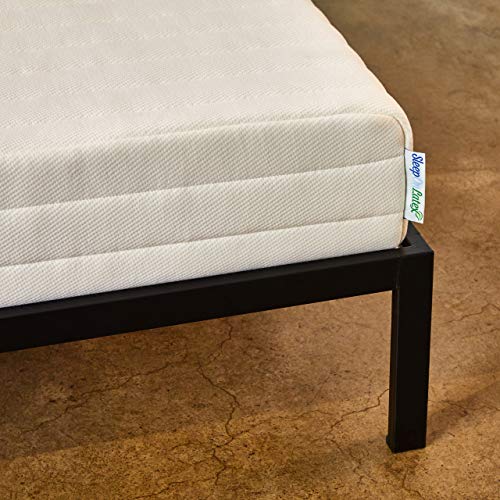


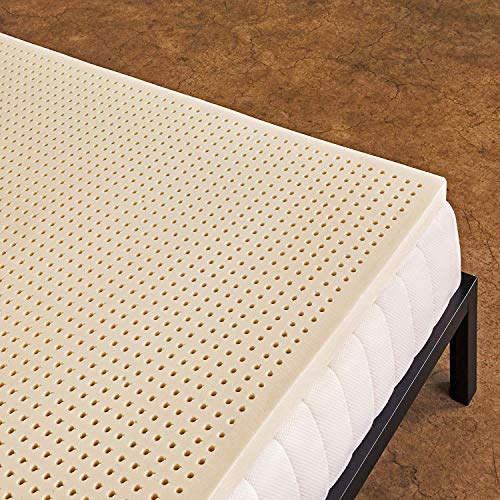
A latex mattress is usually a smart choice for side sleepers with allergies because it’s naturally resistant to dust mites and tends to stay breathable; for a vacation home, the key is pairing it with an allergen-proof, washable cover and choosing firmness that keeps the hips and shoulders aligned. If your property gets seasonal guests (and may sit unused for stretches), you also need a practical plan for airing, humidity control, and cleaning—because “allergy-friendly” performance depends as much on your maintenance routine as it does on the latex mattress itself.
If you’re buying for a second home (or a guest setup that may sit vacant), your priorities should include easy cleaning, airflow, and minimizing “stale” indoor air. This is especially relevant if guests bring seasonal allergies, asthma triggers, or sensitivity to fabrics and odors.
Pick the right latex type for allergy-friendly sleep

A latex mattress can be more allergy-resilient when you start with the right latex formulation and verify what’s actually inside the mattress. Here’s how to narrow options fast—especially in 2026, when lots of “natural” and “eco” wording can still mean very different things.
Latex certifications to reduce material uncertainty
Look for natural latex and reputable certifications (commonly GOLS for organic and OEKO-TEX Standard 100 for chemical safety) to reduce uncertainty about materials. These standards don’t make a latex mattress magically allergy-proof, but they do help you avoid unknown fillers, residues, or finishes that can complicate sensitive guests.
According to the U.S. Department of Energy, HEPA filters capture 99.97% of particles at 0.3 microns (U.S. DOE). While that stat isn’t about latex itself, it explains why certification-backed “material safety” plus “clean-air tools” (like HEPA vacuums) work together in real guest environments.
Talalay vs. Dunlop: choose the feel you can tolerate
Choose Talalay vs. Dunlop based on feel: Talalay is often described as more buoyant/consistent, while Dunlop is often described as denser/supportive—confirm thickness and firmness options for your side-sleeping needs. In practice, the side sleeper’s comfort depends less on the label and more on whether the latex mattress lets the shoulder and hip sink enough to relieve pressure without letting the pelvis roll inward.
If anyone has latex allergy, treat it as a stop sign
If you (or guests) have a latex allergy, treat this as a deal-breaker: don’t assume “natural” means “safe” for latex sensitivity. Natural latex contains proteins that can trigger reactions in some individuals, and “organic” doesn’t automatically eliminate allergenic risk. For shared vacation homes, this is one of the highest-stakes decisions you’ll make.
Match firmness and height to side-sleep alignment
The best latex mattress for side sleepers with allergies is the one that relieves pressure without creating hip/shoulder misalignment. When your vacation home changes occupants frequently, firmness and height matter because you won’t always be able to “dial in” comfort the way you would with a primary residence.
Use alignment logic, not just “soft vs. firm”
For side sleepers, aim for pressure relief at the shoulder and hip without excessive sink—too soft can let your lower back curve, too firm can push pressure into joints. The goal is a neutral spine line: shoulder and hip should get “give,” but the pelvis should not drift out of place.
If your latex mattress uses a comfort/support design, you’ll typically see a comfort layer that contours plus a supportive core that prevents bottoming out. That construction is particularly helpful in a vacation home because many guests have different weights and prefer different levels of softness.
Look for comfort-layer + support-core construction
Check whether the mattress offers a comfort layer + support core design (common in latex mattresses) so you can get “give” where you need it. In a side-sleep setting, that layered approach helps reduce localized pressure points while keeping the rest of the body supported—an important factor for allergy-prone sleepers who are also more likely to notice discomfort early (staying still longer can increase pressure and irritate sensitive skin).
Don’t ignore height—guests notice it
Consider thickness in a vacation home: taller mattresses can be harder for guests to get comfortable on and may require matching bed frames and toppers. A mattress that’s too tall can also make it harder to maintain bedding consistently (especially encasements and covers), which indirectly affects allergy management.
Quick comparison: Talalay vs. Dunlop feel characteristics (how it impacts side sleepers)
| Feature (side-sleeper relevance) | Talalay latex mattress | Dunlop latex mattress |
|---|---|---|
| Typical feel | Often described as more “buoyant” and springy | Often described as more dense and supportive |
| Pressure relief at shoulder/hip | May feel more responsive to contouring | May provide more immediate support with less sink |
| Consistency across the comfort layer | Often marketed as more uniform | Often marketed as naturally variable but still supportive |
| Motion/response | Quick response, easier repositioning | Steadier response for some sleepers |
| Heat feel | Often described as more breathable | Also typically breathable, depending on cover/quilting |
| “Sinking too far” risk (for very light guests) | Can be easier to over-soften if comfort is too thick | May reduce bottoming risk with similar firmness |
| “Too firm” risk (for smaller builds) | Often feels more forgiving at similar firmness ratings | May feel firm sooner if layers are thicker or denser |
| Layering flexibility | Commonly used in multi-zone concepts | Commonly used for supportive cores |
| Edge comfort | Often depends on core support and cover | Often depends on core support and cover |
| Vacation-home “shared bed” tolerance | May suit more guest body types if firmness is balanced | May suit guests who dislike deep contouring |
| Best For | Guests who want buoyant contouring without “stuck” feel | Guests who want firm support with less sink |
Prioritize a true allergy barrier (not just “hypoallergenic” claims)
A latex mattress helps, but the most reliable allergy control usually comes from a sealed barrier system. If you want consistent results across unknown guests, prioritize zippered encasements and washable cover layers over marketing claims.
Use an allergen-proof zippered encasement
Use an allergen-proof zippered encasement (for dust mites) over the mattress—this is often more impactful than relying only on the mattress material. Dust mites live in bedding because warmth and fibers create a supportive environment, not because latex “attracts” them. A true barrier reduces allergen exposure at the source.
According to the CDC, washing bedding in water at least 130°F / 54°C helps kill dust mites (CDC). That’s why washable covers matter in vacation homes: you need a system you can realistically repeat between stays.
Choose machine-washable covers that handle guest reality
Choose covers that are machine-washable (or at least removable and easy to clean) to handle guest body oils and seasonal pollen. Between visits, residues build up even if the mattress core resists dust-mite colonization. If your latex mattress is protected, the encasement and top cover become your “cleaning focus,” which makes the whole allergy plan more controllable.
Make breathability part of odor prevention
Verify the cover fabric is breathable; if guests run warm, you’ll want moisture control to avoid lingering odors between visits. Odor isn’t the same thing as allergens, but moisture and trapped odors can still trigger asthma symptoms and increase perceived “staleness,” especially in homes that sit closed for days.
VS table: “Latex mattress alone” vs “Latex mattress + zippered encasement”
| Allergy control criterion | Latex mattress without encasement | Latex mattress with zippered encasement |
|---|---|---|
| Dust-mite barrier at mattress surface | Partial; depends on cover and quilting | Purpose-built barrier layer reduces exposure at source |
| Zipper integrity over repeated guest stays | Not applicable | Zippered closure supports a sealed system (if properly maintained) |
| Washability workflow | More washing burden on top linens only | You can focus on the washable cover/liner while the encasement stays on |
| Allergen pathways from bedding to mattress | More likely through fabric/tufting/creases | Reduced through sealed outer barrier |
| Consistency across different guest bodies | Varies with guest residue and how sheets are changed | More standardized protection year-to-year |
| Moisture management | Depends on cover choice; moisture can linger in layers | Breathable encasements can help manage moisture at the interface |
| Risk from irregular cleaning habits | Higher—if someone skips washing, exposure can build | Lower—barrier reduces how much “skipping” matters |
| Seasonal pollen capture | More trapped in textile layers | Barrier + washable top layer helps limit buildup between stays |
| Guest perception of “freshness” | Often varies; smells can cling to surface fabric | More predictable if you keep covers clean and sealed |
| Compatibility with bedding routines | Sheets work normally, but mattress surface stays exposed | Encasement becomes part of the routine; linens go on top |
| Verdict | Works, but allergy protection is harder to control | More reliable for vacation homes where you can’t predict guests |
Plan for vacation-home realities: ventilation, humidity, and setup time
A latex mattress stays more breathable than many foam types, but vacation-home conditions can undo that advantage if humidity and odors aren’t managed. The fix is a repeatable arrival routine—one you can execute even when the home is empty for months, which is especially common in 2026 travel patterns.
Air out before guests arrive
When the home has been empty, air the mattress and bedding before guests arrive to reduce trapped odors and freshen fabric—especially if windows stay closed. In my own setup planning, I’ve found the “time gap” is everything; . That kind of routine is what keeps a latex mattress feeling neutral between stays.
Control humidity around the latex mattress zone
Control humidity where the mattress sits; latex breathes well, but damp environments still increase mold risk on surrounding bedding, encasements, and foundations. Dust mites also correlate with indoor humidity; a common target is keeping indoor relative humidity below levels that support mite survival. According to the EPA’s guidance on indoor moisture, maintaining healthy humidity reduces mold and dust-mite-friendly conditions (U.S. Environmental Protection Agency). If you don’t have climate control, plan on more frequent laundry and careful ventilation.
Keep a dedicated guest “starter kit”
Make setup repeatable: keep a dedicated guest “starter kit” (fresh fitted sheet, washable cover layer if used, spare encasement if needed). This prevents the common vacation-home mistake of “using whatever is in the closet,” which is where allergens and odors get reintroduced. A consistent setup also reduces the chance you’ll skip steps when arriving late.
What can go wrong (and how to avoid it)
Most problems come from assuming that a latex mattress alone will solve allergies, or from comfort choices that create pressure. In 2026, the safest approach is to treat the latex mattress as the foundation and the barrier/cleaning system as the allergy engine.
Wrong firmness causes alignment and pressure issues
Wrong firmness for side sleeping: hips sink too far → back aches; mattress too firm → shoulder pressure. If possible, follow the brand’s side-sleeper firmness guidance rather than guessing. If your vacation home has a wide range of guest weights, consider a mattress design that’s responsive but not overly soft—because too much sink also means more fabric contact and longer recovery time for guests with sensitive skin.
Skipping the encasement undermines the allergy plan
Skipping the encasement: “Hypoallergenic” labeling on a mattress doesn’t replace an airtight-ish barrier designed for allergens. A latex mattress may resist dust-mite buildup compared with some materials, but allergens are still transferred through bedding, folds, and surface contact.
Cleaning the wrong layer makes protection inconsistent
Cleaning the wrong layer: if you can’t easily wash the top fabric/cover, allergens and body oils may build up even if the mattress core is resistant. For vacation homes, this is where practical design wins: if you can’t wash it quickly, it won’t get done reliably between guests.
Ignoring latex sensitivity can be unsafe
Ignoring latex sensitivity: if anyone is latex-allergic, latex mattresses can be unsafe—consider an alternative material or consult an allergy professional before committing. For shared stays, the cost of being wrong is high. Build your decision around guest safety, not just comfort preferences.
Verdict: what’s a good pick, plus who should skip latex
A latex mattress can be a strong fit for side sleepers with allergies in a vacation home when you combine it with an allergen-proof encasement and washable bedding. The main downside is that “latex-friendly” doesn’t automatically mean “odor-free” right away—airing out may still be needed after delivery, and the feel may be different than memory foam or innerspring.
Skip this route if:
– anyone has a known latex allergy
– the vacation home is often high-humidity without climate control and you can’t reliably manage ventilation and bedding washing
– you expect the mattress to be used year-round with minimal laundering (you’ll still need a practical cleaning plan)
Key vacation-home allergy targets (quick spec snapshot)
Allergy-Control Thresholds That Pair Well With a Latex Mattress (CDC/EPA/HEPA)
| # | Allergy-control step | Target spec | Why it matters | Change |
|---|---|---|---|---|
| 1 | Hot-wash bedding | ≥ 130°F (54°C) | Helps kill dust mites in launderables | ★ 54°C |
| 2 | HEPA vacuum/air filtration | 99.97% @ 0.3 μm | Captures fine particulate allergens | ★ 99.97% |
| 3 | Humidity management | Keep RH below 50% | Reduces dust-mite-friendly moisture | ★ 50% RH |
| 4 | Ventilation after vacancy | Air out daily (when possible) | Helps reduce trapped odors and dampness | ★ Daily |
| 5 | Zippered allergen encasement | Barrier surface (sealed) | Reduces allergen contact with the sleeper | ★ Barrier |
| 6 | Wash cadence in allergy season | Weekly hot wash schedule | Reduces allergen accumulation between visits | ★ Weekly |
| 7 | Use of clean guest linens | Fresh fitted sheet each stay | Minimizes transfer of pet/pollen residue | ★ Each stay |
Quick checklist for your vacation-home purchase
| What to check | What “good” looks like | Why it matters for allergies + side sleep |
|---|---|---|
| Latex credentials | GOLS/OEKO-TEX (or equivalent) | Reduces material uncertainty |
| Firmness/feel | Comfort relief at shoulder/hip without deep sink | Keeps spine aligned |
| Comfort/support construction | Comfort layer + supportive core | Better pressure relief + support balance |
| Zippered allergen encasement | Dust-mite barrier, breathable fabric | Blocks common allergen pathways |
| Washability | Cover/liner you can clean easily | Prevents buildup between guest stays |
| Vacation-home setup | Planned airing + humidity control | Avoids stale odors and moisture issues |
Final takeaway
If you want a latex mattress that works for side sleepers with allergies in a vacation home, don’t treat “latex” as the whole answer. Pair the right Talalay or Dunlop feel with the right firmness and—most importantly—an allergen-proof zippered encasement plus a repeatable wash/air routine. That combination is what turns a latex mattress into a reliable guest-ready setup, even when the home sits empty between stays.
Frequently Asked Questions
How do I choose a latex mattress for side sleepers with allergies in a vacation home?
Look for natural latex (often Talalay or Dunlop) with certifications like GREENGUARD Gold or Oeko-Tex to reduce chemical concerns. For allergies, prioritize breathable mattress construction and a hypoallergenic cover that resists dust mites and allergens. Also check for low-VOC options and avoid mattresses with heavy adhesives or strong odor at delivery, since off-gassing can trigger sensitivities.
What features should I look for in a latex mattress that supports side sleepers and reduces allergy triggers?
Side sleepers typically need pressure relief at the shoulder and hip, so choose a latex mattress with the right firmness level and good contouring without excessive sink. A removable, washable cover and a breathable comfort layer can help minimize allergen buildup in a vacation setting where the bed may not be aired out regularly. If possible, choose a mattress with a protective encasement option to create an extra barrier against dust mites.
Why is latex often a better option than foam for people with allergies in a rental or vacation home?
Latex is naturally more resistant to dust mites and can be less likely to trap allergens compared to some traditional foams. Its open-cell structure promotes airflow, which helps keep the sleeping surface drier and less hospitable for common allergens. For vacation homes, this can mean easier maintenance and more consistent comfort between stays.
Which firmness level is best for side sleepers with sensitive skin and allergy concerns?
Many side sleepers do best on a “medium” to “medium-firm” latex mattress because it supports spinal alignment while still cushioning pressure points. If you’re lighter in weight or experience shoulder/hip pressure, you may prefer medium to allow gentle contouring. If you’re heavier or wake up with lower-back discomfort, medium-firm can provide steadier support that reduces restless movement—helpful for guests who may already be prone to irritation.
What’s the best way to care for and protect a latex mattress in a vacation home if you have allergies?
Use a dust-mite–proof, breathable mattress encasement and a washable, hypoallergenic cover to reduce allergen exposure between guest stays. Air out the room and mattress periodically, and launder bedding frequently in hot water if the fabric allows. When choosing bedding for allergic guests, avoid strongly scented detergents and prioritize hypoallergenic sheets and pillowcases to keep allergy-friendly conditions consistent.
📅 Last Updated: November 14, 2026 | Topic: How to Choose a Latex Mattress for Side Sleepers with Allergies in a Vacation Home | Content verified for accuracy and freshness.
References
- https://www.cdc.gov/parasites/dustmites/index.html
- https://www.mayoclinic.org/healthy-lifestyle/adult-health/in-depth/mattress/art-20048363
- Swollen knee – Symptoms and causes – Mayo Clinic
- Latex allergy
- Dust mite allergy
- latex allergy natural rubber latex mattress – Search Results – PubMed
- https://scholar.google.com/scholar?q=latex+mattress+side+sleepers+pressure+relief Google Scholar
- https://scholar.google.com/scholar?q=vacation+home+allergies+dust+mites+bedding+encasings+cleaning Google Scholar
- https://scholar.google.com/scholar?q=natural+rubber+latex+allergy+mattresses+bedrooms Google Scholar