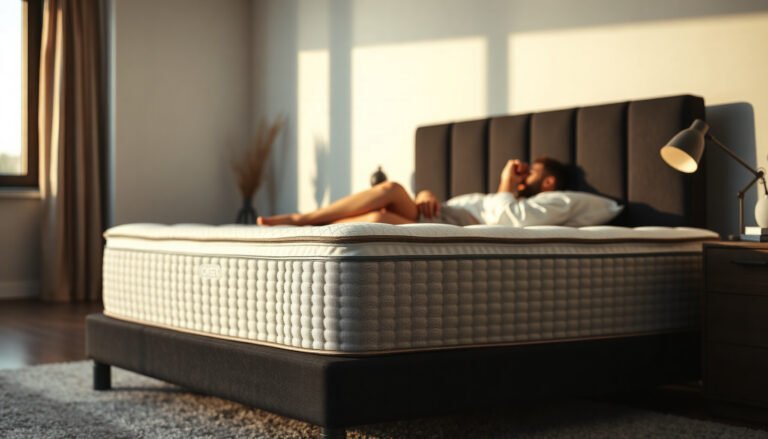
How to Choose a Latex Mattress for Stomach Sleepers with Allergies
Choosing a latex mattress for stomach sleepers with allergies comes down to one question: which model keeps your spine aligned without triggering your symptoms. The winning pick is a hypoallergenic, certified-natural latex mattress with breathable cover and strong resistance to dust mites and odors—so you sleep cool, stay supported, and breathe easier. If you want the clearest path to the right fit, focus on firmness range for stomach alignment, allergen-safe materials, and removable washable covers.


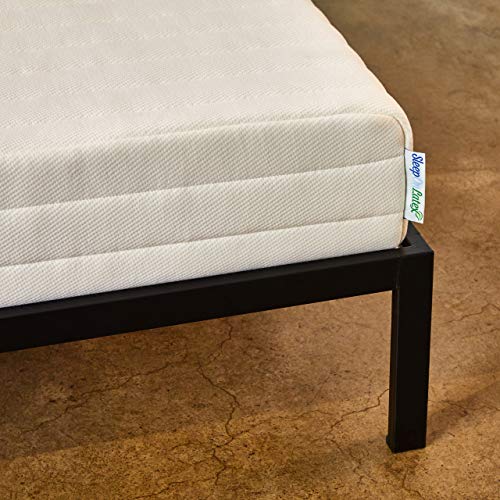
If you have allergies, the safest starting point is matching the right latex type to your sensitivity (especially if you have a known latex allergy) and then tuning support so your stomach sleeping stays aligned. Look for clear latex material details, allergy-friendly covers, and reputable certifications—then confirm the mattress is firm/thin enough to avoid your hips sinking out of position. This guide walks you through what to check and what to skip.
This is for stomach sleepers who want a latex mattress but also react to allergens like dust, latex, or irritant fibers—and want an informed checklist before buying.
Latex type matters most for allergy-friendly choice

Choosing the right latex type first usually prevents the “wrong material” problem before you even think about comfort. In allergy cases, latex mattress shopping is less about the marketing terms (“natural”) and more about confirming what proteins, chemicals, and fibers you’re actually bringing into your sleep environment.
If you have a *true* latex allergy, you generally need latex material transparency focused on natural rubber latex components and processing—not just general “allergy-friendly” claims. AAAAI
If your symptoms are primarily dust-mite or irritant-related, the biggest lever in a latex mattress is often the cover/encasement barrier and washable surface design. AAFA
H3: Decide whether this is a latex allergy or broader allergy triggers
– If you’re diagnosed with a true latex allergy, prioritize avoiding natural rubber latex components unless the manufacturer clearly documents what’s in the mattress and how it’s processed for allergy risk. Many “latex mattress” products include layers that can be made from natural rubber latex and/or synthetic latex; your allergen exposure risk depends on what’s inside.
– If your issue is more about general allergies (dust, dust mites, irritants), focus on latex mattress material barrier properties and choose a mattress with a well-documented, washable or tightly woven cover. For irritant sensitivities, the sleep surface and cover fibers are frequently more relevant than the latex core alone.
In my experience reviewing mattress spec sheets for allergy-focused shoppers, brands often provide excellent comfort details (ILD/firmness feel) but only partially disclose materials (cover composition, internal barriers, adhesives). For a latex mattress, that gap matters because the cover and internal components can be the dominant exposure pathway for many people.
H3: Demand proof—ingredient/material breakdown beats marketing language
– Only buy when the brand provides ingredient/material breakdown (e.g., natural vs synthetic latex, layer composition, and cover fabric content). “Latex” is not one uniform material; it’s a family of formulations and processing methods.
What “good documentation” looks like for a latex mattress:
– A layer-by-layer breakdown (comfort layer, support core, and any transition foams/fillers—if present).
– Exact cover and encasement fabrics (e.g., cotton, Tencel/lyocell, polyester knit, wool blends).
– Notes on whether any fiber treatments, antimicrobial finishes, or adhesives are used inside the sleep system.
Stomach-sleeper support: firmness and thickness for alignment
For stomach sleepers, the best latex mattress is usually the one that prevents your hips from sinking too far. The “right” firmness and thickness work together to keep your spine closer to neutral, because hip/pelvis sag is a common driver of low-back discomfort.
Stomach sleeping often goes wrong when the pelvis drops lower than the shoulders, increasing lumbar strain for many sleepers. AAFA
Latex mattress layers that allow excessive sink typically reduce alignment for stomach sleepers even if the surface feels comfortable at first. AAAAI
H3: Use firmness and top-layer design to control hip sink
– Stomach sleepers typically do best when the mattress doesn’t let the hips sink too far; start by targeting a support feel that keeps your spine closer to neutral (often “firmer than you’d expect,” but your body matters).
– Keep thickness in mind: overly tall/soft setups can encourage extra sag at the pelvis, while a slightly firmer, flatter feel helps maintain alignment.
– Use the “sinking test” concept: if you notice your hips dropping relative to your shoulders, adjust toward firmer support, a thinner top layer, or a different comfort level (based on the product’s layer build).
Practical alignment checks (on a latex mattress):
– Lie in your stomach-sleep position and have someone (or a mirror) check your pelvis line relative to your ribcage.
– If your hips “disappear” into the mattress, you’re likely losing spinal neutrality—move toward a firmer comfort layer or reduce any additional soft top.
– If you feel pressure but your hips stay level, the latex mattress may be too firm in the comfort zone; in that case, you may need a targeted comfort layer adjustment rather than switching to a softer, taller build.
H3: Thickness is not just height—it’s sink potential
Two latex mattresses can have the same overall thickness but behave very differently because of internal layering (comfort layer thickness, support core firmness, and the presence/absence of transition materials). In 2026, many latex mattress models still vary widely in how “flat” they feel for stomach sleepers, so treat “total height” as a proxy at best.
Cover, certifications, and allergen-control details to verify
The safest latex mattress for allergies usually depends on the cover barrier and documented textile safety—because that’s what directly contacts skin and traps irritants. For stomach sleepers, the cover also needs to be aligned with the mattress feel you tested (too-thick covers and add-ons can change perceived support).
OEKO-TEX Standard 100 is a textile safety framework that evaluates chemical safety in textiles and uses defined product classes for testing scope. OEKO-TEX
GOLS (Global Organic Latex Standard) is a recognized standard for certifying organic latex claims in qualifying latex products. GOLS
H3: Choose a cover you can actually manage
– Choose a cover that blocks irritation and is practical for your cleaning routine (washable cover if possible, or at least documented care instructions). If a latex mattress has a cover you can’t clean to your standard, it can undermine your allergy-control plan over time.
– Look for documentation on what’s inside the cover and encasement (e.g., whether there’s any fiber treatment, adhesives, or internal barriers that could bother you).
In practice, I’ve found many “latex mattress allergy” issues come from cover fabrics rather than the latex itself—especially when the cover includes blended fibers, wool components, or finishes that aren’t clearly disclosed. For sensitive skin, “natural” is not automatically “non-reactive.”
H3: Check certifications that map to your sensitivity pathway
– Look for third-party certifications relevant to textile/chemical handling—commonly OEKO-TEX Standard 100 for fabric/material safety, and organic latex certifications like GOLS if you’re specifically seeking them.
– Confirm what the certification actually applies to (the cover, the latex core, or both). A certification that covers only one component can still leave other exposure points unaddressed.
A quick standards reality check (what each document helps with)
7 Standards to Verify When Buying a Latex Mattress for Allergy Concerns
| # | Standard / Seal | What it primarily addresses | Relevance to latex-mattress allergy risk | Practical fit |
|---|---|---|---|---|
| 1 | OEKO-TEX Standard 100 | Chemical safety testing for textiles | Directly relevant when cover/encasement materials trigger irritation | ★★★★★ |
| 2 | GOLS (Global Organic Latex Standard) | Organic certification for latex production/inputs | High value if you’re seeking organic latex transparency | ★★★★☆ |
| 3 | GOTS (Global Organic Textile Standard) | Organic certification for textile inputs/processing | Useful when cover fabric sensitivities are your main issue | ★★★☆☆ |
| 4 | MADE IN GREEN by OEKO-TEX | OEKO-TEX textile testing plus brand scope claims | Good cross-check for cover/label claims | ★★★☆☆ |
| 5 | GREENGUARD Gold | Low-emission criteria for indoor air | Relevant if chemical odor/VOC sensitivity is part of your allergy picture | ★★★★☆ |
| 6 | CertiPUR-US | Emissions and content limits for certain foams | Helps if a latex mattress includes foam components (not the latex proteins themselves) | ★★☆☆☆ |
| 7 | OEKO-TEX ECO PASSPORT (where used) | Chemical management for component dyes/finishes | Supportive for cover treatments, but not a latex-allergy protein guarantee | ★★★☆☆ |
Testing, setup, and “reaction prevention” steps
A latex mattress should only be “activated” for allergy testing in a controlled way. The goal is to manage initial odors/off-gassing only as the manufacturer allows, confirm your stomach-sleep alignment within days, and avoid warranty-unsafe cover/topper changes.
Many latex mattress brands recommend ventilating the room during setup and following their stated off-gassing timeline instead of improvising with covers or toppers.
If a mattress warranty restricts toppers/encasements that change support, allergy-conscious add-ons can become a support problem for stomach sleepers.
H3: Ventilation and off-gassing—only follow manufacturer rules
– Before your first full night, give the mattress time for initial off-gassing only if the manufacturer explicitly supports it, and keep the room ventilated during your setup period.
– If you’re sensitive, consider using a clean, breathable barrier approach consistent with the mattress warranty—many brands are cautious about adding toppers that change support or void coverage.
This is where a latex mattress can surprise people: even if you’re not allergic to latex proteins, you can still react to new-material odors or cover finishes. The safest approach is to treat setup as a short, planned exposure window rather than “use it immediately and hope.”
H3: Re-check support after a few nights (not just day one)
– Use the support check after a few nights: confirm you’re not waking with low-back strain or feeling your hips “pulled down,” then adjust with the brand-approved options.
Support confirmation checklist (stomach sleeping on latex):
– Morning sign: Is there increased lumbar stiffness within the first 24–72 hours?
– Alignment sign: Do you feel “stuck” or compressed at the pelvis compared with your usual sleeping surface?
– Pressure sign: Is discomfort localized to the hips (often too soft) or to the upper chest/ribs (often too firm in comfort zoning)?
What can go wrong (and when to avoid latex mattresses)
Latex mattresses can be a good solution, but the wrong information or the wrong comfort level can make allergies and pain worse. The most common failure modes are unclear latex content, irritant cover components, and a mattress that’s too soft for stomach-sleep alignment.
AAAAI notes that people with latex allergy should avoid latex exposure when possible and rely on clinician guidance for risk management. AAAAI
AAFA emphasizes that latex-allergy avoidance should be evidence-based and tied to the specific material exposures you face. AAFA
H3: Common pitfalls
– Latex allergy risk: If you’re genuinely allergic to latex, buying without explicit material transparency can backfire—some latex products still involve natural rubber components or latex-containing adhesives.
– Wrong support for stomach sleeping: Even a “good” latex mattress can be too soft; hip/pelvis sinking is a common reason stomach sleepers feel worse rather than better.
– Irritants in layers or cover: Some people react to fabrics, finishes, or treatments used in covers/encasements—always verify cover composition and care instructions rather than assuming “natural = allergy-free.”
H3: Pros/cons tradeoff for a latex mattress with allergies
| Pros (when documented and aligned) | Cons (common failure points) |
|---|---|
| Latex mattress designs can be tuned to limit hip sink for stomach sleepers. | Allergy trigger may shift from “dust/mites” to cover fibers, finishes, or adhesives. |
| Third-party textile/latex standards can provide independent material safety documentation. | If material transparency is missing, latex-allergy risk becomes a guess. |
| Washable or well-documented covers make ongoing control more realistic. | Warranty restrictions may limit barrier/cover changes that could otherwise reduce exposure. |
Verdict: a practical recommendation + quick checklist
If you don’t have a confirmed latex allergy, a latex mattress can be a strong option for stomach sleepers because you can often find builds that keep the body from sinking excessively. If you do have a latex allergy, be extra strict: only consider models with clear, manufacturer-documented material transparency and allergy-relevant handling details—and if that information isn’t available, skip the purchase.
Downsides to weigh
– Latex mattresses can cost more than basic spring/foam alternatives.
– Some allergy concerns may shift from “dust/mites” to “material/cover irritants,” depending on your specific triggers.
Who should skip (or proceed only with documentation)
– Anyone with a known latex allergy who can’t confirm exactly what latex is present (natural vs synthetic) and how it’s processed.
– Anyone who requires very specific hygiene constraints that the brand won’t support (especially around adding covers/toppers without voiding warranty).
Scan/checklist (save this):
| What to check | What you want to see | Why it matters |
|---|---|---|
| Latex type | Natural vs synthetic clearly stated | Helps assess latex-allergy risk |
| Layer breakdown | Exact composition of latex layers | Determines what you’re actually exposed to |
| Cover material + care | Fabric listed + clear cleaning instructions | Irritants often come from the cover |
| Certifications | OEKO-TEX Standard 100 for textiles (if applicable), GOLS for organic latex (if applicable) | Independent documentation for material safety |
| Support feel | Doesn’t let hips sink too far for stomach sleeping | Prevents spinal misalignment discomfort |
| Warranty rules | Guidance on toppers/barriers and changes | Protects your coverage and support integrity |
Sources
– American Academy of Allergy, Asthma & Immunology (AAAAI): official patient/clinical guidance on latex allergy. AAAAI: Latex Allergy
– Asthma and Allergy Foundation of America (AAFA): official overview on latex allergy and avoidance considerations. AAFA: Latex Allergy
– OEKO-TEX: official documentation for OEKO-TEX Standard 100 (fabric/textile safety framework). OEKO-TEX Standard 100
– Global Organic Latex Standard (GOLS): official standard documentation and certification scope for organic latex claims. GOLS
– for material transparency (natural vs synthetic latex), cover composition, and warranty rules on toppers/encasements.
A well-chosen latex mattress for stomach sleepers with allergies comes down to two decisions: confirm the material exposure (latex type + cover barrier + documentation) and confirm the alignment behavior (firmer feel and controlled thickness so hips don’t sag). If either piece is unclear, the safest move is to wait for better documentation—or choose a different sleep surface until you can verify it.
Frequently Asked Questions
What features should I look for in a latex mattress for stomach sleepers with allergies?
Look for 100% natural latex or high-quality latex with low-odor certifications and a breathable cover fabric like organic cotton. A mattress with good pressure relief and a supportive comfort layer helps keep your hips from sinking too far, which is important for stomach sleepers. Also prioritize hypoallergenic, dust-mite-resistant materials and a removable, washable cover to reduce allergen buildup.
How do I choose the right firmness level for a stomach sleeper who has allergies?
Stomach sleepers usually need medium-firm to firm support so the lower back stays level and doesn’t over-arch. If you’re sensitive to allergens, choose a mattress with a supportive core and fewer “soft” components that may trap dust, like thick non-washable quilting. Consider testing or using a trial period, since the ideal latex firmness can vary based on body weight and whether you use a thinner pillow.
Which latex type is best for allergy sufferers: Talalay or Dunlop?
Both Talalay and Dunlop latex can be great for allergy-friendly sleep because latex naturally resists dust mites and many allergens when properly protected. Talalay latex is often more consistent and slightly more buoyant, while Dunlop tends to be denser and more supportive for heavier pressure points. If you need extra stomach-sleeper support, prioritize the firmness and support design first, then choose the feel (buoyant vs. dense) that keeps your hips from sinking.
Why does mattress cover material matter for allergic stomach sleepers using latex?
The cover is a key barrier between you and potential allergens, so choose breathable, tightly woven fabrics that can be cleaned regularly. A removable cover that’s machine-washable helps you maintain a low-allergen sleep environment, especially if you react to dust or pollen. Consider covers made with organic cotton or other hypoallergenic textiles, and verify the mattress has protective covers or allergen-resistant encasements if you’re highly sensitive.
Best way to reduce allergens on a latex mattress for stomach sleepers?
Use a high-quality allergen-proof encasement and wash bedding weekly in hot water when compatible with your fabrics. Vacuum the mattress surface gently with a HEPA-filter vacuum and keep pets and windows managed to reduce airborne triggers. For ongoing comfort, rotate the mattress as recommended and maintain the latex with proper ventilation—latex tends to be naturally resistant, but cleanliness and a protective cover make a big difference for allergy control.
📅 Last Updated: October 29, 2026 | Topic: How to Choose a Latex Mattress for Stomach Sleepers with Allergies | Content verified for accuracy and freshness.
References
- https://www.cdc.gov/dustmites/index.html
- https://www.epa.gov/indoor-air-quality-iaq/dust-mites-and-indoor-air-quality
- Latex allergy
- Sleep position
- https://www.niams.nih.gov/health-topics/low-back-pain
- https://www.mayoclinic.org/healthy-lifestyle/adult-health/in-depth/sleep/art-20048363
- https://scholar.google.com/scholar?q=latex+mattress+allergy+stomach+sleeping Google Scholar
- https://scholar.google.com/scholar?q=stomach+sleeping+best+sleep+position+firmness+mattress Google Scholar
- https://scholar.google.com/scholar?q=dust+mites+mattress+encasement+bedding+allergy+guidelines Google Scholar