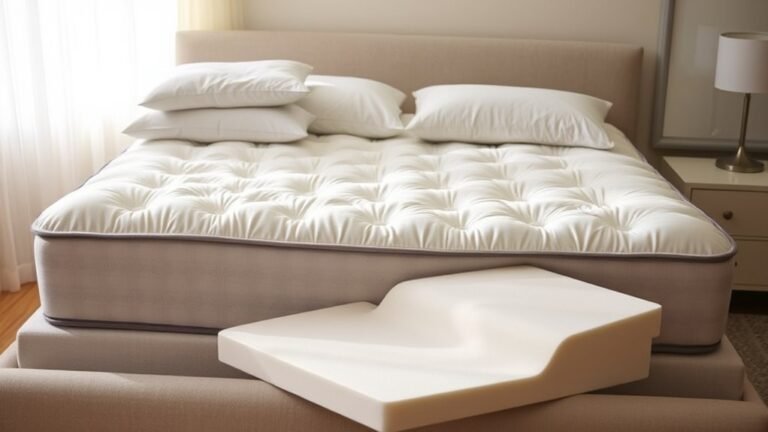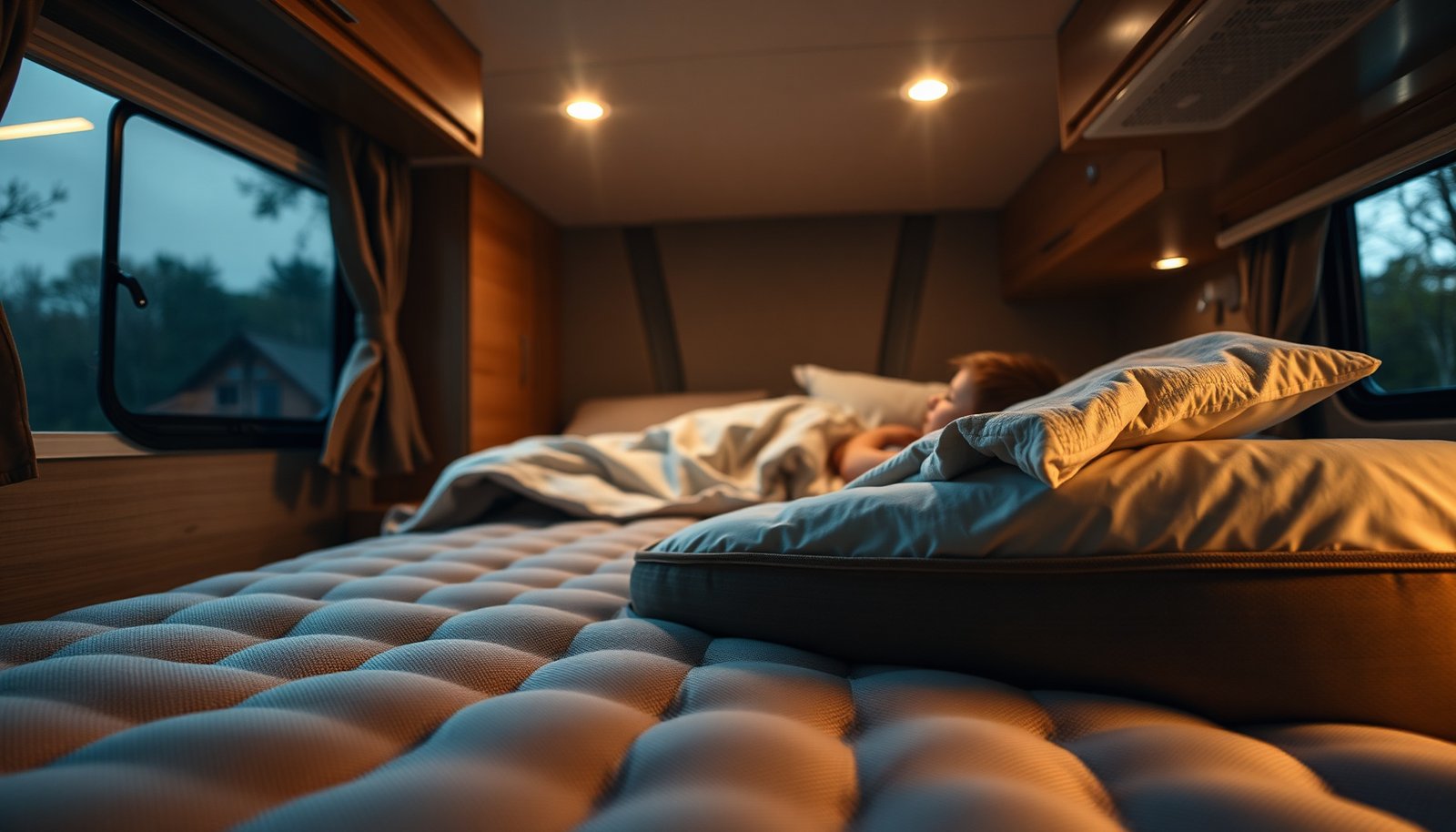
How to Choose Cooling Mattress for Kids with Eczema in an RV
How do you pick a cooling mattress for a child with eczema when you have limited space in an RV? Start by prioritizing breathable, non-irritating materials and a temperature-friendly surface that helps reduce heat and sweat without adding harsh textures. With the right fit and a simple setup, you can usually make a safer sleep environment in about an afternoon—then fine-tune after the first few nights. Keep a tape measure, your child’s sensitivity triggers, and the RV’s airflow constraints ready before you choose.



A cooling mattress helps kids with eczema sleep more comfortably in an RV by cutting down heat buildup and night sweating—two common eczema flare amplifiers on the road. The best results come from pairing breathable, hypoallergenic materials with a removable, washable cover that you can reliably dry after RV humidity spikes.
This is for families shopping for a kid’s mattress for RV travel when eczema flares are worsened by heat, humidity, or heavy bedding. It’s also useful if you’re trying to balance comfort with practical setup (limited airflow, washable covers, and easy maintenance).
Start with the “eczema-safe cooling” criteria

Choosing the right cooling mattress for kids with eczema starts with cooling that is airflow-driven, not just “cool-to-the-touch.” In an RV, you’re fighting both temperature and moisture, so the goal is to reduce sweat and keep irritants from building up.
– Prioritize temperature control that reduces sweating (cool-to-the-touch covers, breathable layers, and good airflow).
A cool surface can help at bedtime, but eczema-safe cooling is usually about preventing clamminess (sweat trapped against skin). Look for a breathable cover fabric and an internal comfort layer designed to let air move, so heat can escape instead of concentrating near the child’s body—especially in tight RV sleeping spaces.
– Look for eczema-friendly, fragrance-free, and hypoallergenic bedding that won’t irritate sensitive skin.
For a cooling mattress for kids with eczema, “hypoallergenic” and “fragrance-free” matter because skin reactions often come from residue, dyes, or added scents. If you can, choose bedding and covers that are specifically marketed for sensitive skin and that list what materials are in direct contact with the child.
– Choose a mattress system you can keep clean between trips (because oils/irritants on covers can make flares worse).
In RV travel, cleaning is harder than at home—so you want a system designed around maintenance. According to the U.S. Environmental Protection Agency, indoor humidity above ~60% increases conditions that support mold growth, which can worsen allergen exposure and irritate skin EPA (humidity guidance). Keeping covers clean and fully dry helps you manage both heat and irritant buildup.
Handle RV-specific problems (heat, humidity, airflow)
The best cooling mattress for kids with eczema in an RV is one that works despite limited airflow and unpredictable moisture. Your RV environment can change overnight, so the mattress needs to perform consistently—not just feel cool during the first hour.
– RVs can trap warmth—especially around sleeping areas—so you’ll want airflow-friendly construction and breathable bedding layers.
RVs often have warmer microclimates near walls, curtains, and headrests due to airflow patterns from the vents. For a cooling mattress for kids with eczema, that means using layered breathability: an airflow-friendly cover, a breathable topper/comfort layer, and lighter sleepwear that won’t block air circulation.
– Moisture is a big factor: if your RV gets humid, favor materials that don’t hold onto dampness (and are easier to dry/maintain).
Humidity is a trigger pathway for eczema because sweat lingers, skin barrier function suffers, and irritants can concentrate. According to the U.S. Centers for Disease Control and Prevention, mold grows when indoor relative humidity is about 60% or higher CDC (mold/humidity guidance). Even if mold isn’t present, that humidity level is enough to make drying slower—so your cooling strategy must include “drying reliability,” not only “cooling feel.”
– Plan around how the mattress will be stored and set up (flat vs. folded, ventilation opportunities, and how you’ll manage laundry).
In real RV life, storage matters. If a topper gets folded or compressed for days, some materials recover slower, and trapped moisture can reappear when you set up camp. For a cooling mattress for kids with eczema, prioritize systems that can vent quickly after travel and that let you dry covers thoroughly (especially after humid nights).
Compare mattress types and cooling features that matter
The most effective cooling mattress for kids with eczema isn’t determined by marketing phrases—it’s determined by what material layers actually allow airflow and moisture movement. Here’s how to compare options without getting distracted by “cooling gels” alone.
– Cooling gels/“cooling foam” can feel different, but what you really want is consistent breathability and low irritation; check cover fabric and certifications/specs rather than marketing alone.
“Cooling gel” often means heat is distributed differently, not that the mattress breathes well. For eczema, breathability usually beats surface-cooling because it helps prevent sweat from accumulating. Ask for specific details like the top cover fiber content, whether the comfort layer is breathable, and any testing/certifications relevant to sensitive skin.
– Innerspring (with breathable toppers) can work well if you use a gentle, washable cover and a skin-friendly topper that won’t trap heat.
Innersprings can support airflow through the structure, and that can pair nicely with a topper that reduces irritation and wicks moisture. For a cooling mattress for kids with eczema, the topper is often the “make-or-break” layer because it’s what contacts skin during the night.
– Mattress toppers can be the easiest RV-friendly upgrade—choose one with a removable, washable cover and a design intended to reduce heat buildup.
Toppers are especially practical in an RV because you can keep the base mattress protected while swapping/cleaning the topper cover more frequently. From my own checklist for RV bedding setup, I typically prioritize toppers where covers come off quickly and dry reliably; . That kind of “real-life drying behavior” is often more important than the label.
Quick comparison: which cooling mattress system tends to work best on the road?
| Mattress option | Pros for eczema + RV travel | Cons / watch-outs |
|---|---|---|
| Breathable cover + foam comfort layer | Often quiet and contouring; can feel soothing for inflamed skin when covered with a washable, breathable top layer. | If the foam is paired with a non-breathable cover, warmth and moisture can build near the child’s body. |
| Innerspring + breathable topper | More natural airflow potential; topper can be the eczema-safe, washable layer. | Some toppers trap heat; thickness matters because RV beds can feel tight. |
| Latex-style comfort (if available) | Often more breathable than dense memory foam; can support comfort without holding as much warmth. | Not all “cooling” latex products are equally breathable—verify cover fabric and moisture behavior. |
| Air-assisted solutions (only if washable top is eczema-safe) | Some designs can promote airflow; a properly ventilated setup can reduce sweat buildup. | Comfort and cleaning complexity may be harder; you still need an eczema-safe, washable contact layer. |
Don’t overlook size, setup, and day-to-day bedding routine
The cooling mattress for kids with eczema you choose must fit your RV sleeping setup—and it must be easy to keep clean and fully dry. In RVs, “good on paper” can fail if the cover can’t be removed, the topper can’t dry, or the mattress shifts and reduces comfort.
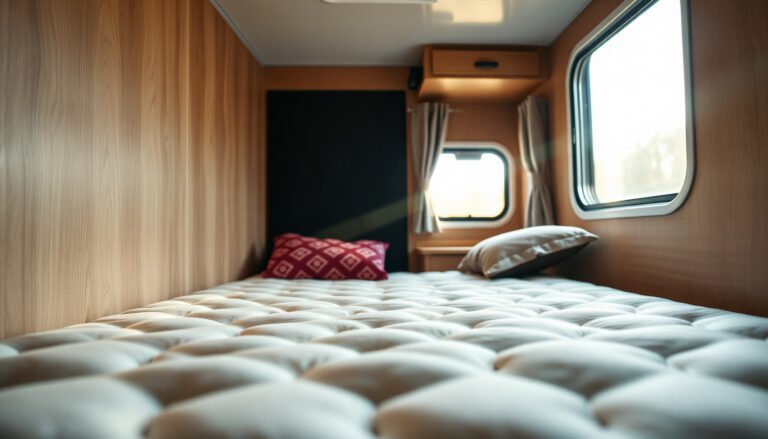
– Measure your RV sleeping space before you buy—especially if you need a slim profile or a specific bed frame fit.
RV beds are notorious for non-standard sizing. Measure your frame opening and the total height clearance for bedding layers. For a cooling mattress for kids with eczema, thin isn’t always better—too-thin setups can feel hard and increase friction, while thicker setups can trap warmth if materials aren’t breathable.
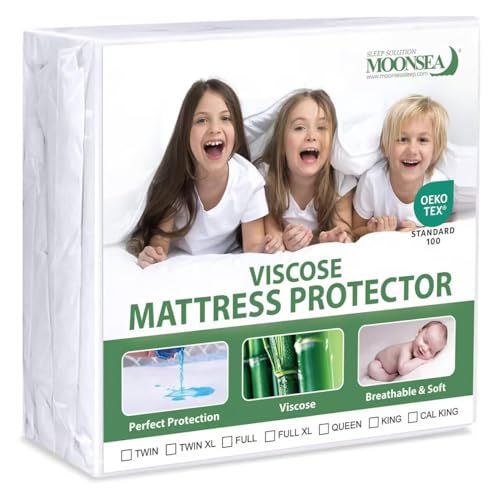
– Use a protective layer strategy: aim for a barrier that helps with irritants without making the bed warmer (some barriers reduce airflow).
Mattress protectors can be helpful for sweat, spills, and allergens, but not all protectors breathe well. If you add a waterproof layer, balance it with a breathable top cover so the child’s skin still benefits from airflow.
– Build a simple routine you can actually do on the road: rotate if possible, wash covers on schedule, and dry bedding thoroughly after any damp exposure.
Heat + humidity + delayed drying is the eczema trap in many RV routines. According to the Asthma and Allergy Foundation of America, washing bedding at 130°F / 54°C helps control dust mites Asthma and Allergy Foundation of America (dust mite bedding guidance). While dust mites aren’t the only eczema trigger, this highlights the broader principle: clean + dry matters—especially when you’re traveling.
Common Mattress Sizes Families Use for RV Kids’ Beds (Dimensions + Area)
| # | Size | Dimensions (in) | Surface area (sq ft) | vs Twin |
|---|---|---|---|---|
| 1 | Toddler | 27 × 52 | 9.88 | -50.7% |
| 2 | Crib | 28 × 52 | 9.93 | -50.6% |
| 3 | Twin | 38 × 75 | 19.87 | 0.0% |
| 4 | Twin XL | 38 × 80 | 21.33 | +7.3% |
| 5 | Full | 54 × 75 | 28.13 | +41.6% |
| 6 | RV Short Queen | 60 × 75 | 31.25 | +57.3% |
| 7 | Queen | 60 × 80 | 33.33 | +67.9% |
What can go wrong when you chase “cooling” only
If you focus only on the idea of “cool,” you can accidentally increase irritation and flare risk. For a cooling mattress for kids with eczema, the safest path is to optimize the whole system—cover, comfort layer, and cleaning routine—rather than chasing one gimmick.
– A mattress marketed as “cooling” may still trap heat if the cover/top layers are non-breathable or synthetic-feeling—eczema kids often need airflow more than just a cool surface.
“Cool gel” can be counterproductive if it’s housed under a plastic-like or dense cover that blocks evaporation and keeps moisture near the skin.
– Some cooling materials can feel slick or unfamiliar; if your child resists the texture, comfort can still impact sleep and flare patterns.
Eczema symptoms often worsen with scratching and poor sleep. If the child dislikes the feel of a cooling topper, the “cooling” feature won’t matter.
– If you can’t reliably remove/wash the cover, you may end up with irritants building up—so “low maintenance” shouldn’t mean “hard to clean.”
In an RV, sweat and skincare residue build quickly. A cooling mattress for kids with eczema should have a cover you can remove and dry completely, not something that needs professional cleaning every time.
Verdict: a practical recommendation (and who should skip it)
If you want the safest bet for kids with eczema in an RV, prioritize a breathable, hypoallergenic mattress cover (removable/washable) plus an eczema-friendly, cooling-leaning topper or mattress type that doesn’t trap moisture. This approach aligns cooling with barrier protection—so your cooling mattress for kids with eczema reduces heat and helps you manage the cleaning realities of travel.
Downsides: more breathable layers can mean you’ll be more careful with laundry schedules, and some “cooling” options may not feel dramatically cooler in humid RV conditions. Skip this approach (or delay purchase) if your child reacts to new bedding textures/scents, you can’t keep covers clean, or your RV setup can’t provide basic ventilation under/around the sleeping area.
Quick checklist (scan before you buy)
| What to check | What you want to see | Why it matters for eczema in an RV |
|---|---|---|
| Cover fabric | Breathable, hypoallergenic, fragrance-free, removable | Reduces irritation and heat buildup |
| Moisture behavior | Designed to wick/dry more easily | Helps prevent sweat/clamminess triggers |
| Care instructions | Washable cover; easy to dry fully | “Clean + dry” is a flare-management advantage |
| Cooling approach | Breathability-first (not just a cool feel) | Heat management works better than surface-cooling alone |
| Fit in RV | Correct dimensions + safe stability | Prevents shifting gaps that reduce airflow and comfort |
Frequently Asked Questions
What cooling mattress features matter most for kids with eczema in an RV?
Look for a cooling mattress designed to be breathable and moisture-wicking to help manage sweat, which can worsen eczema. Choose a hypoallergenic, fragrance-free cover and consider materials that don’t trap heat. Also prioritize a smooth, snag-free sleep surface and a barrier layer that won’t irritate sensitive skin during long RV stays.
How do I choose a cooling mattress topper for eczema on a small RV bed?
Measure your RV mattress dimensions precisely and choose a cooling mattress topper that fits without bunching, since folds can rub itchy skin. Opt for breathable cooling technology like gel-infused or ventilated cooling layers that don’t use strong scents or harsh chemicals. Pair it with a washable, eczema-safe mattress protector to reduce friction and make it easier to maintain clean, allergen-controlled sleep conditions in an RV.
Why can “cooling” mattresses make eczema worse if you choose the wrong one?
Some cooling materials can be too slick, have strong chemical odors, or contain additives that irritate eczema-prone skin. If a cooling mattress traps moisture rather than wicking it away, trapped humidity can lead to more flare-ups while traveling. Always select cooling sleep products that are hypoallergenic, dye-free/fragrance-free when possible, and comfortable in varied RV temperatures.
Which cooling mattress materials are safest for kids with sensitive eczema skin?
Many parents find comfort with breathable latex (if your child tolerates it), memory foam with a breathable cover, or innerspring options paired with an eczema-friendly protector and fitted sheet. The safest choice is typically a mattress or topper with a removable, washable cover made for sensitive skin and effective temperature control. Regardless of material, confirm it’s free from strong odors, irritants, and harsh finishes, since RV ventilation and temperature swings can intensify sensitivity.
What’s the best way to maintain a cooling mattress in an RV to prevent eczema flare-ups?
Use an allergen-resistant, breathable mattress protector and wash it regularly with gentle, fragrance-free detergent to reduce dust mites and residues. Keep airflow in mind—use RV ventilation when possible and avoid letting the mattress hold moisture after damp travel days. If your cooling mattress cover is removable, follow the care instructions closely and let all components fully dry to maintain breathable, skin-friendly comfort for eczema.
📅 Last Updated: November 14, 2026 | Topic: How to Choose a Cooling Mattress for Kids with Eczema in an RV | Content verified for accuracy and freshness.
References
- https://www.cdc.gov/eczema/
- Eczema | Dermatitis | Atopic Dermatitis | MedlinePlus
- https://www.cdc.gov/parasites/dustmites/
- Mold | US EPA
- atopic dermatitis dust mites bedding encasements – Search Results – PubMed
- https://scholar.google.com/scholar?q=atopic+dermatitis+overheating+sweating+children Google Scholar
- https://scholar.google.com/scholar?q=dust+mite+encasements+bedding+atopic+dermatitis+trial Google Scholar
- https://scholar.google.com/scholar?q=bedclothes+laundering+atopic+dermatitis+mites Google Scholar