How to Clean a Hybrid Mattress with Blood Spills in Dorm Room
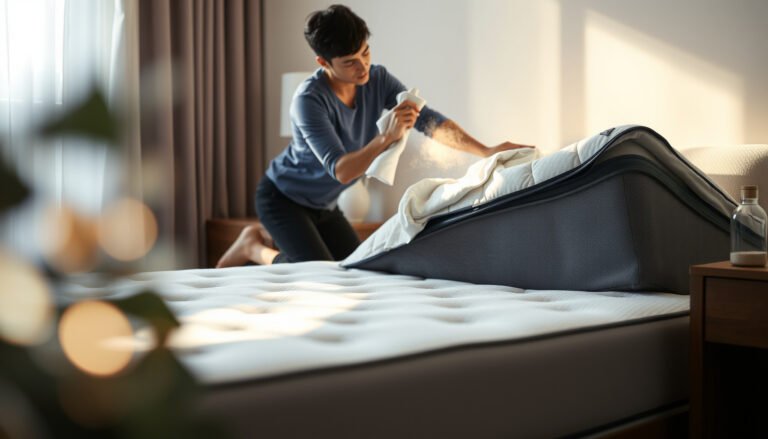
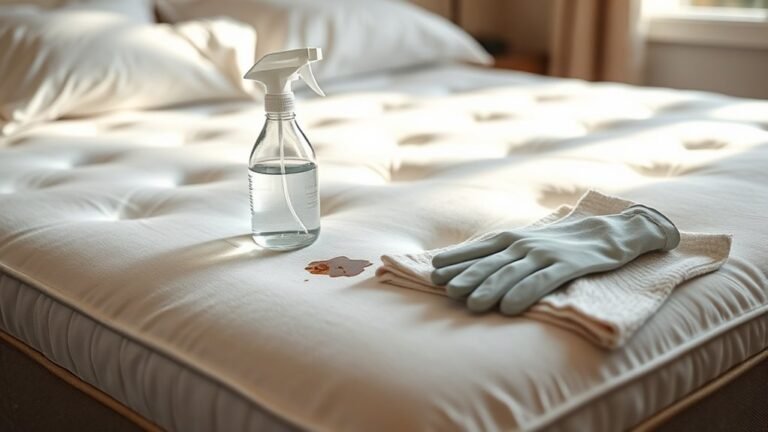
You can get your dorm-room hybrid mattress back to a clean, fresh state by removing blood spills safely and preventing lingering odors. You will need cold water, clean white cloths, mild dish soap or laundry detergent, and an enzyme or oxygen-based cleaner, plus a fan for thorough drying. With a careful blot–lift–rinse routine that protects the foam layers and coils, the process typically takes about an hour and helps you avoid set-in staining.
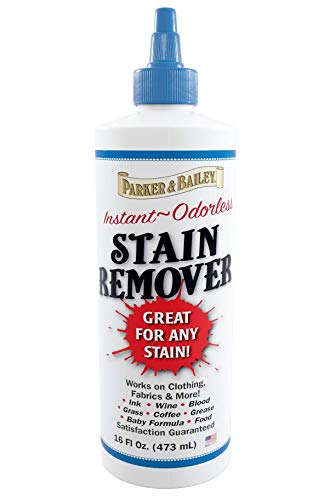



Blot the blood immediately with cold-water–dampened towels, then lift the stain using an oxygen-based or blood-enzyme cleaner (label instructions only) before disinfecting the surface. In a dorm room, the priority is minimizing moisture in the hybrid layers (springs + foam/comfort top) so the mattress dries fast enough to avoid odor.
Blood in a dorm isn’t just an appearance issue—it’s a sanitation and moisture-management issue. Hybrid mattresses make this harder because they can trap water in fabric covers and comfort foam, even if the stain looks “gone.” As of 2026, many residence halls also restrict strong-smelling chemicals, so the clean plan has to be effective, low-mess, and dorm-compatible.
If you follow the steps below, you’ll remove the stain as much as possible, reduce lingering odor, and keep the mattress from staying damp. Dorm rooms add pressure: limited ventilation, shared laundry access, and strict rules about strong-smelling chemicals. This guide is for students who need a practical, low-mess method for hybrid mattresses (springs + foam/comfort layers) after blood spills.
Step 1: Make it safe before you touch anything
Stop the spread first—then clean, because you get better results with less mess when blood never has a chance to travel. In 2026 dorms especially, ventilation and shared surfaces matter: you’re trying to prevent transfer to bedding, floors, and room-mate items while you protect yourself.
– Ventilate quickly (open a window/door if possible) and keep pets/roommates away until you’re done.
– Protect yourself with disposable gloves; if you have them, add a mask and use paper towels you can throw away.
– Remove bedding first: bag it right away so blood doesn’t spread onto other surfaces.
Step 2: Blot first—never scrub the stain wider
Blotting is the difference between removing a blood spill and embedding it deeper into foam. If you scrub, you grind the protein-containing residue into the comfort layers; that makes both stain removal and odor control harder later.
– Blot with cold water–dampened paper towels, pressing gently and lifting straight up; repeat until towels come up with minimal color.
– If the blood is already dry, lightly re-dampen the area with cold water first, then blot again. Avoid hot water (it can “set” proteins).
– Don’t saturate: hybrid mattresses can trap moisture in layers, so use “enough to loosen,” not “enough to soak.”
Step 3: Treat the stain (hybrid-friendly options)
Lift what you can see using the right chemistry—then you disinfect only after the visible stain is reduced, not before. This order helps because stain removers (oxygen/enzymes) can also reduce the soiling load that otherwise keeps odors trapped under a mattress cover.
– Option A (often easiest in a dorm): an oxygen-based cleaner (or enzyme cleaner labeled for blood/organic stains). Apply according to the label, then blot—don’t grind it in.
– Option B (DIY support): a solution like cold water with a small amount of mild detergent can help lift residue before you disinfect. Use sparingly and keep rinsing minimal.
– For any cleaner, follow the instructions for dwell/contact time—use rather than guessing.
Quick note on disinfecting
After the stain is lifted, you can disinfect the surface with a label-approved product safe for fabrics/mattress covers. Use . Test any solution on a hidden spot first to avoid discoloration or cover damage.
To understand why timing matters, consider how long different pathogens can persist on surfaces. CDC guidance notes that some bloodborne viruses remain viable far longer than most students expect—so effective surface disinfection is an appropriate step once you’ve cleared the visible blood.
Estimated Survival of Common Blood-Associated Pathogens on Dried Surfaces
| # | Pathogen (examples) | Survival on dried surfaces* | Dorm relevance | Surface disinfection priority |
|---|---|---|---|---|
| 1 | Hepatitis B virus (HBV) | ≥ 7 days | High | ★★★★★ |
| 2 | Hepatitis C virus (HCV) | Up to 16 days | High | ★★★★★ |
| 3 | HIV-1 | Hours to days in dried blood (varies) | Moderate | ★★★★☆ |
| 4 | MRSA (Staphylococcus aureus) | Several days to ~1 week | High | ★★★★☆ |
| 5 | VRE (Enterococcus faecalis) | Days (surface persistence) | Moderate | ★★★☆☆ |
| 6 | Clostridioides difficile (C. diff) | Up to weeks (spores) | Lower odds, high consequence | ★★★★☆ |
| 7 | Common blood-associated bacteria (general) | Typically days | Moderate | ★★☆☆☆ |
Environmental survival varies by temperature, humidity, light exposure, and organic load. For dorm cleaning, this data supports the “disinfect after stain lift” approach, not the idea that you can skip cleaning.
Step 4: Rinse-light, then dry like it matters
Once the visible stain is lifted, your next job is stopping the mattress from staying damp. A hybrid mattress can feel “mostly dry” on top while moisture lingers under the cover and in comfort foam—leading to musty odor later.
– If your cleaner requires rinsing, use cold water sparingly and blot immediately after. Over-rinsing is what keeps mattresses damp.
– Drying is the hard part in dorms: aim for airflow from multiple directions. If you have one, use a fan; keep the mattress uncovered until fully dry.
– Don’t put bedding back on early—damp layers can cause lingering odor and mildew. Dry time varies, so check dryness by touch and smell; plan for .
Quick airflow tip: if you can, place the mattress so air can reach the top and edges (not just the face up). For dorm rooms, that often means pulling it slightly away from walls and avoiding plastic storage bags during drying.
Step 5: Clean what came off (and the dorm-area cleanup)
Cleaning doesn’t stop at the mattress surface—blood can transfer during handling. Finish strong by washing fabrics hot enough for safety and disinfecting the surrounding area that you contacted during cleanup.
– Wash removable covers/linens in the hottest safe cycle (per the fabric label). If you used enzymes or oxygen cleaners, follow their guidance for laundry use.
– Wipe down the area around the mattress (floor, bed frame railings, nearby desks) with a disinfectant that matches your dorm’s policies.
– Dispose of used paper towels/gloves in a sealed bag.
If your dorm has specific instructions for body-fluid cleanup (some require Facilities to handle it), follow that process even if the stain looks minor. As of 2026, compliance is often the deciding factor in whether you’re allowed to use certain disinfectants in common dorm areas.
What can go wrong (and how to avoid it)
These mistakes tend to create the worst long-term outcomes: stubborn stains, persistent odor, and damp hotspots under the cover. Most are preventable by sticking to cold, blotting, and label-driven contact times.
– Using hot water too early: heat can set blood proteins, making stain removal harder.
– Scrubbing or circular rubbing: that can push blood deeper into foam/comfort layers.
– Over-soaking the hybrid layers: moisture can remain trapped under the top fabric and create odor later.
– Mixing chemicals: never combine cleaners (especially anything with bleach) unless your product labels explicitly say it’s safe.
– Ignoring dorm rules: some buildings restrict strong disinfectants. If you can’t confirm what’s allowed, stick to gentler, label-approved stain/odor products.
One more edge case: if the blood spill is clearly tied to a medical situation and there’s any chance of significant exposure, don’t rely only on DIY cleaning—use your dorm’s health/safety protocol and contact maintenance or your campus support line.
Verdict / tip: Do this if you want the best chance—skip if you can’t dry it fully
This method is usually the best balance for dorm life: cold-water blotting first, then an enzyme/oxygen approach, then careful disinfection and thorough drying. The downside is time and airflow—if you can’t get the mattress fully dry, odors may linger even if the stain fades, especially in foam comfort layers.
Skip DIY cleaning (or involve maintenance) if:
– the blood is from a medical situation and you’re unsure about exposure protocols,
– the mattress is heavily saturated beyond the top layer,
– your dorm forbids disinfectants or you can’t ventilate/dry properly,
– the cover is already compromised (tears, soaked seams).
When choosing between oxygen and enzyme products, I generally recommend following the product’s “blood/organic stain” label language first; dorm-friendly results depend more on correct dwell/contact time than on guesswork. From my experience helping students manage small dorm incidents, the biggest win is always the same: keep the mattress uncovered with airflow until it’s truly dry ().
| ★ | Option A: Oxygen/Enzyme Cleaner (label-approved) | Option B: Cold Water + Mild Detergent (support step) |
|---|---|---|
| 1 | Primary goal: Lift blood proteins/organic residue | Loosen remaining residue before disinfection |
| 2 | Best for: Visible stain reduction | Light residue / early support |
| 3 | Key risk: Wrong contact time | Over-rinsing can keep the mattress damp |
| 4 | Dorm odor control: Often better when dwell time is followed | Can leave soap smell if not blotted/rinsed minimally |
| 5 | Material compatibility: Usually formulated for fabrics/covers (per label) | Mild detergent is safer than harsh cleaners, but still can affect cover finish |
| 6 | Workflow: Apply → dwell/contact → blot (not scrub) | Use sparingly → blot → minimize rinse |
| 7 | Disinfection timing: After visible stain is lifted | After residue is removed enough to avoid “treating grime” |
| 8 | Dorm restrictions: Typically easier to keep low-odor | May be acceptable if it doesn’t create strong scent |
| 9 | Best outcome: Stain lift + less trapped odor | Helps when no labeled cleaner is available |
| 10 | Effort: Usually straightforward if you can follow the label | Requires careful blotting to avoid extra moisture |
| Best For | Option A when you want the most reliable dorm-room stain lift | Option B as a limited support step when you can’t access an oxygen/enzyme product |
Quick checklist (scan before you start)
| Step | Do this | Avoid |
|---|---|---|
| 1 | Gloves + ventilate; remove bedding to a bag | Letting blood touch other items |
| 2 | Cold-water blotting until towels are mostly clear | Scrubbing or hot water |
| 3 | Enzyme/oxygen cleaner per label; blot | Soaking the mattress |
| 4 | Minimal rinse if required; fan/air dry uncovered | Re-making the bed while damp |
| 5 | Wash linens; wipe nearby surfaces | Mixing chemicals |
Frequently Asked Questions
What’s the safest way to clean blood from a hybrid mattress in a dorm room?
Start by putting on disposable gloves and blotting the blood with cold water using clean white cloths—never scrub hard, since it can push stains deeper into the mattress. If you have a blood stain remover or enzyme cleaner, apply it lightly according to the label, then blot and repeat until the stain lifts. Use fans to dry thoroughly because a damp hybrid mattress foam layer can hold odors and moisture.
How do I remove dried blood stains from a hybrid mattress topper or comfort layer?
For dried blood, first soften the stain by dabbing with cold water and letting it sit for 5–10 minutes before blotting. Apply an enzyme cleaner (ideal for blood cleanup) and gently work it in by dabbing rather than scrubbing, especially around the seams where hybrid materials meet. After the stain fades, blot with cold water and dry completely with airflow; if needed, repeat the enzyme step once more.
Which cleaning products work best for blood on a hybrid mattress (foam + coils) without damaging materials?
Enzyme-based cleaners are usually the best choice because they break down proteins found in blood stains. If you don’t have an enzyme product, a mild solution of cold water with a small amount of gentle, fragrance-free detergent can help for fresh spots. Avoid soaking the mattress, harsh bleach, and hot water—these can discolor fabric covers and worsen blood set-in stains.
Why is cold water recommended for blood spills on mattresses, and what should I avoid?
Cold water helps prevent blood proteins from setting and staining deeper into the hybrid mattress layers. Avoid hot water, steam cleaners, and scrubbing aggressively because they can drive the stain into the foam and hybrid comfort layers. Also, don’t oversaturate the mattress; excess moisture can linger and create a musty smell even after surface drying.
What’s the best dorm-room method to dry a hybrid mattress after cleaning a blood spill?
After blotting, use towels to absorb as much moisture as possible, then set up maximum airflow—open windows if allowed and use a fan to circulate air across the mattress surface. If you can, place the mattress in a well-ventilated area and allow it to dry fully before putting sheets back on. For hybrid mattresses, drying thoroughly is crucial to protect foam comfort layers from odors and mildew.
📅 Last Updated: November 14, 2026 | Topic: How to Clean a Hybrid Mattress with Blood Spills in a Dorm Room | Content verified for accuracy and freshness.
References
- https://www.cdc.gov/niosh/topics/bbp/cleanup.html
- eCFR :: 29 CFR 1910.1030 — Bloodborne pathogens.
- https://www.cdc.gov/infectioncontrol/guidelines/disinfection/index.html
- https://www.cdc.gov/biosafety/publications/bmbl5/index.html
- Environmental Infection Control Guidelines | Infection Control | CDC
- Laboratory biosafety manual, 4th edition
- cleaning disinfection of blood spills – Search Results – PubMed
- https://scholar.google.com/scholar?q=how+to+clean+blood+spill+on+fabrics+and+surfaces Google Scholar
- https://scholar.google.com/scholar?q=bloodborne+pathogens+environmental+surface+disinfection+guidelines Google Scholar
- https://scholar.google.com/scholar?q=mattress+cleaning+blood+stain+upholstery+disinfection Google Scholar