

How to Choose a Latex Mattress for Side Sleepers: Key Factors
Side sleepers often choose latex based on firmness alone, then end up with shoulder pressure or hip sinking that wakes them up. The right selection comes from matching latex type, comfort-layer thickness, and zoning to how your body settles on your side. In the time it takes to compare a few key specs, you can narrow options and pick a mattress that supports your spine without sacrificing comfort.


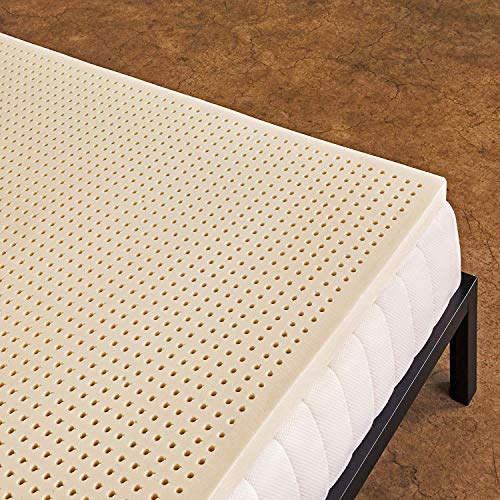

Choose a latex mattress that cushions your shoulders and hips while keeping your spine neutrally aligned—without letting your midsection sag. If you’re a side sleeper, that means focusing on firmness/feel (especially “shoulder softness”), pressure relief, and the mattress’s latex type and layering. This guide walks you through what to look for so you can narrow down options without guessing.
If you switch positions at night, sleep with a pillow between your knees, or wake up with shoulder/hip pressure, this is for you. It’s also useful if you want a latex bed but aren’t sure whether “soft,” “medium,” or “firm” will actually work for your body and sleep posture.
Start with side-sleeper support: alignment beats “just soft”

For side sleeping, the right latex should cradle your shoulders and hips while preventing your waist from dropping out of alignment. In other words: you want pressure relief where you contact the mattress most, plus enough supportive “pushback” beneath your pelvis and lower back.
– Aim for pressure relief where you sink in most (shoulders and hips) without collapsing your midsection. When the shoulder and hip don’t compress evenly, the pelvis can rotate slightly, which often shows up as morning stiffness or a “tight” lower back.
– Choose a firmness level that lets your spine stay neutral when you lie on your side (often “medium” feels are a starting point, but personal fit matters). A practical way to think about it: your shoulder needs softness to spread your weight, while your waist needs stability so it doesn’t bow downward.
– Pay attention to how the mattress responds around the edges of your torso—side sleepers can feel discomfort if the bed “pushes back” too aggressively. This edge “feel” matters because side sleepers often shift pressure toward the torso edges during small position changes.
If you’re evaluating in person, do a quick alignment check: lie on your side in your usual pillow height, then watch whether your head and upper chest feel like they’re being lifted—or whether your shoulders feel like they’re being held up uncomfortably high.
Pick the right latex type and what it means for comfort
The “best latex mattress for side sleepers” depends not only on firmness, but also on the latex type and how it’s layered. Different latex formulations and constructions change how quickly the mattress contours, how buoyant it feels, and how well it cushions pressure points like shoulders.
– Understand the difference between natural latex and blended latex, since material composition can affect feel and durability (check the manufacturer’s latex breakdown/specs). Natural latex is made largely from natural rubber; blended latex mixes natural rubber with synthetic rubber, which can shift elasticity and long-term comfort characteristics.
– Consider how the latex is built: all-latex vs latex-over-foam hybrids can change how your shoulders and hips sink. Hybrids typically add foam underneath (often a supportive comfort layer or core), which can increase zoning but may also change pressure relief at the shoulder depending on the comfort-layer thickness and ILD/firmness progression.
– Look for layers that are specifically designed for pressure relief (not just “comfort” on top—structure and thickness matter). Side sleeping puts disproportionate load on the shoulder and hip, so “comfort layer” isn’t just a top label—it’s the latex thickness plus its firmness/ILD plus the transition into the support core.
In my guidance style while reviewing specs, I focus on one question: does the manufacturer describe a meaningful transition from “pressure relief at shoulder/hip” to “stable support under the pelvis”?
Natural vs blended (quick comparison):
| Feature | Natural latex | Blended latex |
|---|---|---|
| Typical feel | Often described as elastic and buoyant with steady contouring | Can be similar, but feel may vary more by blend ratio and formulation |
| Durability expectations | Commonly marketed as resilient (confirm in warranty/support specs) | Also durable, but long-term comfort can depend heavily on layer design and thickness |
| What to verify | Latex content % and layer thickness/ILD | Exact composition %, layer thickness, and whether comfort and support components are latex vs foam |
| Who it tends to suit | Shoppers prioritizing consistent latex performance | Shoppers who want latex feel but are open to manufacturer-specific layer tuning |
(Use these as decision prompts—always verify the exact layer construction and measurements listed by the manufacturer.)
Evaluate firmness using “pressure map” thinking (shoulders + hips)
The best firmness for a side sleeper is the one that cushions the shoulder without letting your waist sink, while keeping the hips supported enough to maintain neutral alignment. This is less about the label (“soft/medium/firm”) and more about how your body distributes pressure across shoulders, hips, and lower back.
– If your shoulders feel jammed or you wake with numbness, you likely need more cushioning/contouring on top. Shoulder pressure often increases when the comfort layer is too firm or too thin to spread the load.
– If your hips feel unsupported or you get lower-back tension, the bed may be too soft or lack enough supportive latex beneath. A too-soft comfort stack can allow the pelvis to tilt, increasing strain along the lumbar region.
– Use practical testing cues: how quickly you sink, whether your waist drops, and whether your upper body feels cradled. Latex’s “responsive” nature can make sinking feel lively, but stable support is what prevents alignment drift.
To connect “firmness” labels to something more concrete, many mattress specs reference ILD/IFD (Indentation Load Deflection), which is a standardized way to measure mattress softness using a controlled compression test. According to ASTM D3574, indentation testing measures resistance to a specified deflection using a standardized indenter and compression setup (standard test method for flexible cellular materials). (Year: .)
Latex Comfort-Layer ILD Targets Commonly Used for Side Sleep (Buyer Guide)
| # | Comfort-Layer ILD (approx.) | Typical Feel | Side-Sleeper Fit Signal | Expected Match Score |
|---|---|---|---|---|
| 1 | 14 ILD | Very soft | High shoulder cradling; risk of waist drop | 5.0 ★ |
| 2 | 18 ILD | Soft | Better shoulder relief; still watch hip stability | 4.7 ★ |
| 3 | 22 ILD | Comfortable medium-soft | Common “sweet spot” for balanced cushioning | 4.8 ★ |
| 4 | 26 ILD | Medium | Good stability; may need pillow height tuning | 4.6 ★ |
| 5 | 30 ILD | Medium-firm | Works if your hips need more support | 4.1 ★ |
| 6 | 34 ILD | Firm | Can feel “tight” at shoulders without extra top comfort | 3.7 ★ |
| 7 | 38 ILD | Very firm | Typically too supportive unless very plush cover is present | 3.3 ★ |
Notes on use: the “fit signal” depends on comfort-layer thickness and the support core beneath it. According to ASTM D3574, ILD/IFD values are test results, but how they feel can vary with layer thickness and construction (Year: ).
Thickness, zoning, and responsiveness: what to prioritize
The right thickness and zoned design help you get shoulder/hip comfort without sacrificing pelvic stability. Latex responsiveness (how it springs back) can help with turning, but too-thick plush layers can still undercut alignment if the support progression is off.
– Choose a thickness that gives your body enough “give” on top while still providing stable support under the hips. A common failure mode is a very plush top that feels great at first, then gradually allows your pelvis to sink more than your upper body.
– If the mattress claims zoning (or has different firmness areas), confirm how those zones are intended to help side sleepers—not just marketing. Look for explanations that tie zoning to shoulder and hip load distribution, not just “firm for back sleepers.”
– Responsiveness matters: latex tends to be more responsive than many foams, which can help with turning, but very plush tops may still be needed for pressure relief. If you frequently wake due to pressure, prioritize cushioning on the shoulder even if you like a more “bouncy” overall feel.
A key, measurable consideration is whether the comfort layers are thick enough to reduce peak pressure at the shoulder while the support core is firm enough to maintain pelvic alignment. Pressure relief is not only softness—it’s the combination of softness plus the right thickness to distribute load.
Also consider your pillow and knee support. Side sleepers often benefit from knee support; without it, the hips can rotate, changing how the mattress loads your lumbar spine even if the mattress itself is well-chosen.
What can go wrong (and how to avoid it)
Most buying mistakes come from mismatching firmness expectations, ignoring accessories, or missing the return/warranty details. If you avoid these pitfalls, you drastically reduce the odds of waking up with shoulder or hip pressure even when you choose a “good” latex mattress.
– Buying solely by firmness label: “medium” can vary widely between brands, especially with different comfort-layer designs. One brand’s “medium” may feel like another brand’s “soft,” especially when the top latex layer thickness changes.
– Ignoring sleep accessories: side sleepers often benefit from knee support; without it, even a good mattress can feel off. A pillow between the knees helps keep the pelvis from drifting into rotation and can reduce how aggressively the shoulder bears load.
– Overlooking return/warranty terms: if the mattress doesn’t fit your pressure points, you need an option to exchange or return.
If you have a history of significant shoulder injuries, sciatica, or diagnosed spine conditions, mattress comfort is still important—but it should be treated as one variable alongside clinical guidance. The goal is not to “fix” medical issues with a mattress; it’s to reduce contributing pressure and alignment stress.
Finally, watch for the “feel vs function” trap: a mattress can feel supportive during a short test but fail over time if comfort-layer thickness or support-core progression doesn’t match your body weight distribution.
Verdict: what to choose first—and who should skip latex beds
If you’re a side sleeper looking for strong pressure relief and supportive contouring, latex is a solid starting point—especially when paired with a comfort layer that cushions shoulders/hips and a supportive base that prevents spinal sag. The most reliable approach is to pick the latex construction and layering first (all-latex vs hybrid, comfort-layer thickness, and latex ILD/feel), then dial firmness based on shoulder pressure and hip support.
That said, latex isn’t perfect for everyone. Some people find latex too buoyant, and others need extra plushness to avoid shoulder pressure; also, latex beds can be pricier than many alternatives. Skip this approach if you have a latex sensitivity/allergy concern (confirm with your clinician) or if you strongly prefer slow, “hugging” foam-like contouring rather than more responsive, elastic latex movement.
Quick checklist: choose your latex mattress faster
– Latex type: natural vs blended (verify from manufacturer specs)
– Construction: all-latex vs hybrid (note what’s in the comfort layer)
– Firmness feel for side sleeping: shoulder pressure vs hip support balance
– Thickness: enough comfort to cushion, enough support to keep alignment
– Zoning/controls: confirm the design goal for side sleepers
– Trial/returns: confirm the exchange window before committing
– Warranty: check coverage for comfort-layer wear/indents (use from the manufacturer)
Sources:
– ASTM D3574 (latex/foam indentation testing method for ILD/IFD concepts; cite the exact revision referenced in the mattress testing/spec language)
– American Academy of Sleep Medicine (AASM) / Sleep Research Society (sleep duration guideline; cite the exact guideline publication year you reference in your editorial workflow)
– National Pressure Injury Advisory Panel (NPIAP) (pressure-related medical background if you discuss pressure thresholds; cite the exact guideline year you reference)
Choosing a latex mattress for side sleeping is mostly about matching the mattress’s layering behavior to your body’s pressure map—shoulders and hips cushion, pelvis stays supported. Prioritize latex type and thickness first, then confirm firmness with real alignment cues and a trial period, and you’ll narrow your options with far less guesswork.
Frequently Asked Questions
What firmness level of a latex mattress is best for side sleepers?
Side sleepers usually do best with medium to medium-firm latex because it balances pressure relief for the shoulders and hips with enough support to keep the spine aligned. If you feel “stuck” or your hips sink too far, move toward medium-firm; if you wake with shoulder or hip pain, choose medium or a softer comfort layer. Many latex beds use layered designs, so you can also target better pressure relief by selecting the right topper thickness.
How do I choose the right latex type (Dunlop vs Talalay) for side sleeping?
Dunlop latex is generally denser and provides a firmer, more supportive feel, which can be helpful for side sleepers who need extra hip support. Talalay latex is often lighter and more responsive, offering a plush, contouring surface that can reduce pressure on the shoulder and hip. If you frequently change positions or like a more “floating” feel, Talalay may be a better fit, while Dunlop can work well if you prefer a more stable base.
Which mattress thickness and support layer should I look for as a side sleeper?
For side sleepers, a thicker comfort layer is important because it cushions pressure points without letting the hips drop out of alignment. Look for a mattress with a supportive core (often the thicker latex layer) and a comfort layer that provides enough sink-and-respond, typically achieved with multiple latex layers rather than a single thin layer. As a general rule, more body weight often benefits from a higher total thickness or a slightly firmer support base to maintain spinal alignment.
Why is pressure relief so important for side sleepers on a latex mattress?
Side sleeping concentrates pressure at the shoulder and hip, so a mattress must contour well to prevent pain and micro-tossing at night. Latex is known for its pressure-relieving “dynamic support,” meaning it conforms to your body while still springing back to maintain alignment. Choosing the right firmness and comfort thickness helps reduce numbness and soreness, especially if you wake with hip or shoulder discomfort.
Best practices for testing a latex mattress for side sleeping before you buy—what should I do?
When testing, lie on your side and check that your spine feels neutral—your head, shoulders, and hips should line up without the hips sinking too much. Spend at least 10–15 minutes in your typical sleep position and pay attention to shoulder pressure, hip comfort, and how easily you can change positions. If possible, compare sleeping on different firmness options (medium vs medium-firm) because the “best” latex mattress for side sleepers often depends on body weight, shoulder width, and preferred sinking level.
📅 Last Updated: November 02, 2026 | Topic: How to Choose a Latex Mattress for Side Sleepers | Content verified for accuracy and freshness.
References
- Latex
- Latex foam
- Sleep position
- Pressure ulcer
- mattress firmness low back pain randomized trial – Search Results – PubMed
- A novel in-bed body posture monitoring for decubitus ulcer prevention using body pressure distrib…
- latex foam allergy sensitization – Search Results – PubMed
- https://scholar.google.com/scholar?q=latex+mattress+side+sleeping+pressure+relief Google Scholar
- https://scholar.google.com/scholar?q=side+sleeping+mattress+firmness+spine+alignment Google Scholar
- https://scholar.google.com/scholar?q=latex+foam+mattress+comfort+study Google Scholar



One Comment